
























JWST captures stunning image of protostar system FS Tau, revealing episodic star formation
By
Robert Lea
Summary
A new JWST image captures the FS Tau star system, located 450 light-years away, revealing protostars with dramatic outflows of gas and dust. The image shows gaps between the outflows that support the theory that protostars accrete matter in discrete episodes rather than continuously. FS Tau is a popular target for studying low-mass star evolution.
Source

 Twitter / XJWST captures stunning image of protostar system FS Tau, revealing episodic star formationspace.com
Key quotes
· 3 pulledThe protostars sit in a region known as FS Tau, located around 450 light-years away, which has become a popular target for astronomers aiming to study the evolution of low-mass stars.
The JWST image of FS Tau reveals gaps between the outflows that support the theory that protostars gather or 'accrete' matter in discrete episodes, between which they lie dormant.
The FS Tau region has never looked as stunning as it does in a new image from the powerful space telescope.
You might also wanna read


JWST Observations Reveal Sun-like Starspot Properties on Young Solar Analog V1298 Tau
This scientific paper analyzes JWST NIRISS/SOSS transit observations of the young (20-30 Myr) solar analog star V1298 Tau and its exoplanets
 arxiv.org·17d ago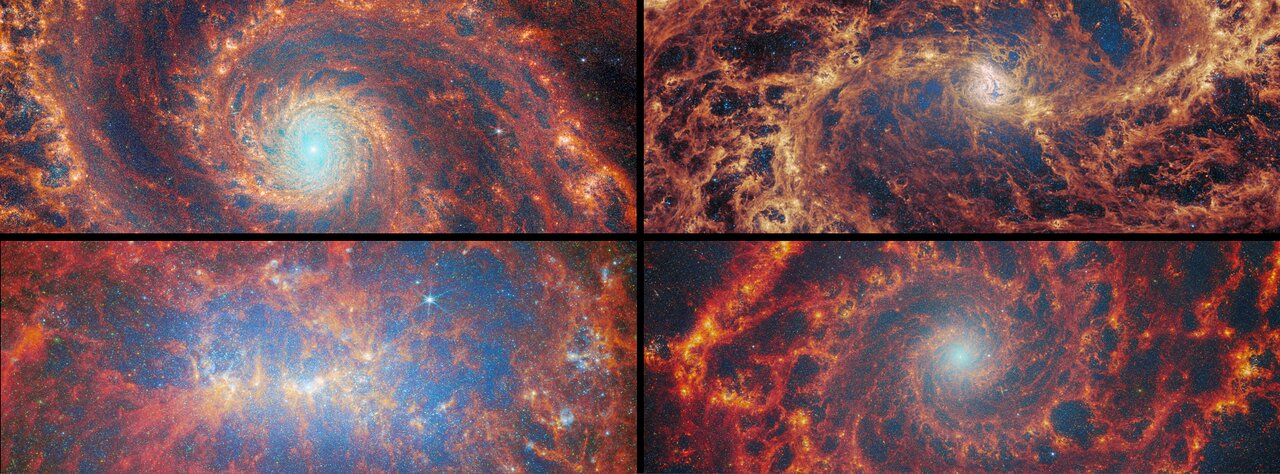
JWST survey reveals how massive stars rapidly clear their birth cocoons in nearby galaxies
A survey of four nearby galaxies using the James Webb Space Telescope reveals how massive stars clear away their surrounding gas and dust co
 badastronomy.beehiiv.com·1mo ago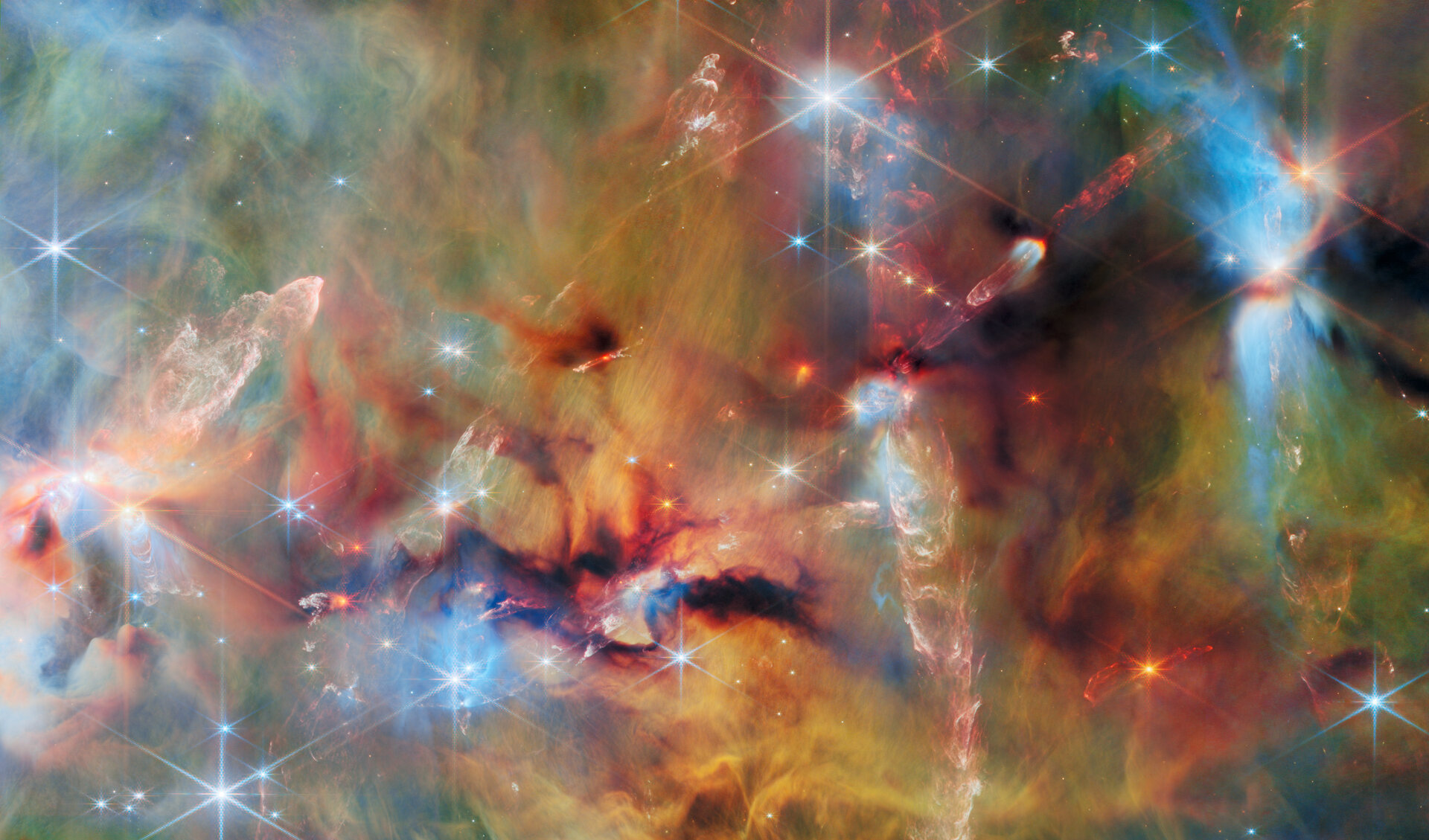
James Webb Space Telescope captures young stars at multiple formation stages in Orion A
The James Webb Space Telescope has captured a detailed image of young stars at various stages of formation in the Orion A molecular cloud, s
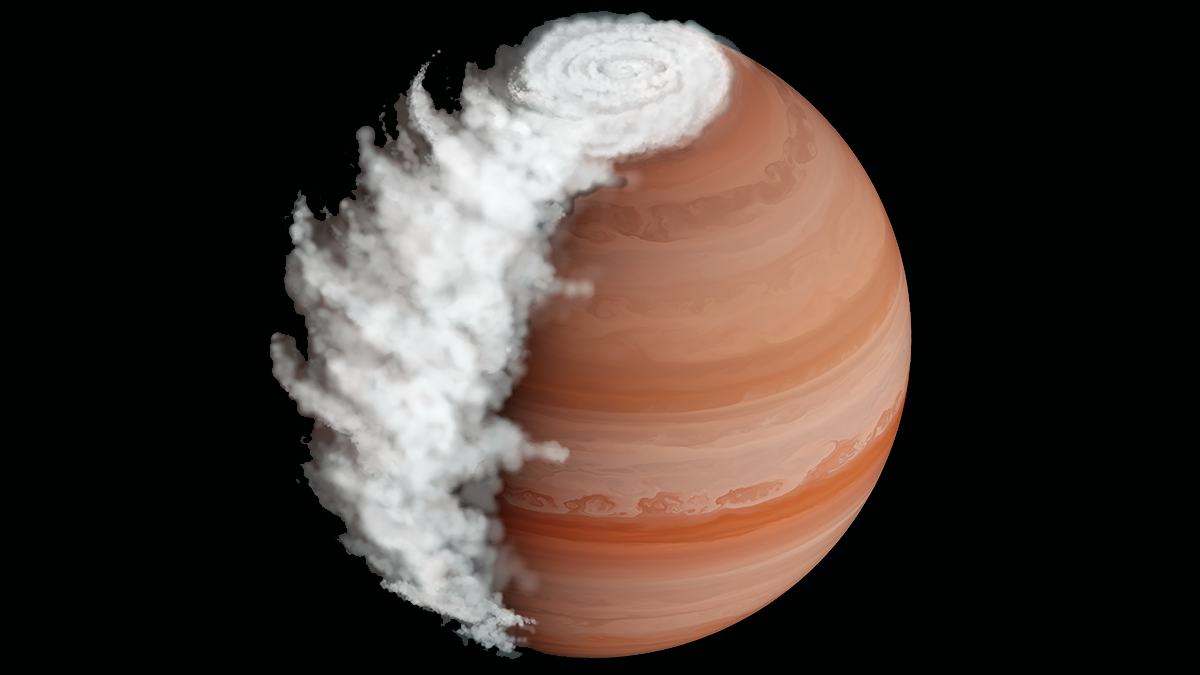
JWST Reveals WASP-39b Has Cloudy Mornings and Clear Evenings, Solving Longstanding Exoplanet Mystery
Astronomers using the James Webb Space Telescope (JWST) have developed a novel observation technique to study the exoplanet WASP-39b, a hot
 eos.org·17d ago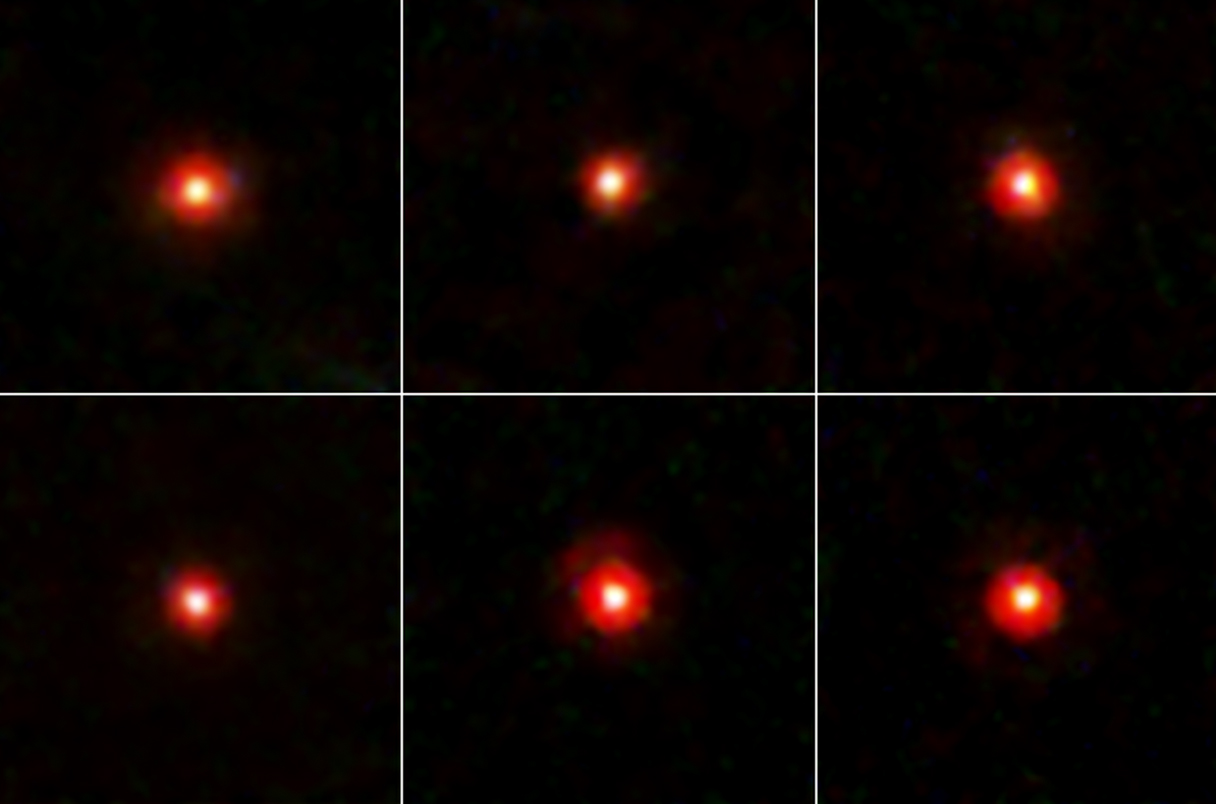
JWST Discovers Mysterious 'Little Red Dots' in Early Universe, Possibly New Celestial Objects
NASA's JWST telescope has discovered hundreds of 'little red dots' in the early universe, which may represent a new type of celestial object
 science.org·11mo ago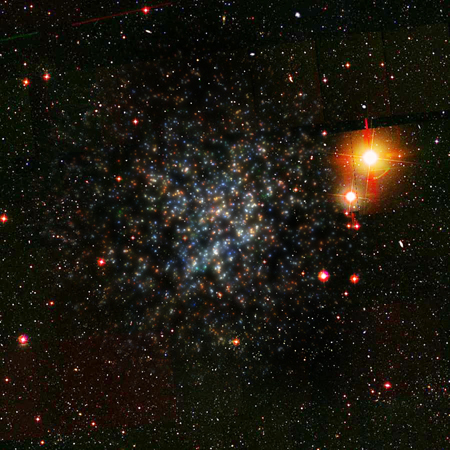
JWST observations of Boötes I dwarf galaxy probe early universe star formation and the stellar Initial Mass Function
This research article presents direct measurements of the stellar Initial Mass Function (IMF) in the early universe using JWST/NIRCam observ
 astrobites.org·26d ago
Comments
Sign in to join the conversation.
No comments yet. Be the first.