
Cloudflare’s Security Audit Skill: Turn Your Coding Agent Into a Security Auditor›
More on this topic2 sources · 2 articles

 Shared by @betterhn20.e-work.xyz ↗
 flet.dev9h ago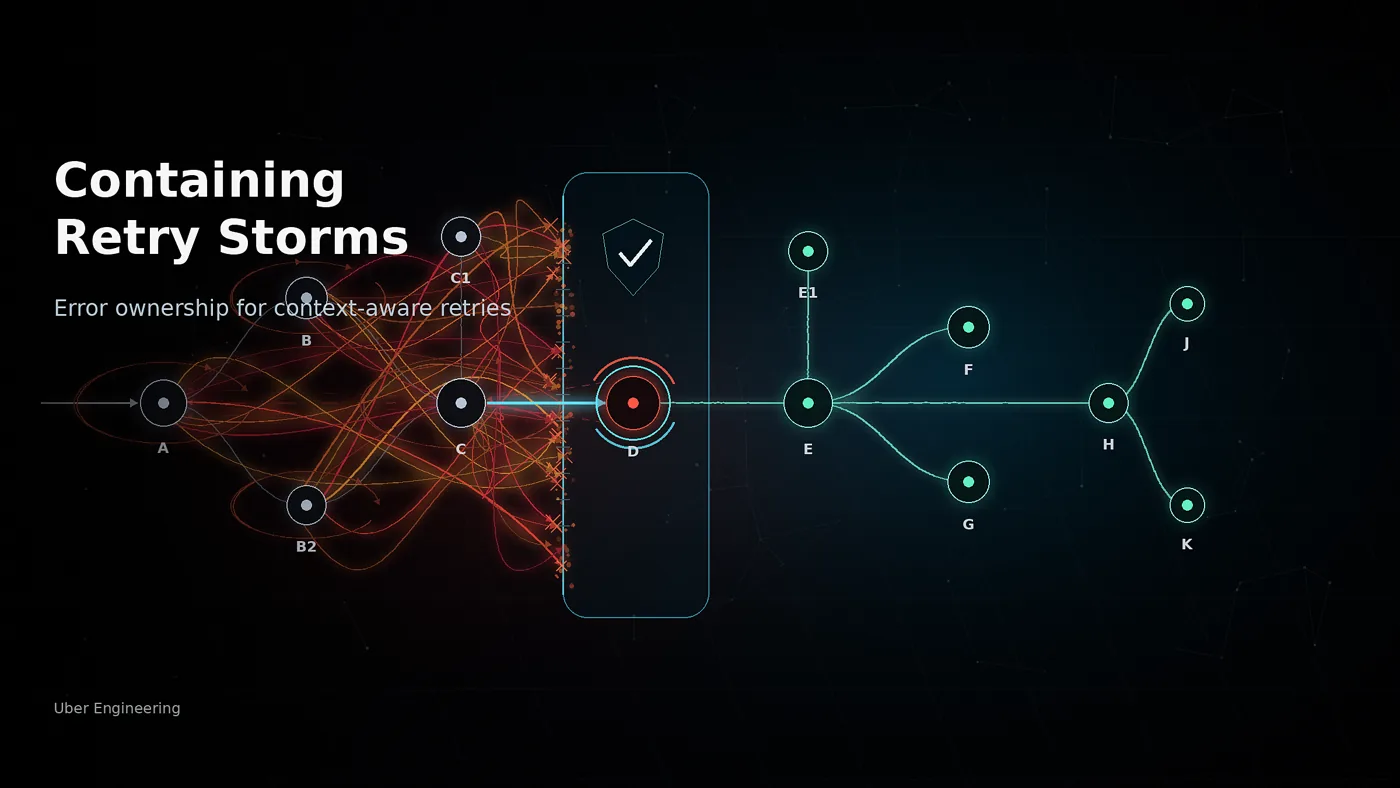
 uber.com11h ago
 AI13h ago
 Interesting EngineeringInfrared sensors link two 1,500-mph F-16 fighter jets for faster battle targeting

We're post-tokenmaxxing. What are we pre-? How do we get there?
 blog.detail.dev·Hacker News: Front Page·15h ago·11 min read
Your own search engine. Contribute to asciimoo/hister development by creating an account on GitHub.
 github.com·Hacker News: Front Page·16h ago·4 min read

 vinix-os.org17h ago
 minimallysufficient.com17h ago
 Shared by @newsen.bsky.social ↗
 third-news.com18h ago
 Shared by @frontenddogma.com ↗
 craigabbott.co.uk18h ago
 news.ycombinator.com22h ago
 Shared by @nakomis.com ↗
 nakomis.substack.com23h ago
 servo.org1d ago
 github.com1d ago
 Shared by @hackernoon.com ↗
 pyshine.com

 DefenseMirror
 defence-industry.eu
 Sidebar
 GitHub
 simonwillison.net
 Army Recognition
 linuxcompatible.org
 Hugging Face