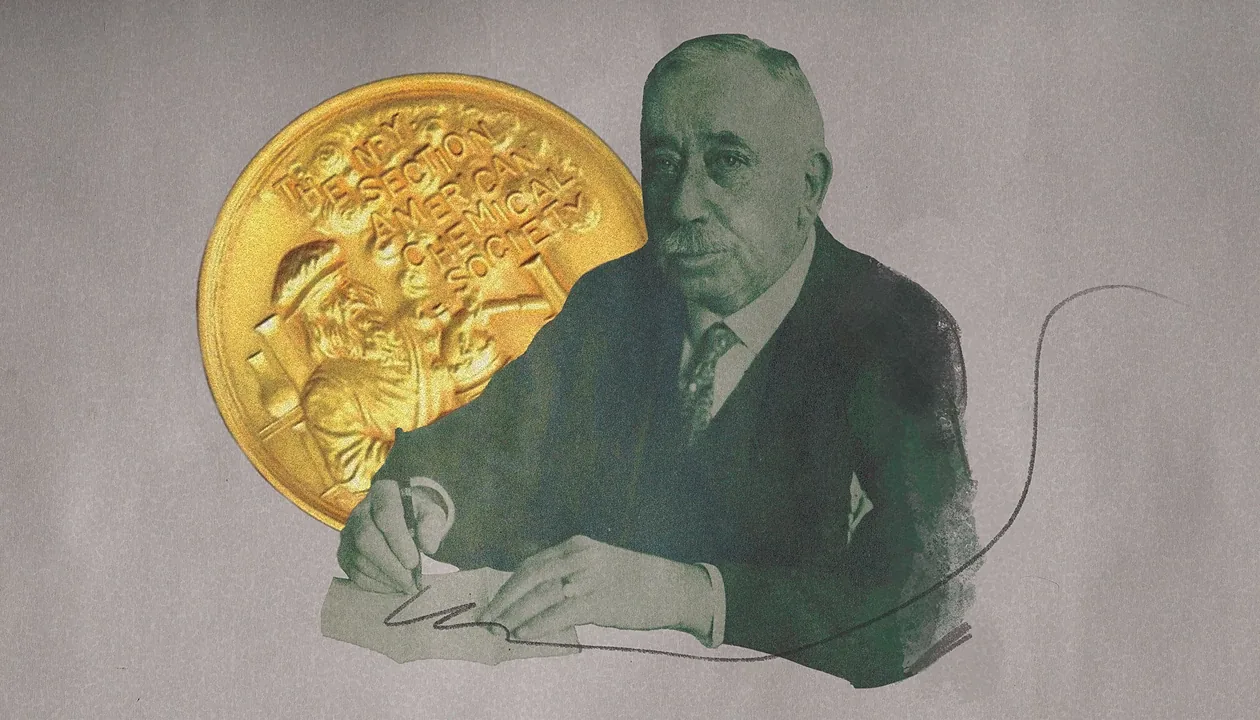
Stanford gets caught using AI to make its students more ‘diverse’›via thedailybs.com
More on this topic3 sources · 3 articles

 Shared by @bigearthdata.ai ↗
 weforum.org2h ago
 Dezeen4h ago
 Shared by @citizenptnewsus.bsky.social ↗
 Shared by @citizenptnewsus.bsky.social ↗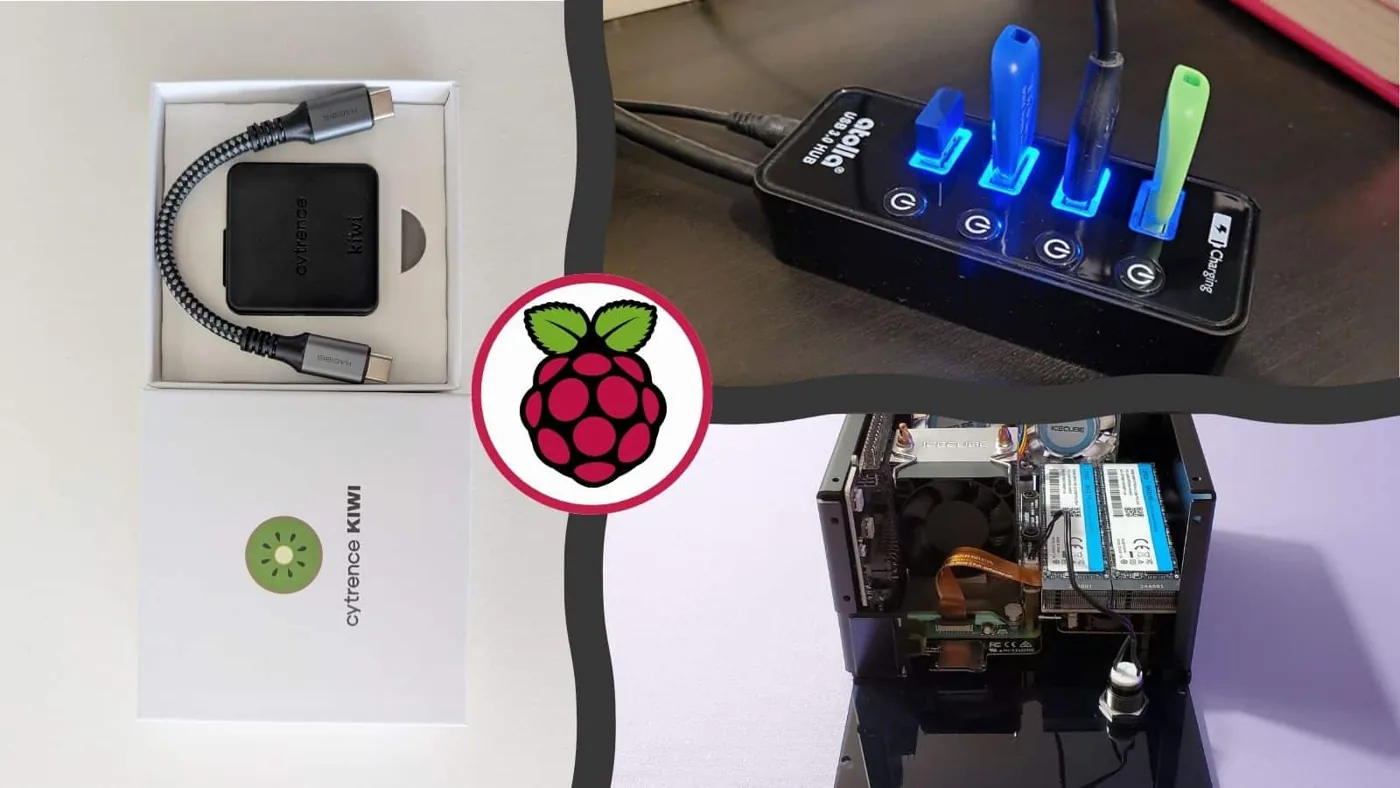
 Shared by @raspberrytips.com ↗
 raspberrytips.com6h ago


 listenupyall.comJudge strikes down a Trump policy barring some immigrants from Head Start preschools
 NFLJudge strikes down Trump policy barring some immigrants from Head Start preschools
 The Mercury NewsJudge strikes down a Trump policy barring some immigrants from Head Start preschools
 Sun SentinelJudge strikes down a Trump policy barring some immigrants from Head Start preschools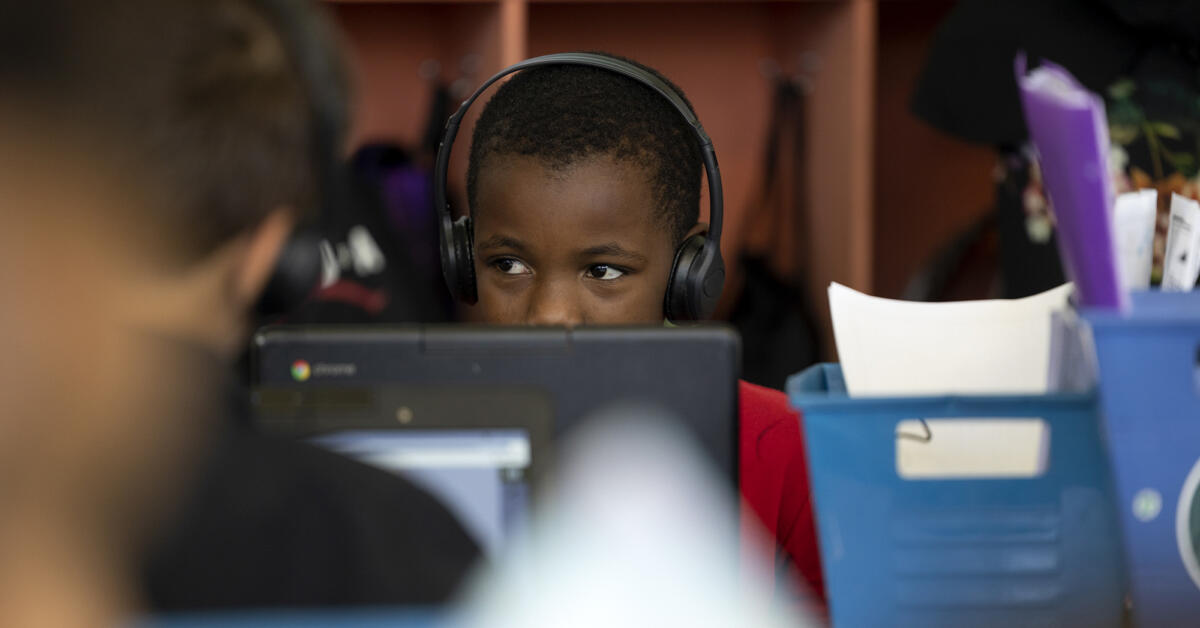
A legislative battle is under way over gaps that allow companies to collect and sell students’ personal information.
 themarkup.org·@themarkup.org·6h ago·10 min read
The former employee attributes her firing to sharing video of a staff member grabbing a Black student from behind and shoving him repeatedly into the metal roll-down door of a concession stand.
 chicagotribune.com·@chicagotribune.com·7h ago·3 min read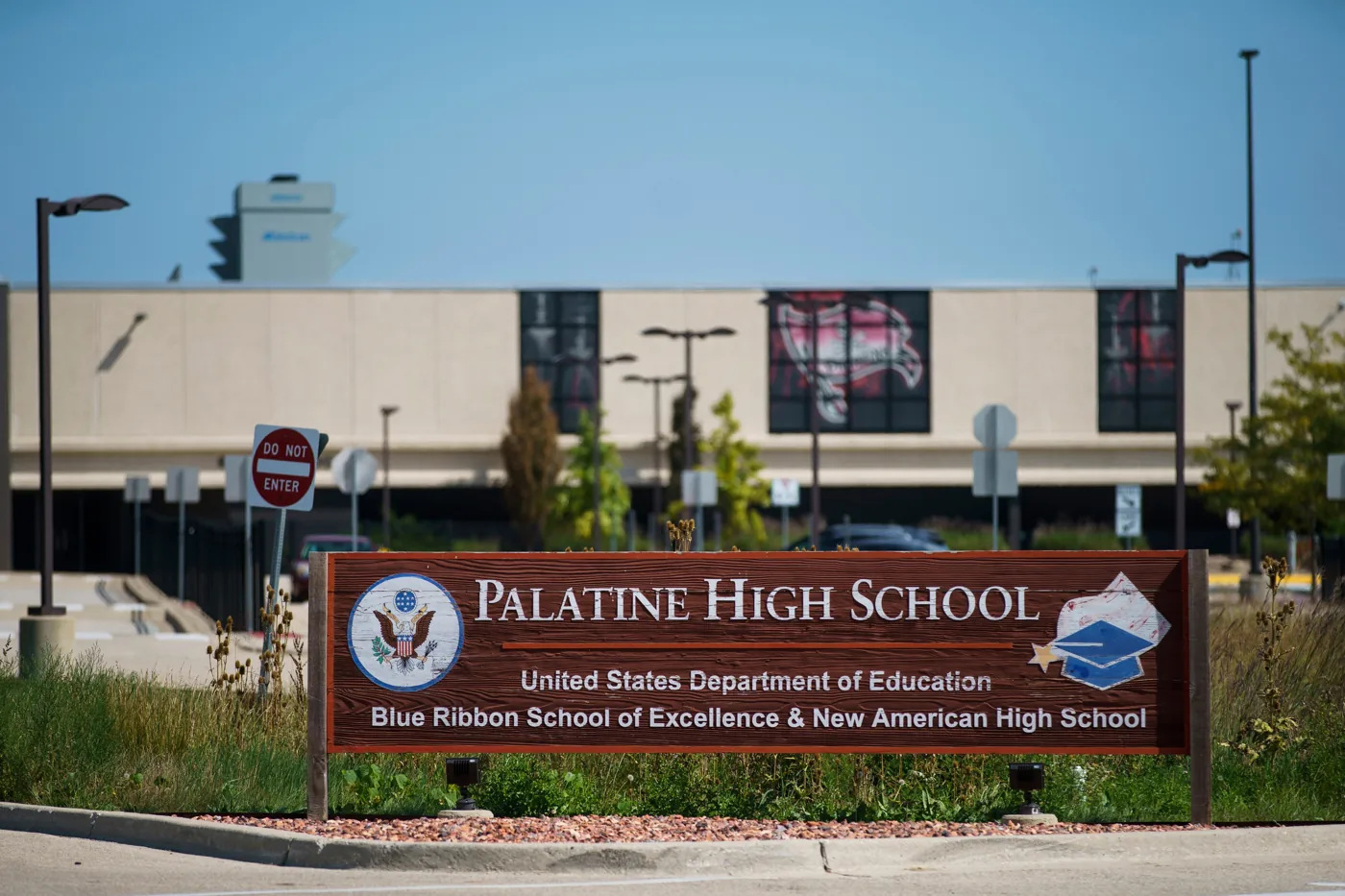

 ICIROndo Govt, varsity unions reach agreement over wage dispute

 Shared by @ferl67.bsky.social ↗
 cbc.ca12h ago
 Shared by @drbjcarr.bsky.social ↗
 nature.com15h ago
 Shared by @dewdydoes.bsky.social ↗
 docs.google.com16h ago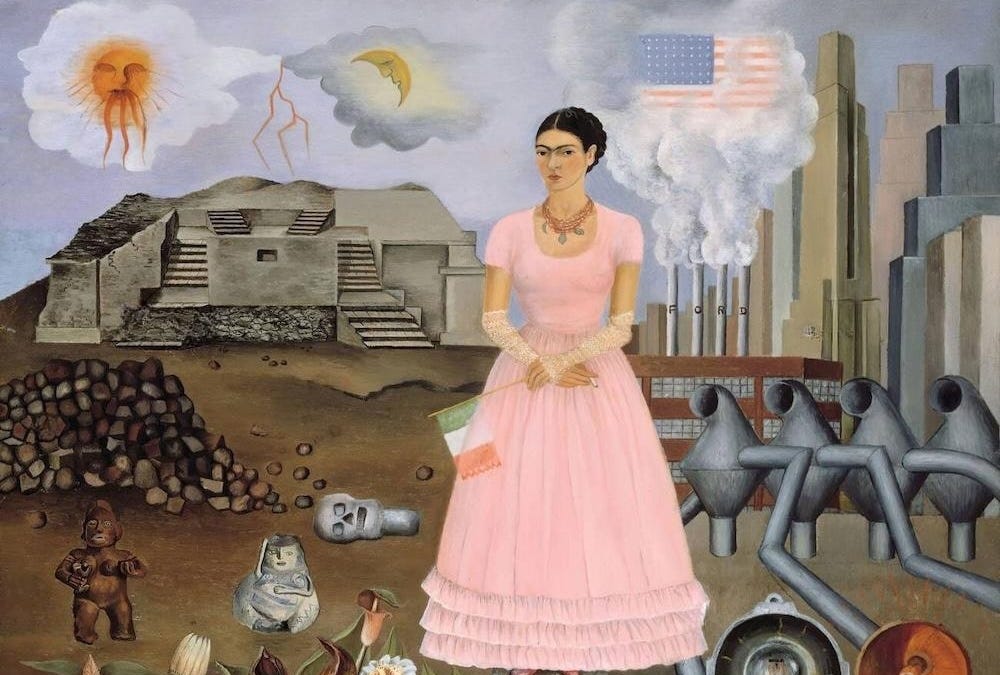
 Shared by @roguearthistorian.bsky.social ↗
 roguearthistorian.substack.com16h ago
 Shared by @patriciadudek.bsky.social ↗
 thedartmouth.com16h ago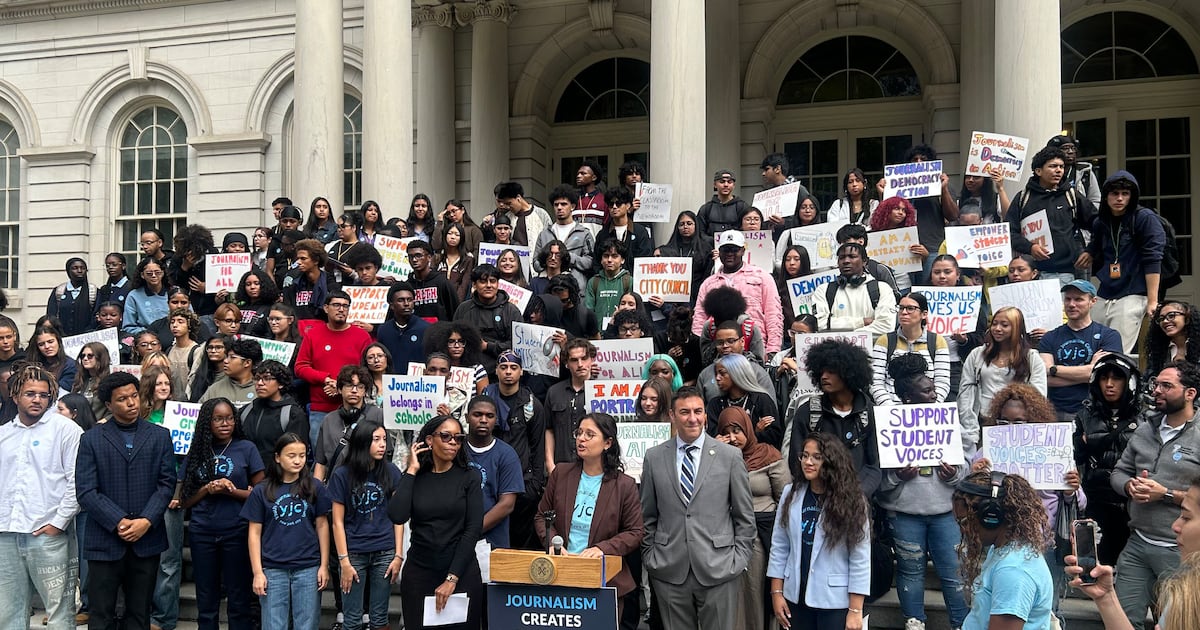
 Shared by @chalkbeat.org ↗
 chalkbeat.org17h ago
 Shared by @businessinsider.com ↗
 businessinsider.com17h ago

 KTVU FOX 2
 thedailybs.com
 Twitchy
 Broomfield Enterprise
 FOX31 Denver
 The Denver Post

 terrytao.wordpress.com
 The Verge
 The Guardian
 simonwillison.net
 Premium Times Nigeria
 allafrica.com


 Hugging Face