Baker's Take
Human Neuron Implants Boost Memory in Genetically Altered Mice, Stanford Team Finds
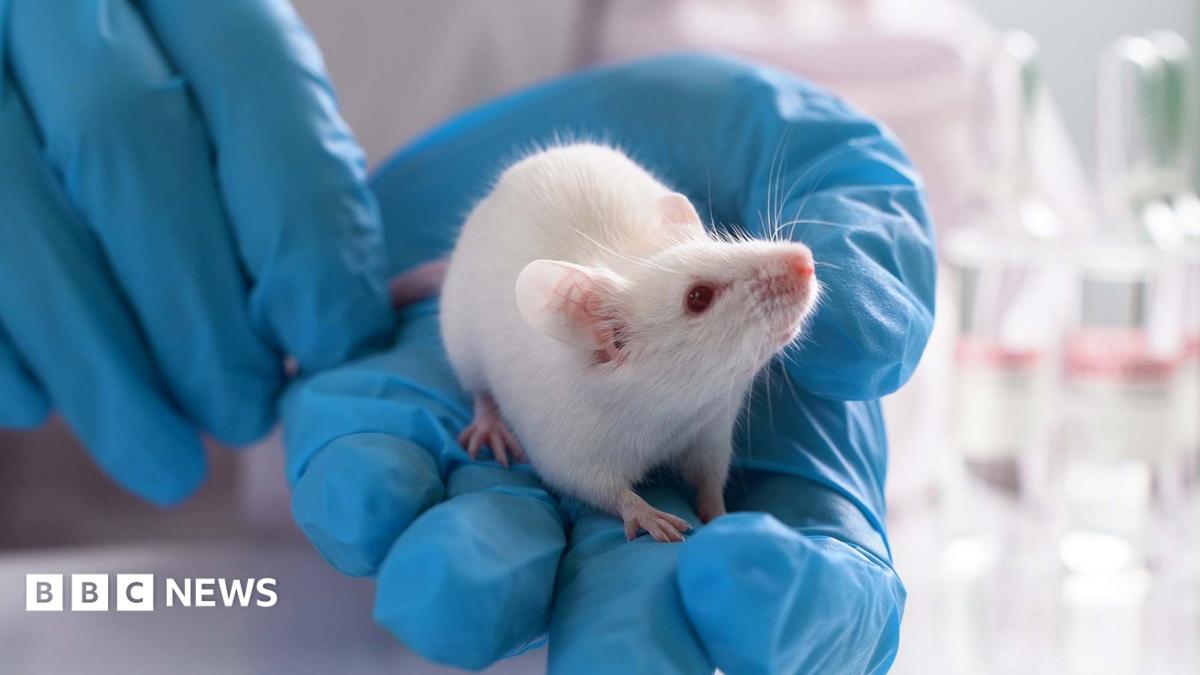
Researchers at Stanford University have taken a significant step in brain research by engineering mice to grow with human brain cells in place of their own cerebral cortex. The genetically modified rodents lack most of their cortex and hippocampus, creating room for implanted human neural tissue to develop and connect with the rodent nervous system, according to BBC News. Neuroscientist Sergiu Pașca, who leads the work, has pushed previous studies of implanting human neurons in rodents to a new level, BBC reported. The most striking result, covered by Positron Today, is that these mice with human brain cells actually outperformed mice with missing brain tissue alone on memory tests, suggesting the human cells were genuinely contributing to cognitive function. "The really fascinating part? These mice with human brain cells actually performed better on memory tests than mice with missing brain tissue alone, suggesting the human cells were genuinely contributing to their cognition." That functional boost points toward the broader goal: creating better models for testing treatments for psychiatric and neurodevelopmental diseases that are unique to humans, as Hacker News noted. Pașca and his team are now exploring how this "xenocortical mouse" could help us understand brain injuries and test potential therapies, Positron Today reported. Still, the advance does not come without questions. Hacker News highlighted ethical concerns regarding the alteration of animal cognition and sensation, a point that lingers over any research blurring the line between species. QuantoSei framed the integration of human brain organoids into mice as a significant leap in modeling complex human neurological processes, though the full implications, both scientific and moral, remain under scrutiny.


 4 sources•17 SepRead the Baker's Take→



























 newswire.lkNew wild cat species identified for first time in 100 years, researchers say
 MeridiaBolivia's tilcayo tiger cat becomes first new wildcat species in 100 years
 news9live.comNew cat species emerges from Bolivia’s cloud forests
 Manila Times


 Space Daily
 Bull Source
 RT
RT Tempo
Tempo










 The Guardian
 The Verge
 simonwillison.net

 Asianet Newsable
 STAT
STAT Radiological Society of North America




 KRDO
KRDO dailyclimate.org
 english.ratopati.com
 GreenTV



 Colossal
 Phys
Phys