
























JWST observations of Boötes I dwarf galaxy probe early universe star formation and the stellar Initial Mass Function
By
Drew Lapeer
Summary
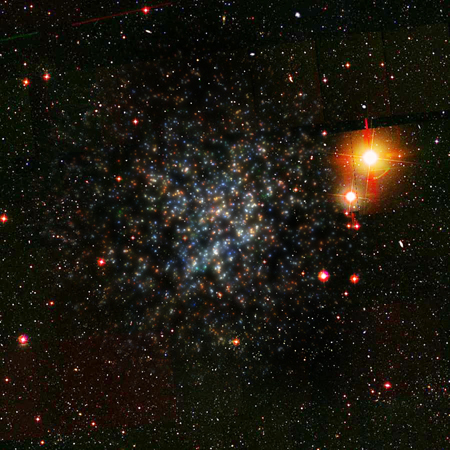
This research article presents direct measurements of the stellar Initial Mass Function (IMF) in the early universe using JWST/NIRCam observations of Boötes I, an ultra-faint dwarf (UFD) galaxy that serves as a local relic of early galaxy formation. The study, led by Keyi Ding and a large team of astronomers, aims to determine whether the IMF was universal or varied in the early universe. By analyzing the resolved stellar populations in Boötes I, the authors hunt for evidence that could reveal how stars formed shortly after the Big Bang, providing crucial insights into galaxy formation and evolution.
Source
 bskyJWST observations of Boötes I dwarf galaxy probe early universe star formation and the stellar Initial Mass Functionastrobites.org
Key quotes
· 3 pulledToday's authors hunt for evidence of a universal IMF using JWST observations of local relic galaxy Boötes I!
Probing the IMF in the Early Universe – Direct measurements in the Boötes I UFD with JWST/NIRCam
This research presents direct measurements of the stellar Initial Mass Function (IMF) in the early universe using JWST/NIRCam observations of Boötes I
You might also wanna read

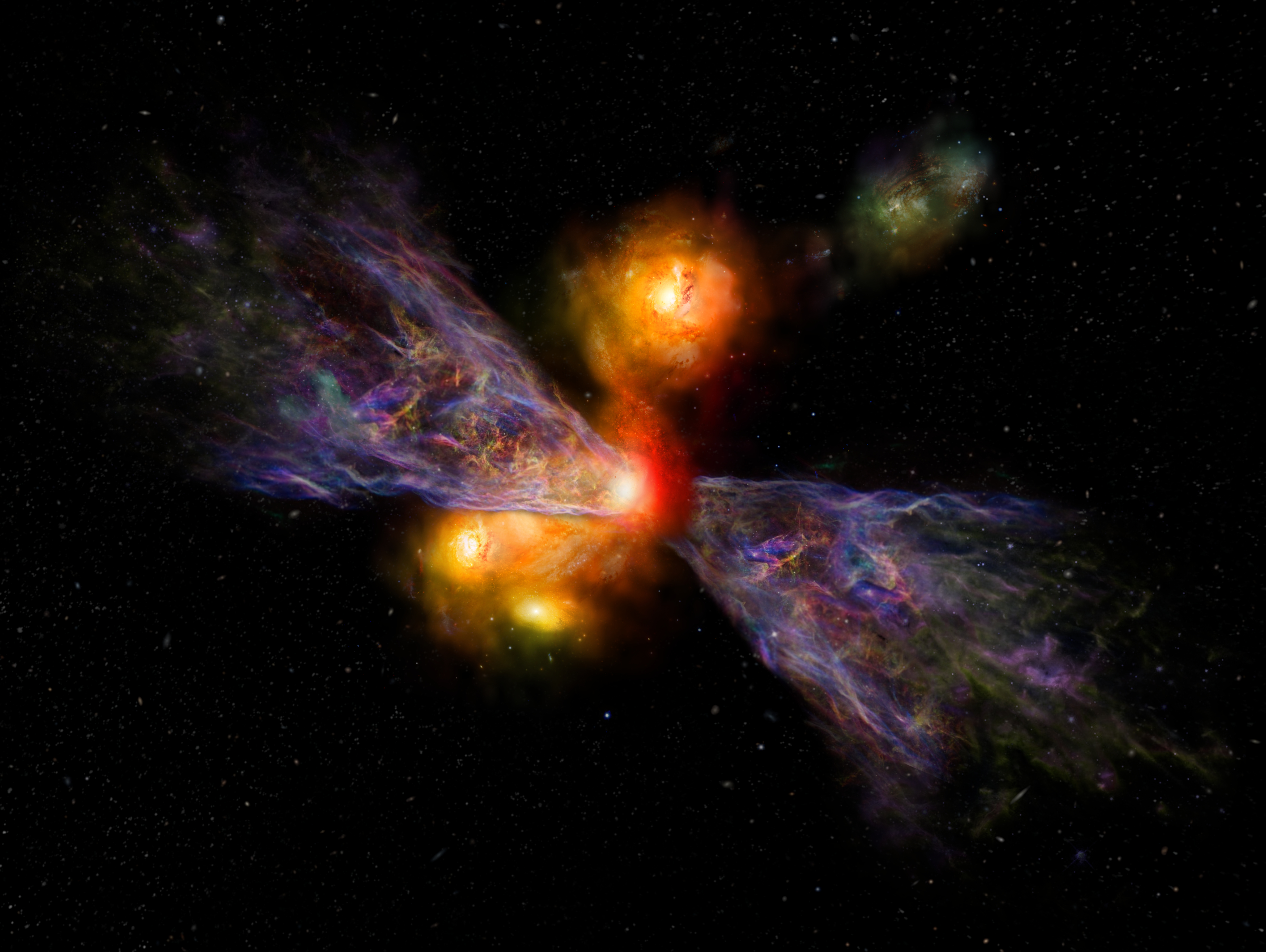
Astronomers discover galaxy-killing wind that explains early universe's dead galaxies
Astronomers using the James Webb Space Telescope have discovered a 'galaxy-killing wind' in the early universe, powered by cosmic collisions
 ras.ac.uk·22d ago
Astrophysicists Grapple with Unexpected JWST Discoveries of Early Galaxies and Black Holes
Astrophysicists are grappling with unexpected discoveries from the James Webb Space Telescope (JWST), particularly "little red dots" — myste
 quantamagazine.org·1d ago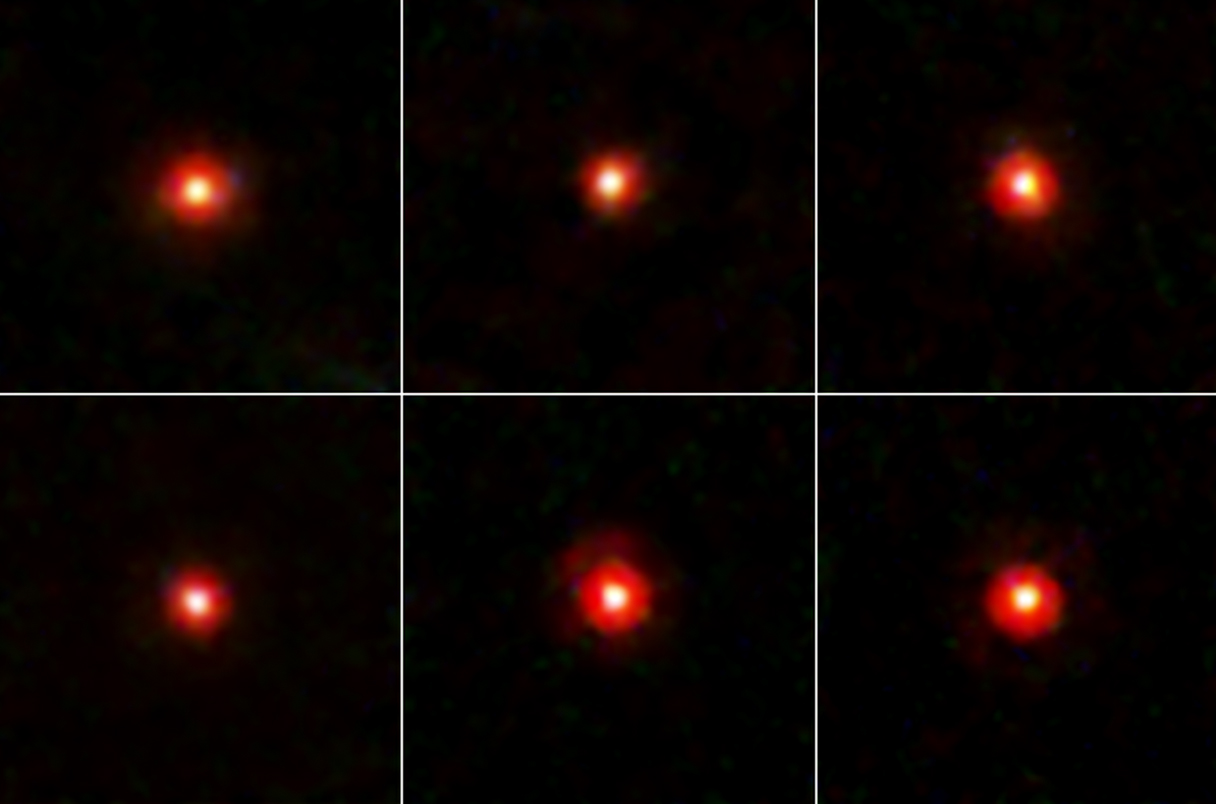
JWST Discovers Mysterious 'Little Red Dots' in Early Universe, Possibly New Celestial Objects
NASA's JWST telescope has discovered hundreds of 'little red dots' in the early universe, which may represent a new type of celestial object
 science.org·11mo ago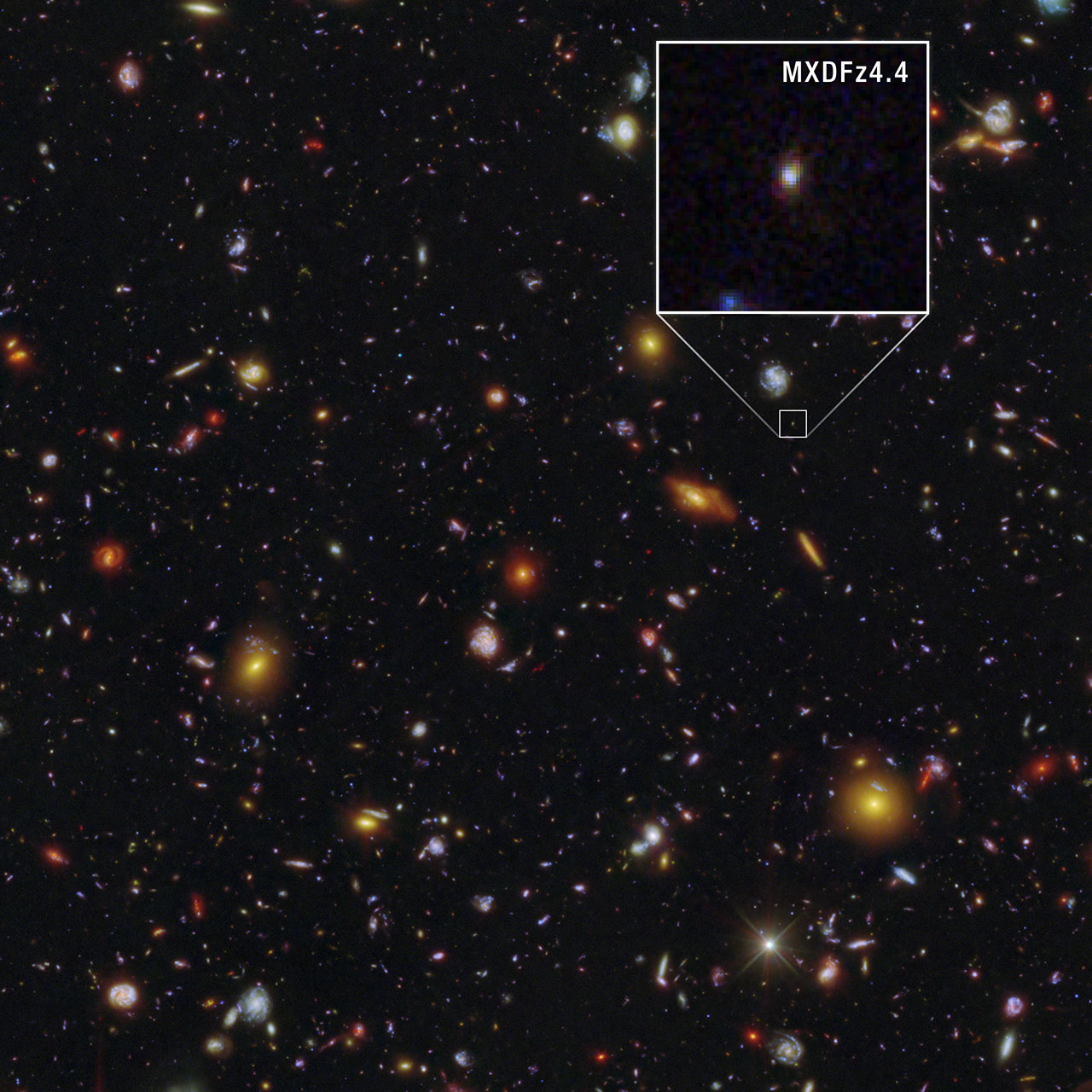
Hubble Detects Ultraviolet Light from Early Galaxy, Shedding Light on Cosmic Reionization
Astronomers using NASA's Hubble Space Telescope have detected unexpected ultraviolet light from a galaxy that existed just 1.4 billion years
 go.nasa.gov·10d ago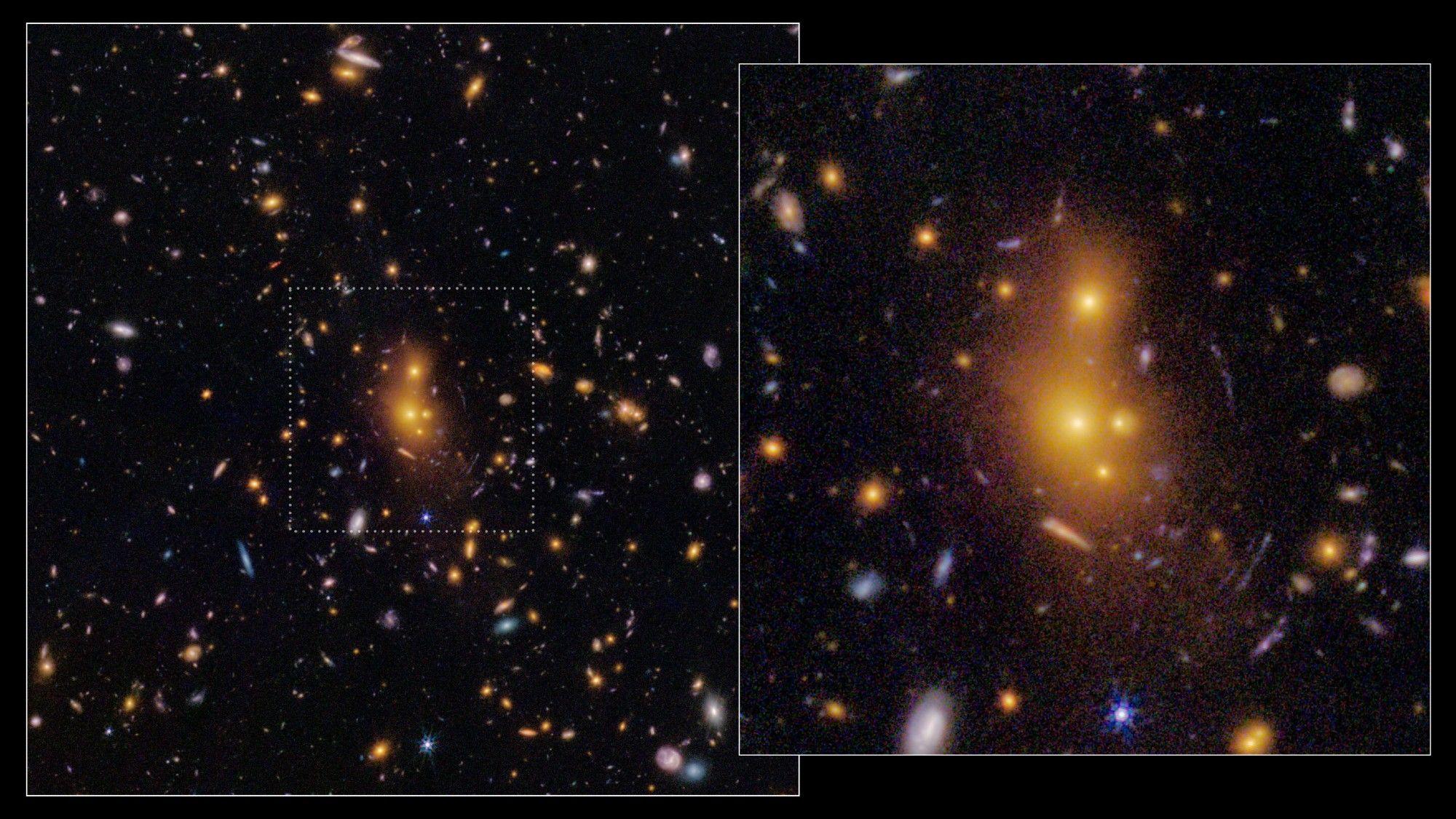
JWST discovers highly evolved galaxy cluster at cosmic noon, challenging theories of early universe structure formation
Astronomers using the James Webb Space Telescope have observed XLSSC 122, a massive and densely packed galaxy cluster at 'cosmic noon' — a p
 space.com·4d ago
JWST discovers highly evolved galaxy cluster at cosmic noon, challenging theories of early universe structure formation
Astronomers using the James Webb Space Telescope have observed XLSSC 122, a massive and densely packed galaxy cluster at 'cosmic noon' — a p
space.com·4d ago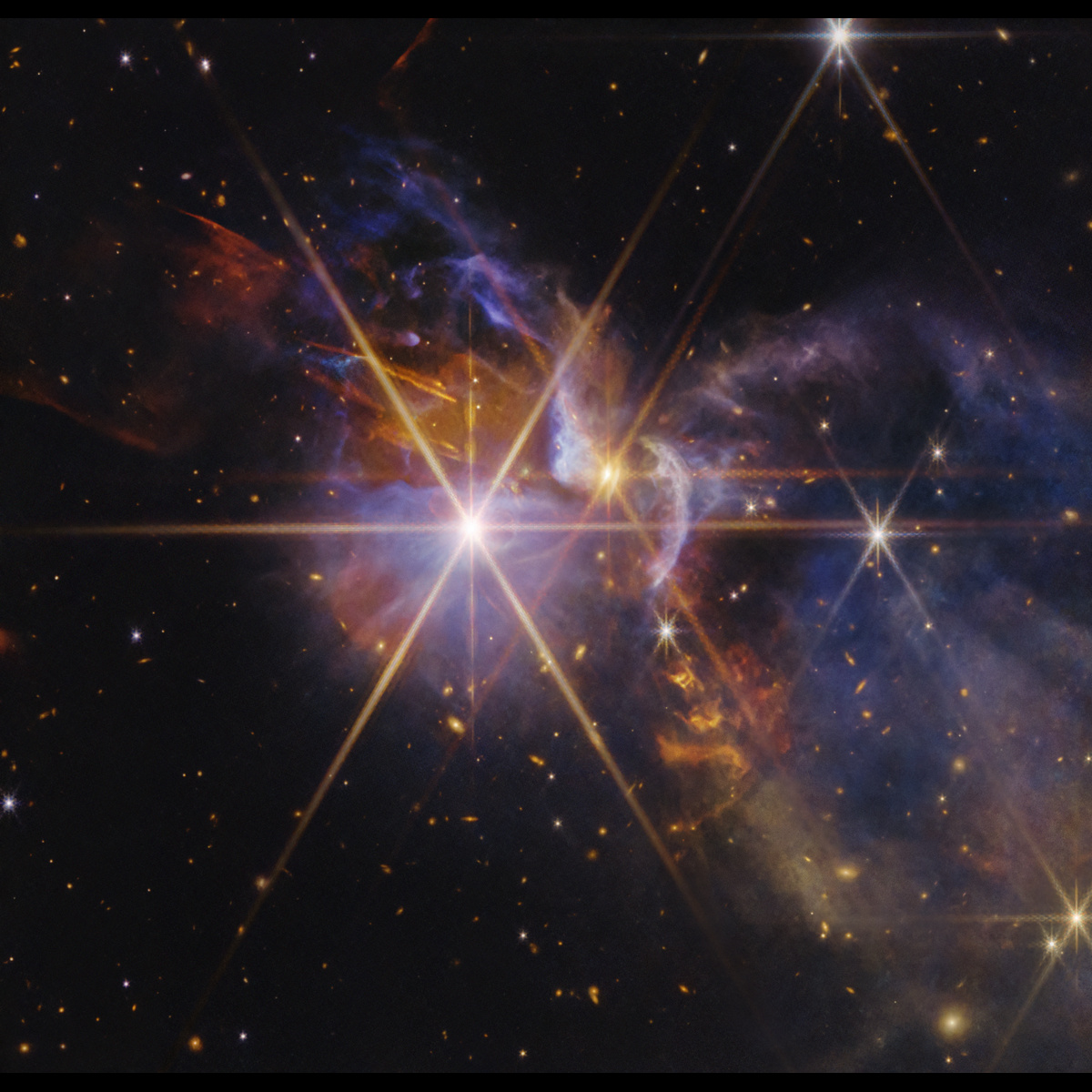
NASA's Webb Telescope Reveals Protostars Shaping Their Environment in the FS Tau System
NASA's James Webb Space Telescope has captured high-resolution images of the FS Tau young star system, located about 450 light-years away. T
 news.stsci.edu·1d ago
Comments
Sign in to join the conversation.
No comments yet. Be the first.