
























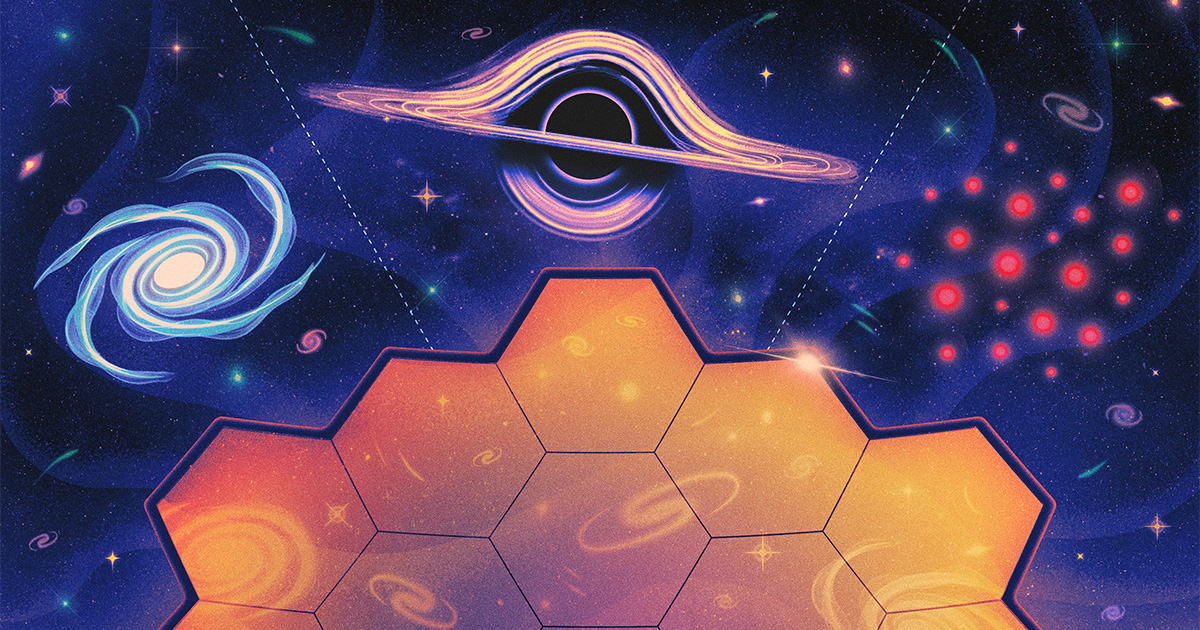
Astrophysicists Grapple with Unexpected JWST Discoveries of Early Galaxies and Black Holes
By
By Jay Bennett July 2, 2026
Summary
Astrophysicists are grappling with unexpected discoveries from the James Webb Space Telescope (JWST), particularly "little red dots" — mysterious objects appearing in large numbers that were never seen before the telescope launched in 2022. These observations of early black holes and galaxies that weren't predicted by existing models have prompted scientists to develop a wealth of new theories to explain them. The article explores how researchers like Charlotte Mason are trying to understand these cosmic puzzles, with the challenge now being to determine which of the competing explanations are correct.
Source
 Twitter / XAstrophysicists Grapple with Unexpected JWST Discoveries of Early Galaxies and Black Holesquantamagazine.org
Key quotes
· 2 pulledI am quite a visual person. I usually draw a lot of pictures trying to understand what's going on.
Little red dots were never seen before the telescope came online in 2022.
You might also wanna read

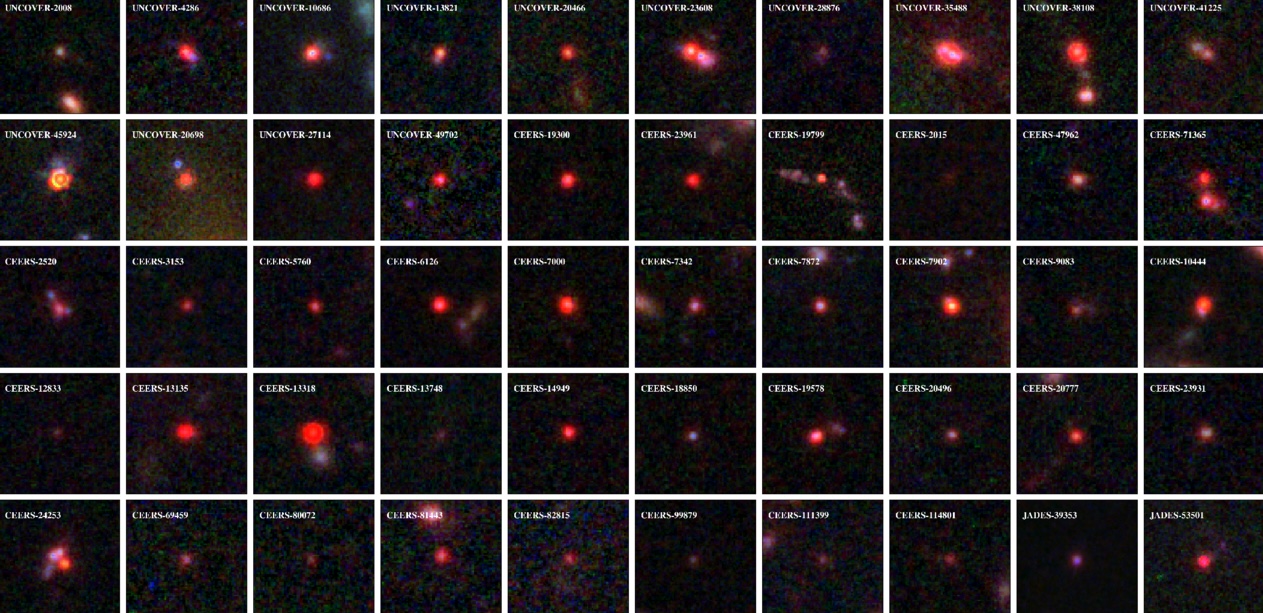
JWST's Little Red Dots: New Research Explores Whether They Are Young Globular Clusters or Objects with Blue Companions
JWST's discovery of compact reddish objects called "little red dots" has sparked scientific debate about their nature. This article examines
 aasnova.org·3d ago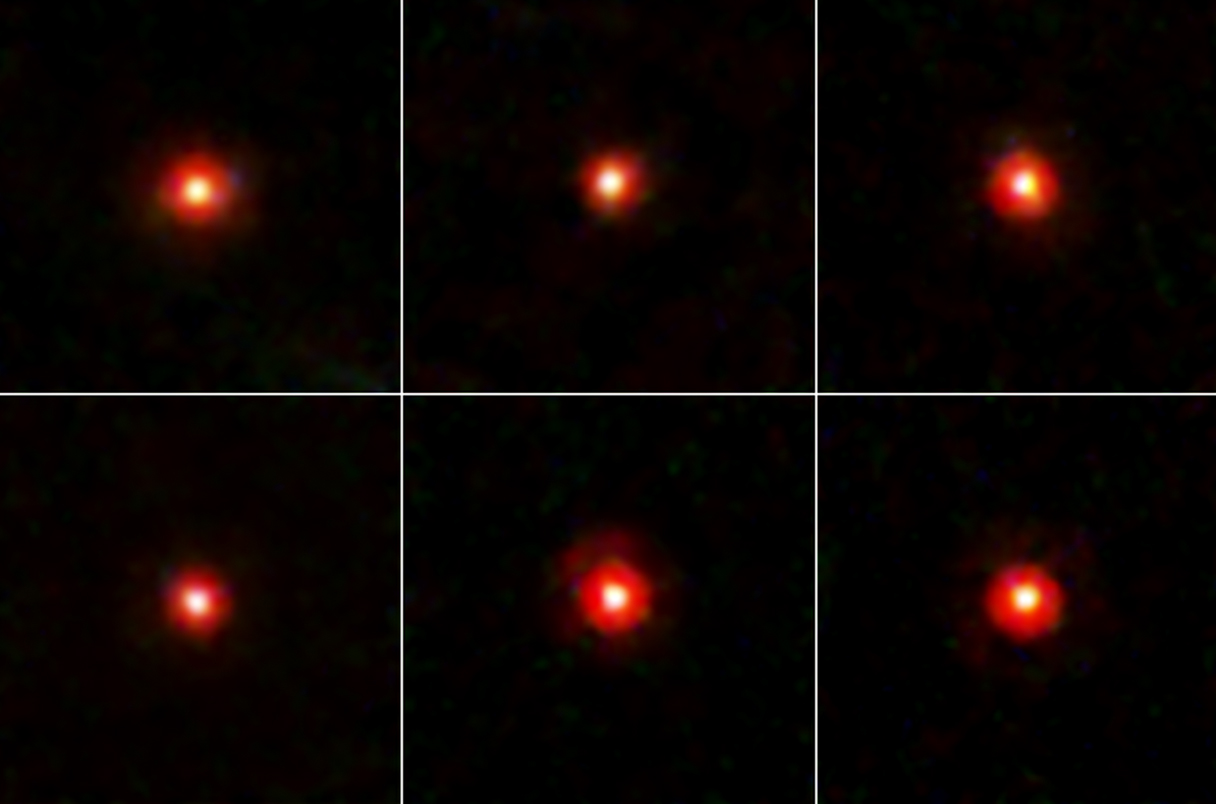
JWST Discovers Mysterious 'Little Red Dots' in Early Universe, Possibly New Celestial Objects
NASA's JWST telescope has discovered hundreds of 'little red dots' in the early universe, which may represent a new type of celestial object
 science.org·11mo ago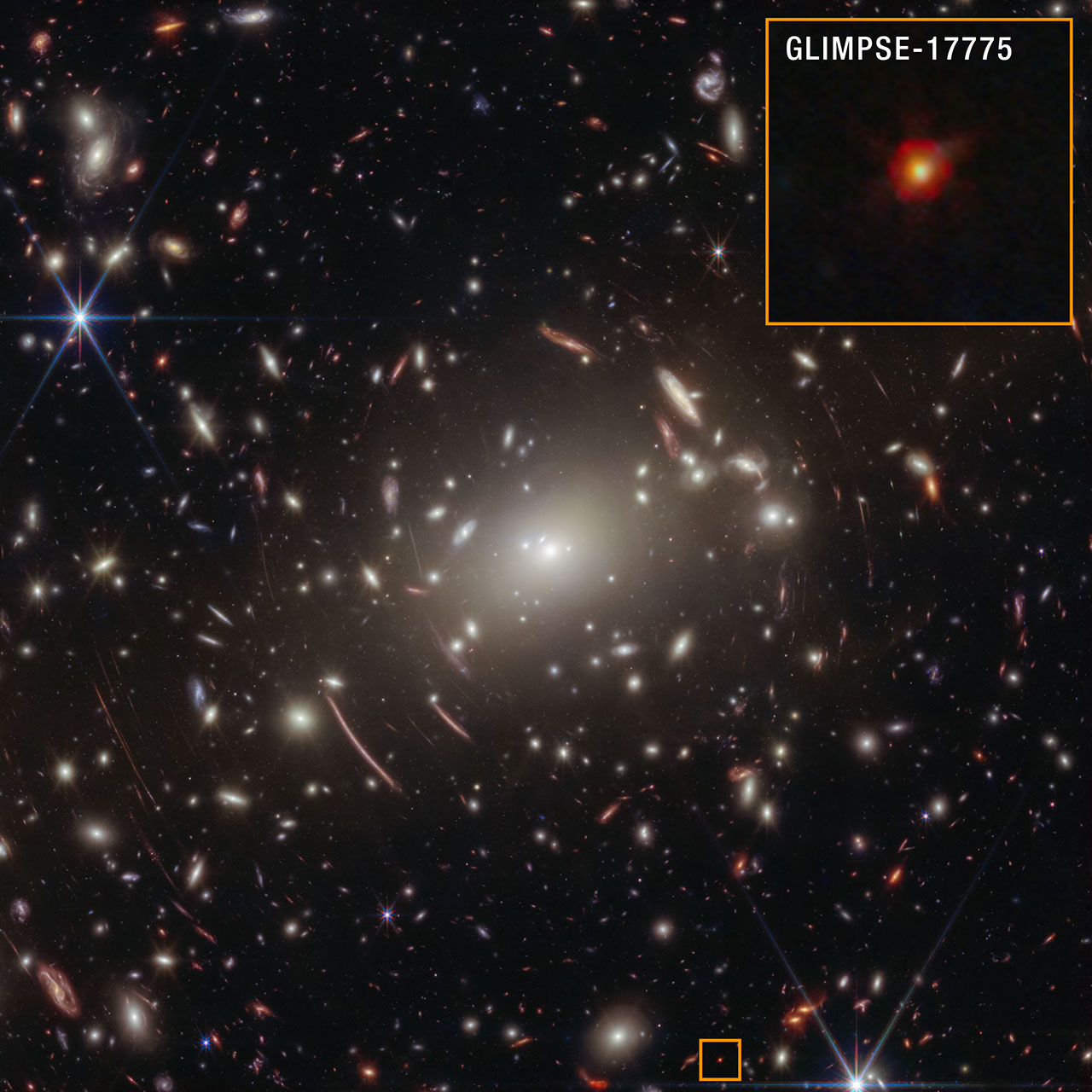
NASA's Webb Telescope Provides Strongest Evidence Yet for 'Black Hole Stars' in Early Universe
Astronomers using NASA's James Webb Space Telescope have identified a "little red dot" galaxy called GLIMPSE-17775, whose spectrum provides
 science.nasa.gov·23d ago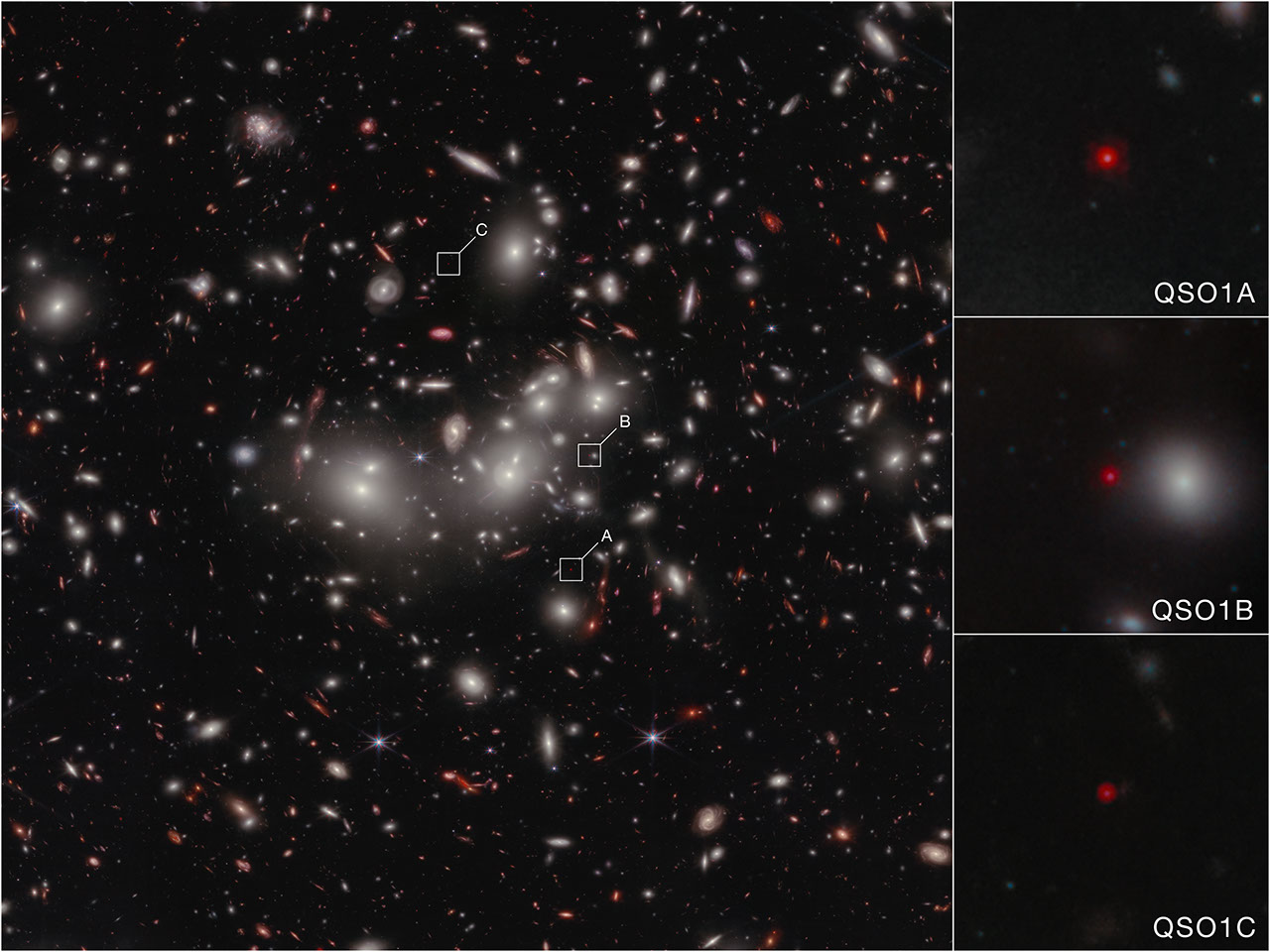
NASA's Webb Telescope Detects Black Hole That Formed Before Its Host Galaxy, Challenging Cosmic Evolution Theories
Researchers using NASA's James Webb Space Telescope have detected a massive black hole in the early universe that appears to have formed bef
science.nasa.gov·1mo ago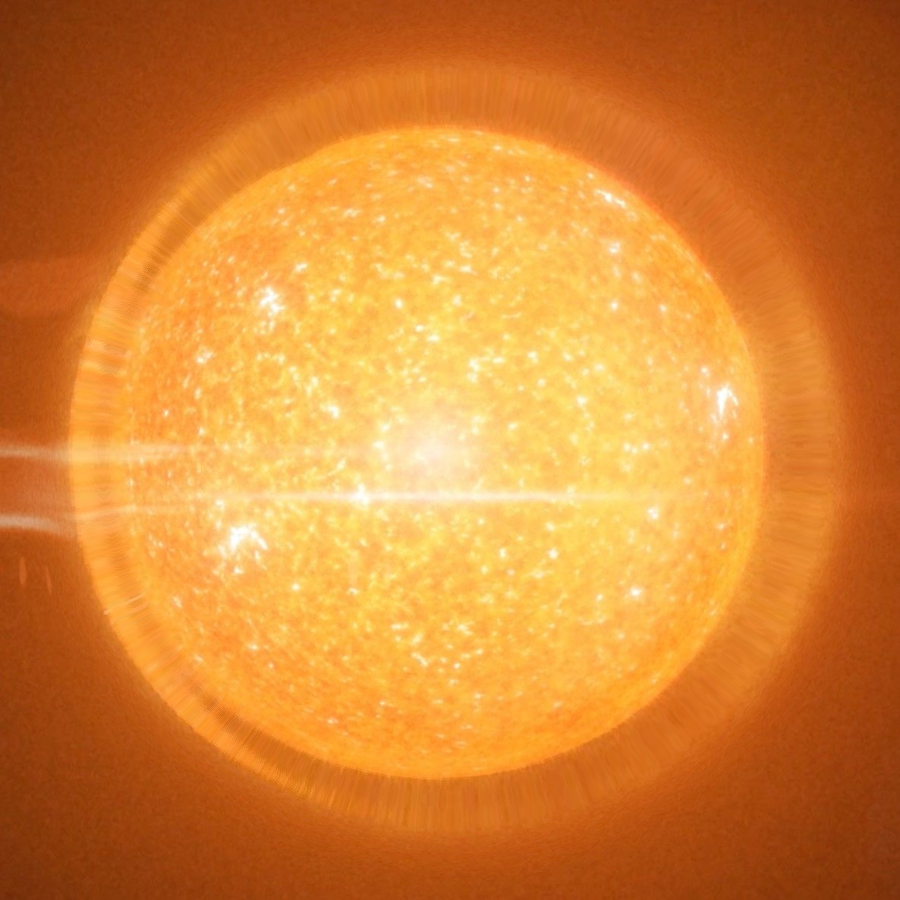
JWST observes normal AGB stars at Cosmic Noon through 5000x gravitational lensing
This article discusses a scientific study where researchers used the James Webb Space Telescope (JWST) to observe a galaxy magnified 5000 ti
 astrobites.org·1mo ago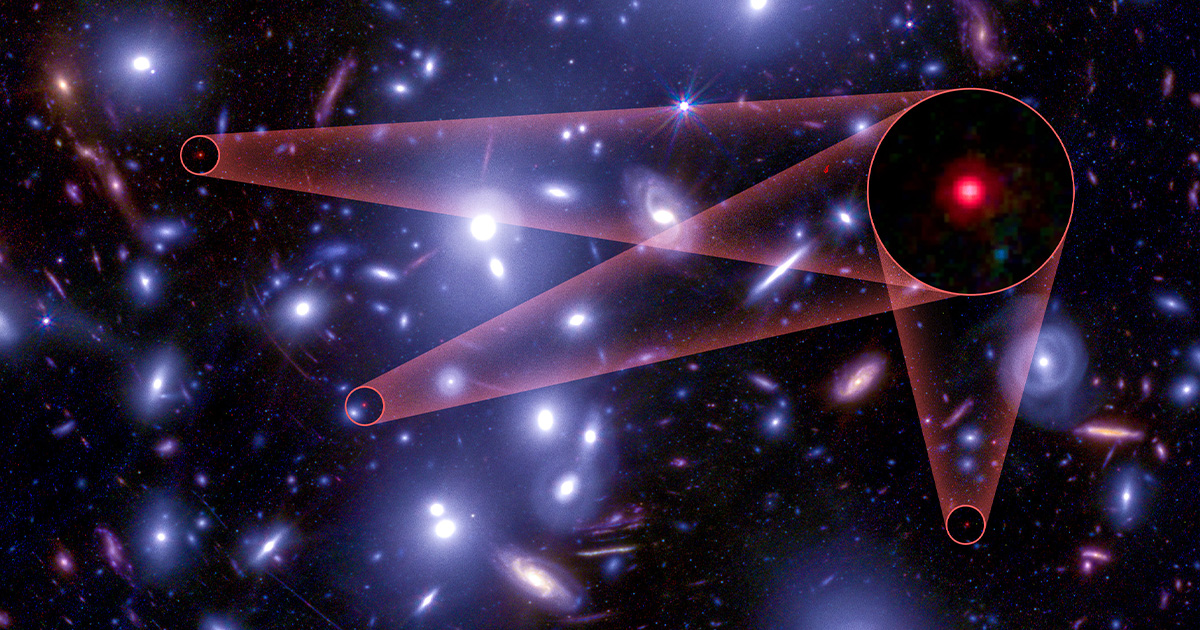
James Webb Telescope Discovers Massive Isolated Black Hole in Early Universe
The James Webb Space Telescope has discovered an enormous 'naked' black hole in the early universe that weighs 50 million solar masses and a
quantamagazine.org·9mo ago
Comments
Sign in to join the conversation.
No comments yet. Be the first.