
























NASA's Webb Telescope Provides Strongest Evidence Yet for 'Black Hole Stars' in Early Universe
By
Marty McCoy
Summary
Astronomers using NASA's James Webb Space Telescope have identified a "little red dot" galaxy called GLIMPSE-17775, whose spectrum provides the strongest evidence yet for the existence of "black hole stars" — early universe objects that may be powered by supermassive black holes. The team led by Vasily Kokorev at UT Austin analyzed Webb's deepest spectrum of a little red dot, finding multiple lines of evidence supporting this interpretation. These little red dots, first discovered by Webb in 2022, are puzzling early-universe objects that could help bridge our understanding of how supermassive black holes and galaxies formed in the early cosmos.
Source
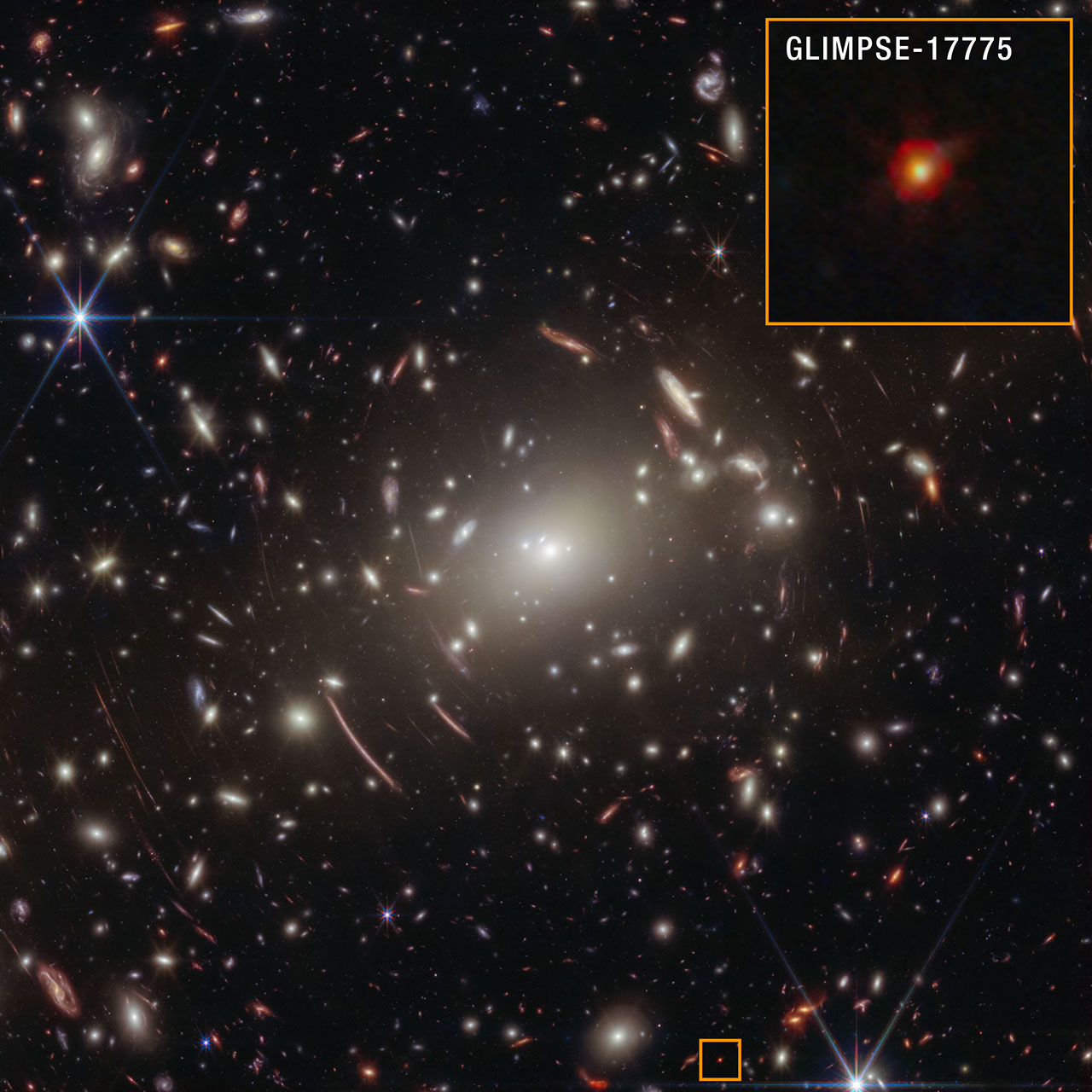
 bskyNASA's Webb Telescope Provides Strongest Evidence Yet for 'Black Hole Stars' in Early Universescience.nasa.gov
Key quotes
· 3 pulledThe complex puzzle known as little red dots has become more complete since their initial discovery by NASA's James Webb Space Telescope in 2022.
By carefully analyzing the dot's spectrum captured by Webb — the deepest spectrum to date of a little red dot — the research team has identified multiple lines of evidence, all of which support the interpretation that GLIMPSE-17775
Now a particular little red dot's spectrum is helping connect many of the pieces.
You might also wanna read

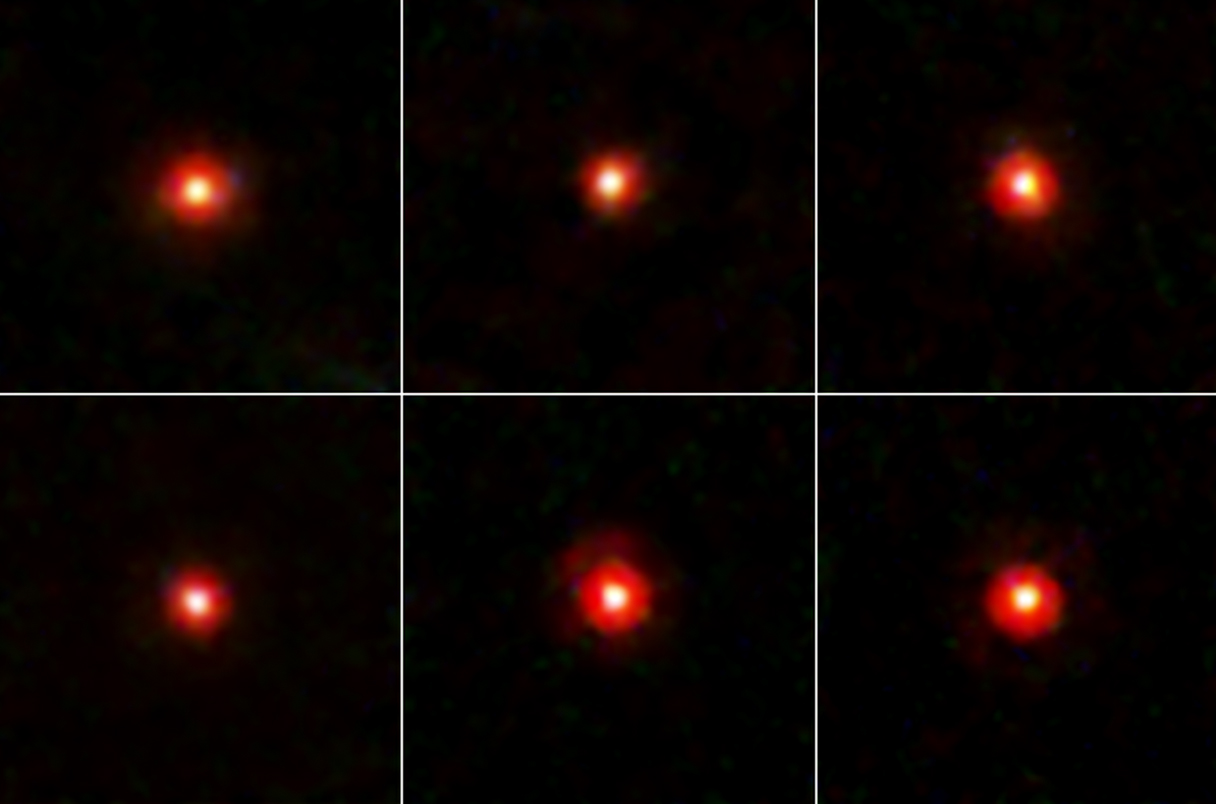
JWST Discovers Mysterious 'Little Red Dots' in Early Universe, Possibly New Celestial Objects
NASA's JWST telescope has discovered hundreds of 'little red dots' in the early universe, which may represent a new type of celestial object
 science.org·11mo ago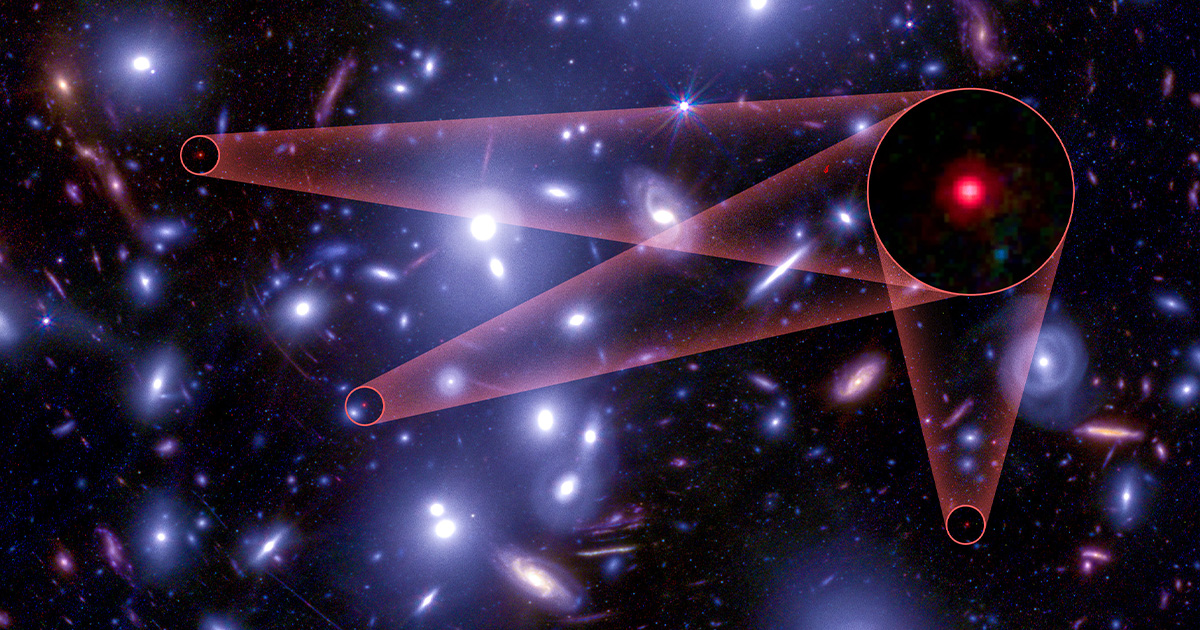
James Webb Telescope Discovers Massive Isolated Black Hole in Early Universe
The James Webb Space Telescope has discovered an enormous 'naked' black hole in the early universe that weighs 50 million solar masses and a
 quantamagazine.org·9mo ago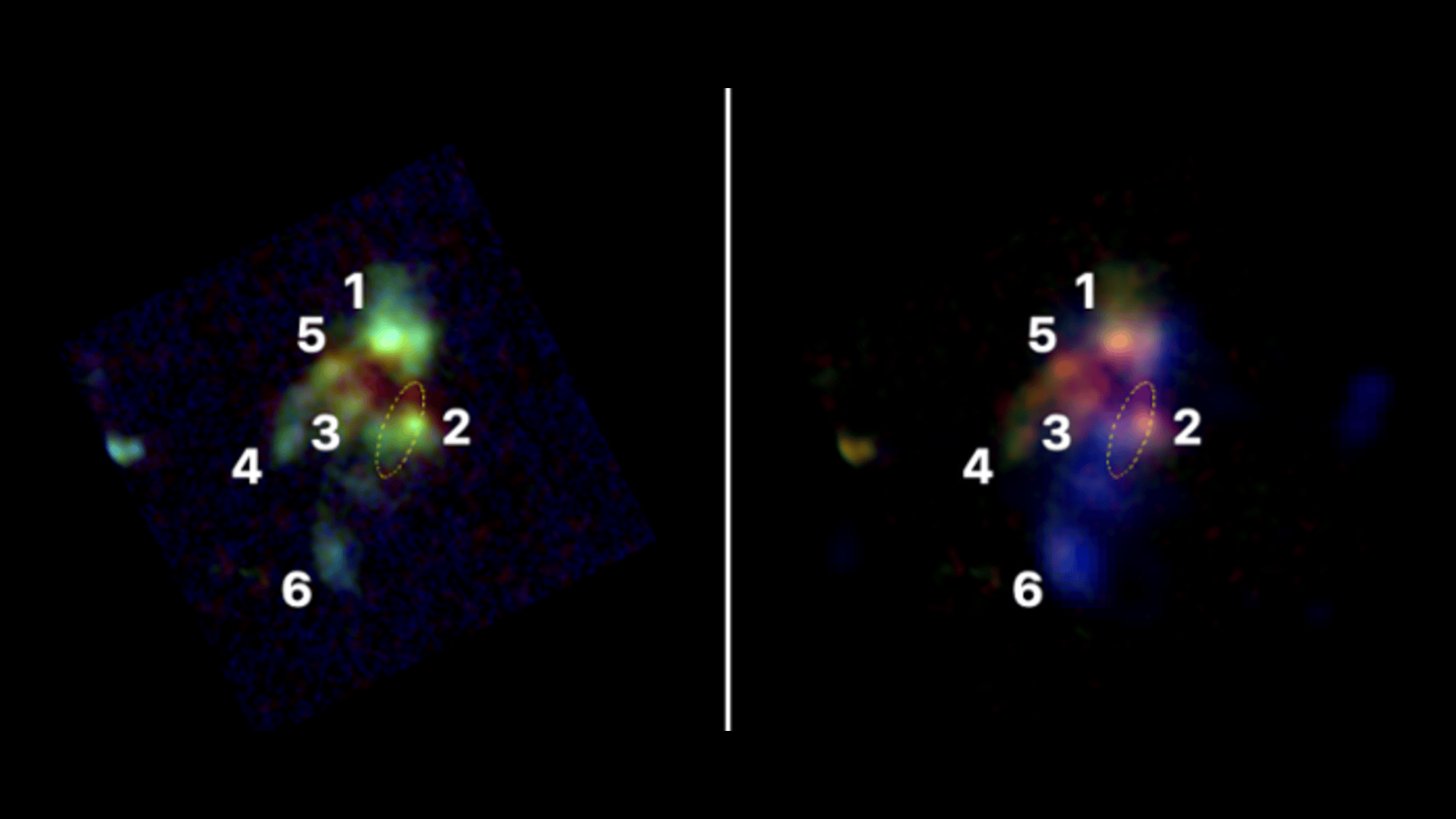
James Webb Space Telescope discovers six galaxies merging into a massive early-universe galaxy
The James Webb Space Telescope has discovered at least six galaxies merging in the early universe, a collision that is expected to fuel the
 space.com·12h ago
James Webb Space Telescope discovers six galaxies merging into a massive early-universe galaxy
The James Webb Space Telescope has discovered at least six galaxies merging in the early universe, a collision that is expected to fuel the
space.com·12h ago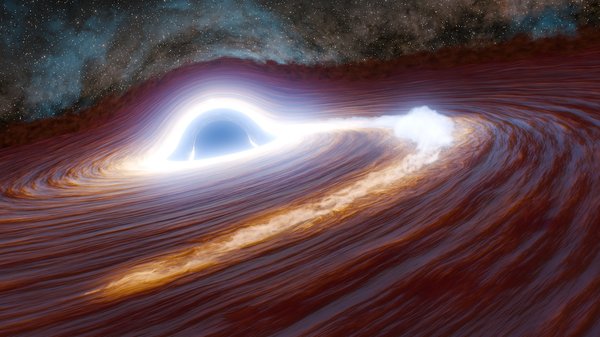
Astronomers Discover Most Distant and Powerful Black Hole Flare from Star Destruction
Astronomers have discovered the most powerful and distant flare of energy ever recorded from a supermassive black hole, likely caused by a m
 caltech.edu·7mo ago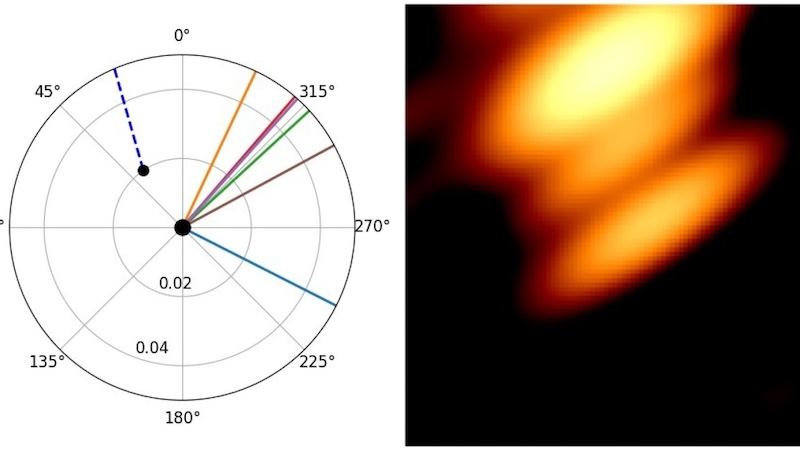
First Image Captured of Two Black Holes Orbiting Each Other in Distant Quasar
Scientists have captured the first confirmed image of two black holes orbiting each other in quasar OJ287, located five billion light-years
 helsinkitimes.fi·8mo ago
Comments
Sign in to join the conversation.
No comments yet. Be the first.