
























Hubble Detects Ultraviolet Light from Early Galaxy, Shedding Light on Cosmic Reionization
By
Andrea Gianopoulos
Summary
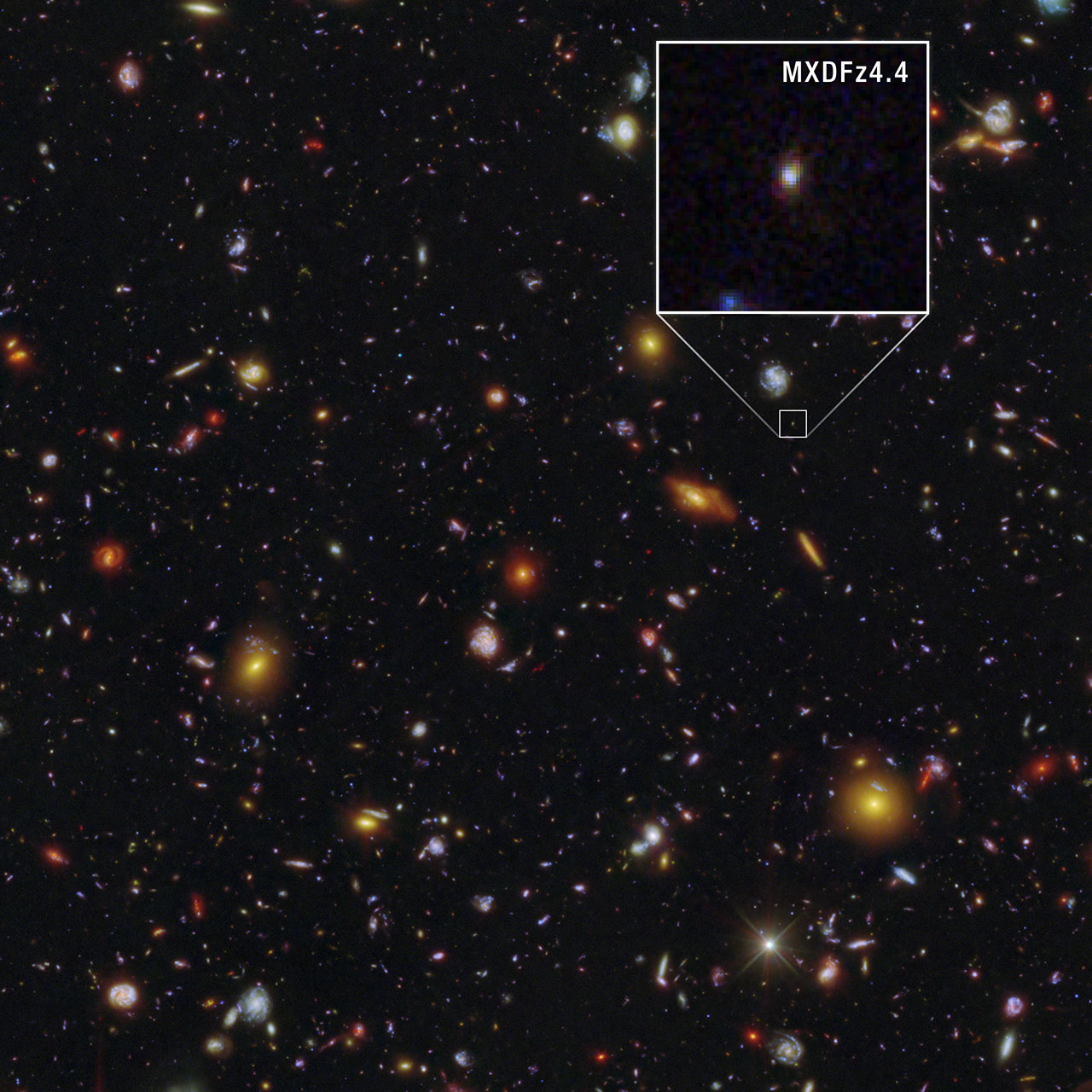
Astronomers using NASA's Hubble Space Telescope have detected unexpected ultraviolet light from a galaxy that existed just 1.4 billion years after the Big Bang. This galaxy contains tightly clustered young stars producing ionizing light capable of transforming the opaque, neutral hydrogen gas that filled the early universe, effectively clearing our view. The discovery suggests that similar galaxies in the early universe were responsible for clearing the neutral fog of hydrogen gas during the epoch of reionization. The findings were published in the Astrophysical Journal.
Source
 Twitter / XHubble Detects Ultraviolet Light from Early Galaxy, Shedding Light on Cosmic Reionizationgo.nasa.gov
Key quotes
· 3 pulledAstronomers using NASA's Hubble Space Telescope have found something they never expected — ultraviolet light from a galaxy that existed just 1.4 billion years after the big bang.
That galaxy contains tightly clustered young stars that produce ionizing light capable of transforming the opaque, neutral gas within and immediately around the galaxy, clearing our view.
This suggests that similar galaxies in the early universe were responsible for clearing the neutral fog of hydrogen gas that once filled the cosmos.
You might also wanna read

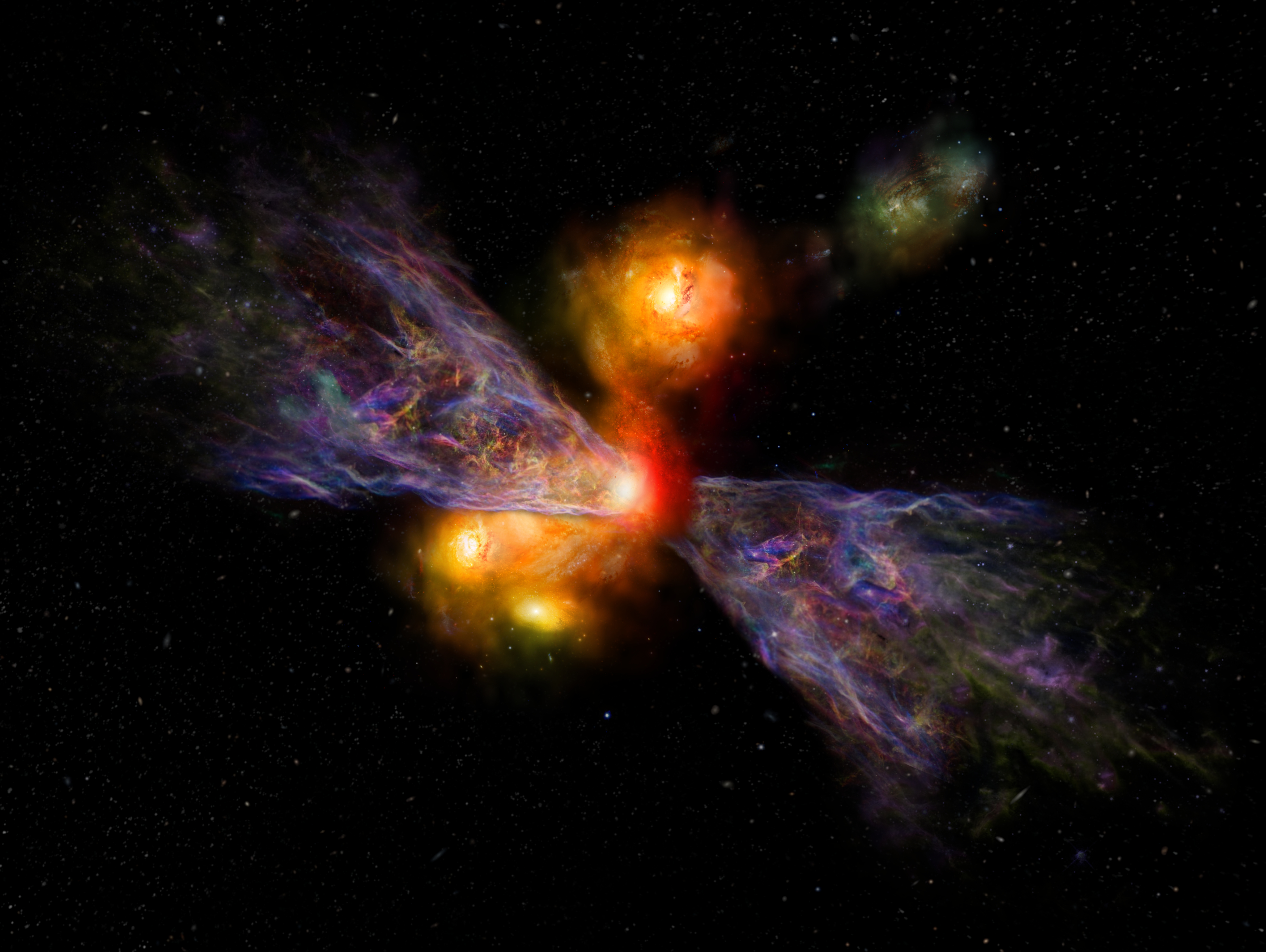
Astronomers discover galaxy-killing wind that explains early universe's dead galaxies
Astronomers using the James Webb Space Telescope have discovered a 'galaxy-killing wind' in the early universe, powered by cosmic collisions
 ras.ac.uk·22d ago
Astronomers observe young galaxy blowing away star-forming gas, explaining early 'dead' galaxies found by JWST
Astronomers have observed a young galaxy system called CRISTAL-02 that appears to be blowing away the cold gas needed for star formation, pr
 astronomynow.com·22d ago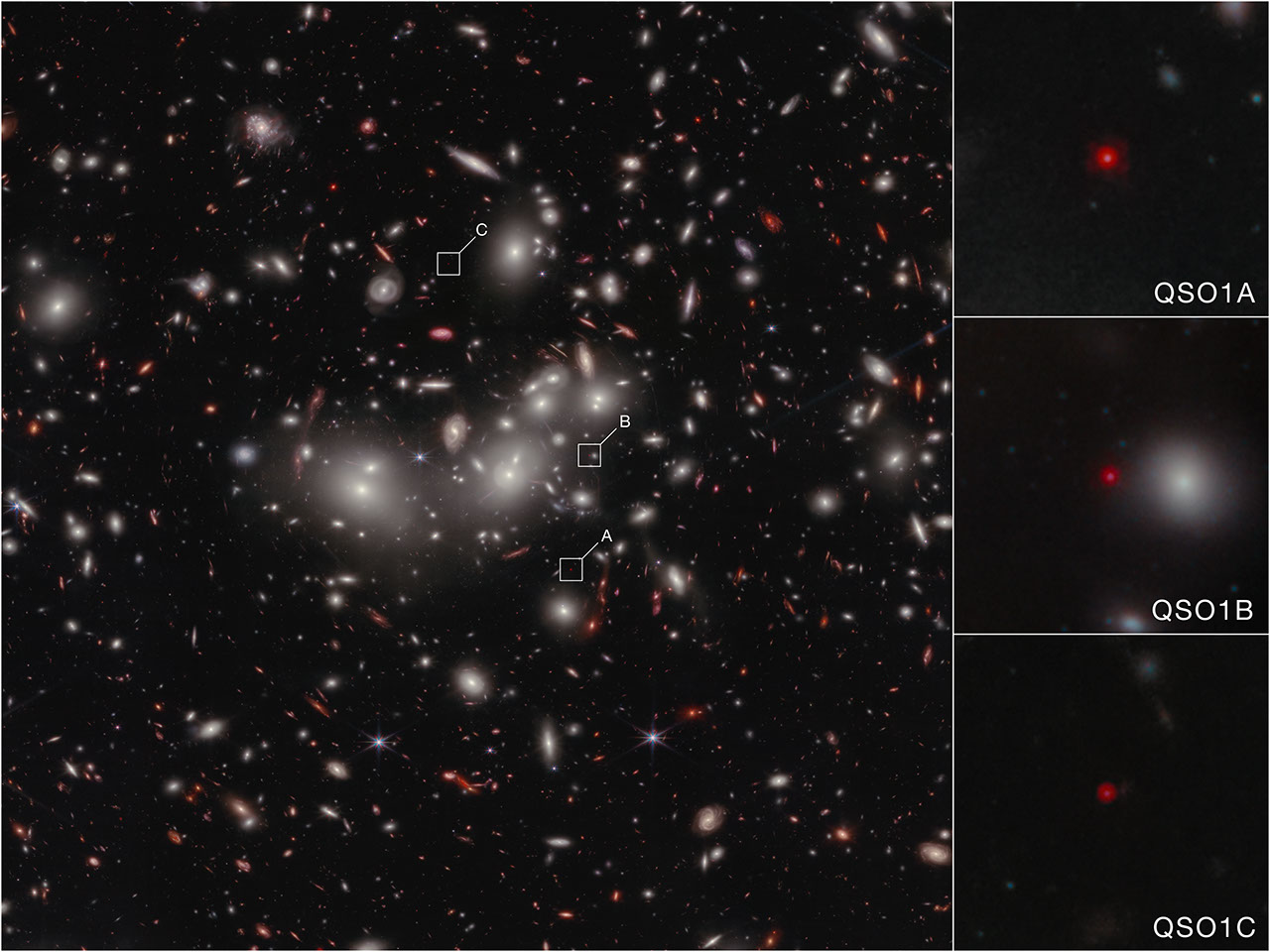
NASA's Webb Telescope Detects Black Hole That Formed Before Its Host Galaxy, Challenging Cosmic Evolution Theories
Researchers using NASA's James Webb Space Telescope have detected a massive black hole in the early universe that appears to have formed bef
science.nasa.gov·1mo ago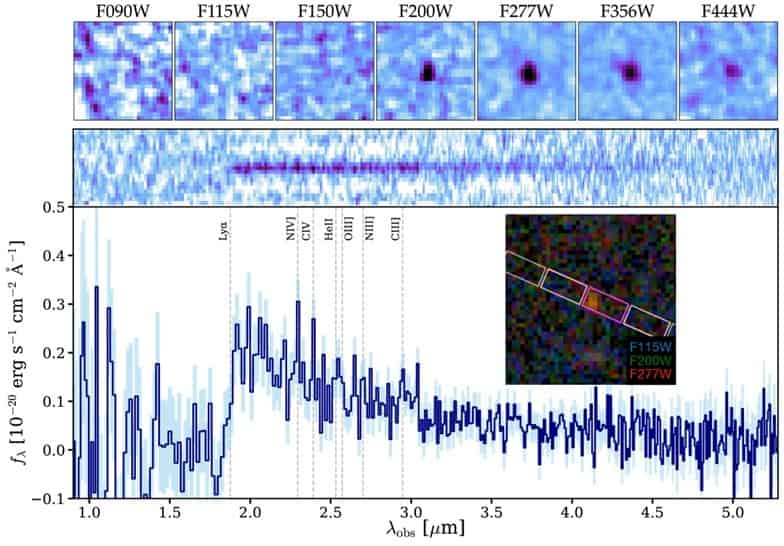
JWST Confirms Discovery of Exceptionally Luminous Galaxy at z=14.44, 280 Million Years After Big Bang
The James Webb Space Telescope has confirmed the discovery of MoM-z14, an exceptionally luminous galaxy that existed just 280 million years
 astro.theoj.org·4mo ago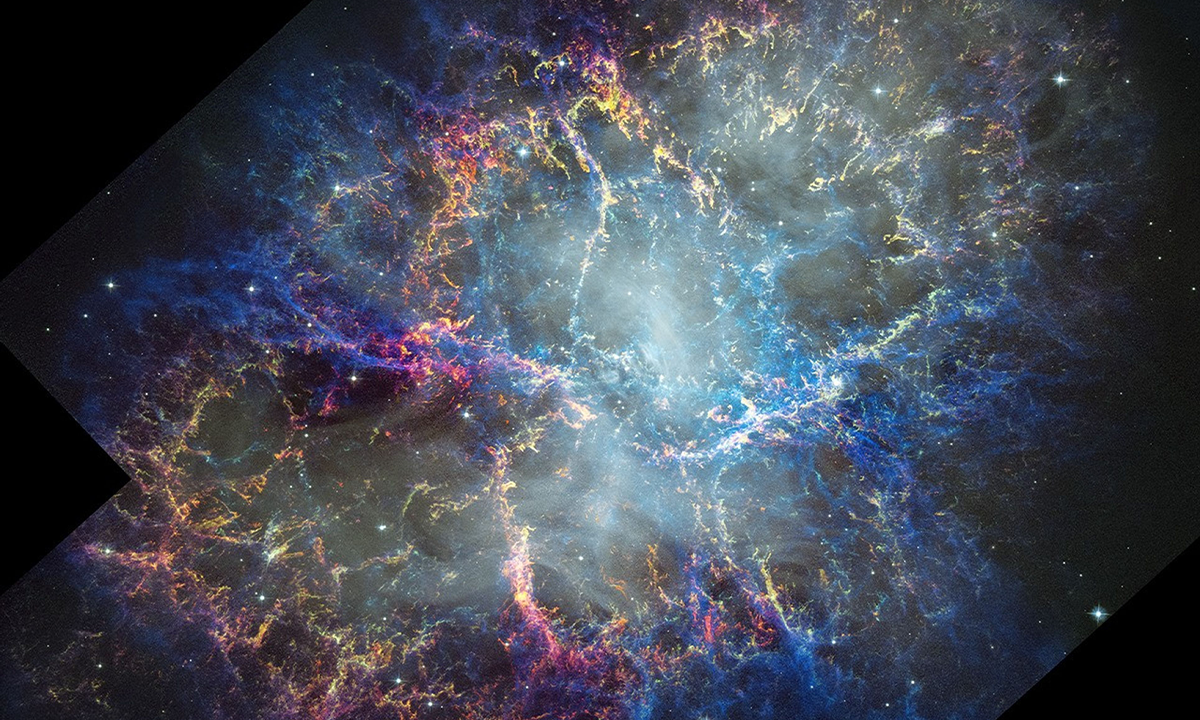
Hubble Space Telescope Captures New Image of Crab Nebula, Supernova Witnessed in 1054 AD
The article discusses the Hubble Space Telescope's new image of the Crab Nebula, which originated from a supernova explosion witnessed by Ch
 nautil.us·3mo ago
Hubble Captures Galaxy Cluster MACS0329-0211 With Gravity-Warped Light Forming Figure-Eight Shape
NASA's Hubble Space Telescope has captured a stunning image of MACS0329-0211, a massive galaxy cluster whose immense gravity warps and bends
 news.bitcoin.com·14d ago
Comments
Sign in to join the conversation.
No comments yet. Be the first.