





















Hubble Space Telescope Captures New Image of Crab Nebula, Supernova Witnessed in 1054 AD
By
Brajeshwar

Fresh out the oven, still warm. Top of the tray.
Summary
The article discusses the Hubble Space Telescope's new image of the Crab Nebula, which originated from a supernova explosion witnessed by Chinese and Mayan astronomers in 1054 AD. The piece connects historical astronomical observations with modern space telescope imagery, highlighting how the same celestial event was recorded across different cultures nearly a millennium ago and is now being studied with advanced technology.
Key quotes
· 4 pulledChinese astronomers noticed a star burning brightly in the daytime that persisted for three weeks, back in 1054 A.D.—and they weren't alone.
On the other side of the globe, Mayan stargazers recorded the same brilliant celestial phenomenon.
What they witnessed, according to famed astronomer Edwin Hubble writing almost 900 years later, wasn't a star at all but rather the explosive death of one.
That dazzling supernova would later become the Crab Nebula, and the space telescope that bears Hubble's name recently snapped an incredible picture of it a quarter century after the first image it took.
You might also wanna read

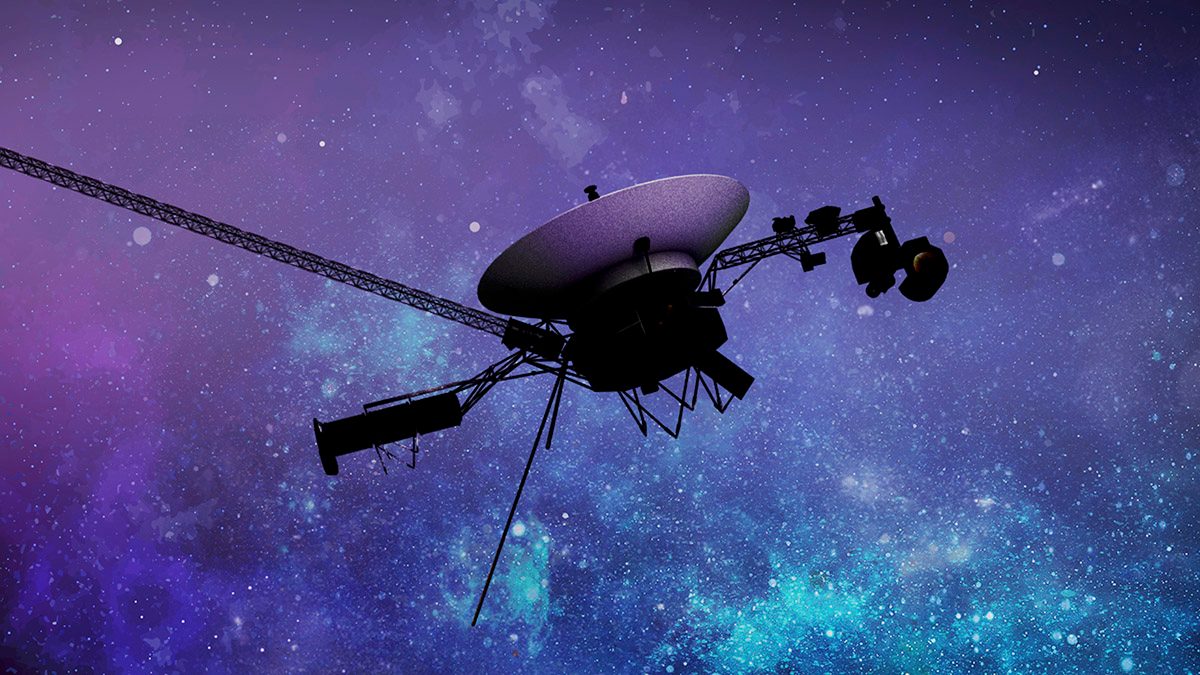
Voyager 1 to reach one light-day from Earth by November 2026
Voyager 1, the farthest human-made object in existence since 1998, is approaching a major milestone: on or around November 13, 2026, it will
 skyatnightmagazine.com·11h ago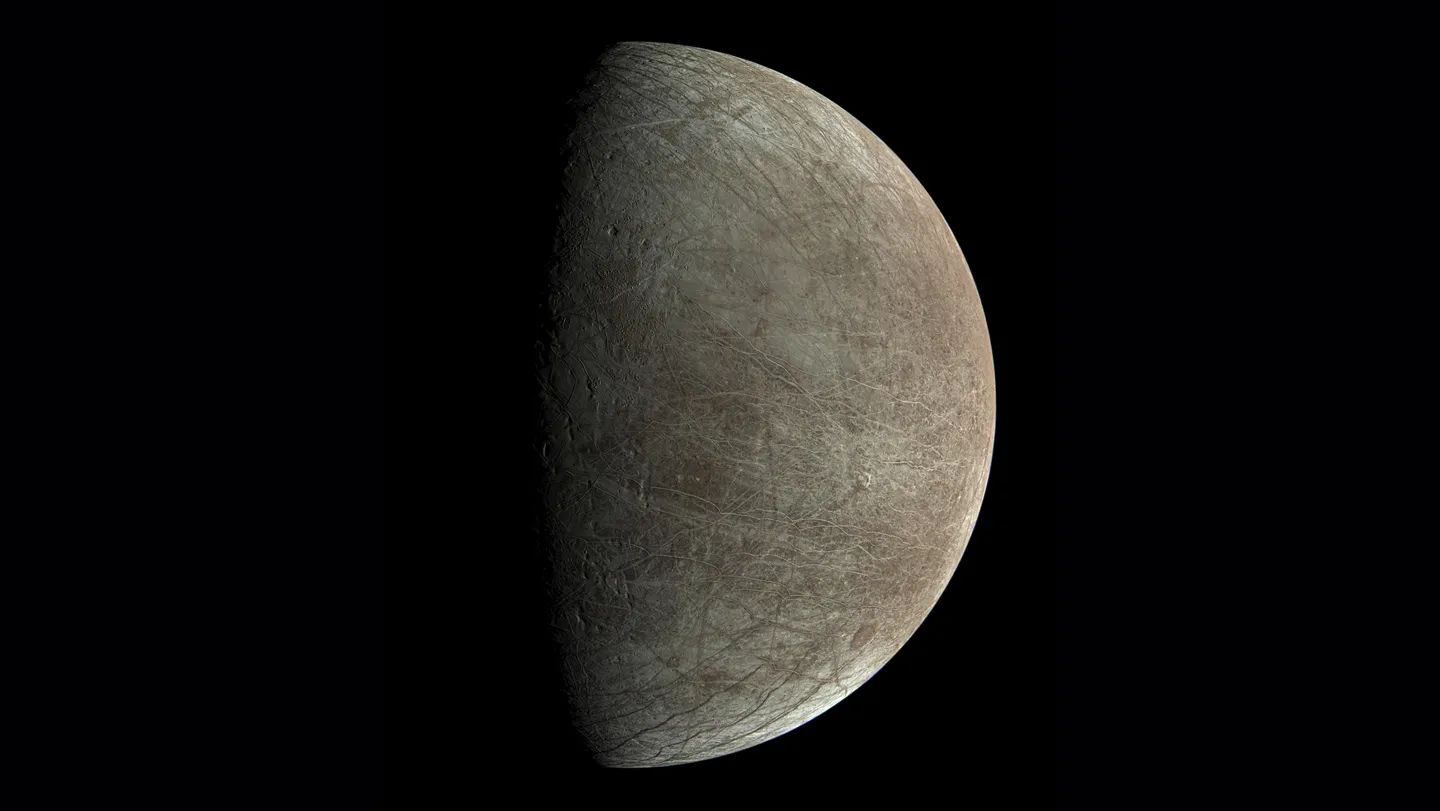
Study finds no evidence of water plumes on Jupiter's moon Europa
New analysis of nearly a decade of Hubble Space Telescope observations of Jupiter's moon Europa shows no strong evidence for water plumes th
 sciencenews.org·2d ago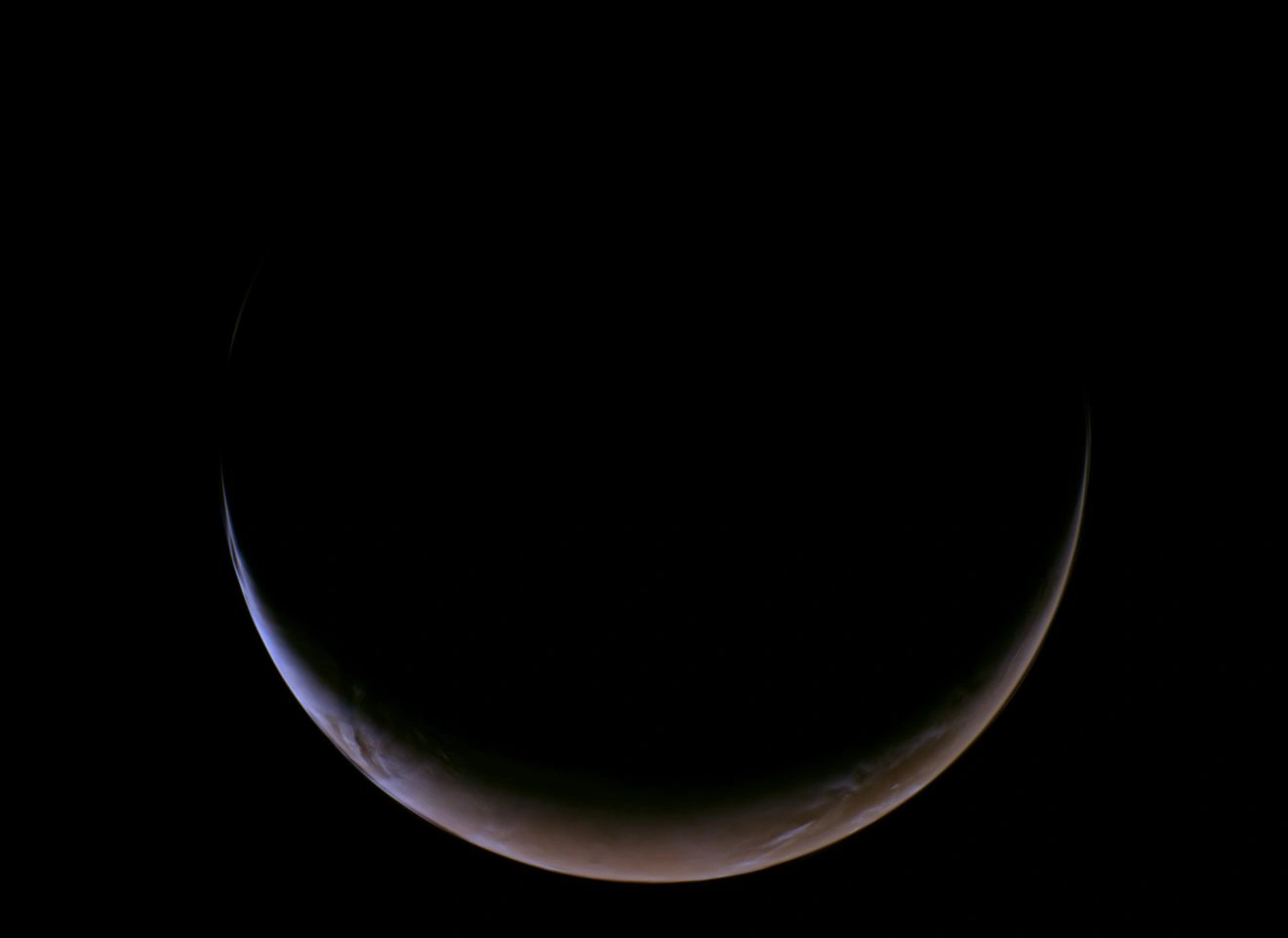
NASA's Psyche Mission Captures Stunning Mars Images During Gravity-Assist Flyby
NASA's Psyche asteroid mission performed a successful gravity-assist flyby of Mars on its way to the asteroid Psyche. The spacecraft used Ma
 skyandtelescope.org·4d ago
The remarkable rediscovery of Lunokhod 1: How a Soviet rover's reflector answered Earth after 40 years of silence
The article recounts the story of Lunokhod 1, the Soviet Union's first robotic lunar rover that landed on the Moon in 1970 and operated for
 spacedaily.com·4d ago
Why Venus deserves serious consideration as a destination for human space exploration
The article argues that Venus, not Mars, may be a more practical and achievable destination for human space exploration in the near term. Wh
 mceglowski.substack.com·1mo ago
Vera C. Rubin Observatory Discovers 11,000 New Asteroids Before Official Survey Launch
The Vera C. Rubin Observatory, using preliminary data before its official 10-year Legacy Survey of Space and Time (LSST) begins, has already
 universetoday.com·1mo ago