





















Voyager 1 to reach one light-day from Earth by November 2026
By
Alastair Gunn

Kettled twice. Extra chewy, extra trustworthy.
Summary
Voyager 1, the farthest human-made object in existence since 1998, is approaching a major milestone: on or around November 13, 2026, it will be exactly one light-day (about 25.9 billion kilometers) from Earth. Launched over 48 years ago, the probe continues to send back scientific data from interstellar space. This article explains the significance of the light-day milestone, the history of Voyager 1's journey, and what it means for humanity's exploration of the cosmos.
Key quotes
· 3 pulledSince February 1998 – when it surpassed the previous record-holder, NASA's outer-planet explorer Pioneer 10 – Voyager 1 has been the farthest human-made object in existence.
Even now, more than 48 years since launch, the probe is still sending back science.
Around 13 November in 2026, it will be exactly one 'light-day' from Earth, a light-day being the distance light travels in a vacuum in 24 hours.
You might also wanna read

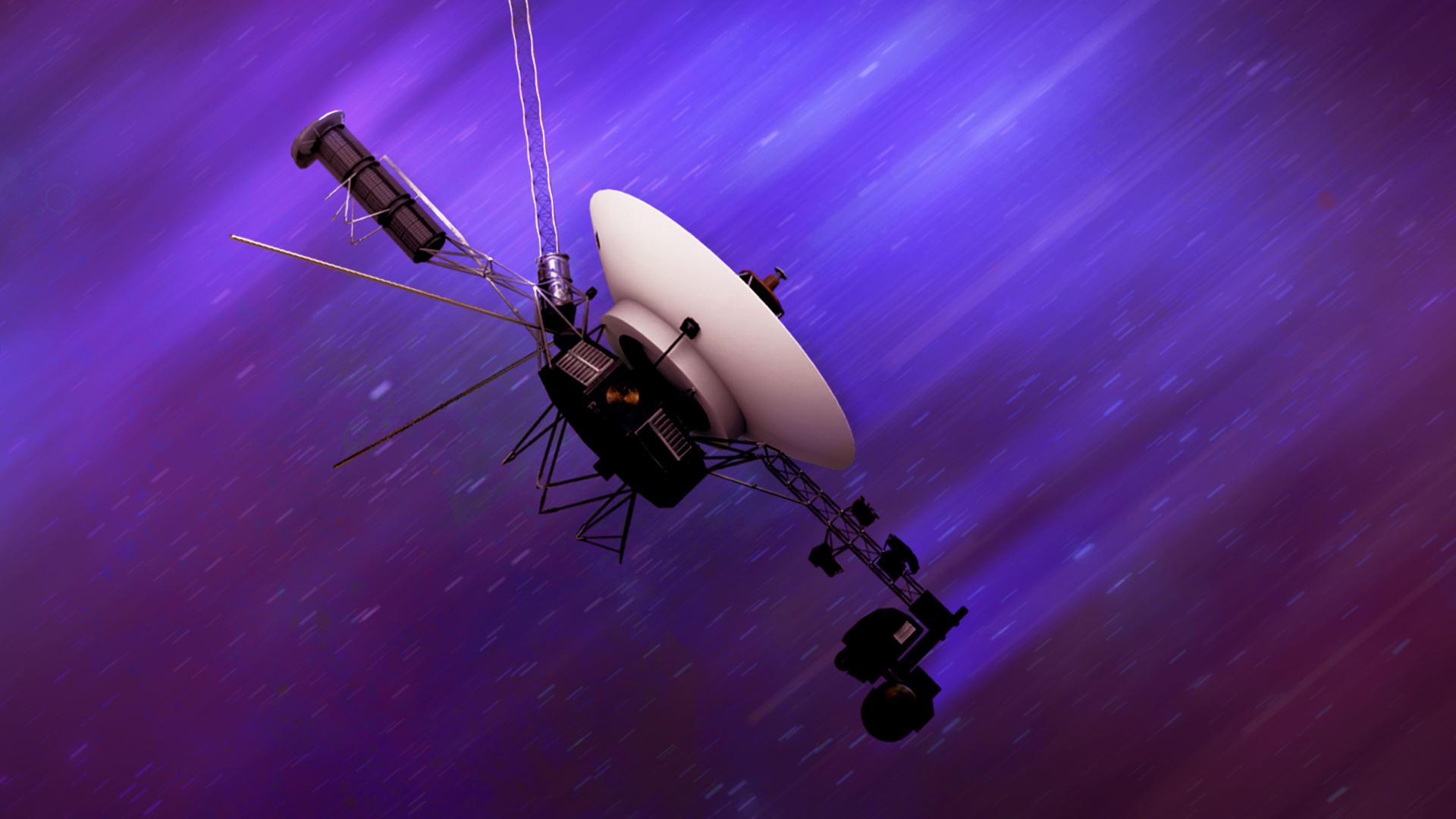
Voyager 1 to Reach One Light-Day Distance from Earth by November 2026
NASA's Voyager 1 spacecraft, launched in 1977, is approaching a historic milestone where it will be exactly one light-day from Earth by Nove
 scienceclock.com·6mo ago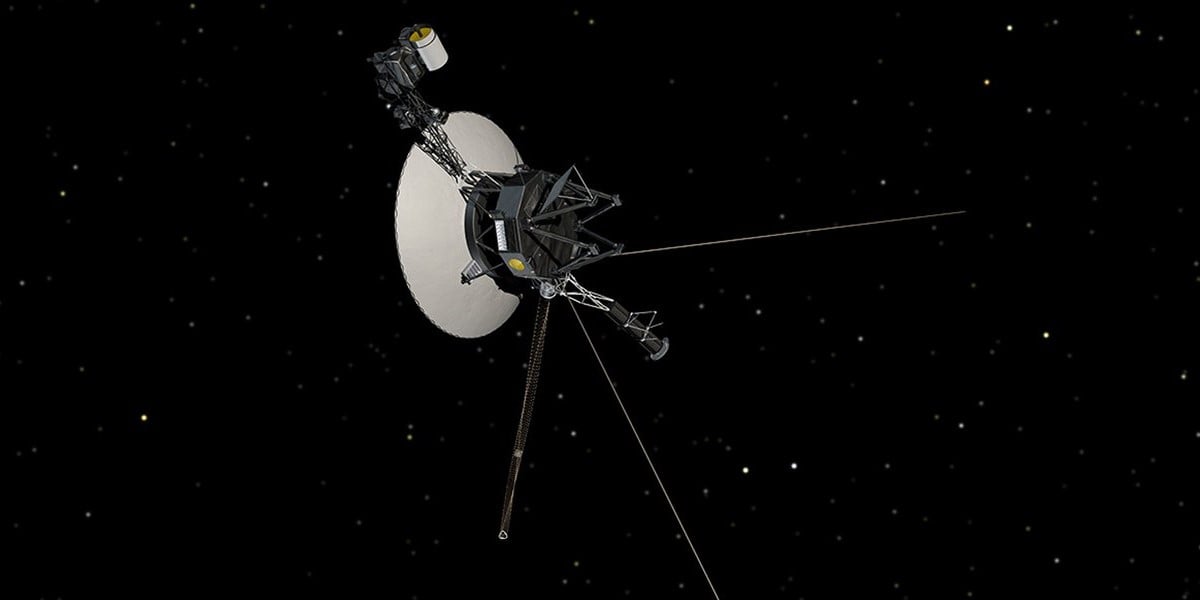
Voyager 1 marks 48 years in space as power-saving measures begin
Voyager 1, launched 48 years ago from Cape Canaveral, continues its mission studying Jupiter, Saturn, and Titan's atmosphere. Despite its ag
 theregister.com·8mo ago