





















Astronomers observe young galaxy blowing away star-forming gas, explaining early 'dead' galaxies found by JWST
FeedBagel synthesis
· 2 sourcesAstronomers have observed a young galaxy system called CRISTAL-02 that is blowing away the cold gas needed for star formation, providing a natural explanation for the unexpectedly large number of "dead" galaxies discovered by the James Webb Space Telescope in the early Universe, according to coverage on bsky. The galaxy shows a huge plume of cold gas extending away from it, nearly as long as the galaxy itself, indicating gas is being driven out by stellar winds or active galactic nuclei feedback. Hacker News reported that this "galaxy-killing wind" is powered by cosmic collisions between galaxies, rapidly removing the gas and dust required for star formation. The discovery offers a simpler explanation than other theories proposed since JWST's observations began in 2022, helping solve a major mystery about why some galaxies stopped forming stars so early in cosmic history.

Solid neighbourhood-bakery energy. Trustworthy and warm.
Summary
Astronomers have observed a young galaxy system called CRISTAL-02 that appears to be blowing away the cold gas needed for star formation, providing a natural explanation for the unexpectedly large number of 'dead' galaxies discovered by the James Webb Space Telescope in the early Universe. The galaxy shows a huge plume of cold gas extending away from it, nearly as long as the galaxy itself, indicating gas is being driven out of the galaxy, likely by stellar winds or active galactic nuclei feedback.
Key quotes
· 2 pulledAstronomers have caught a young galaxy system apparently blowing away the gas it needs to keep making stars, offering a natural explanation for one of the surprises thrown up by the NASA/ESA/CSA James Webb Space Telescope: the large number of 'dead' galaxies in the early Universe.
An artist's impression of the galaxy CRISTAL-02, with a huge plume of cold gas extending away from it. This plume is almost as long as the galaxy itself, which is a telltale sign that gas is being driven out of the galaxy.
You might also wanna read

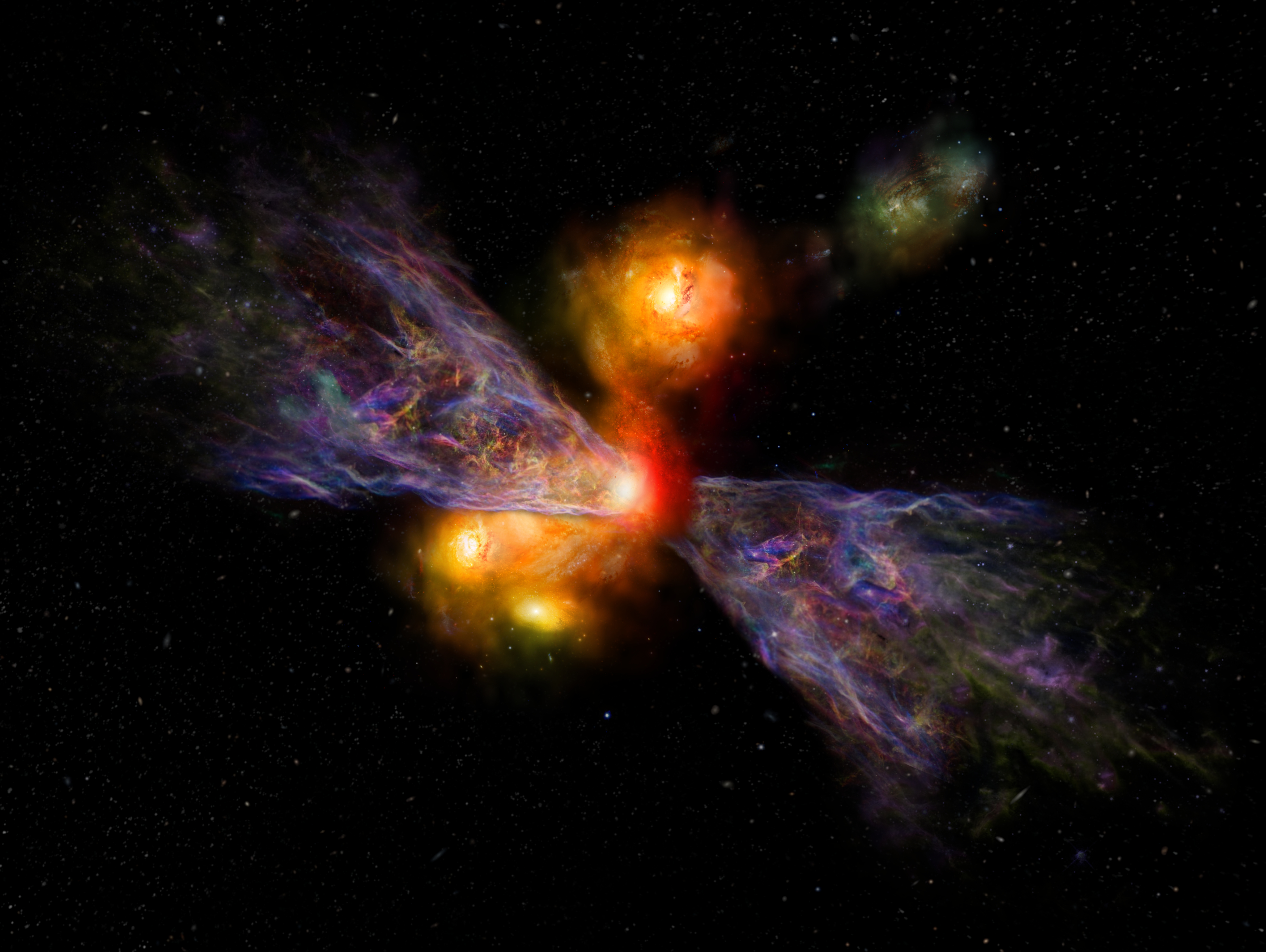
Astronomers discover galaxy-killing wind that explains early universe's dead galaxies
Astronomers using the James Webb Space Telescope have discovered a 'galaxy-killing wind' in the early universe, powered by cosmic collisions
 ras.ac.uk·1d ago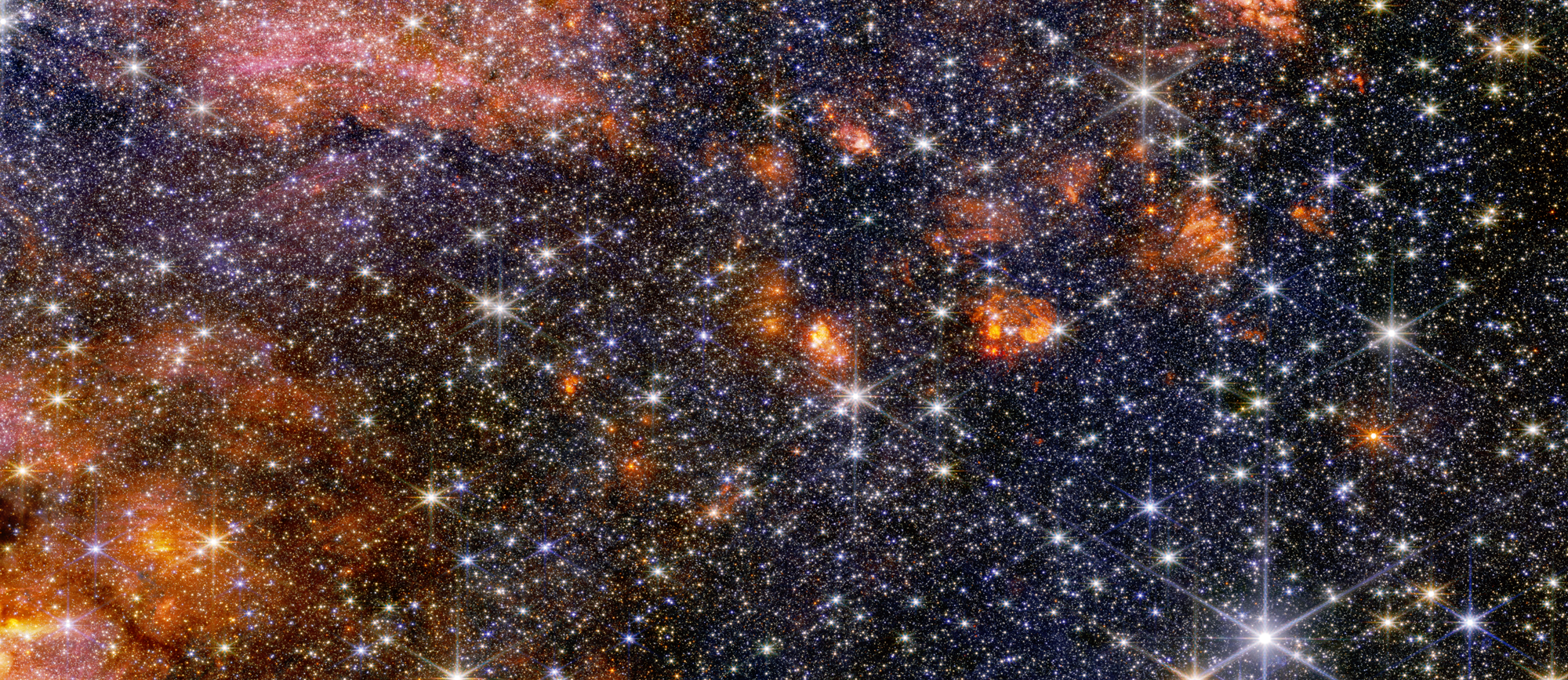
James Webb Space Telescope peers deep into the heart of star formation in our Milky Way galaxy
 space.com·8mo ago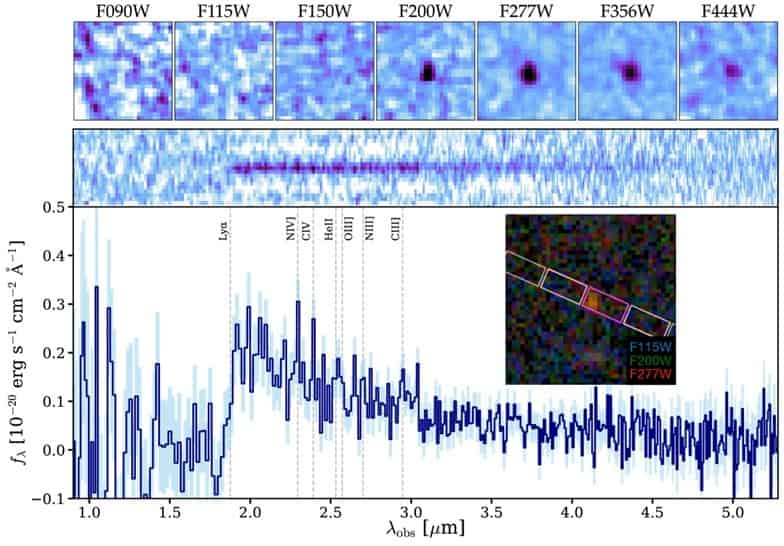
JWST Confirms Discovery of Exceptionally Luminous Galaxy at z=14.44, 280 Million Years After Big Bang
The James Webb Space Telescope has confirmed the discovery of MoM-z14, an exceptionally luminous galaxy that existed just 280 million years
 astro.theoj.org·4mo ago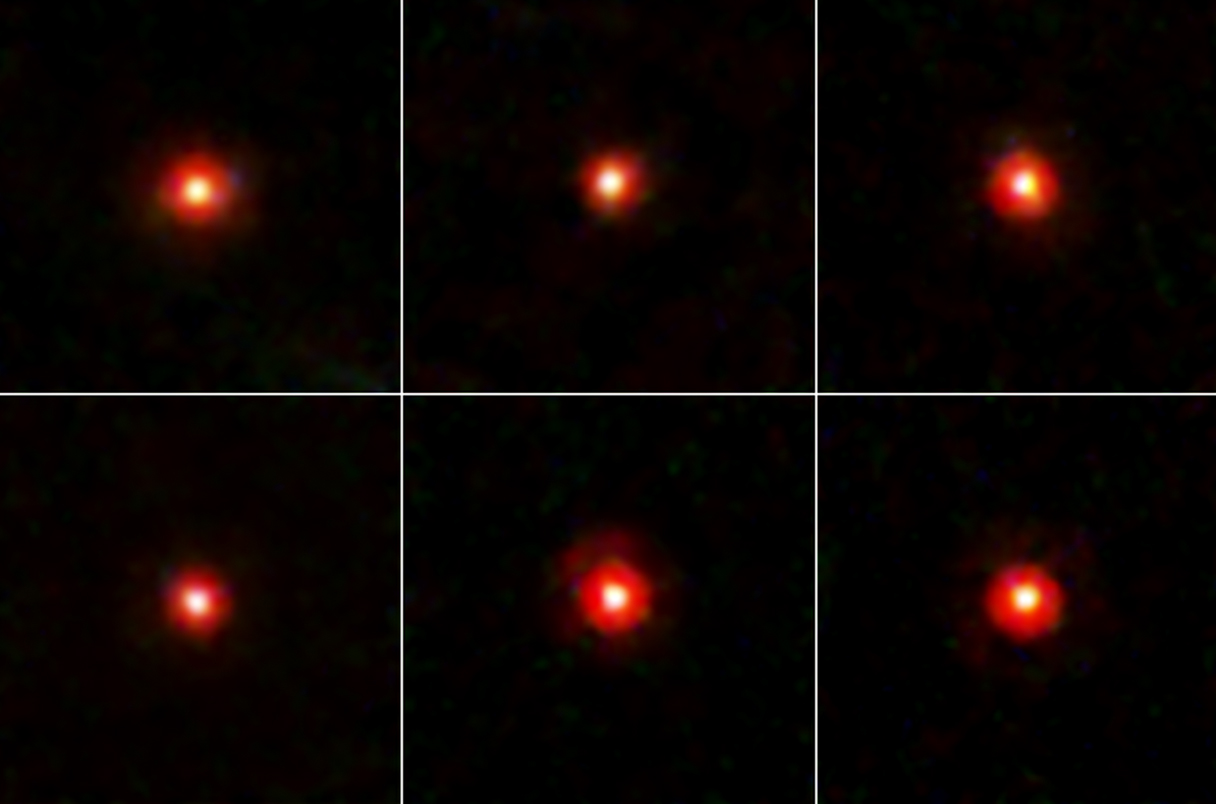
JWST Discovers Mysterious 'Little Red Dots' in Early Universe, Possibly New Celestial Objects
NASA's JWST telescope has discovered hundreds of 'little red dots' in the early universe, which may represent a new type of celestial object
 science.org·10mo ago
Astronomers Just Solved the Mystery of the Universe's Missing Matter
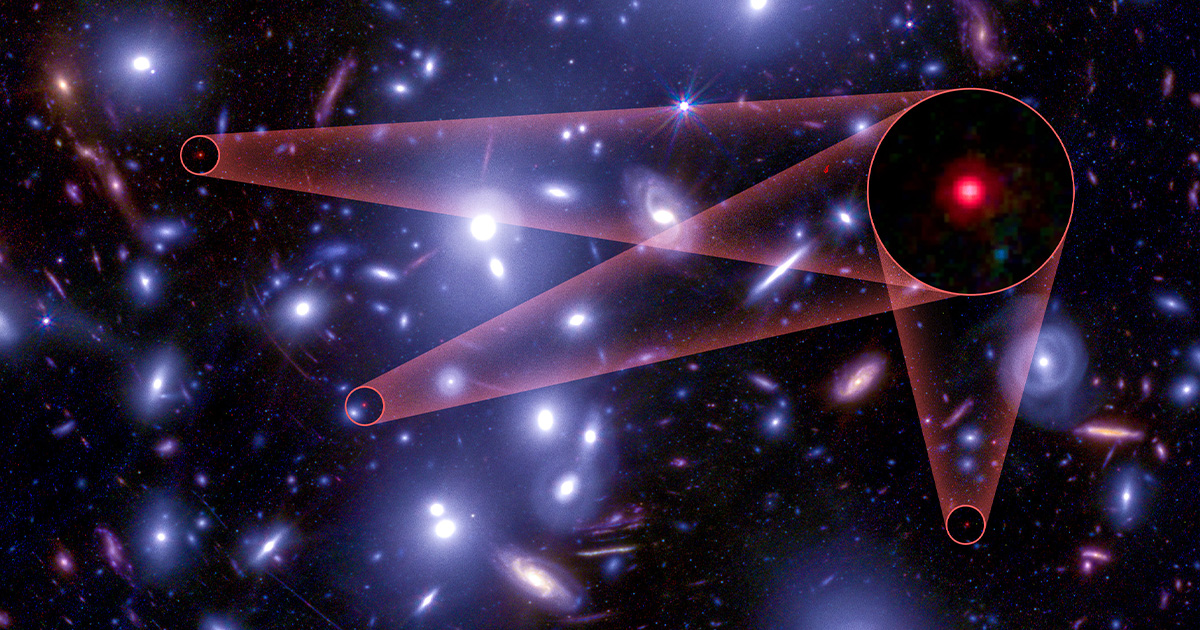
James Webb Telescope Discovers Massive Isolated Black Hole in Early Universe
The James Webb Space Telescope has discovered an enormous 'naked' black hole in the early universe that weighs 50 million solar masses and a
 quantamagazine.org·9mo ago