





















Astronomers discover galaxy-killing wind that explains early universe's dead galaxies
By
Florin Simion @Yonescat

The bagel they save for the regulars. Don't skim, savour.
Summary
Astronomers using the James Webb Space Telescope have discovered a 'galaxy-killing wind' in the early universe, powered by cosmic collisions between galaxies. This wind rapidly blows away the gas and dust needed for star formation, potentially explaining why there are far more massive 'dead' galaxies in the early universe than previously expected. The discovery offers a simpler explanation than other theories proposed since JWST's observations began in 2022, helping solve a major mystery in modern astrophysics about why some galaxies stopped forming stars so early in cosmic history.
Key quotes
· 3 pulledAstronomers have discovered a 'galaxy-killing wind' that may explain why there are far more massive 'dead' galaxies than expected in the early universe.
This wind, powered by cosmic collisions of galaxies, could quickly blow away all the fuel for new stars, leaving the galaxy on the brink of death.
The theory is much simpler than some of the other explanations put forward since 2022, when the James Webb Space Telescope (JWST) gave us our first clear glimpse of the early universe.
You might also wanna read


Astronomers observe young galaxy blowing away star-forming gas, explaining early 'dead' galaxies found by JWST
Astronomers have observed a young galaxy system called CRISTAL-02 that appears to be blowing away the cold gas needed for star formation, pr
 astronomynow.com·1d ago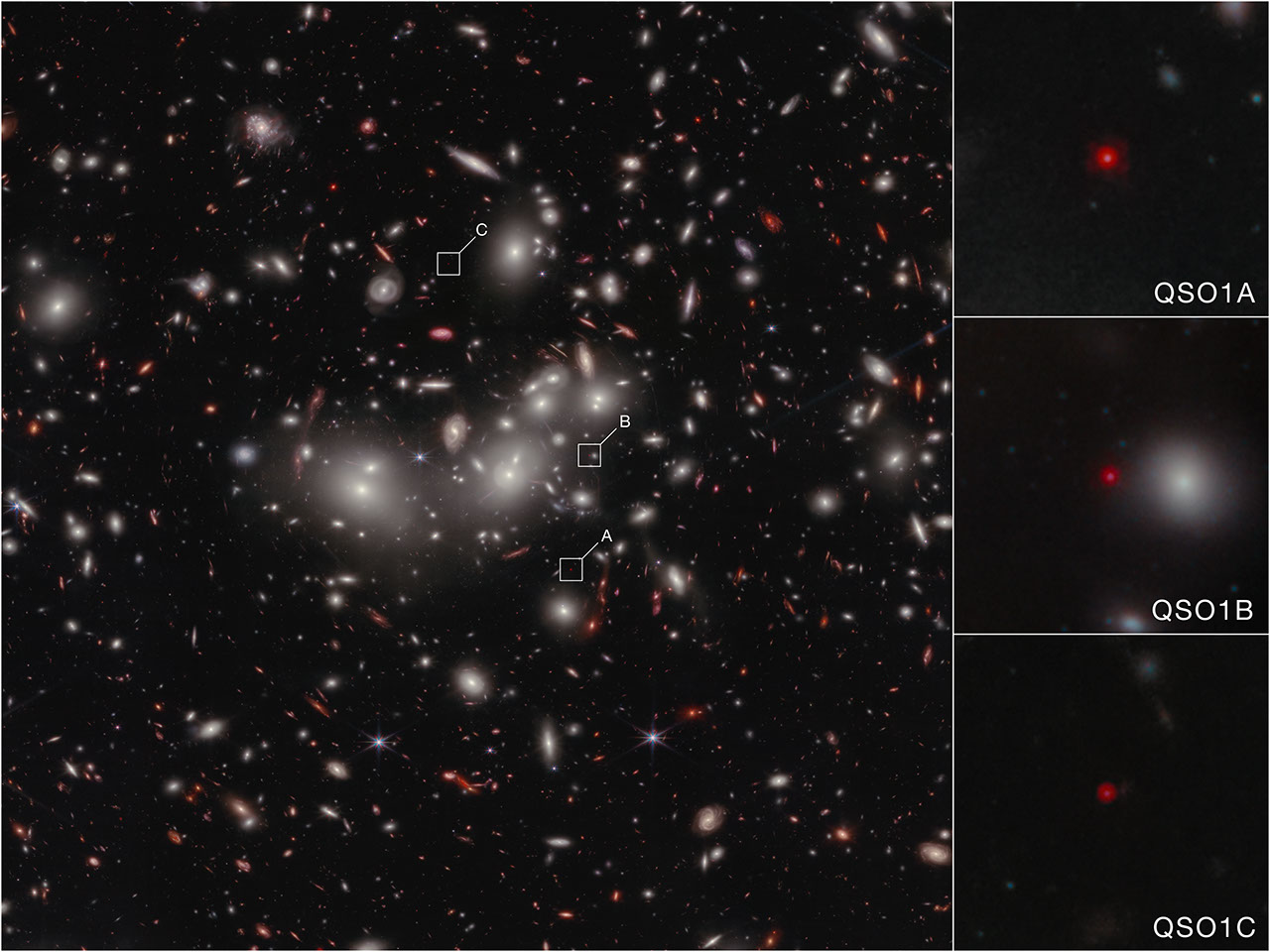
NASA's Webb Telescope Detects Black Hole That Formed Before Its Host Galaxy, Challenging Cosmic Evolution Theories
Researchers using NASA's James Webb Space Telescope have detected a massive black hole in the early universe that appears to have formed bef
 science.nasa.gov·10d ago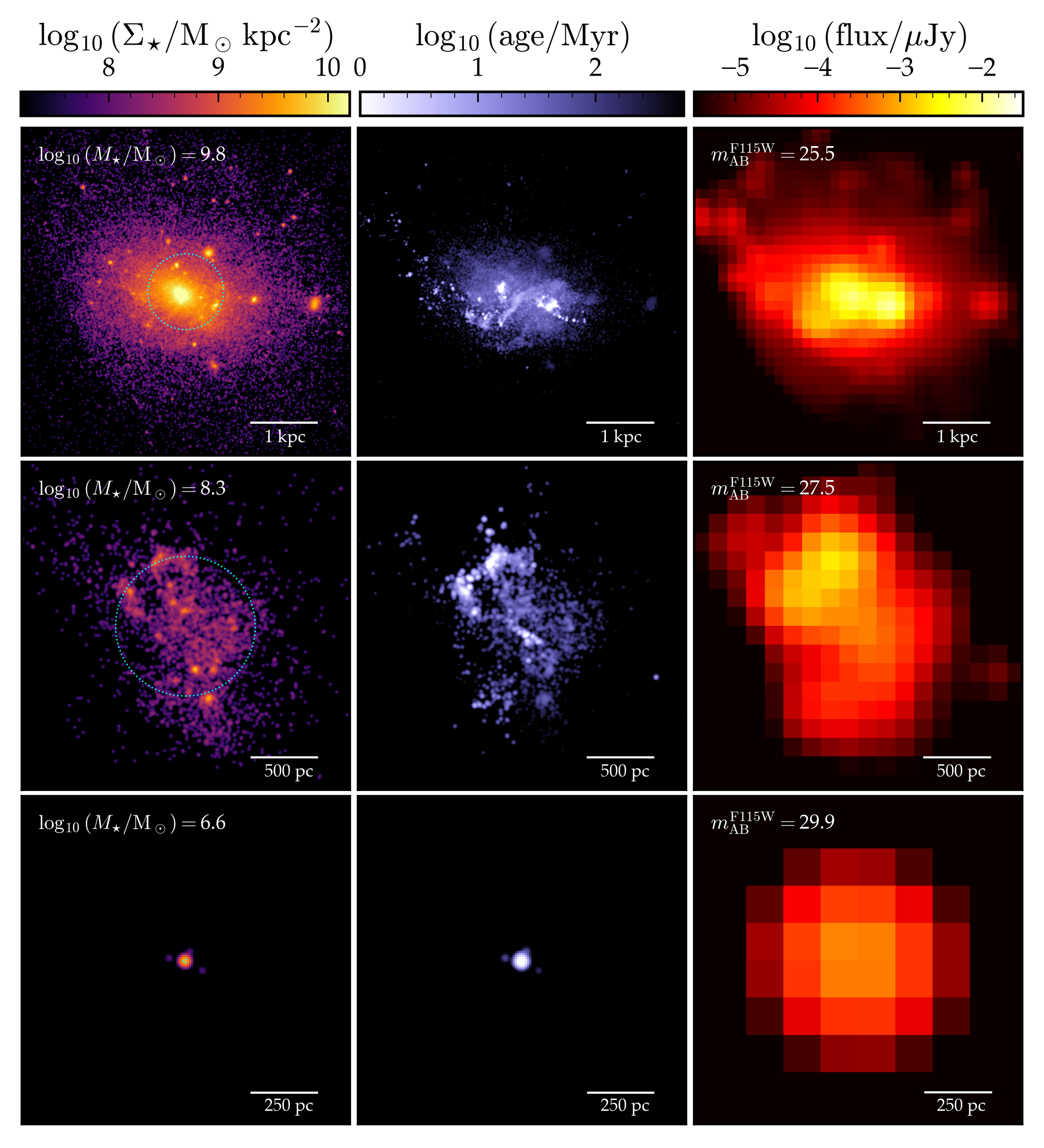
CosmicAI researchers use BonFIRE and CampFIRE simulations to study early galaxy formation puzzle from JWST data
CosmicAI researchers used BonFIRE and CampFIRE simulations to investigate why early galaxies observed by the James Webb Space Telescope (JWS
 cosmicai.org·6d ago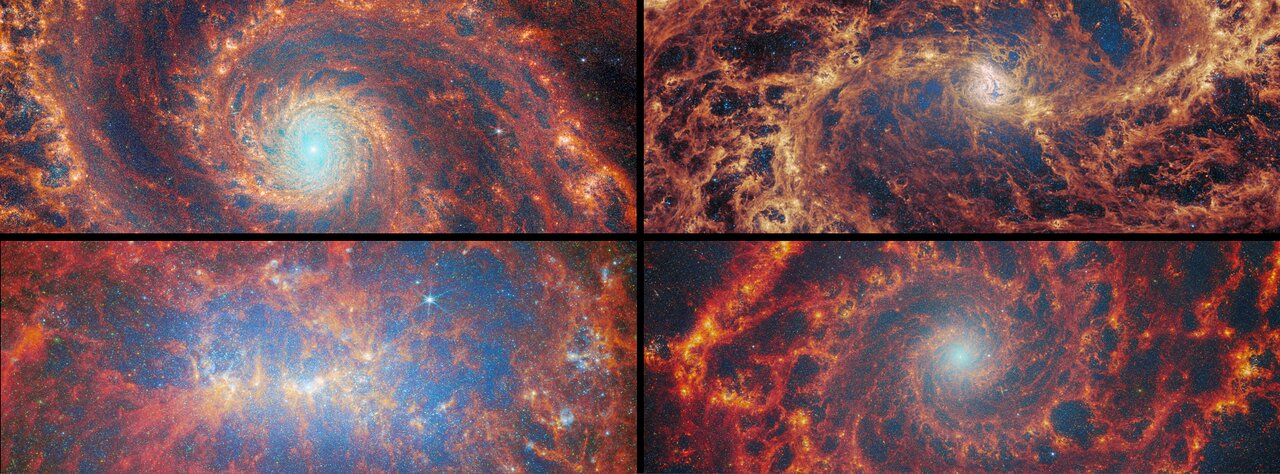
JWST survey reveals how massive stars rapidly clear their birth cocoons in nearby galaxies
A survey of four nearby galaxies using the James Webb Space Telescope reveals how massive stars clear away their surrounding gas and dust co
 badastronomy.beehiiv.com·11d ago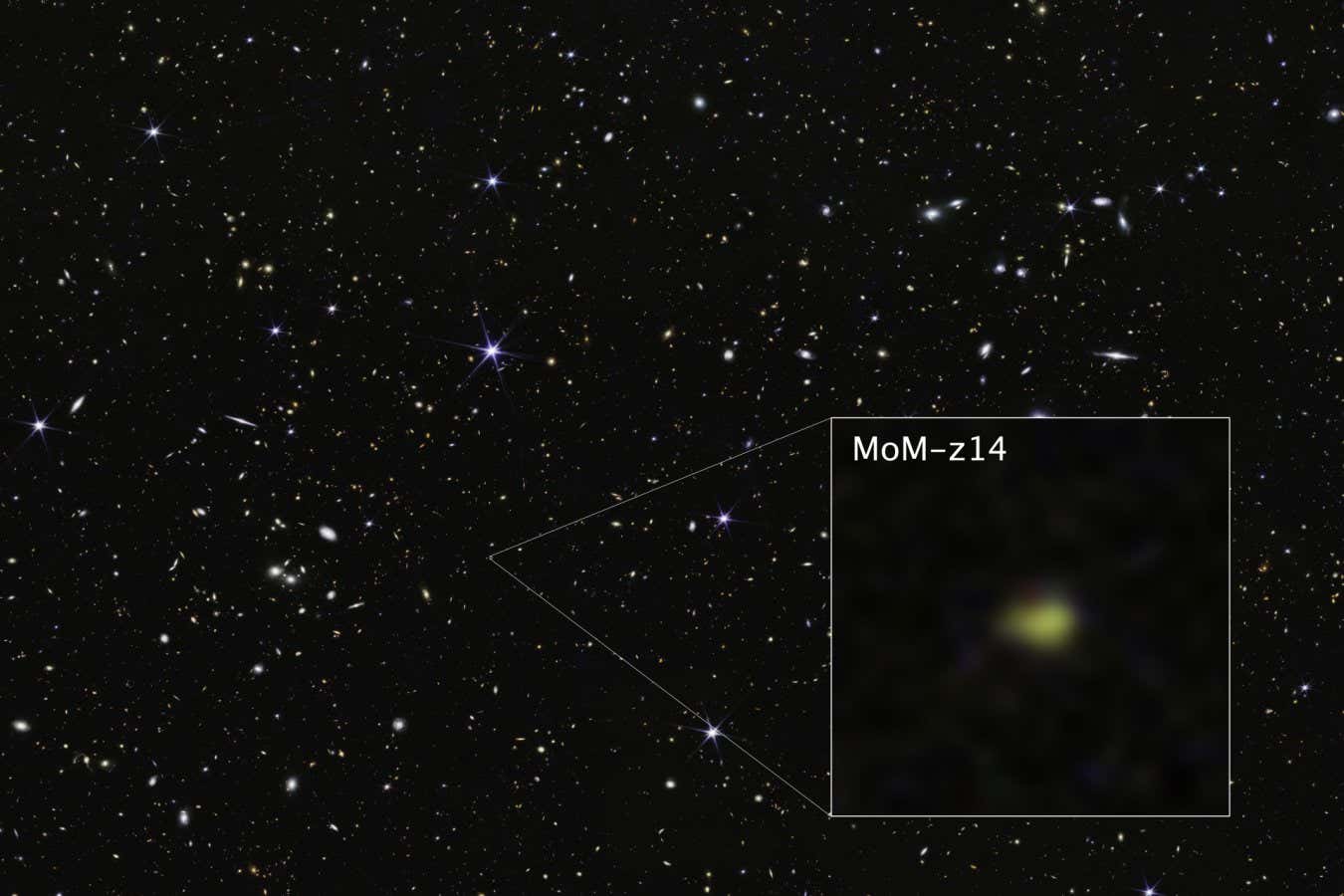
How the James Webb Space Telescope is helping solve the cosmic mix-up between brown dwarfs and distant galaxies
Columnist Chanda Prescod-Weinstein discusses the exciting era of galaxy research, highlighting the James Webb Space Telescope's transformati
 newscientist.com·3d ago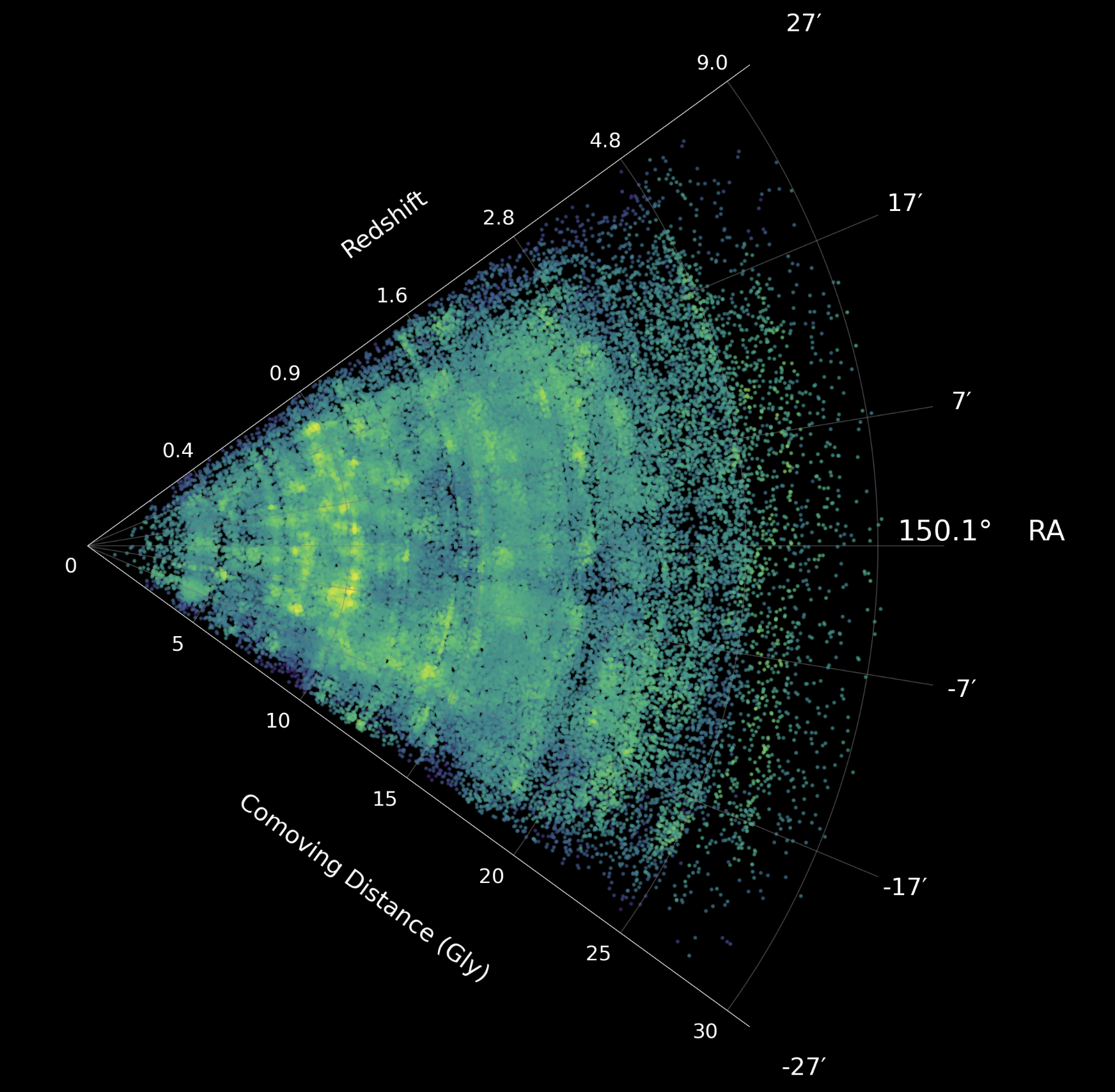
JWST's COSMOS-Web Survey Maps the Cosmic Web and Galaxy Evolution to Redshift z~7
Astronomers used the largest JWST survey (COSMOS-Web) to map the cosmic web — the large-scale structure of the Universe — tracing galaxy evo
 astrobites.org·17d ago