





















CosmicAI researchers use BonFIRE and CampFIRE simulations to study early galaxy formation puzzle from JWST data
By
Jun 5 Written By Jane Cortez

A weekday bagel. Dependable, satisfying, no fuss.
Summary
CosmicAI researchers used BonFIRE and CampFIRE simulations to investigate why early galaxies observed by the James Webb Space Telescope (JWST) appear brighter, more massive, and clumpier than theoretical predictions. The study aims to resolve a major puzzle about galaxy formation in the early Universe.
Key quotes
· 2 pulledCosmicAI researchers Dr. Jenna Samuel, Prof. Michael Boylan-Kolchin, and Asst. Prof Julian Munoz explored how the first galaxies formed in the early Universe.
Using cutting-edge simulations called BonFIRE and CampFIRE, the team investigated a major puzzle revealed by the James Webb Space Telescope (JWST): why do the earliest galaxies appear brighter, more massive, and clumpier than expected?
You might also wanna read

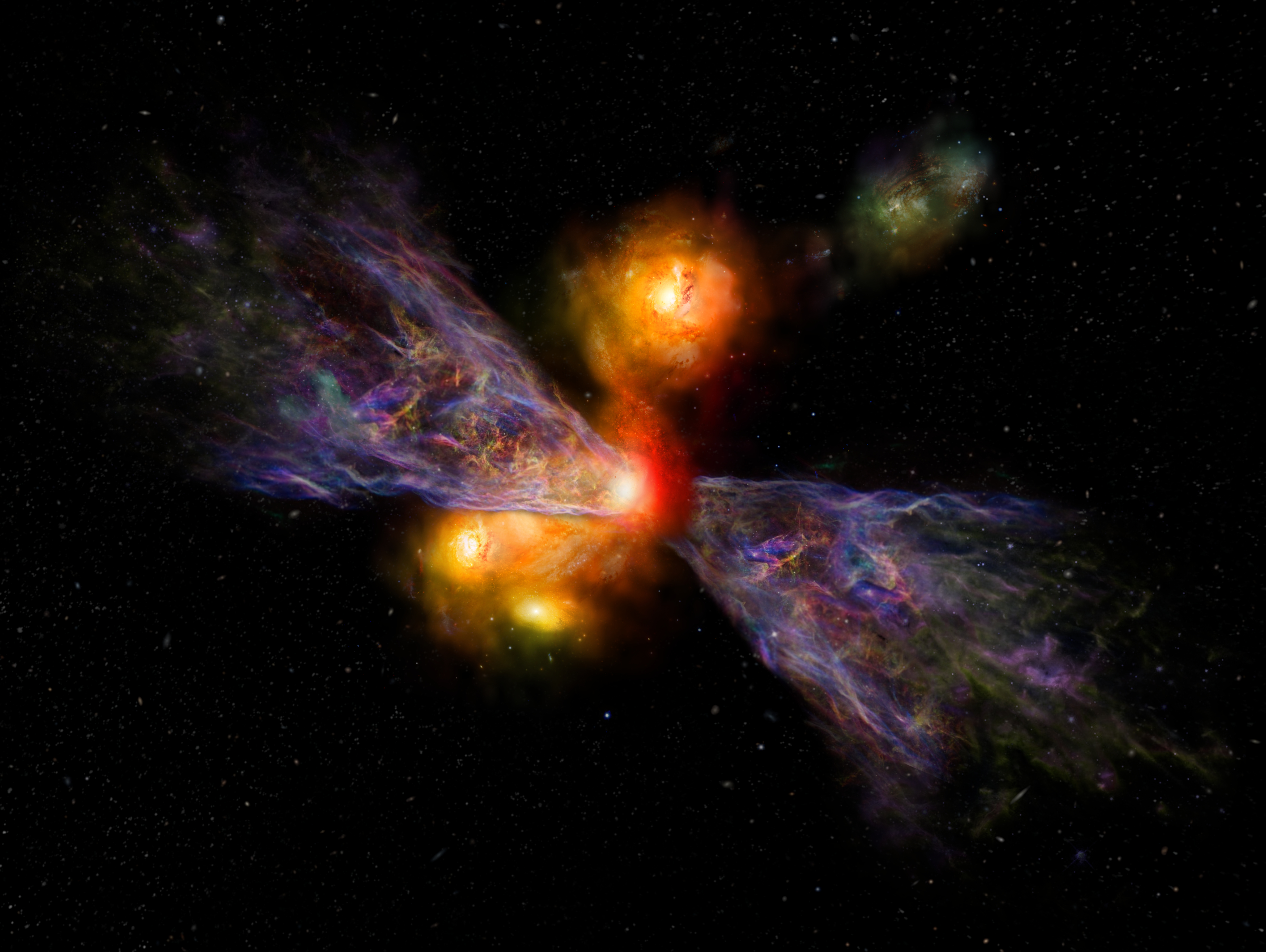
Astronomers discover galaxy-killing wind that explains early universe's dead galaxies
Astronomers using the James Webb Space Telescope have discovered a 'galaxy-killing wind' in the early universe, powered by cosmic collisions
 ras.ac.uk·1d ago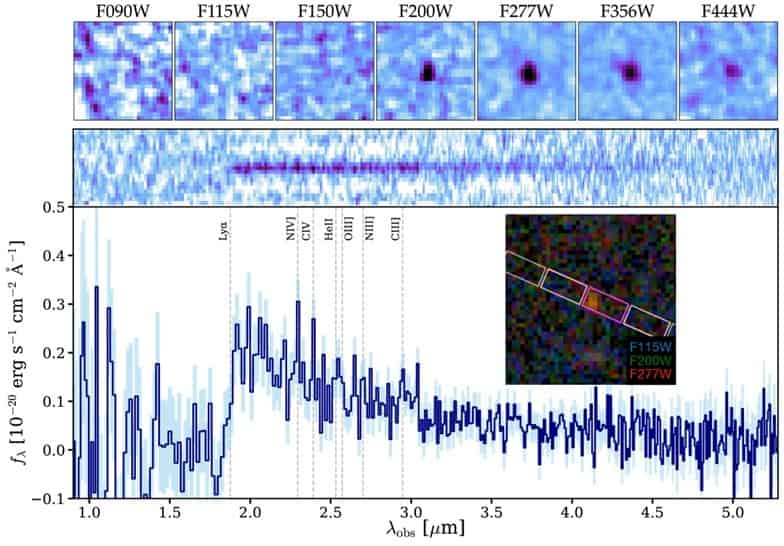
JWST Confirms Discovery of Exceptionally Luminous Galaxy at z=14.44, 280 Million Years After Big Bang
The James Webb Space Telescope has confirmed the discovery of MoM-z14, an exceptionally luminous galaxy that existed just 280 million years
 astro.theoj.org·4mo ago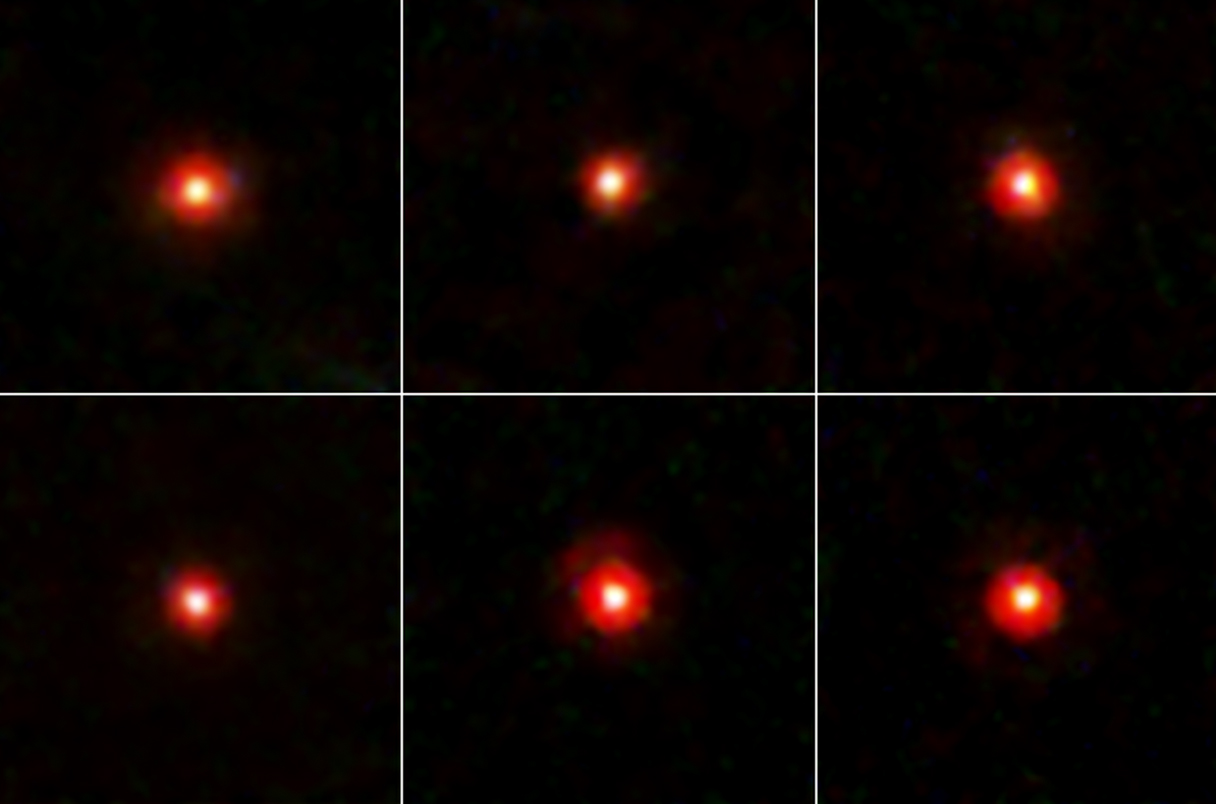
JWST Discovers Mysterious 'Little Red Dots' in Early Universe, Possibly New Celestial Objects
NASA's JWST telescope has discovered hundreds of 'little red dots' in the early universe, which may represent a new type of celestial object
 science.org·10mo ago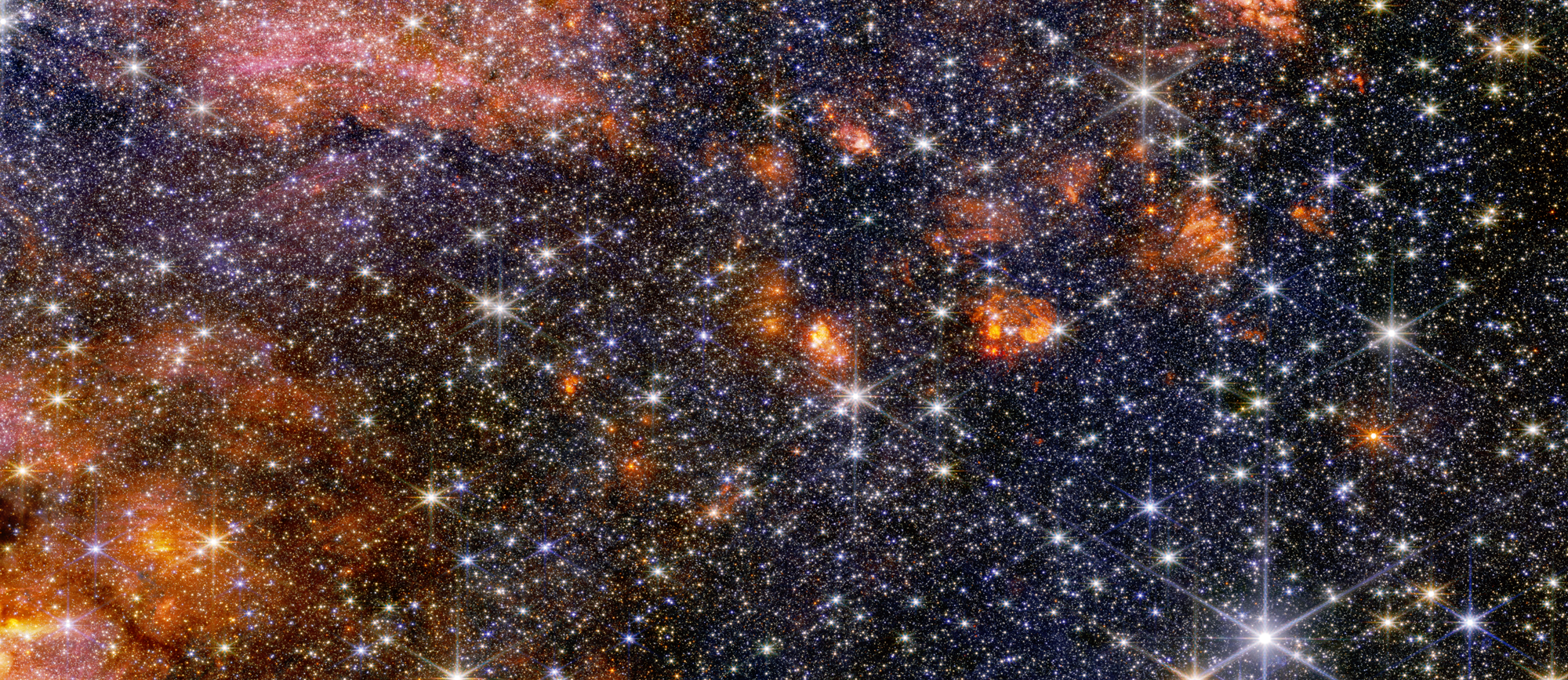
James Webb Space Telescope peers deep into the heart of star formation in our Milky Way galaxy
 space.com·8mo ago
James Webb Telescope Discovers Massive Isolated Black Hole in Early Universe
The James Webb Space Telescope has discovered an enormous 'naked' black hole in the early universe that weighs 50 million solar masses and a
 quantamagazine.org·9mo ago
Using Blender's Geometry Nodes for Cosmology Research Visualization
A Ph.D student in Physics/Cosmology shares how they use Blender's Geometry Nodes (GeoNodes) for scientific visualization in cosmology resear
 blender.org·1mo ago