





















How the James Webb Space Telescope is helping solve the cosmic mix-up between brown dwarfs and distant galaxies
By
Chanda Prescod-Weinstein

The bagel they save for the regulars. Don't skim, savour.
Summary
Columnist Chanda Prescod-Weinstein discusses the exciting era of galaxy research, highlighting the James Webb Space Telescope's transformative impact on understanding early universe galaxies. She addresses a specific cosmic mystery: how brown dwarfs (objects between planet and star size) could be mistaken for distant galaxies, and argues that current advancements in galaxy research make solving this cosmic mix-up particularly possible now.
Key quotes
· 3 pulledI think we are living in a wildly exciting time for galaxy research.
In just the few years since its launch on Christmas 2021, the James Webb Space Telescope (what I prefer to call the Just Wonderful Space Telescope, or JWST) has transformed our understanding of what galaxies looked like in the early universe.
Brown dwarfs are somewhere between the size of a planet and a star, so how could we have potentially mistaken two of them for distant galaxies?
You might also wanna read

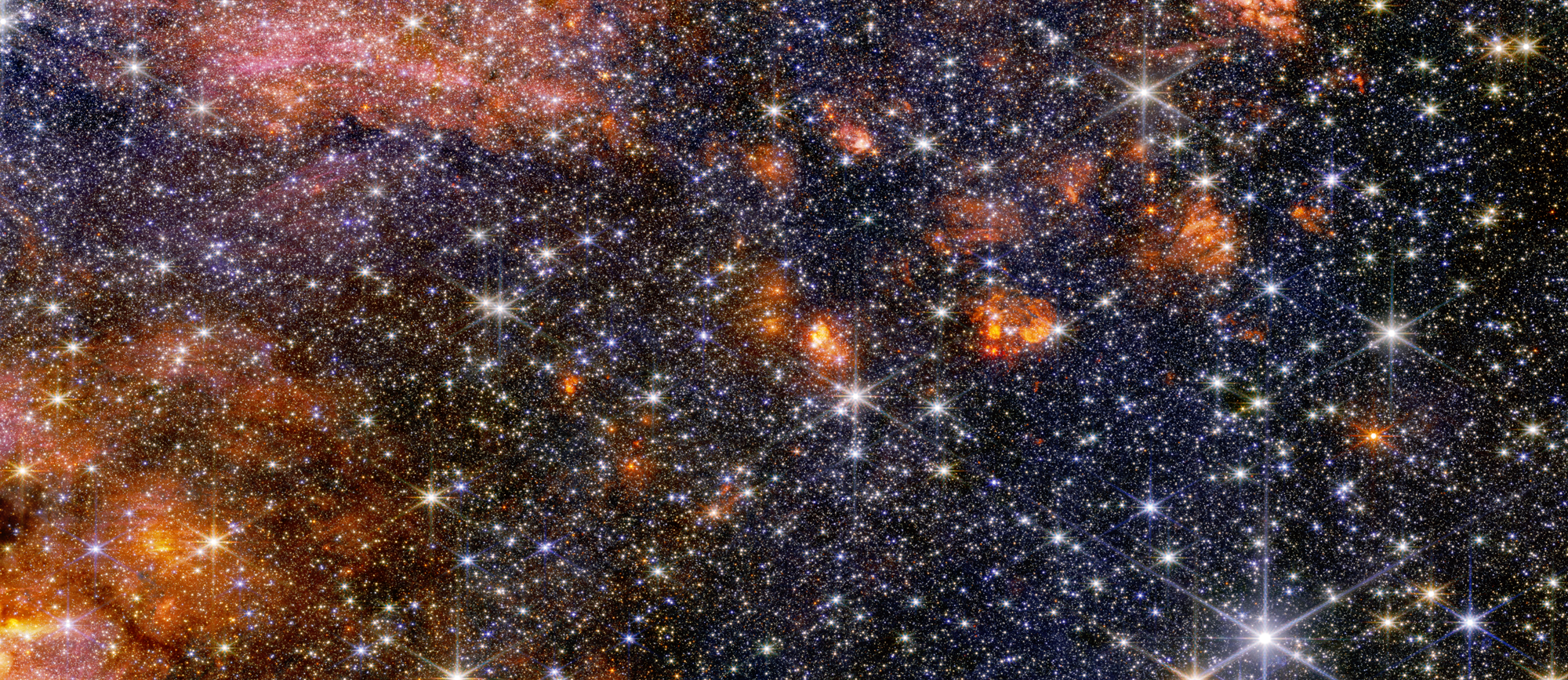
James Webb Space Telescope peers deep into the heart of star formation in our Milky Way galaxy
 space.com·8mo ago
James Webb Space Telescope Captures First Direct Image of Exoplanet
The James Webb Space Telescope has captured its first direct image discovery of an exoplanet by identifying the infrared light of a likely p
smithsonianmag.com·11mo ago
Funding Shortfalls Impact Operations of James Webb and Hubble Space Telescopes
The James Webb Space Telescope and Hubble Space Telescope are facing a reduction in operations due to funding shortfalls, as announced at a
astronomy.com·11mo agoAstronomers Just Solved the Mystery of the Universe's Missing Matter

NASA's Telescope Detects Potential Alien Life Signature, but U.S. Space Exploration at Risk
Scientists used NASA's James Webb Space Telescope to potentially detect a signature of alien life on a distant planet, sparking debate and s
theatlantic.com·11mo ago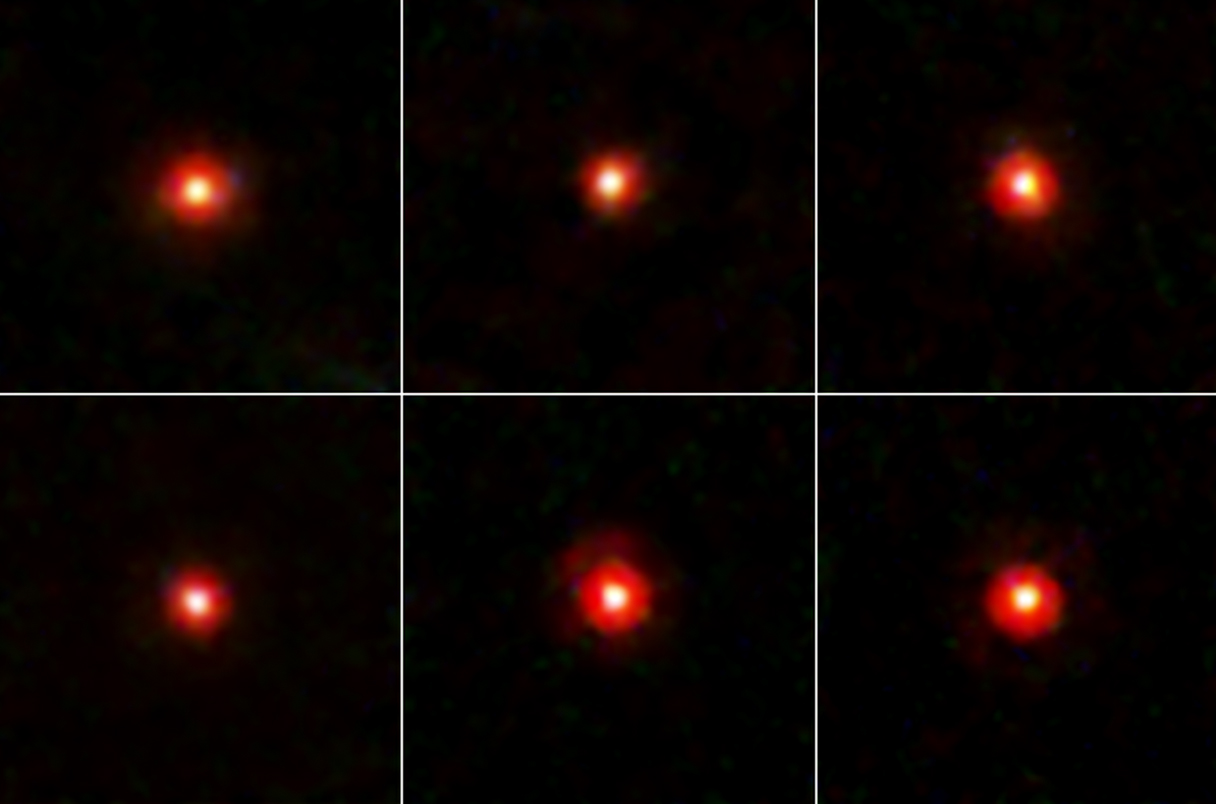
JWST Discovers Mysterious 'Little Red Dots' in Early Universe, Possibly New Celestial Objects
NASA's JWST telescope has discovered hundreds of 'little red dots' in the early universe, which may represent a new type of celestial object
 science.org·10mo ago