





















NASA's Telescope Detects Potential Alien Life Signature, but U.S. Space Exploration at Risk
By
voxleone

Hand-rolled, kettle-boiled, baked to perfection. Worth every minute at the bakery.
Summary
Scientists used NASA's James Webb Space Telescope to potentially detect a signature of alien life on a distant planet, sparking debate and showcasing humanity's technological advancements in space exploration. However, budget cuts to NASA may hinder future discoveries in the search for extraterrestrial life.
Key quotes
· 3 pulledIn April, scientists announced that they had used NASA’s James Webb Space Telescope to find a potential signature of alien life in the glow of a distant planet.
But the affair was still a watershed moment. It demonstrated that humans have finally built tools powerful enough to see across interstellar space and detect evidence of biospheres on distant worlds.
Cuts to NASA mean that the U.S. likely won’t build the next great space observatory.
You might also wanna read

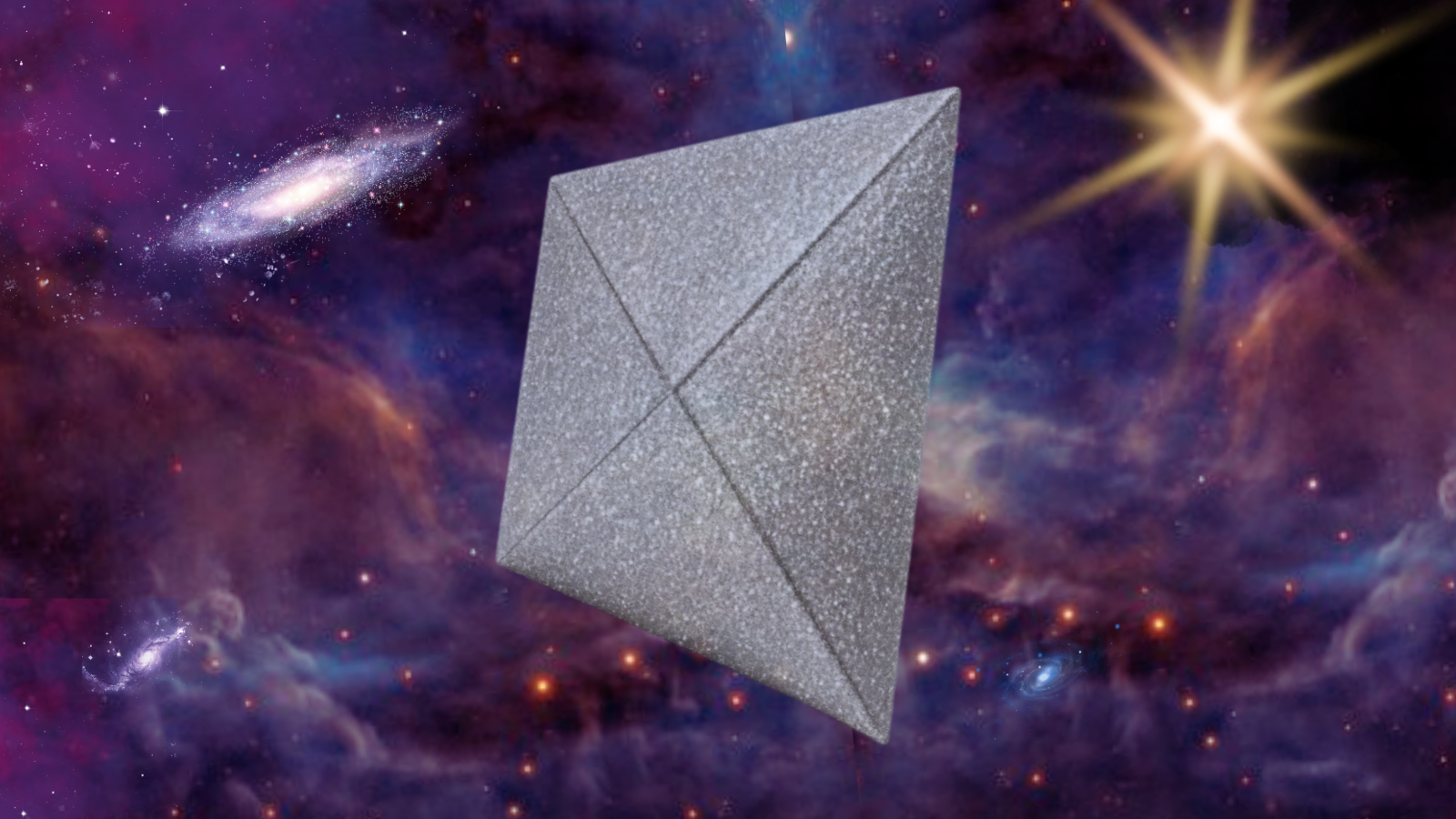
How solar sails could propel humanity to interstellar space
This article explores the concept of solar sails as a realistic propulsion method for interstellar space travel. It discusses how solar sail
 space.com·17h ago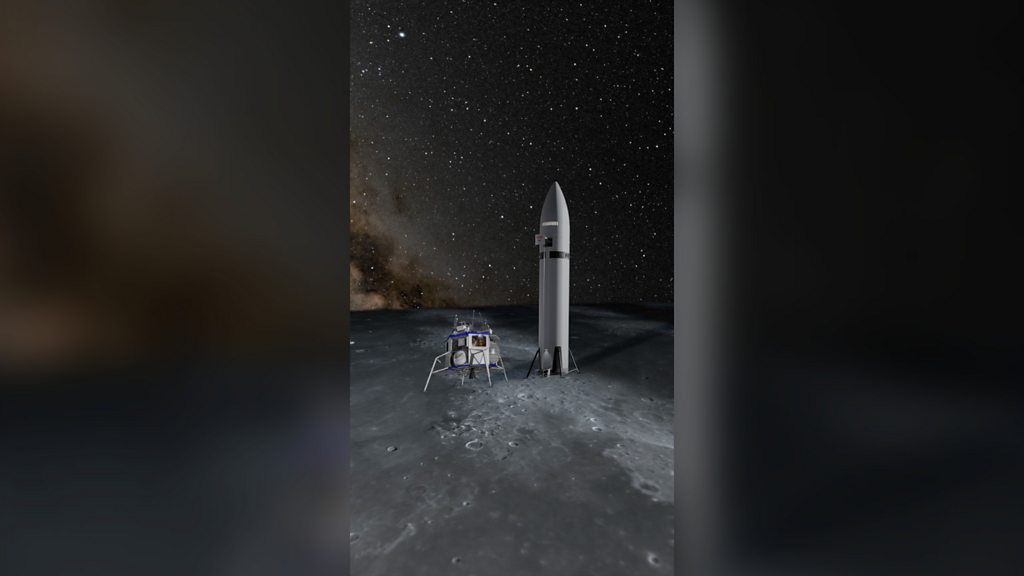
Nasa reveals plans for lunar base with robotic landers and drones
Nasa has released details of its plans to build a lunar base on the Moon, involving robotic landers, hopping drones, and vehicles. The initi
 bbc.com·20h ago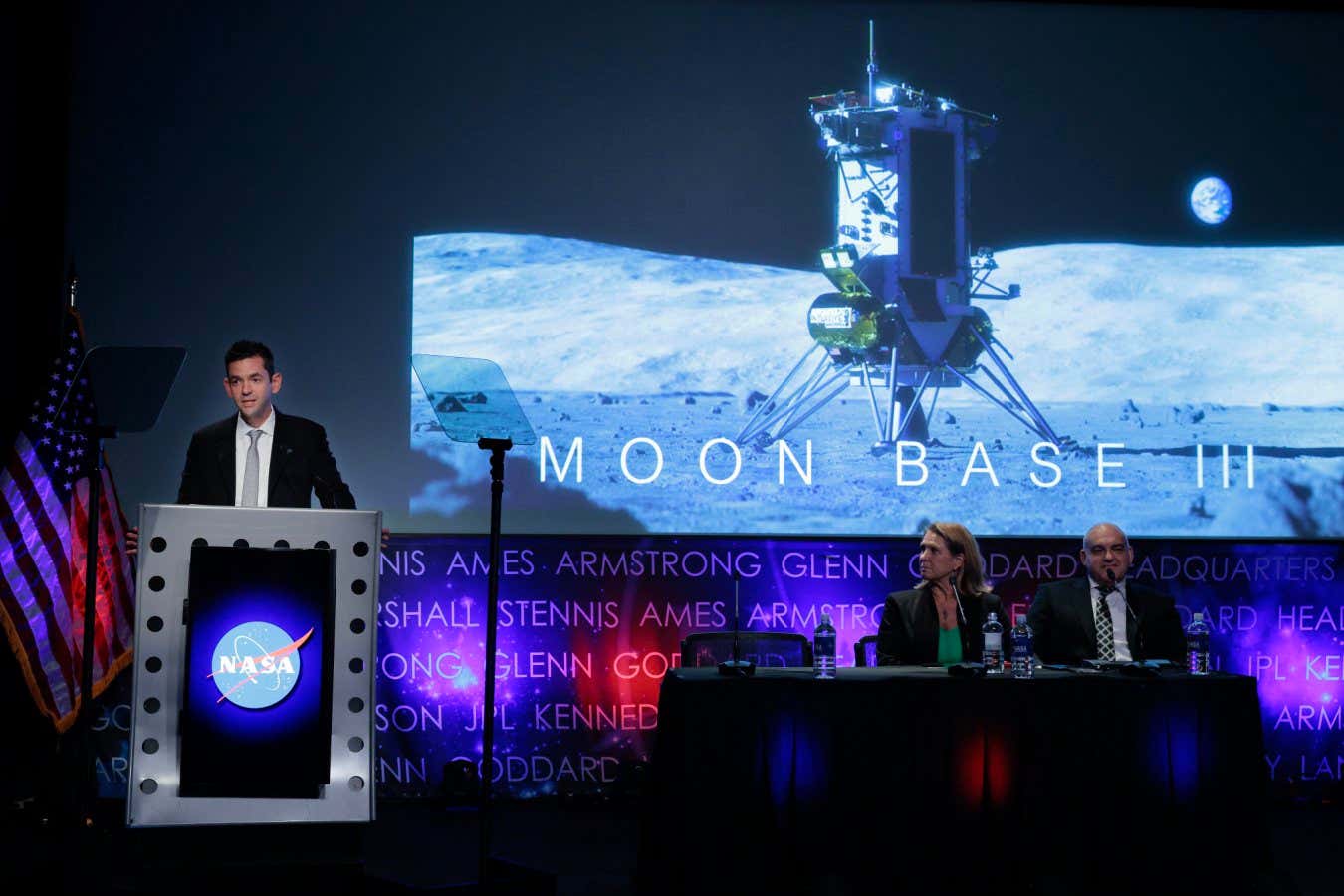
NASA reveals plans for permanent lunar base spanning hundreds of square kilometres
NASA has revealed plans to build a permanent lunar base spanning hundreds of square kilometres as part of its Artemis programme. The initial
 newscientist.com·1d ago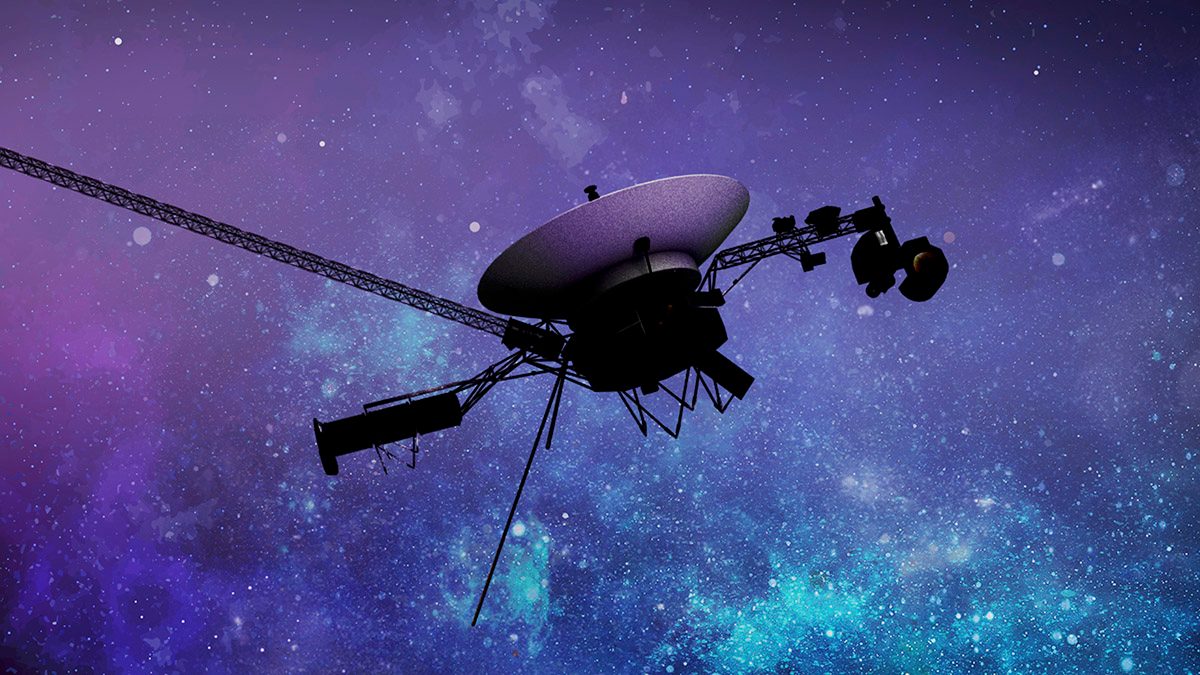
Voyager 1 to reach one light-day from Earth by November 2026
Voyager 1, the farthest human-made object in existence since 1998, is approaching a major milestone: on or around November 13, 2026, it will
 skyatnightmagazine.com·1d ago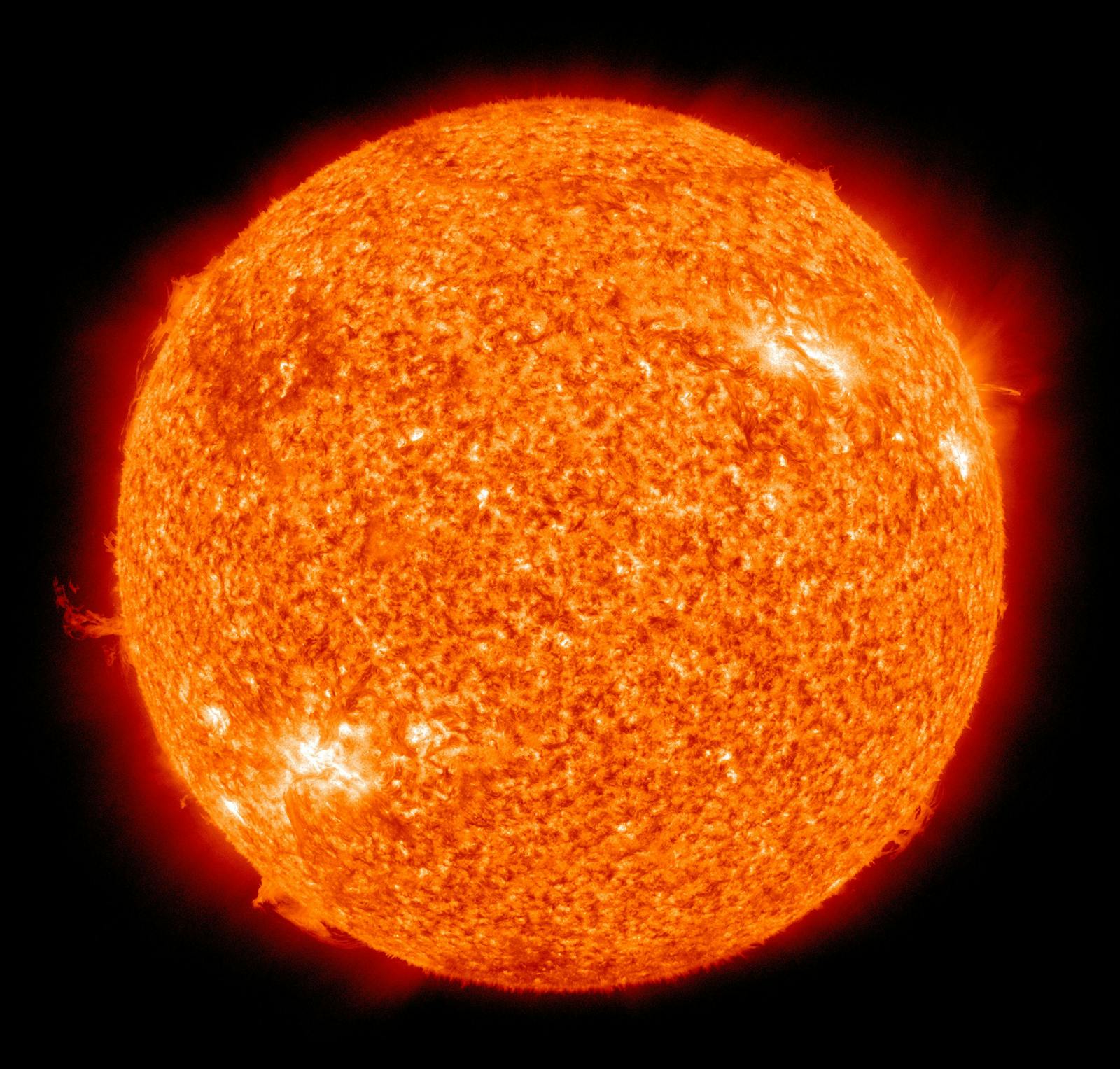
Parker Solar Probe flies through Sun's corona at 430,000 mph with revolutionary heat shield technology
NASA's Parker Solar Probe is successfully flying through the Sun's outer atmosphere (corona) at 430,000 mph, protected by a 4.5-inch carbon
 spacedaily.com·1d ago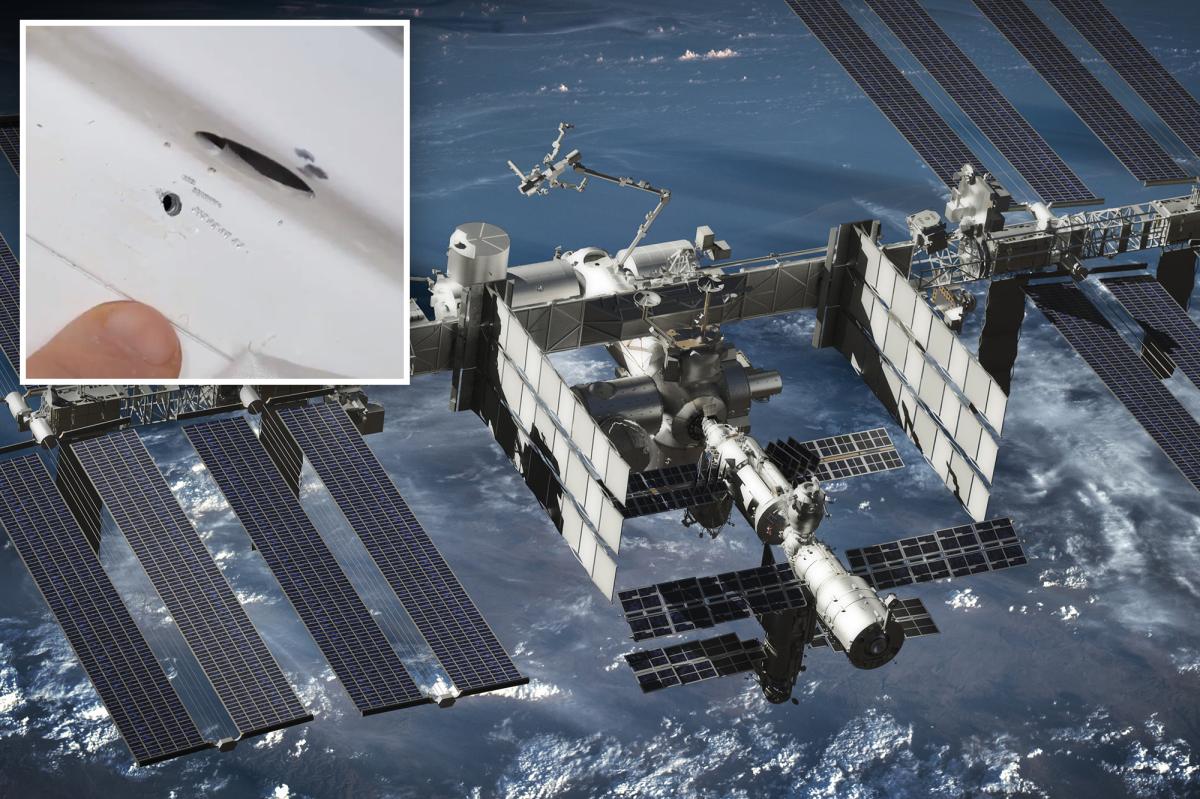
ISS reports new air leak in Russian module, ongoing problem since 2019
The International Space Station is experiencing another air leak in the PrK module, a narrow transfer tunnel on the Russian segment. This is
 nypost.com·1d ago