





















JWST's COSMOS-Web Survey Maps the Cosmic Web and Galaxy Evolution to Redshift z~7

Master baker tier. Every paragraph earns its place on the tray.
Summary
Astronomers used the largest JWST survey (COSMOS-Web) to map the cosmic web — the large-scale structure of the Universe — tracing galaxy evolution up to redshift z~7. The study reveals how galaxies are distributed along filaments and nodes of dark matter, providing insights into early galaxy formation and evolution in the context of cosmic structure. The research leverages deep JWST imaging to detect galaxies at unprecedented distances and map the underlying dark matter scaffolding of the Universe.
Key quotes
· 3 pulledThe cosmic web is the large-scale structure of the Universe, consisting of filaments, nodes, and voids that trace the distribution of dark matter and galaxies.
With JWST's unprecedented sensitivity, we can now map this structure at much earlier epochs than ever before.
This survey provides the largest contiguous map of the cosmic web at high redshift, revealing how galaxies evolve within their large-scale environment.
You might also wanna read

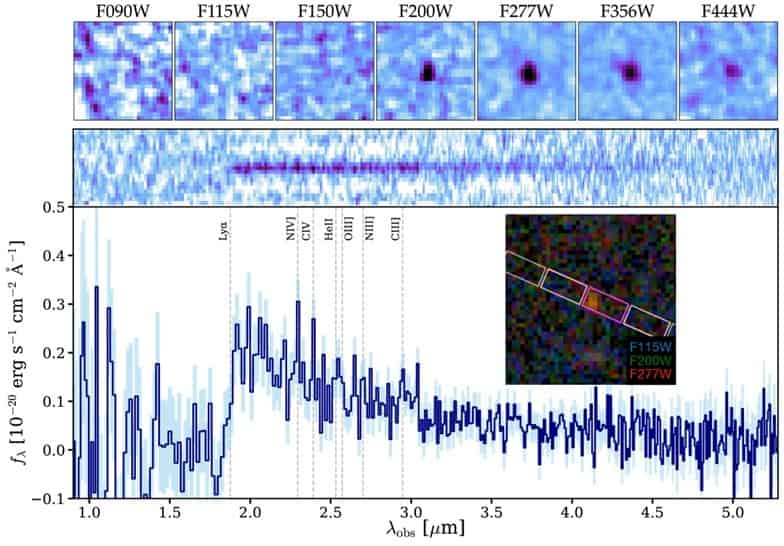
JWST Confirms Discovery of Exceptionally Luminous Galaxy at z=14.44, 280 Million Years After Big Bang
The James Webb Space Telescope has confirmed the discovery of MoM-z14, an exceptionally luminous galaxy that existed just 280 million years
 astro.theoj.org·3mo ago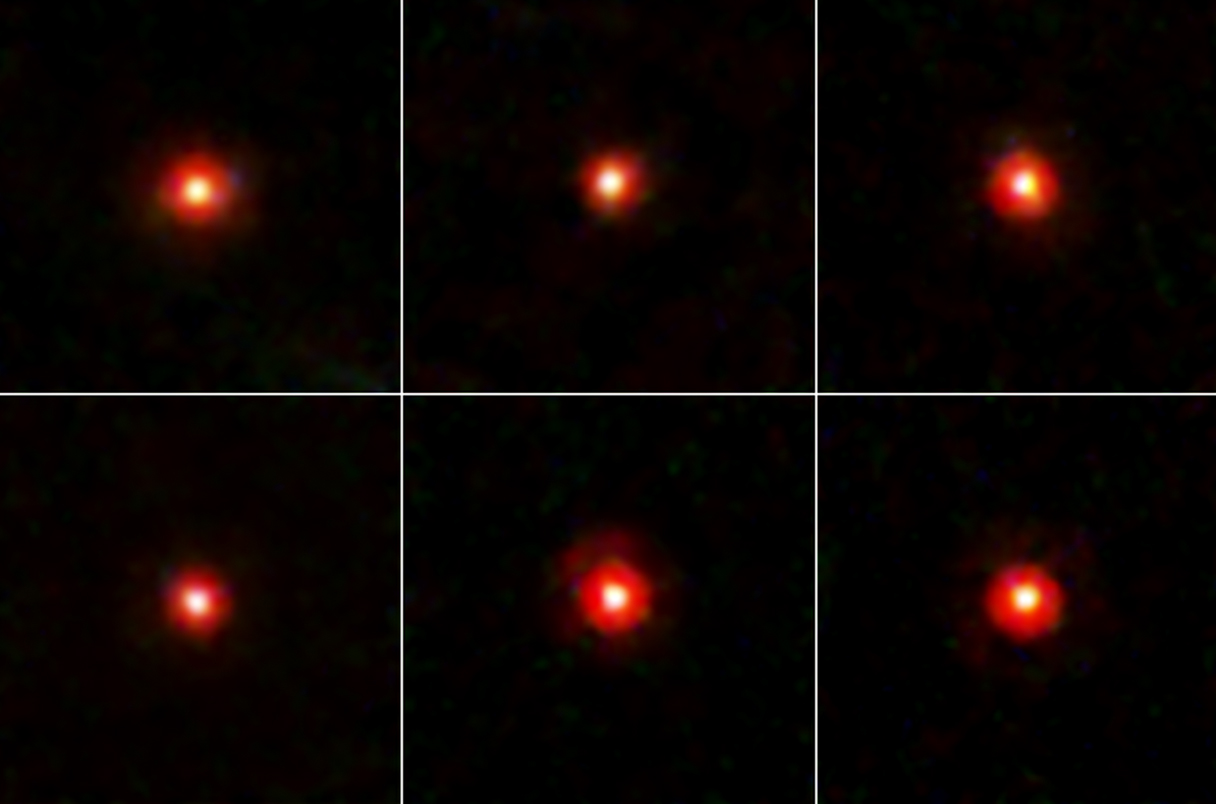
JWST Discovers Mysterious 'Little Red Dots' in Early Universe, Possibly New Celestial Objects
NASA's JWST telescope has discovered hundreds of 'little red dots' in the early universe, which may represent a new type of celestial object
 science.org·10mo ago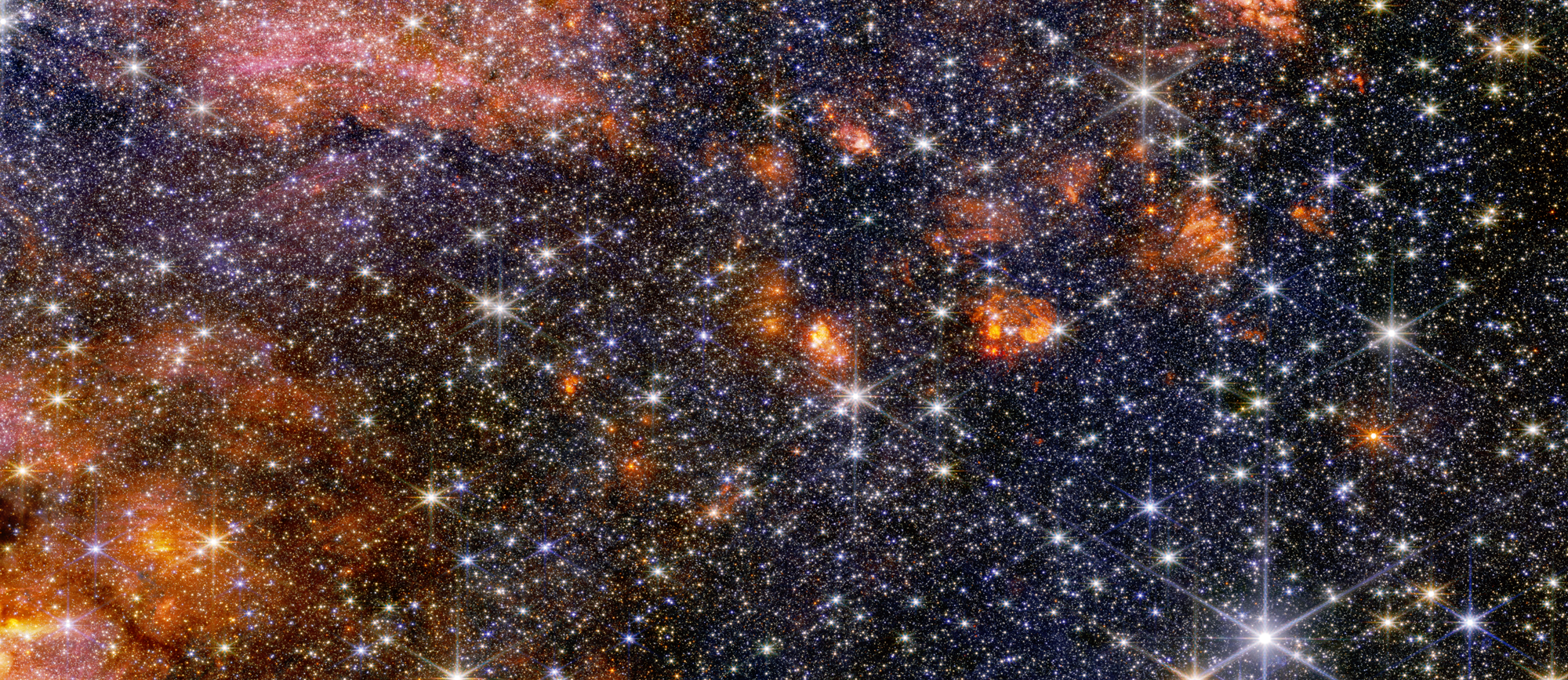
James Webb Space Telescope peers deep into the heart of star formation in our Milky Way galaxy
 space.com·8mo ago