
























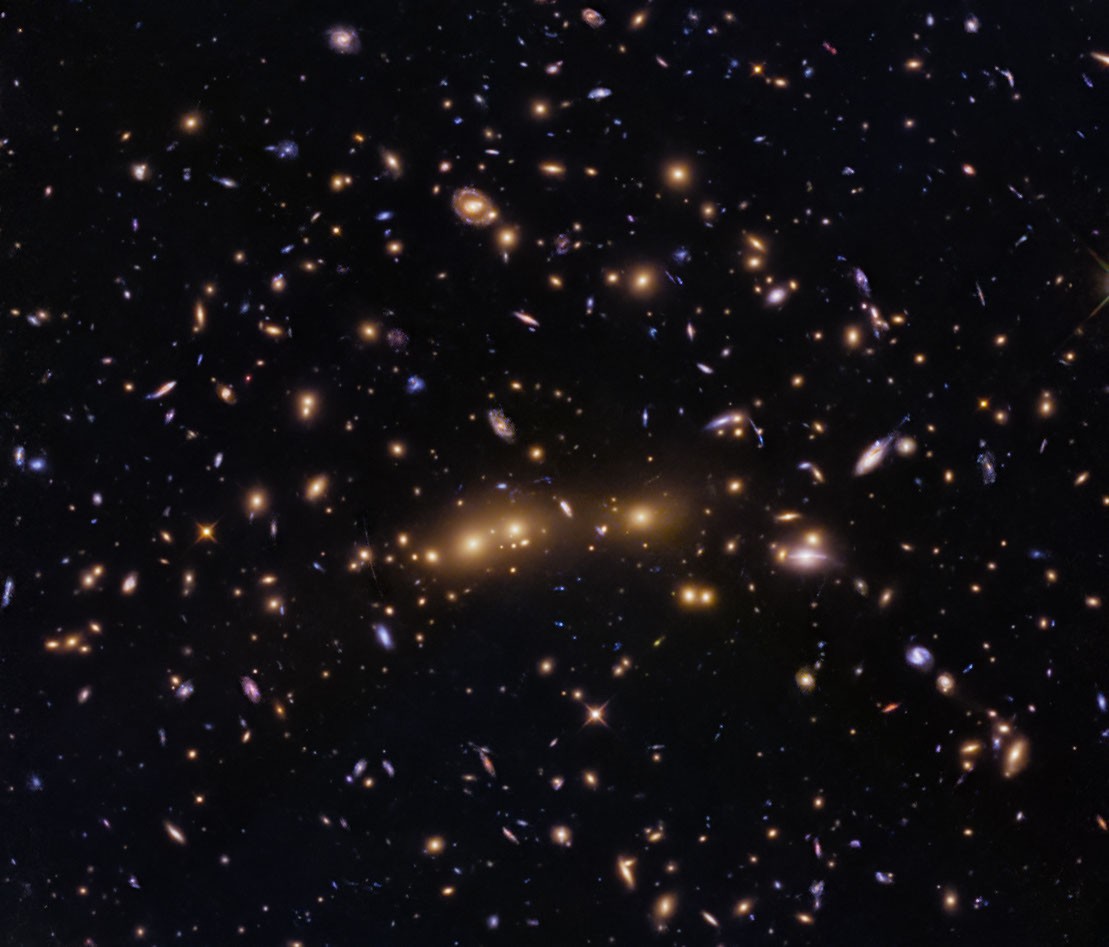
Hubble Captures Galaxy Cluster MACS0329-0211 With Gravity-Warped Light Forming Figure-Eight Shape
By
Jamie Redman
Summary
NASA's Hubble Space Telescope has captured a stunning image of MACS0329-0211, a massive galaxy cluster whose immense gravity warps and bends light from more distant galaxies into arcs, curves, and a prominent central figure-eight shape. The cluster, described as looking "somewhat like a swarm of bees returning to their hive," contains a diverse mix of galaxy types including large ellipticals, edge-on spirals, lenticulars, and face-on spirals, all bound together as one of the universe's largest gravitationally bound structures.
Source

 bskyHubble Captures Galaxy Cluster MACS0329-0211 With Gravity-Warped Light Forming Figure-Eight Shapenews.bitcoin.com
Key quotes
· 1 pulledsomewhat like a swarm of bees returning to their hive
You might also wanna read

Hubble Captures Merging Galaxy Cluster CL0016+1609 in New Image
This NASA Hubble Space Telescope image showcases the galaxy cluster CL0016+1609 (also known as MACS J0018.5+1626), which is exceptionally br
 go.nasa.gov·6d ago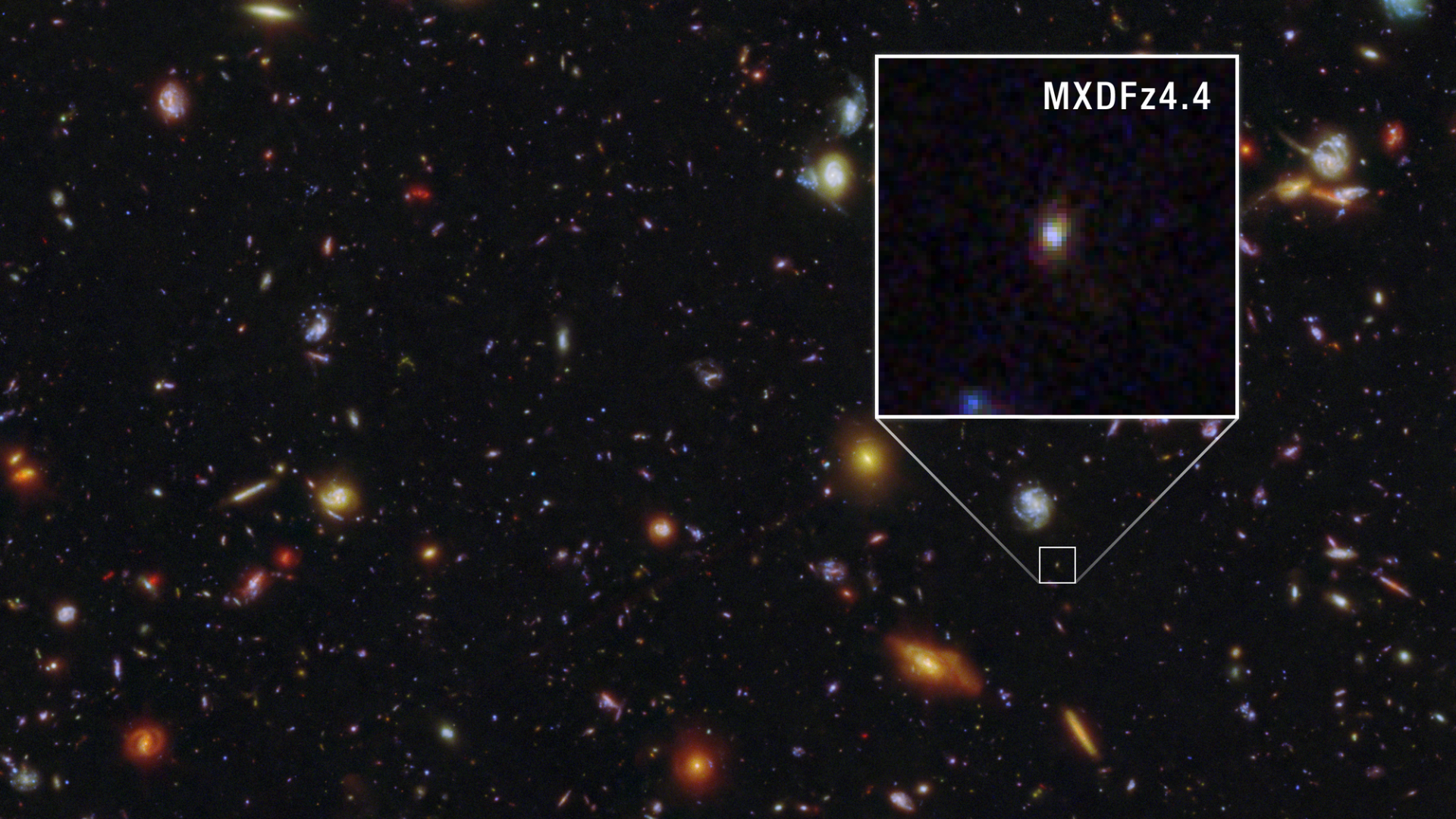
Hubble telescope images distant galaxy that helped clear the early universe's hydrogen fog
The Hubble Space Telescope has imaged a distant galaxy (MXDFz4.4) that existed 1.4 billion years after the Big Bang. This galaxy contains a
 space.com·21h ago
Hubble telescope images distant galaxy that helped clear the early universe's hydrogen fog
The Hubble Space Telescope has imaged a distant galaxy (MXDFz4.4) that existed 1.4 billion years after the Big Bang. This galaxy contains a
space.com·21h ago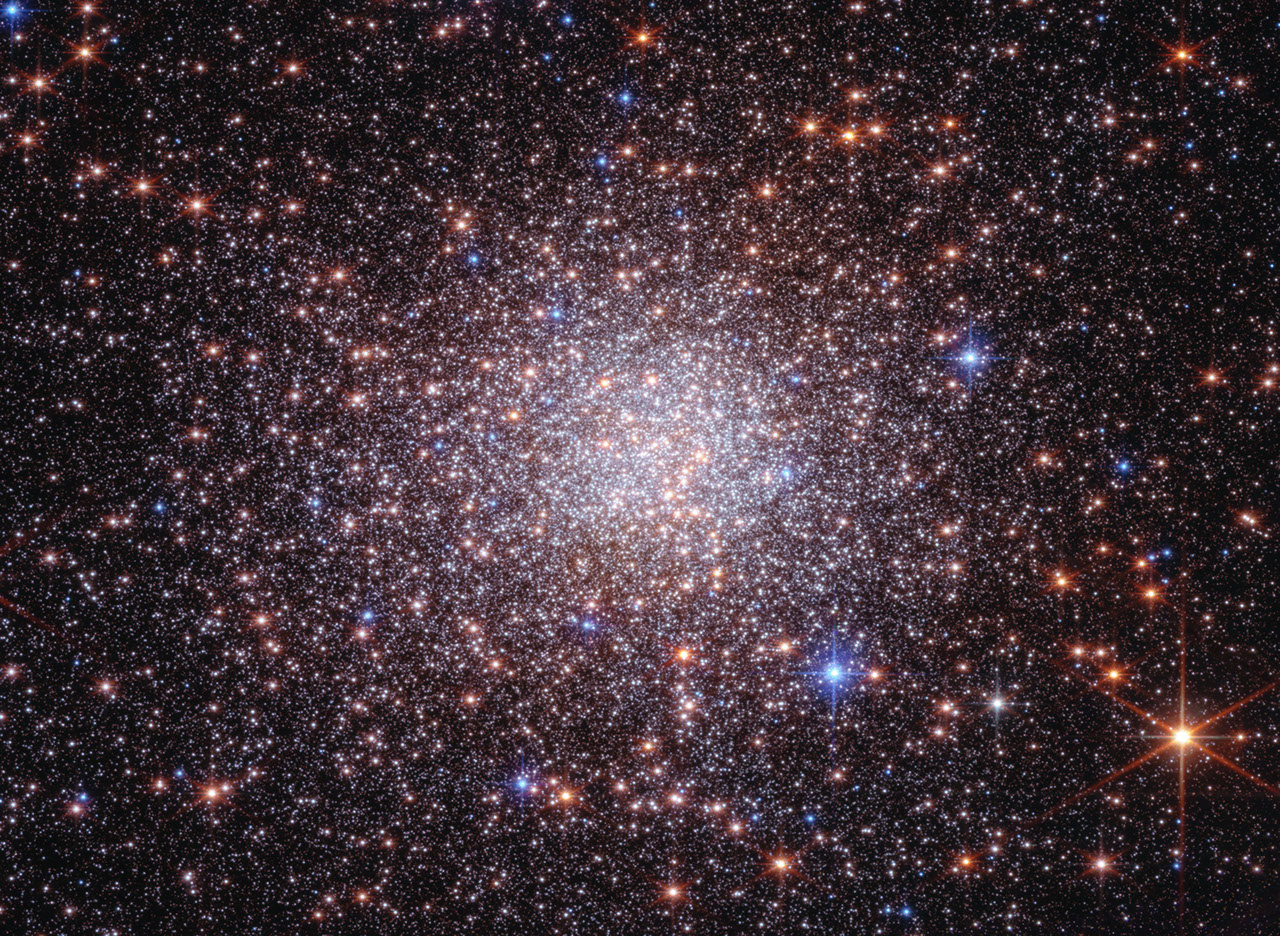
NASA's Webb and Hubble Telescopes Reveal Terzan 5 Is Not a Globular Cluster, Offering New Galaxy Formation Insights
Researchers using NASA's James Webb and Hubble Space Telescopes have reclassified Terzan 5, previously thought to be a globular star cluster
go.nasa.gov·7d ago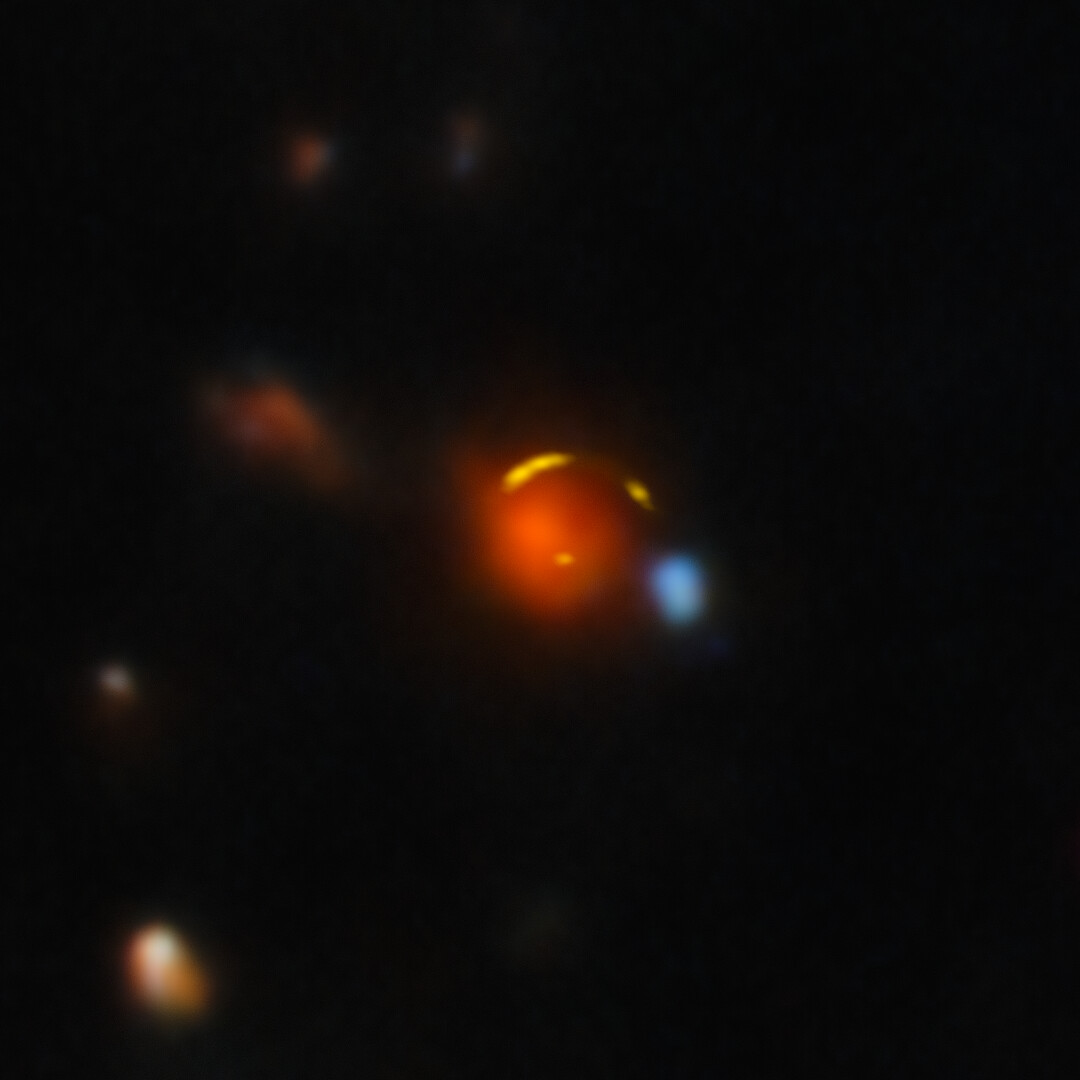
ALMA Identifies Ancient Starburst Galaxy as Likely Source of IceCube High-Energy Neutrino
Astronomers using ALMA have identified a compact, intensely star-forming galaxy from 11 billion years ago as the most likely source of a hig
 almaobservatory.org·5d ago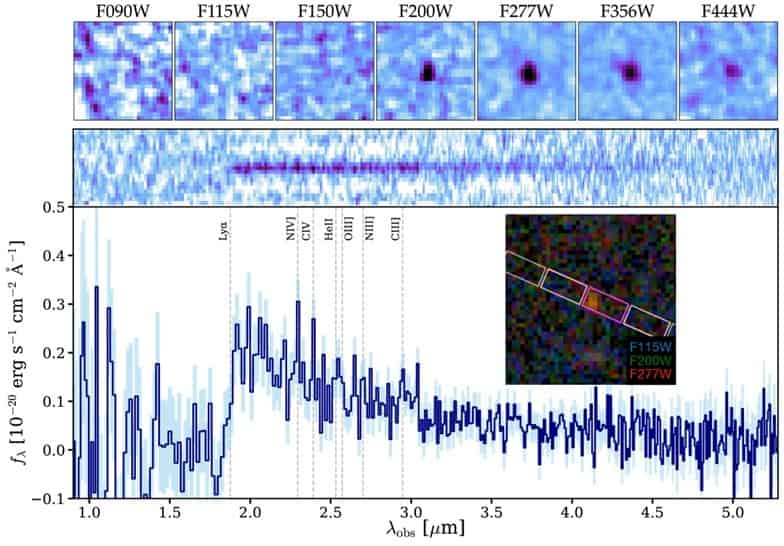
JWST Confirms Discovery of Exceptionally Luminous Galaxy at z=14.44, 280 Million Years After Big Bang
The James Webb Space Telescope has confirmed the discovery of MoM-z14, an exceptionally luminous galaxy that existed just 280 million years
 astro.theoj.org·4mo ago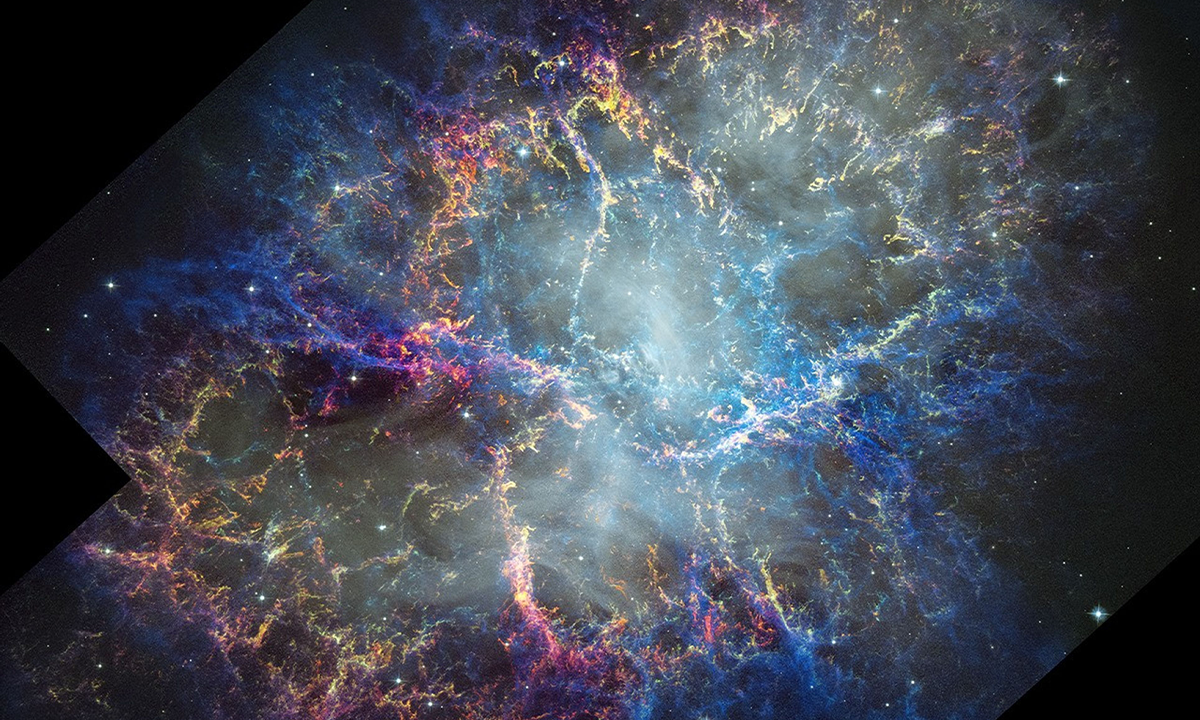
Hubble Space Telescope Captures New Image of Crab Nebula, Supernova Witnessed in 1054 AD
The article discusses the Hubble Space Telescope's new image of the Crab Nebula, which originated from a supernova explosion witnessed by Ch
 nautil.us·3mo ago
Comments
Sign in to join the conversation.
No comments yet. Be the first.