
























ALMA Identifies Ancient Starburst Galaxy as Likely Source of IceCube High-Energy Neutrino
Summary
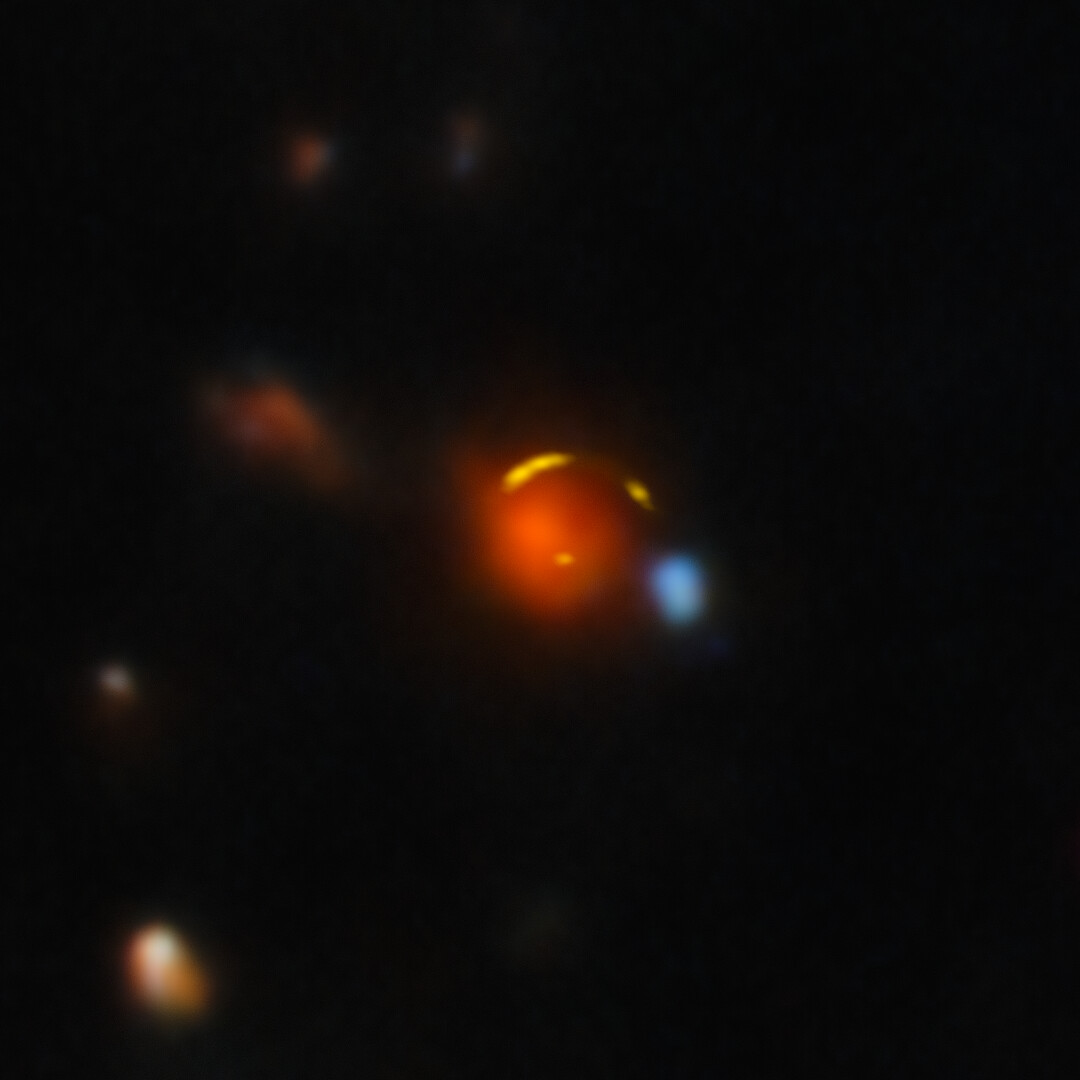
Astronomers using ALMA have identified a compact, intensely star-forming galaxy from 11 billion years ago as the most likely source of a high-energy neutrino detected by IceCube. Gravitational lensing allowed detailed study of this dust-obscured galaxy, which is the strongest electromagnetic counterpart candidate linked to an IceCube neutrino event. The discovery helps bridge multi-messenger astronomy, connecting neutrino detections with their cosmic origins.
Source
 Twitter / XALMA Identifies Ancient Starburst Galaxy as Likely Source of IceCube High-Energy Neutrinoalmaobservatory.org
Key quotes
· 3 pulledAstronomers using the Atacama Large Millimeter/submillimeter Array (ALMA) have revealed the hidden structure of an intensely star-forming galaxy as it appeared nearly 11 billion years ago.
Located in the same patch of sky as a high-energy neutrino detected by the IceCube Neutrino Observatory, the galaxy is the most plausible electromagnetic counterpart candidate.
Gravitational lensing allowed astronomers to study a compact, dust-obscured galaxy from 11 billion years ago that is the most plausible counterpart candidate to an IceCube neutrino event.
You might also wanna read

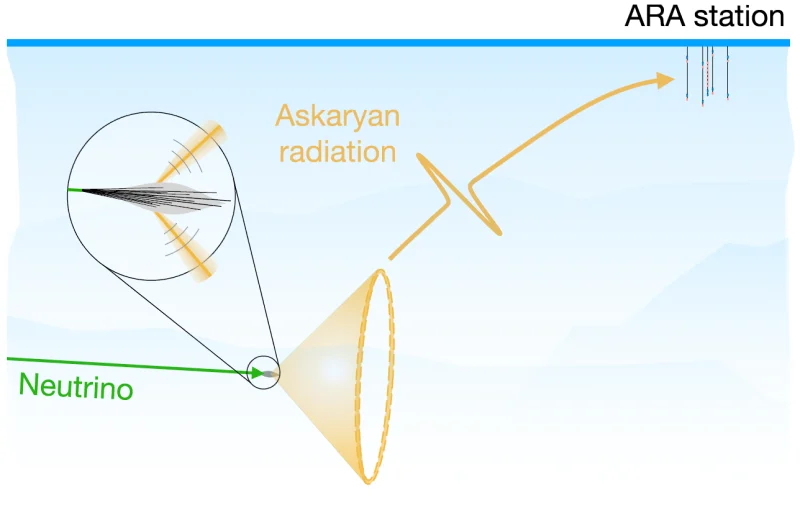
First direct observation of Askaryan radiation in ice confirms new method for detecting ultrahigh-energy neutrinos
This paper presents the first direct observation of Askaryan radiation in ice induced by high-energy cosmic rays, serving as a proof-of-conc
 astrobites.org·22d ago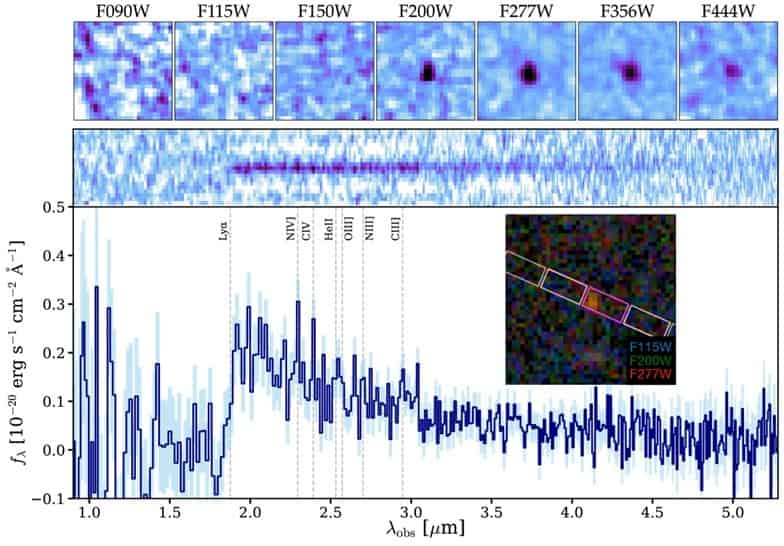
JWST Confirms Discovery of Exceptionally Luminous Galaxy at z=14.44, 280 Million Years After Big Bang
The James Webb Space Telescope has confirmed the discovery of MoM-z14, an exceptionally luminous galaxy that existed just 280 million years
 astro.theoj.org·4mo ago
Astronomers observe young galaxy blowing away star-forming gas, explaining early 'dead' galaxies found by JWST
Astronomers have observed a young galaxy system called CRISTAL-02 that appears to be blowing away the cold gas needed for star formation, pr
 astronomynow.com·12d ago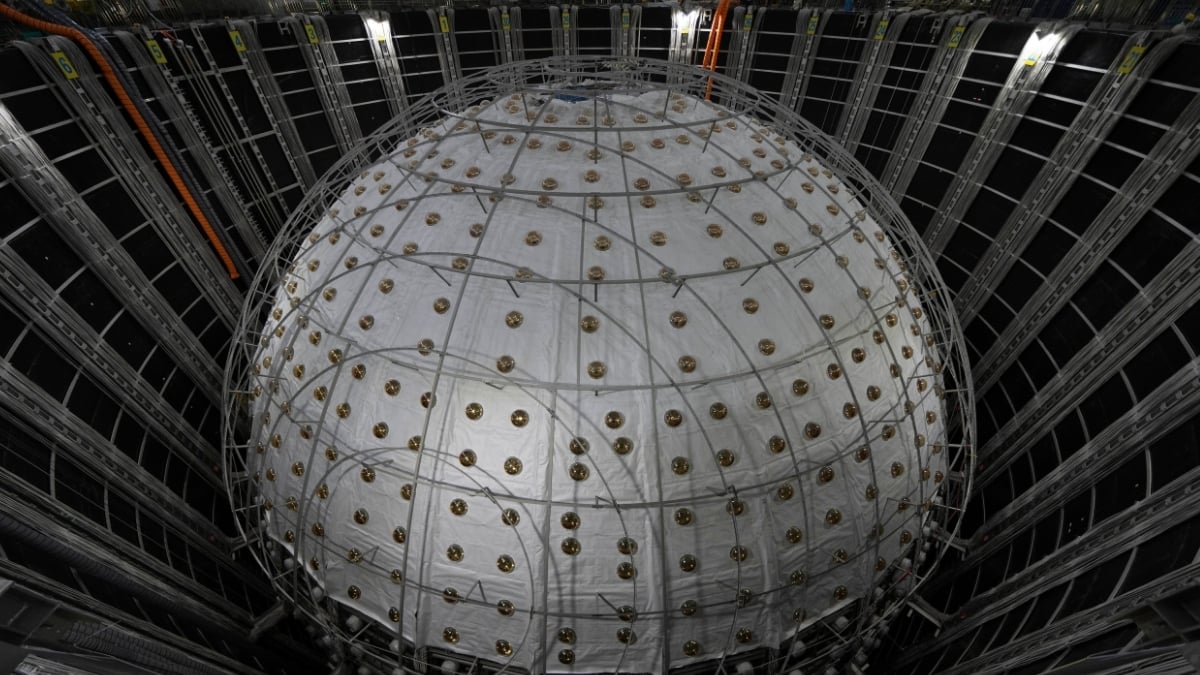
China's Jiangmen Underground Neutrino Observatory Releases First Major Findings on Neutrinos
The Jiangmen Underground Neutrino Observatory (JUNO) in China has released its first major findings on neutrinos—tiny cosmic particles from
 sciencealert.com·9d ago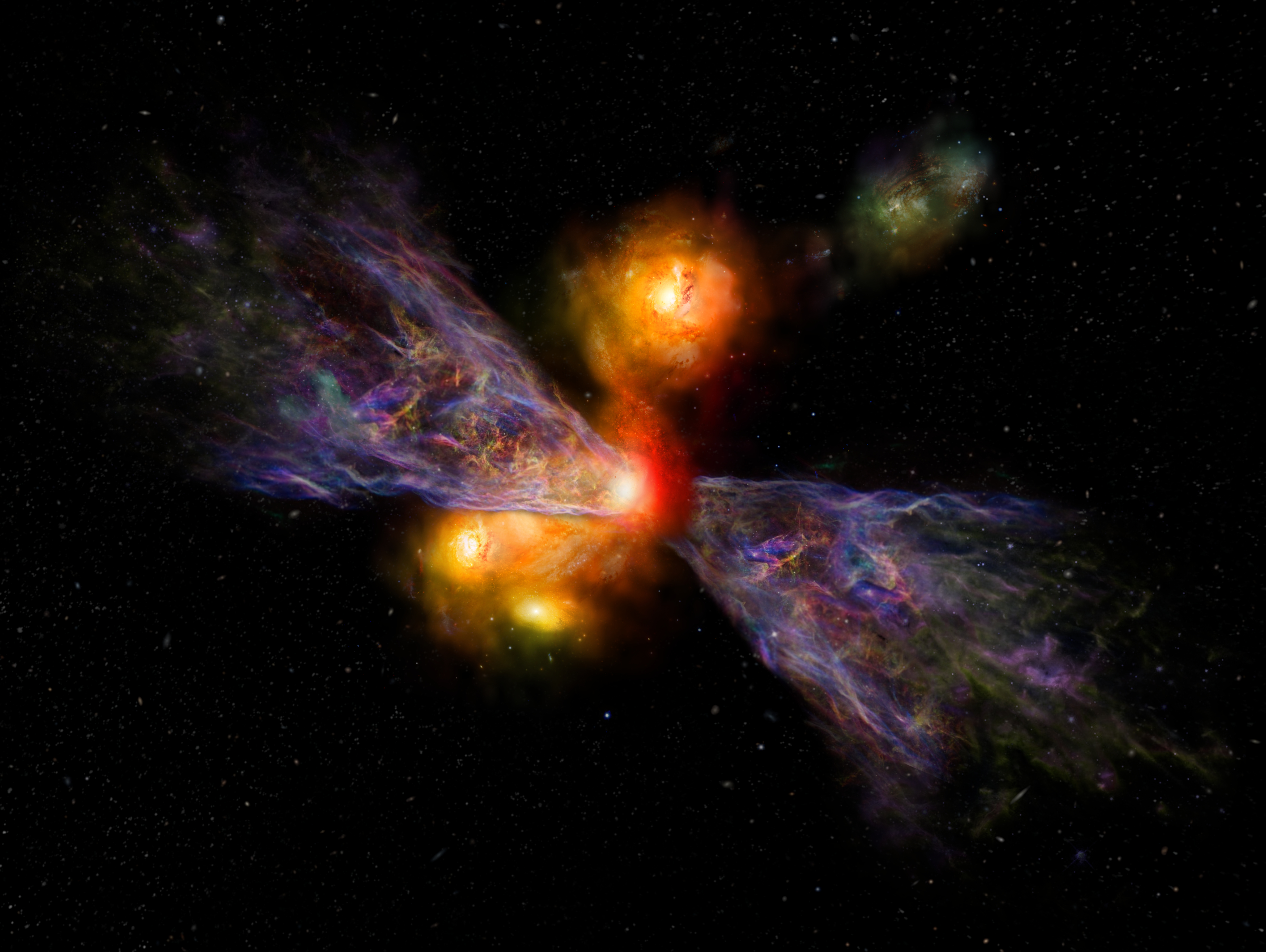
Astronomers discover galaxy-killing wind that explains early universe's dead galaxies
Astronomers using the James Webb Space Telescope have discovered a 'galaxy-killing wind' in the early universe, powered by cosmic collisions
 ras.ac.uk·12d ago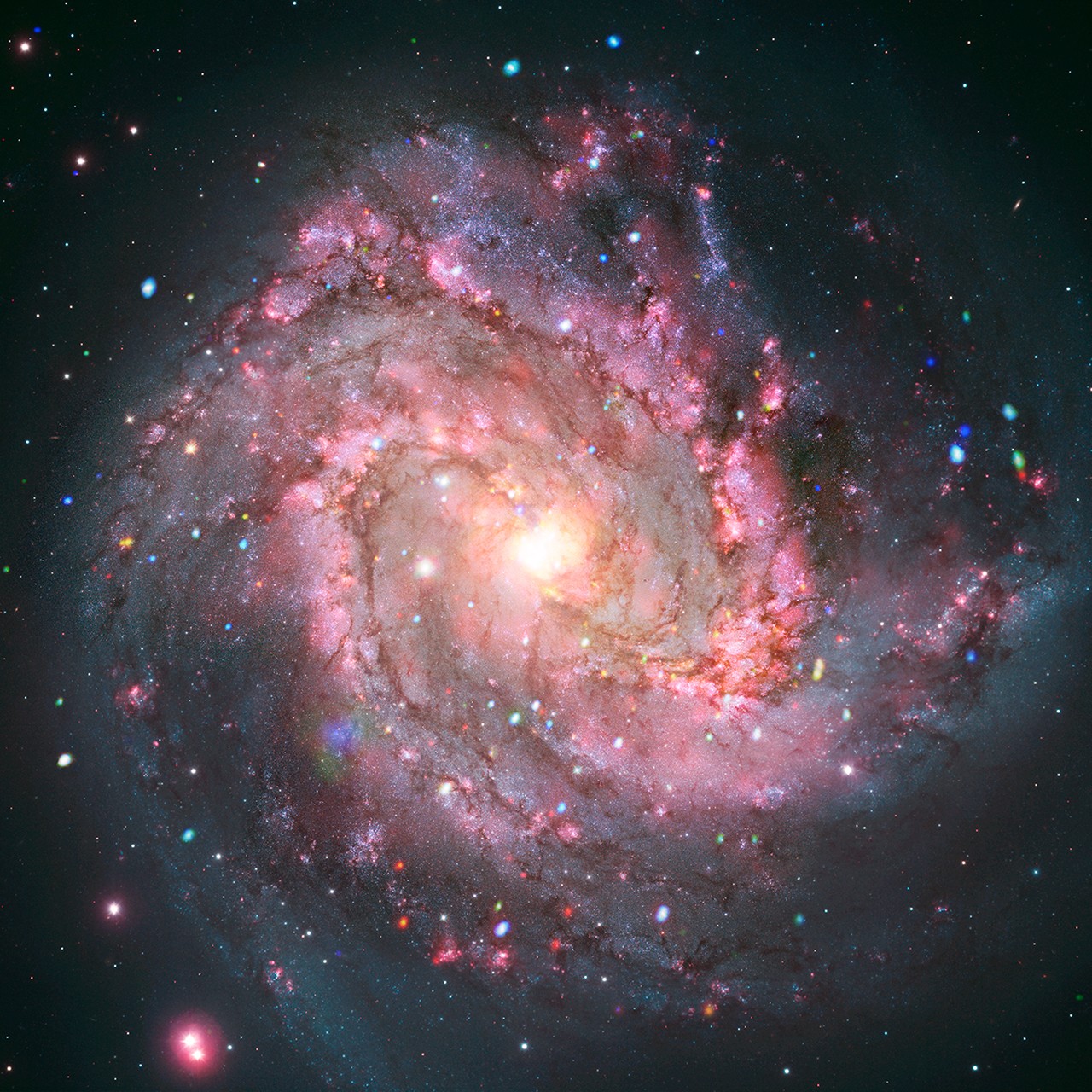
NASA's Chandra Observatory Discovers Unexpected Brightness Changes in Supernova Remnants in Galaxy M83
Astronomers using NASA's Chandra X-ray Observatory studied the galaxy Messier 83 (M83) over a 14-year period and unexpectedly discovered tha
 science.nasa.gov·5d ago
Comments
Sign in to join the conversation.
No comments yet. Be the first.