
























Hubble Captures Merging Galaxy Cluster CL0016+1609 in New Image
By
Andrea Gianopoulos
Summary
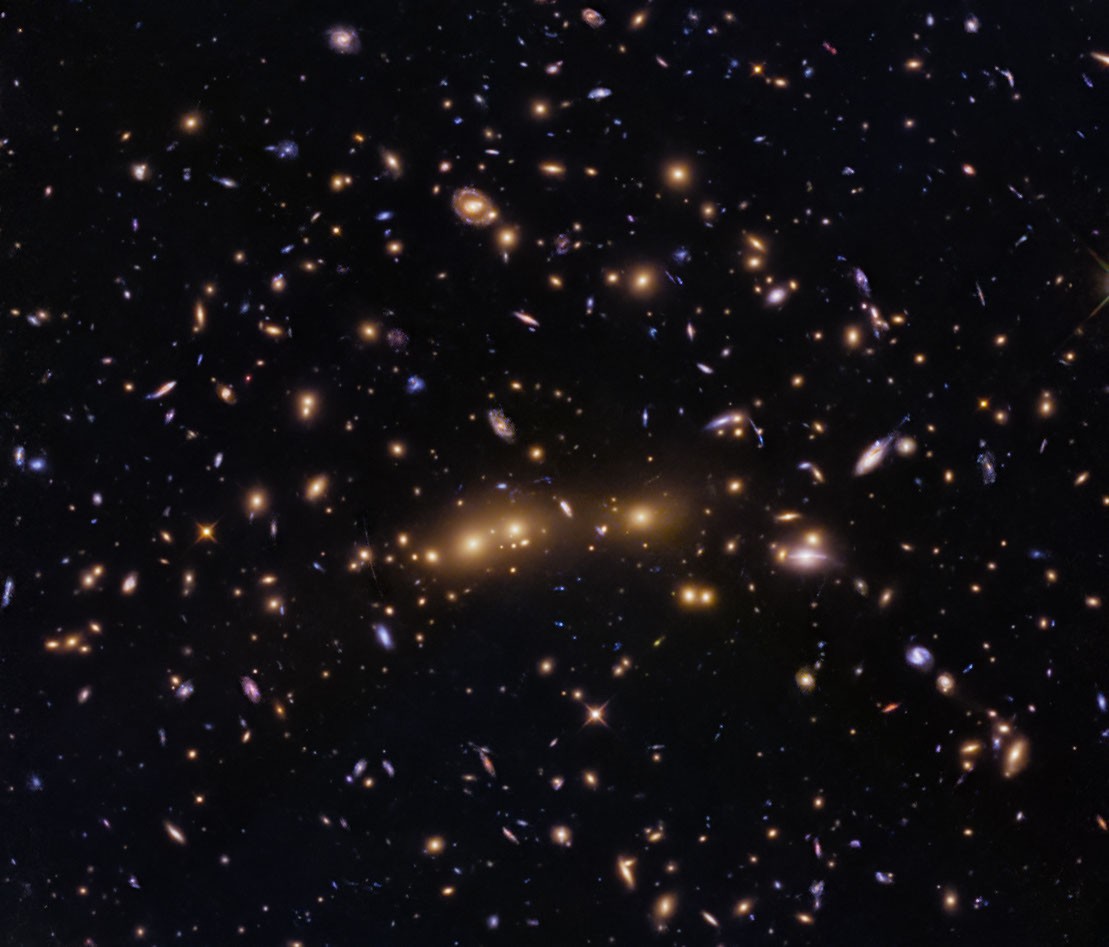
This NASA Hubble Space Telescope image showcases the galaxy cluster CL0016+1609 (also known as MACS J0018.5+1626), which is exceptionally bright in X-ray wavelengths and extensively studied. X-ray observations reveal that this is actually two galaxy clusters merging along our line of sight, providing valuable insights into cluster dynamics and large-scale structure formation in the universe.
Source
 Twitter / XHubble Captures Merging Galaxy Cluster CL0016+1609 in New Imagego.nasa.gov
Key quotes
· 2 pulledThis NASA Hubble Space Telescope image features a galaxy cluster, called CL0016+1609 or MACS J0018.5+1626, that is very bright at X-ray wavelengths and is one of the most extensively studied clusters at X-ray and radio wavelengths.
The X-ray observations of this cluster revealed that it is two clusters merging along our line of sight.
You might also wanna read


Hubble Captures Galaxy Cluster MACS0329-0211 With Gravity-Warped Light Forming Figure-Eight Shape
NASA's Hubble Space Telescope has captured a stunning image of MACS0329-0211, a massive galaxy cluster whose immense gravity warps and bends
 news.bitcoin.com·5d ago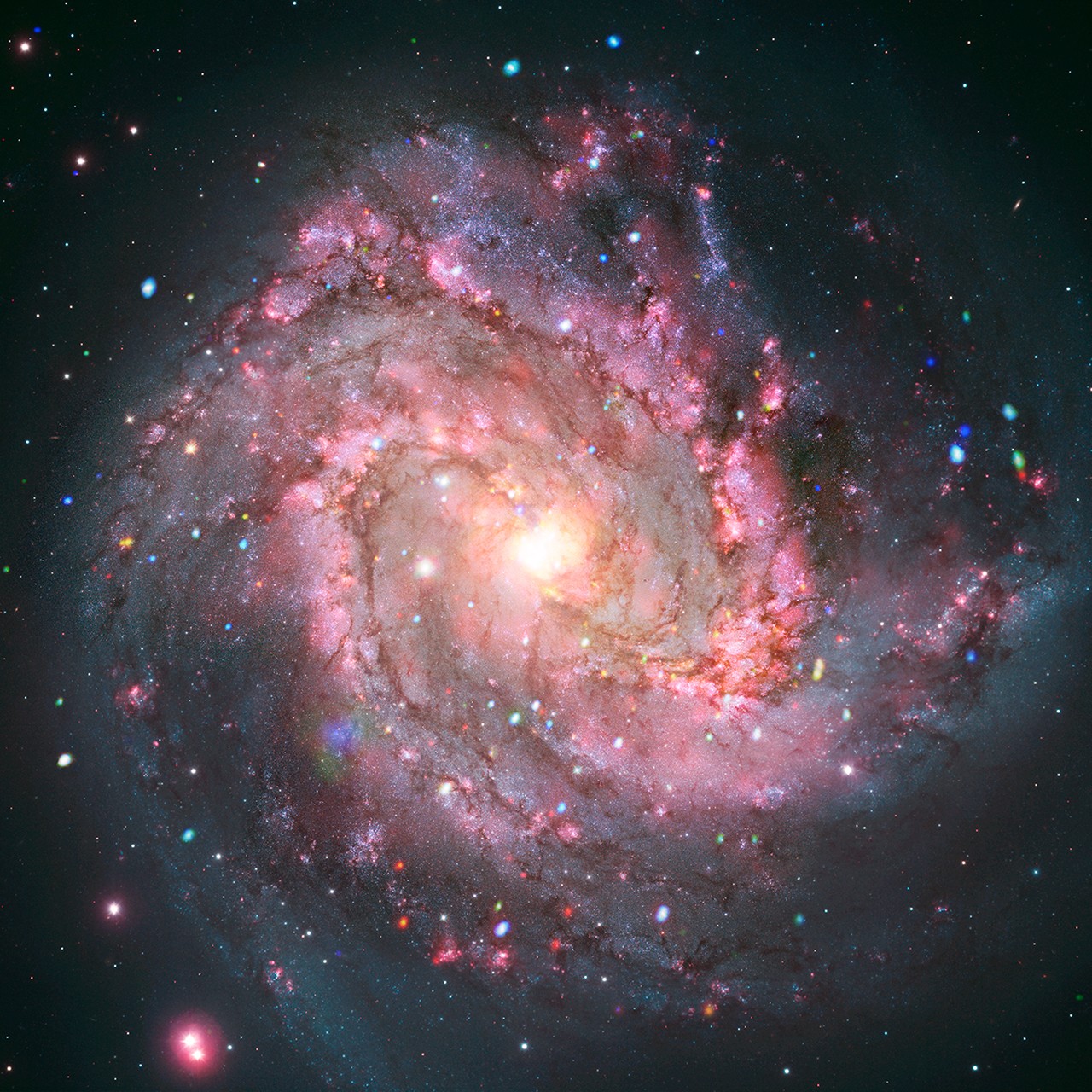
NASA's Chandra Observatory Discovers Unexpected Brightness Changes in Supernova Remnants in Galaxy M83
Astronomers using NASA's Chandra X-ray Observatory studied the galaxy Messier 83 (M83) over a 14-year period and unexpectedly discovered tha
science.nasa.gov·6d ago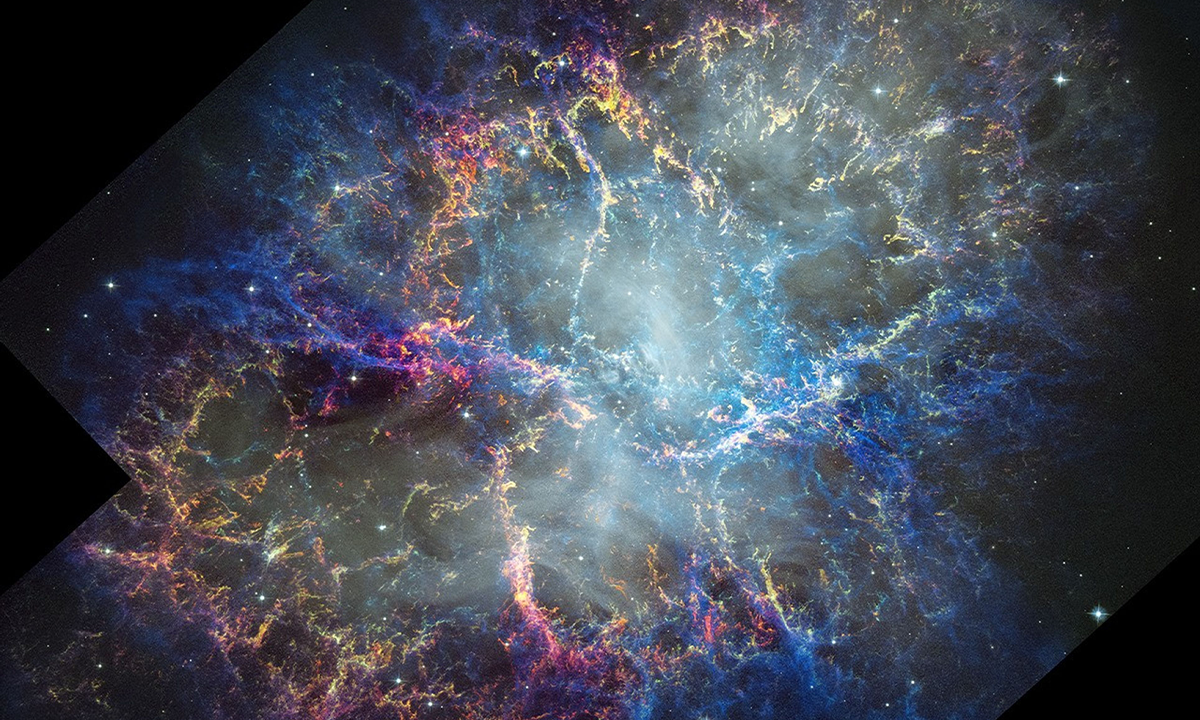
Hubble Space Telescope Captures New Image of Crab Nebula, Supernova Witnessed in 1054 AD
The article discusses the Hubble Space Telescope's new image of the Crab Nebula, which originated from a supernova explosion witnessed by Ch
 nautil.us·3mo ago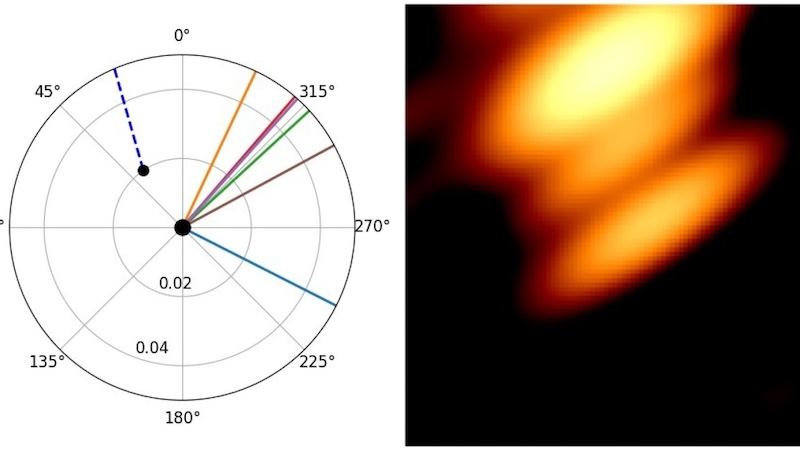
First Image Captured of Two Black Holes Orbiting Each Other in Distant Quasar
Scientists have captured the first confirmed image of two black holes orbiting each other in quasar OJ287, located five billion light-years
 helsinkitimes.fi·8mo ago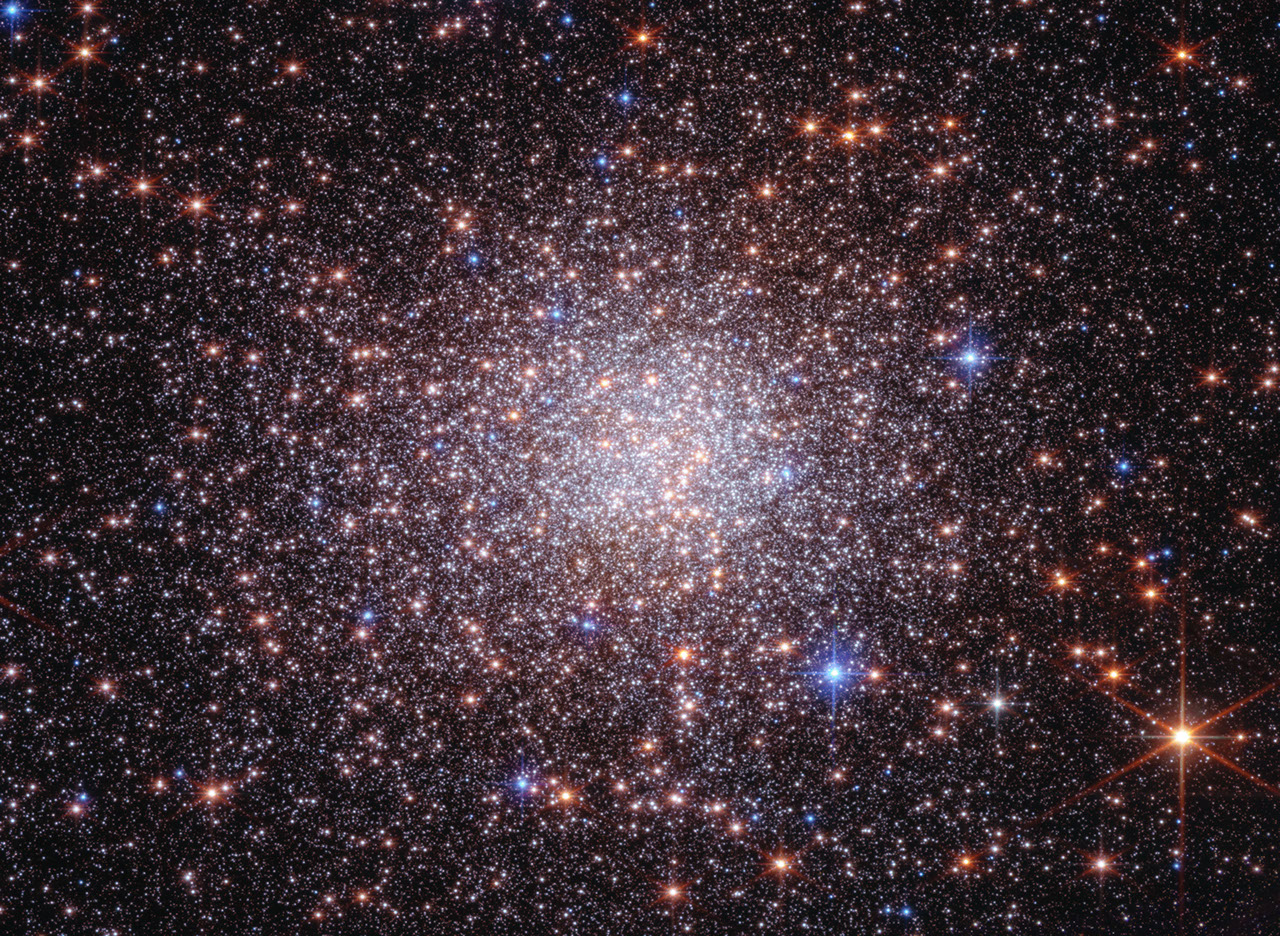
NASA's Webb and Hubble Telescopes Reveal Terzan 5 Is Not a Globular Cluster, Offering New Galaxy Formation Insights
Researchers using NASA's James Webb and Hubble Space Telescopes have reclassified Terzan 5, previously thought to be a globular star cluster
science.nasa.gov·6d ago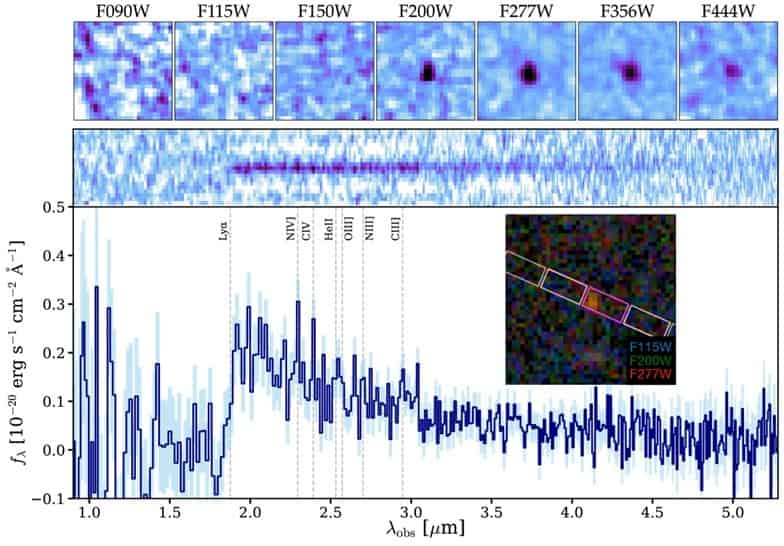
JWST Confirms Discovery of Exceptionally Luminous Galaxy at z=14.44, 280 Million Years After Big Bang
The James Webb Space Telescope has confirmed the discovery of MoM-z14, an exceptionally luminous galaxy that existed just 280 million years
 astro.theoj.org·4mo ago
Comments
Sign in to join the conversation.
No comments yet. Be the first.