
























JWST discovers highly evolved galaxy cluster at cosmic noon, challenging theories of early universe structure formation
By
Robert Lea
Summary
Astronomers using the James Webb Space Telescope have observed XLSSC 122, a massive and densely packed galaxy cluster at 'cosmic noon' — a period roughly 2-3 billion years after the Big Bang. The cluster, first detected in 2014, appears far more evolved than expected for its early epoch, potentially challenging existing theories of cosmic structure formation and evolution. The findings suggest that galaxy clusters may have formed and matured much earlier than previously thought possible.
Source
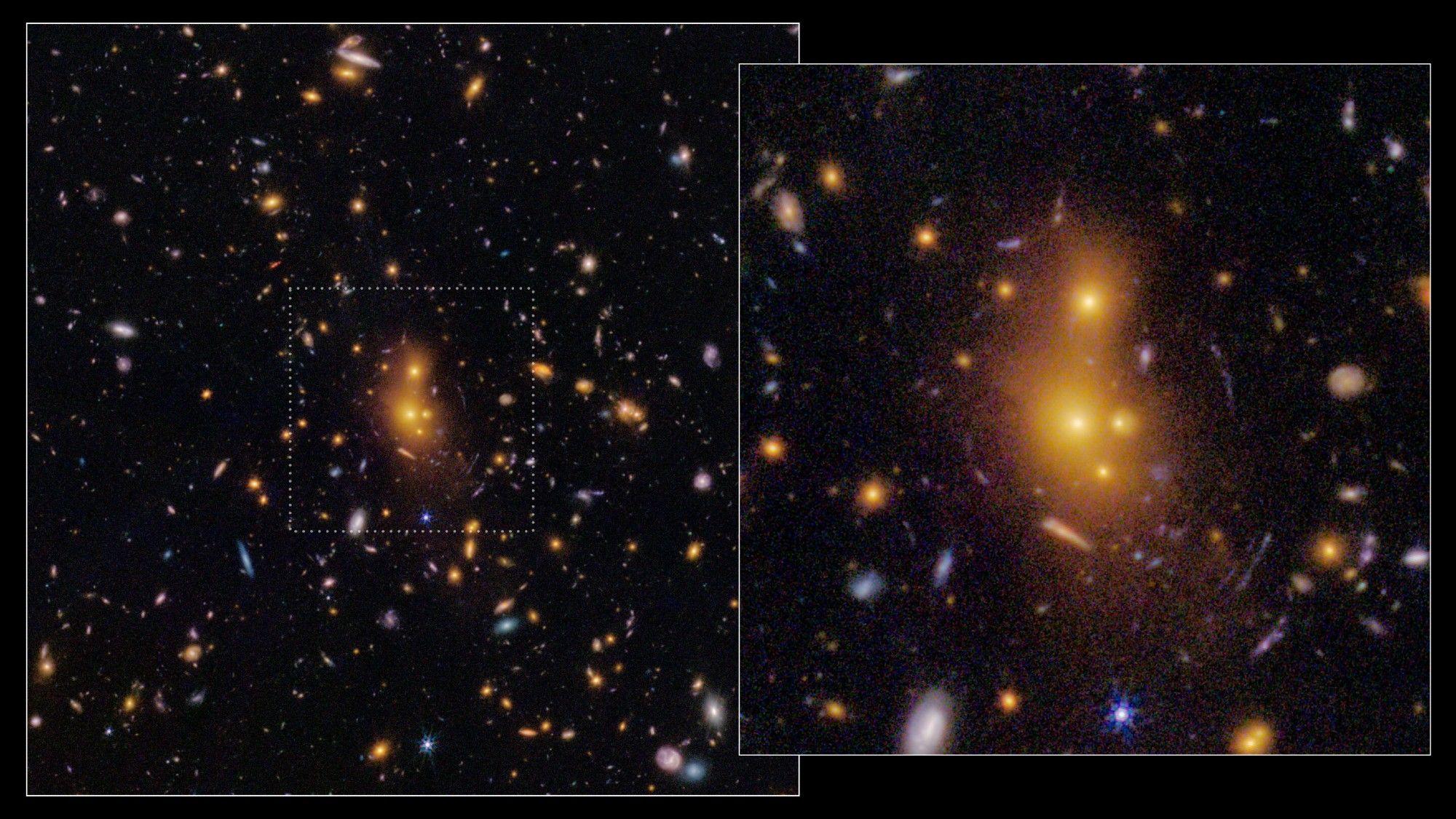
 Twitter / XJWST discovers highly evolved galaxy cluster at cosmic noon, challenging theories of early universe structure formationspace.com
Key quotes
· 1 pulledBefore JWST, we couldn't do this level of science in the early, distant universe.
You might also wanna read

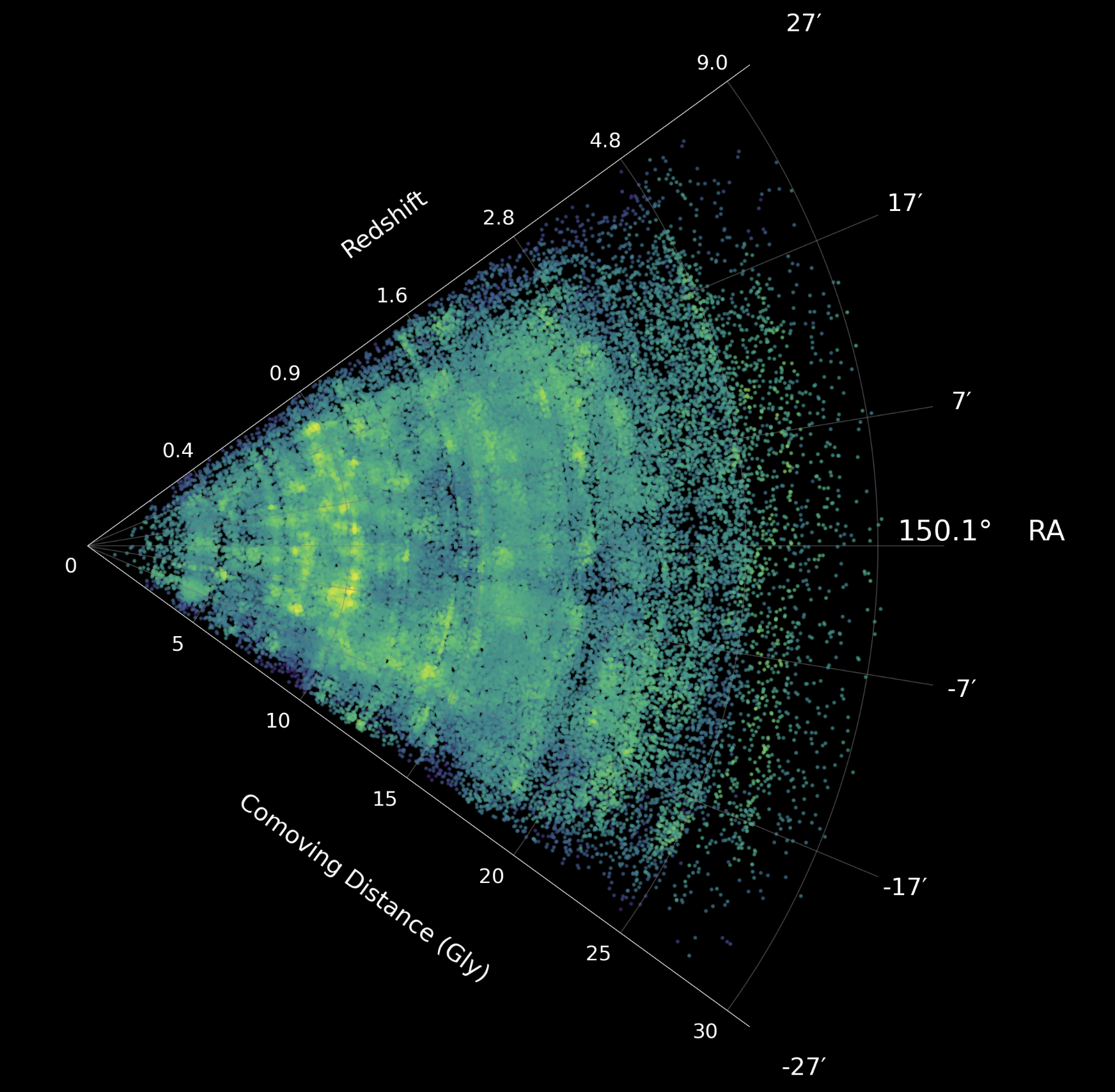
JWST's COSMOS-Web Survey Maps the Cosmic Web and Galaxy Evolution to Redshift z~7
Astronomers used the largest JWST survey (COSMOS-Web) to map the cosmic web — the large-scale structure of the Universe — tracing galaxy evo
 astrobites.org·1mo ago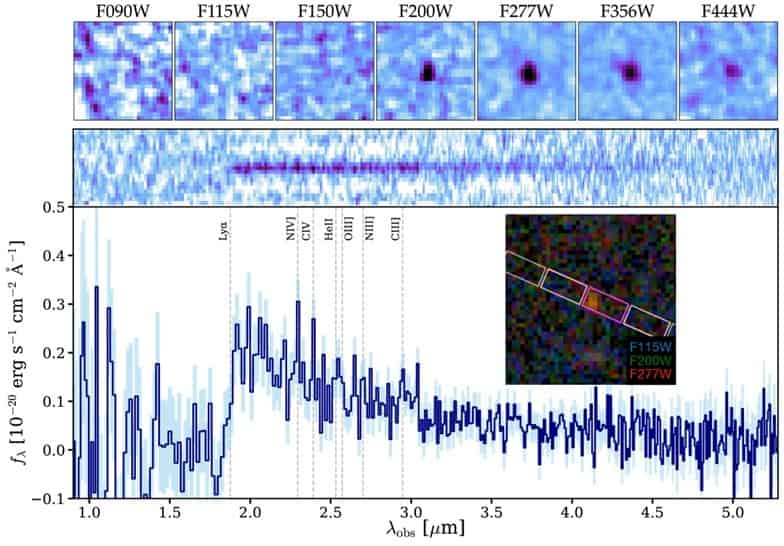
JWST Confirms Discovery of Exceptionally Luminous Galaxy at z=14.44, 280 Million Years After Big Bang
The James Webb Space Telescope has confirmed the discovery of MoM-z14, an exceptionally luminous galaxy that existed just 280 million years
 astro.theoj.org·4mo ago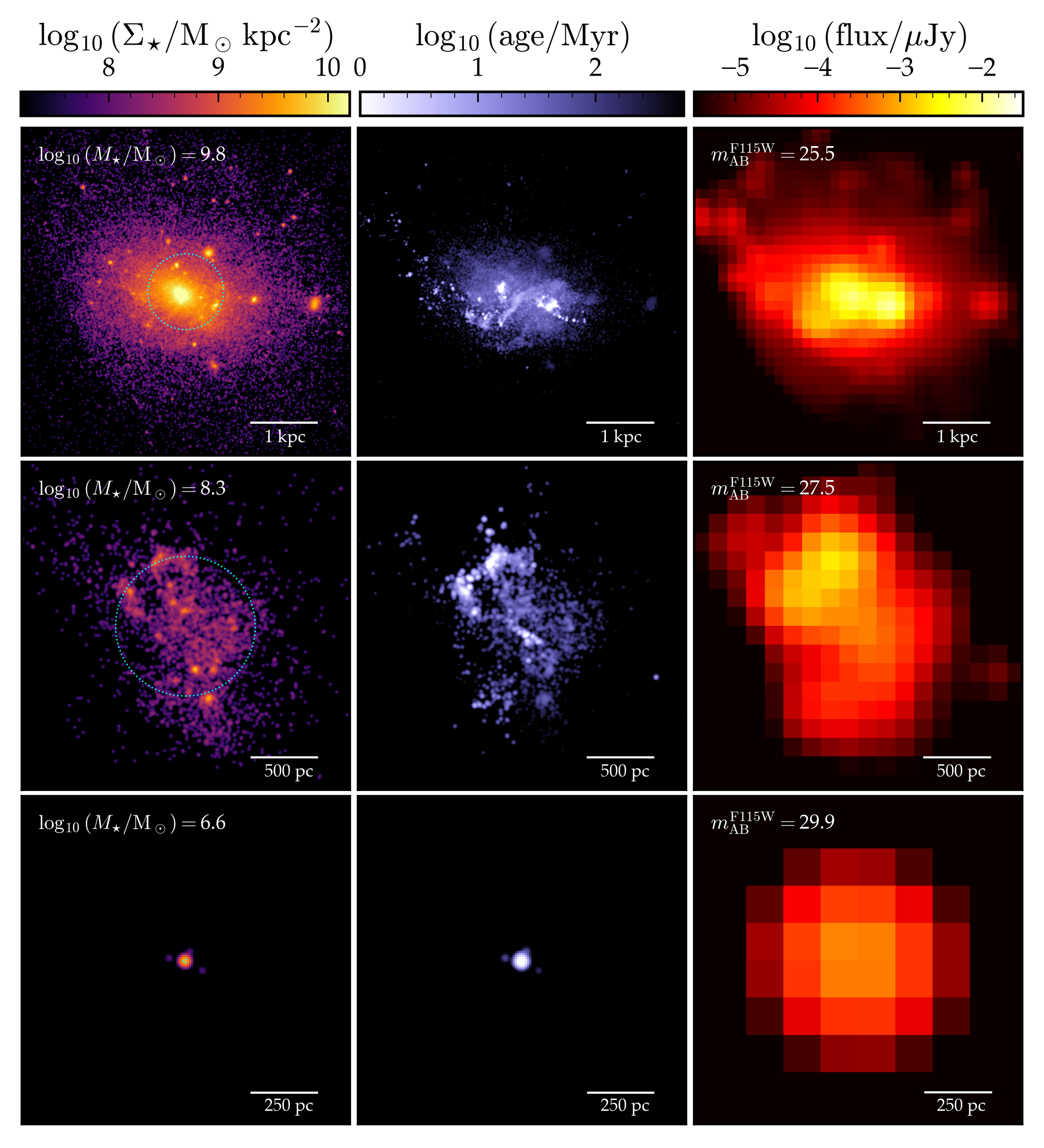
CosmicAI researchers use BonFIRE and CampFIRE simulations to study early galaxy formation puzzle from JWST data
CosmicAI researchers used BonFIRE and CampFIRE simulations to investigate why early galaxies observed by the James Webb Space Telescope (JWS
 cosmicai.org·23d ago
JWST observes normal AGB stars at Cosmic Noon through 5000x gravitational lensing
This article discusses a scientific study where researchers used the James Webb Space Telescope (JWST) to observe a galaxy magnified 5000 ti
astrobites.org·1mo ago
NASA's Webb Telescope Detects Black Hole That Formed Before Its Host Galaxy, Challenging Cosmic Evolution Theories
Researchers using NASA's James Webb Space Telescope have detected a massive black hole in the early universe that appears to have formed bef
 science.nasa.gov·27d ago
Astronomers discover galaxy-killing wind that explains early universe's dead galaxies
Astronomers using the James Webb Space Telescope have discovered a 'galaxy-killing wind' in the early universe, powered by cosmic collisions
 ras.ac.uk·18d ago
Comments
Sign in to join the conversation.
No comments yet. Be the first.