
























James Webb Space Telescope captures young stars at multiple formation stages in Orion A
Summary
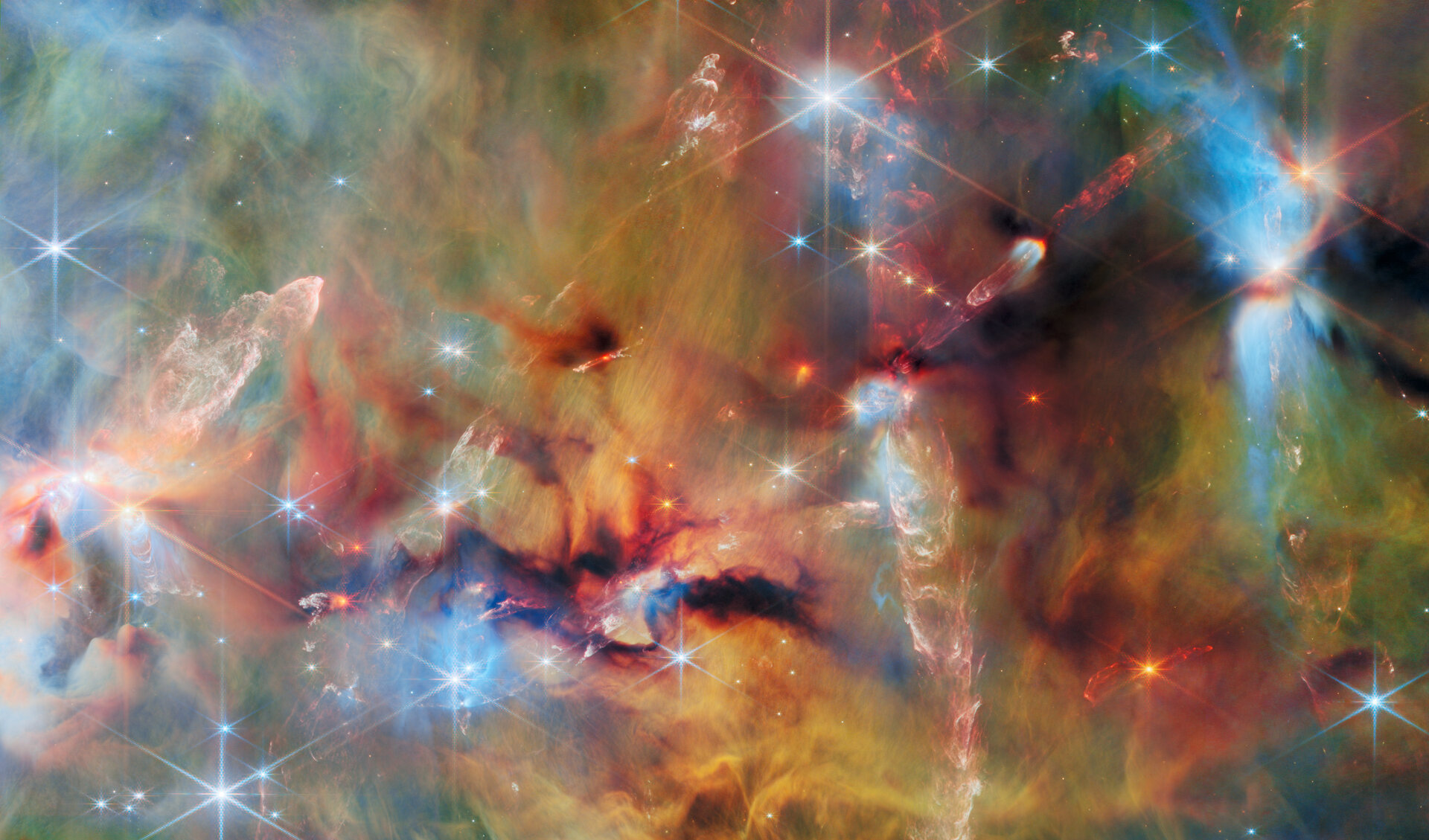
The James Webb Space Telescope has captured a detailed image of young stars at various stages of formation in the Orion A molecular cloud, specifically behind the Orion Nebula (M42). The image reveals a long, massive filament of star-forming clouds, showcasing protostars and other early stellar development stages. This observation provides astronomers with a comprehensive view of the star formation process, from initial collapse to fully formed stars.
Source
 bskyJames Webb Space Telescope captures young stars at multiple formation stages in Orion Aesa.int
Key quotes
· 3 pulledThis area of the sky is replete with star-forming clouds that make up a complex hundreds of light-years across.
We find ourselves in the giant molecular cloud Orion A, of which the familiar Orion Nebula (also known as M42) is just a part.
Behind the stars, gas and dust of M42 is a long, massive filament of star-forming clouds.
You might also wanna read

James Webb Space Telescope captures stunning new image of Orion A star-forming clouds
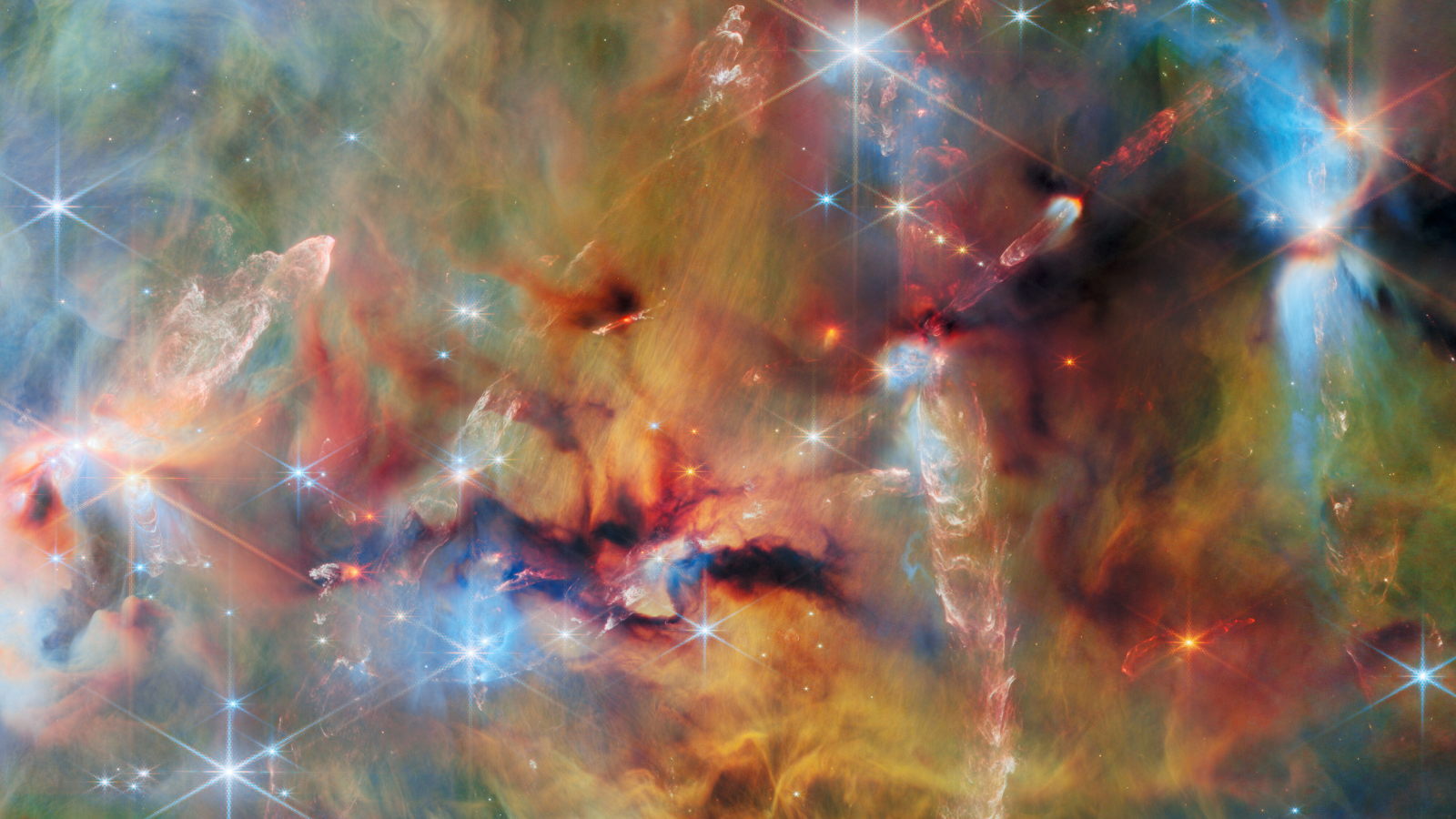
The James Webb Space Telescope's Picture of the Month showcases the Orion A giant molecular cloud in stunning detail, highlighting star-form
 space.com·11d ago
James Webb Space Telescope peers deep into the heart of star formation in our Milky Way galaxy
 space.com·9mo ago
NASA's Webb Telescope Reveals Protostars Shaping Their Environment in the FS Tau System
NASA's James Webb Space Telescope has captured high-resolution images of the FS Tau young star system, located about 450 light-years away. T
 news.stsci.edu·1d ago
James Webb Space Telescope Captures First Direct Image of Exoplanet
The James Webb Space Telescope has captured its first direct image discovery of an exoplanet by identifying the infrared light of a likely p
smithsonianmag.com·1y ago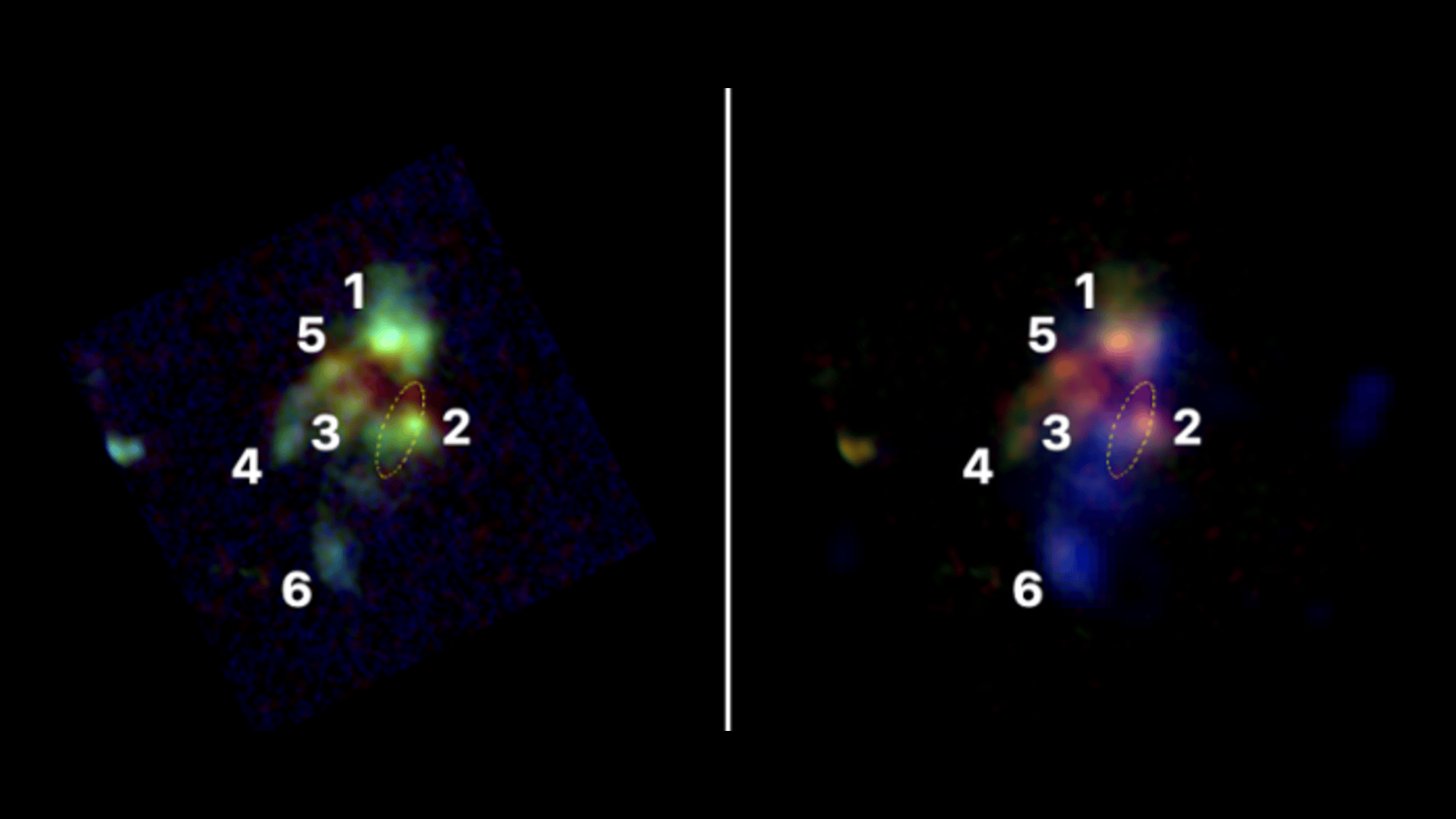
James Webb Space Telescope discovers six galaxies merging into a massive early-universe galaxy
The James Webb Space Telescope has discovered at least six galaxies merging in the early universe, a collision that is expected to fuel the
 space.com·8d ago
James Webb Space Telescope discovers six galaxies merging into a massive early-universe galaxy
The James Webb Space Telescope has discovered at least six galaxies merging in the early universe, a collision that is expected to fuel the
space.com·8d ago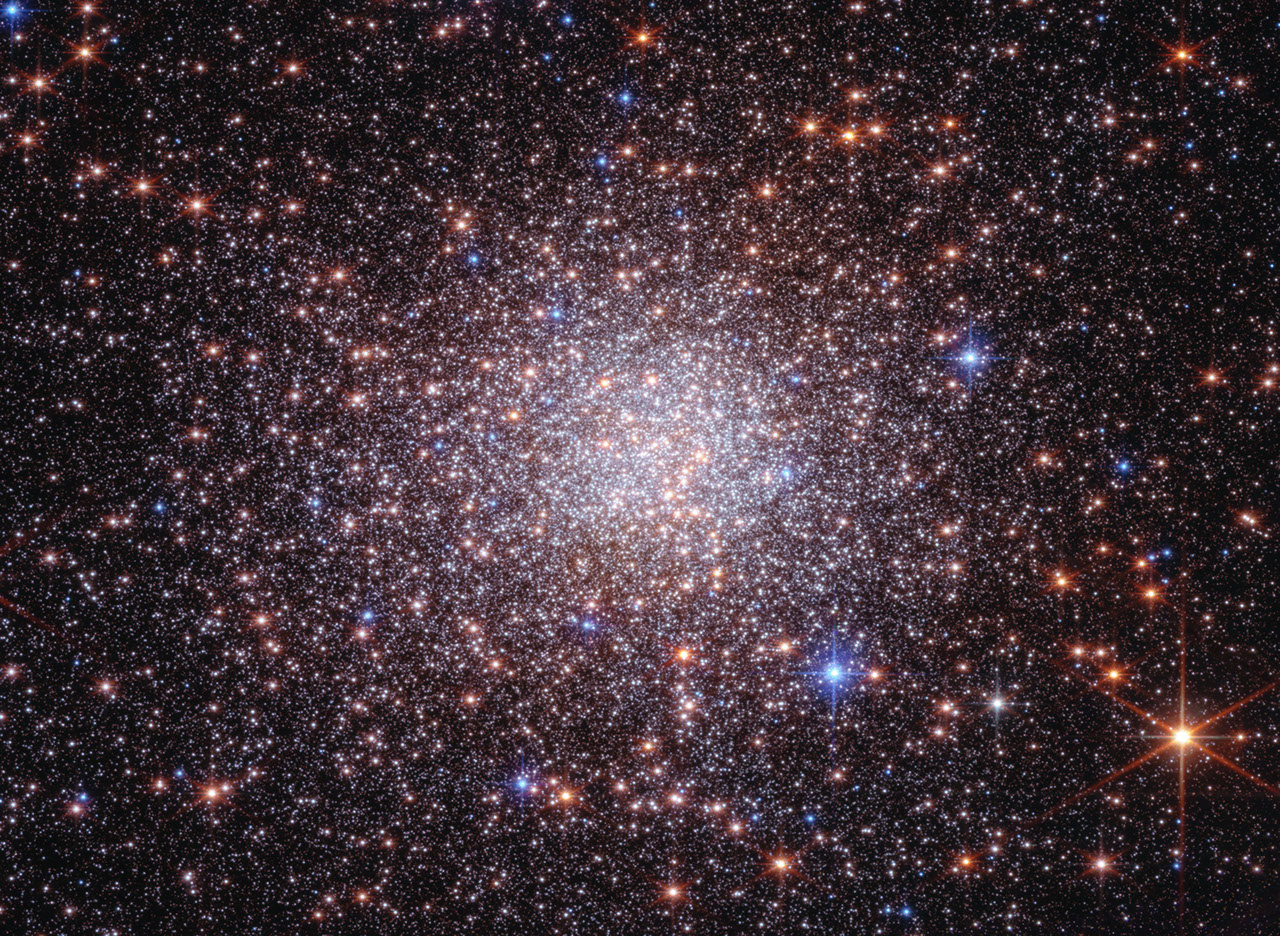
NASA's Webb and Hubble Telescopes Reveal Terzan 5 Is Not a Globular Cluster, Offering New Galaxy Formation Insights
Researchers using NASA's James Webb and Hubble Space Telescopes have reclassified Terzan 5, previously thought to be a globular star cluster
 go.nasa.gov·16d ago
Comments
Sign in to join the conversation.
No comments yet. Be the first.