
























Study suggests two giant 'super Earths' may have existed in early solar system before being ejected
By
Deepa Jain
Summary
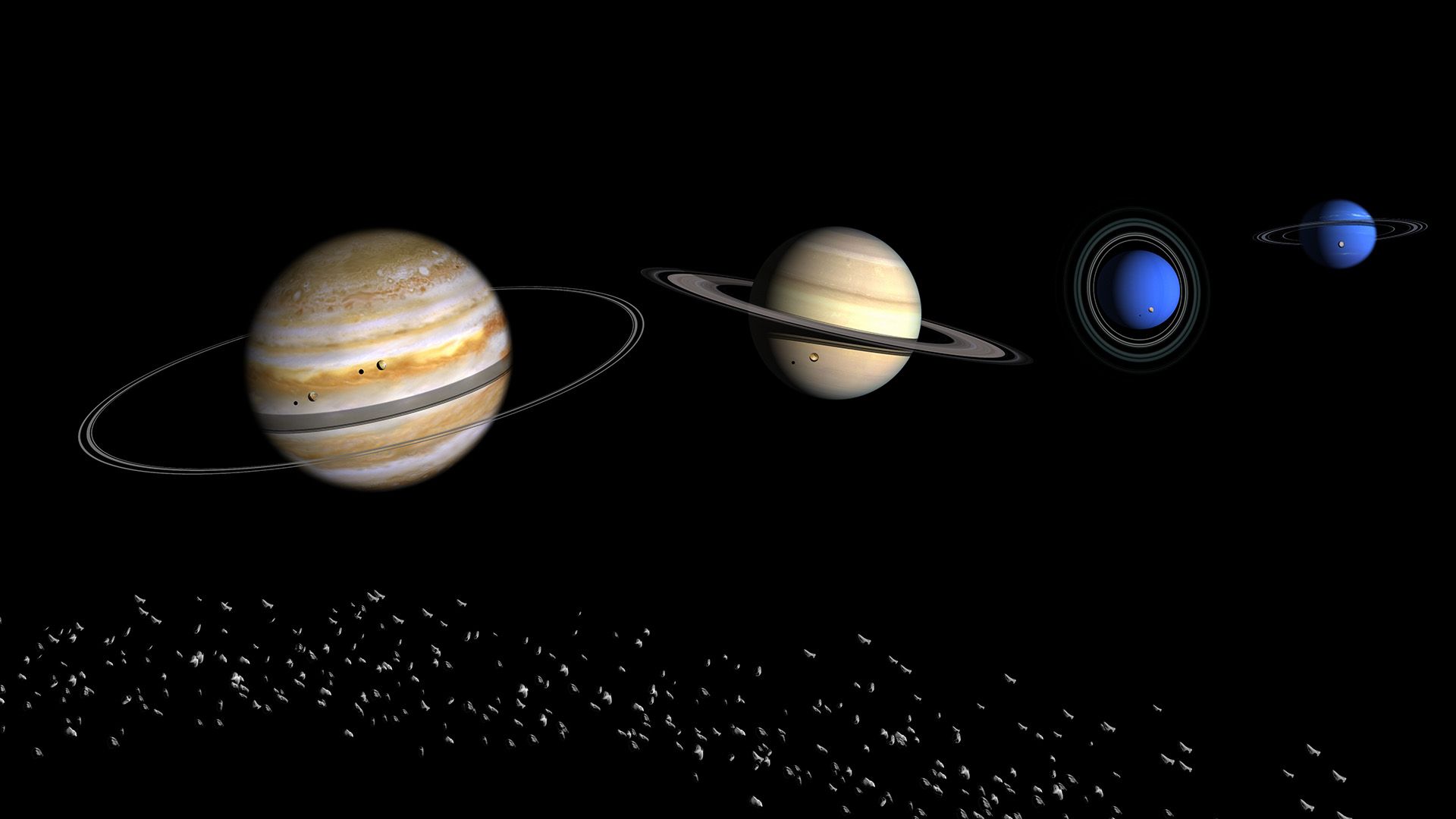
A new study based on over 100 simulations suggests that the early solar system may have contained up to six giant planets, including two extra "super Earths" that orbited near Uranus and Neptune. These hypothetical planets helped reshape the orbits of other planets and their moons before being ejected into interstellar space within the first hundred million years of the solar system's existence.
Source
 bskyStudy suggests two giant 'super Earths' may have existed in early solar system before being ejectedlivescience.com
Key quotes
· 4 pulledSomething doesn't quite add up about the orbits of our solar system's eight planets and their hundreds of moons, a new study hints.
There may have once been two extra giant planets careening around the outer solar system, helping to reshape the orbits of the other planets before ultimately being kicked out into interstellar space.
Our solar system may have hosted up to six giant planets in its first hundred million years, a new study suggests.
The findings paint a more crowded picture of the early outer solar system than previously thought.
You might also wanna read
Cosmic-ray bath in a past supernova gives birth to Earth-like planets

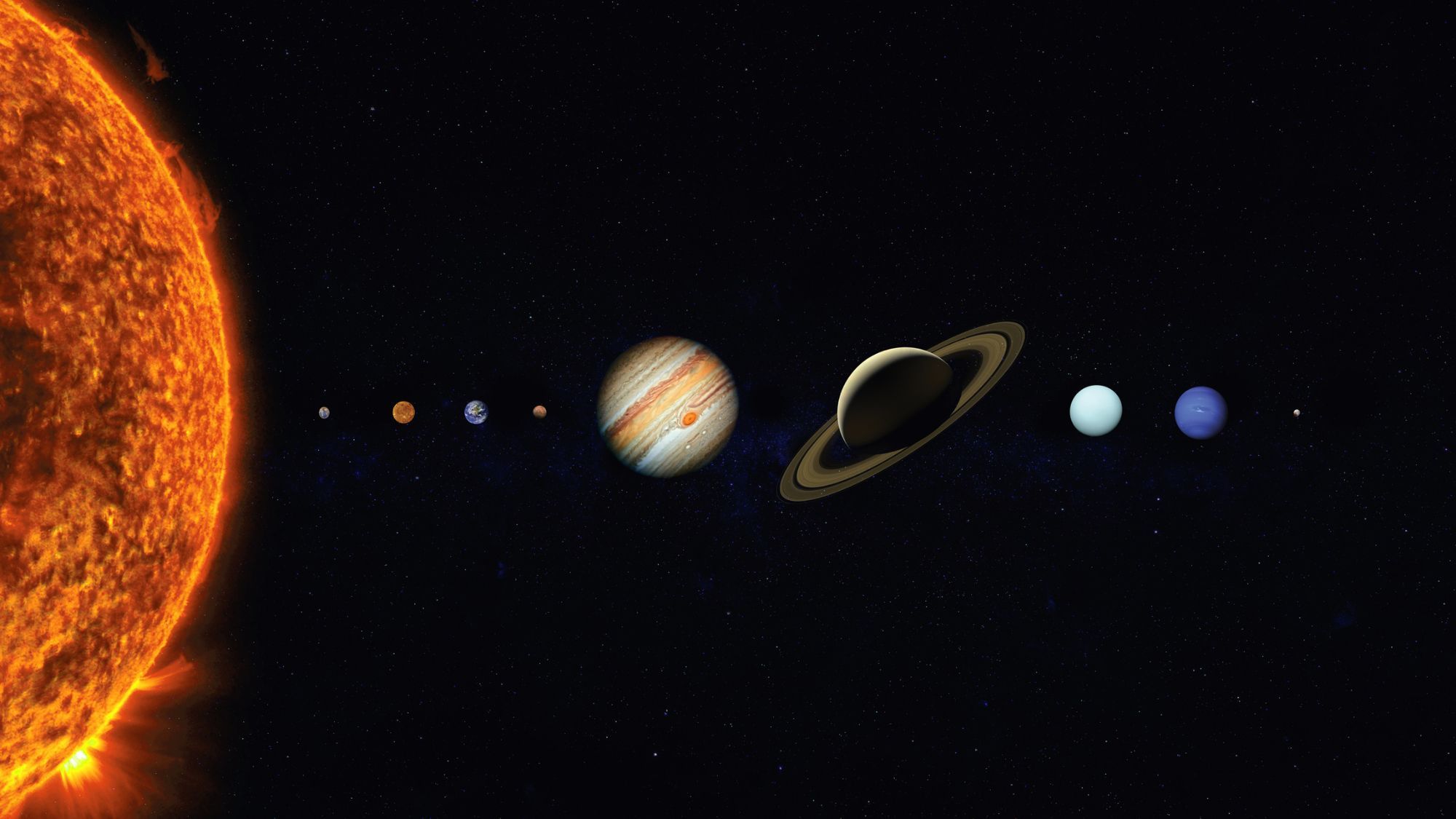
How the definition of a planet has changed over 250 years — and why the count may not be final
This article traces the evolving definition of a planet over the past 250 years, from the six known planets in 1776 to today's eight. It exp
 space.com·2d ago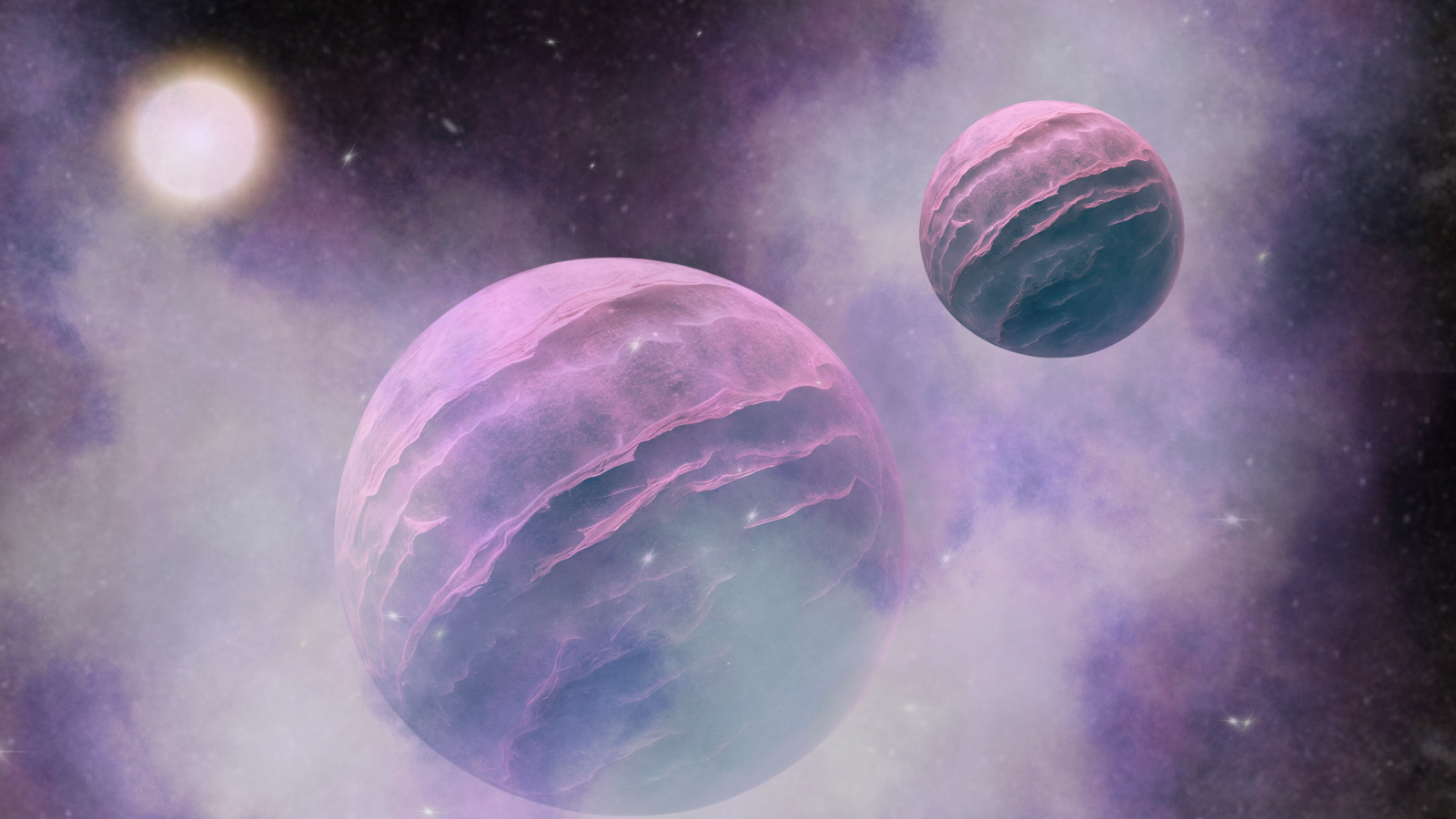
Astronomers discover two ultra-low-density 'super-puff' exoplanets orbiting dwarf star TOI-791
Astronomers have discovered two "super-puff" exoplanets, TOI-791 b and TOI-791 c, orbiting the dwarf star TOI-791. These are the lightest ga
 space.com·8d ago
Astronomers discover two ultra-low-density 'super-puff' exoplanets orbiting dwarf star TOI-791
Astronomers have discovered two "super-puff" exoplanets, TOI-791 b and TOI-791 c, orbiting the dwarf star TOI-791. These are the lightest ga
space.com·8d ago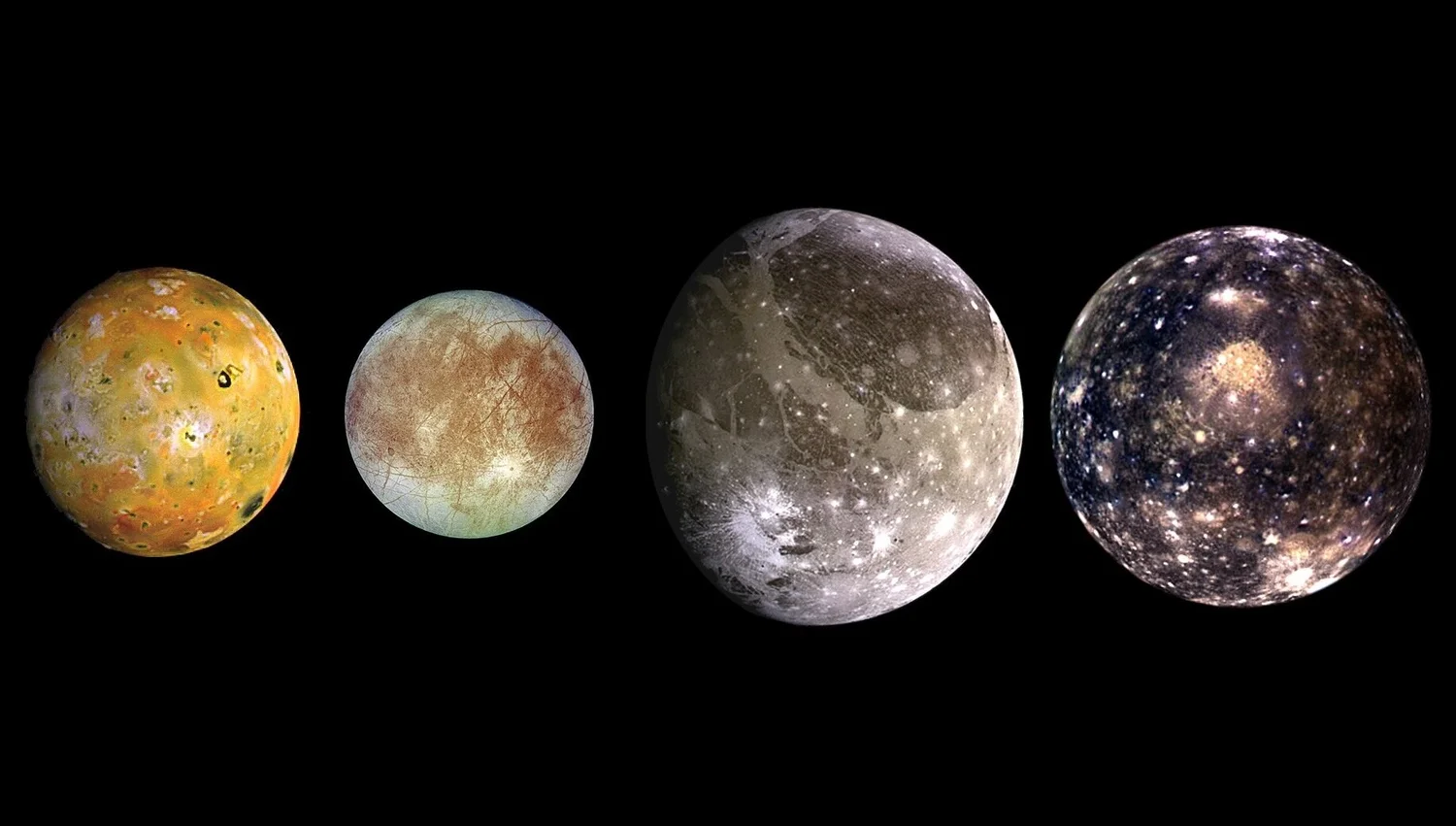
Exploring Jupiter's Galilean moons: Why Io, Europa, Ganymede, and Callisto fascinate scientists
This article explores Jupiter's four largest moons — the Galilean moons (Io, Europa, Ganymede, and Callisto) — highlighting why they are amo
 universal-sci.com·10h ago
Two Planets Lighter Than Cotton Candy
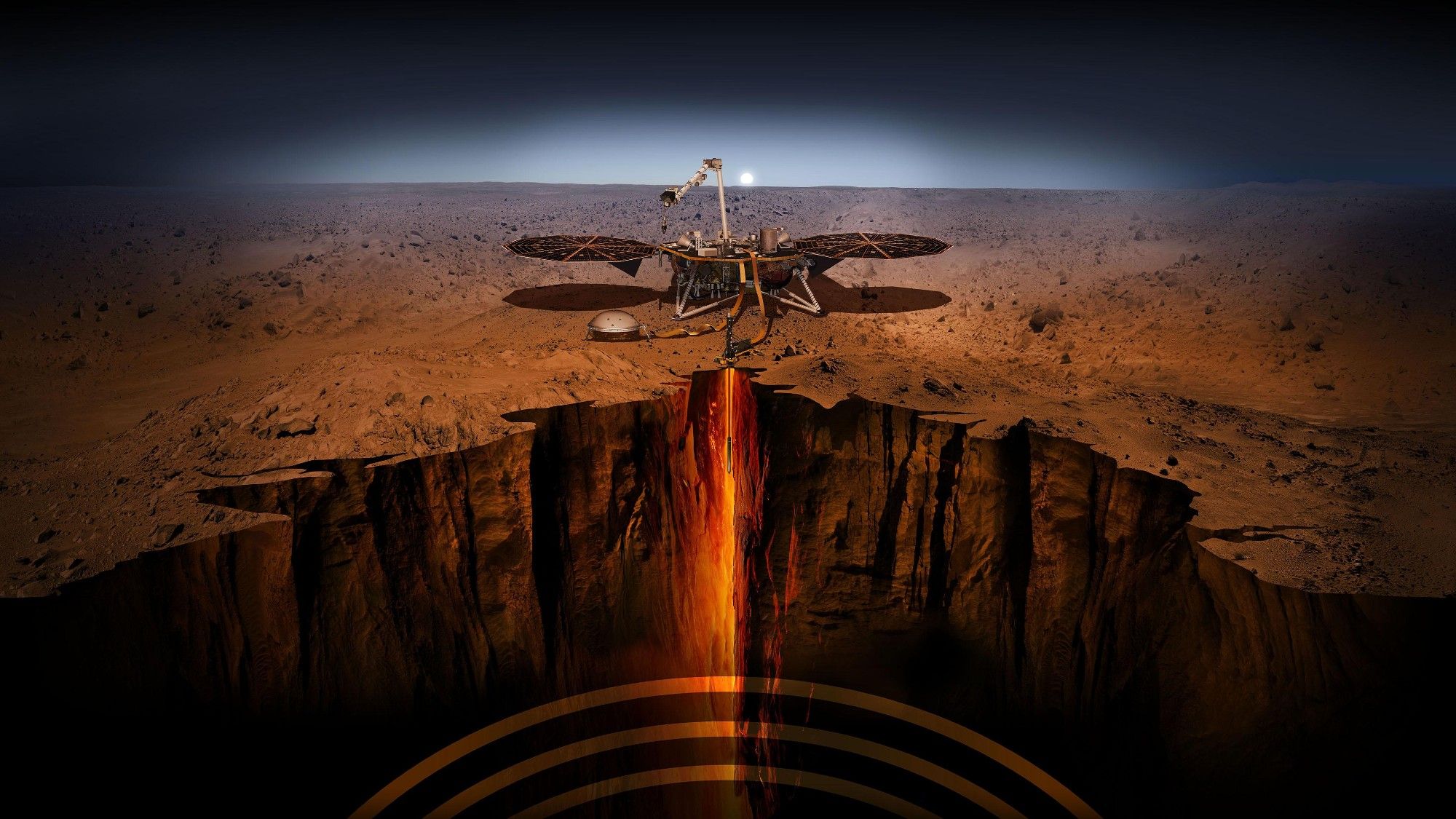
NASA InSight data reveals ancient magma oceans beneath Mars's crust, reshaping theories of planetary habitability
NASA's InSight mission has detected seismic waves revealing a boundary 15 miles deep inside Mars, indicating that deep oceans of magma once
 space.com·3d ago
NASA InSight data reveals ancient magma oceans beneath Mars's crust, reshaping theories of planetary habitability
NASA's InSight mission has detected seismic waves revealing a boundary 15 miles deep inside Mars, indicating that deep oceans of magma once
space.com·3d ago
Comments
Sign in to join the conversation.
No comments yet. Be the first.