
























NASA InSight data reveals ancient magma oceans beneath Mars's crust, reshaping theories of planetary habitability
By
Keith Cooper
Summary
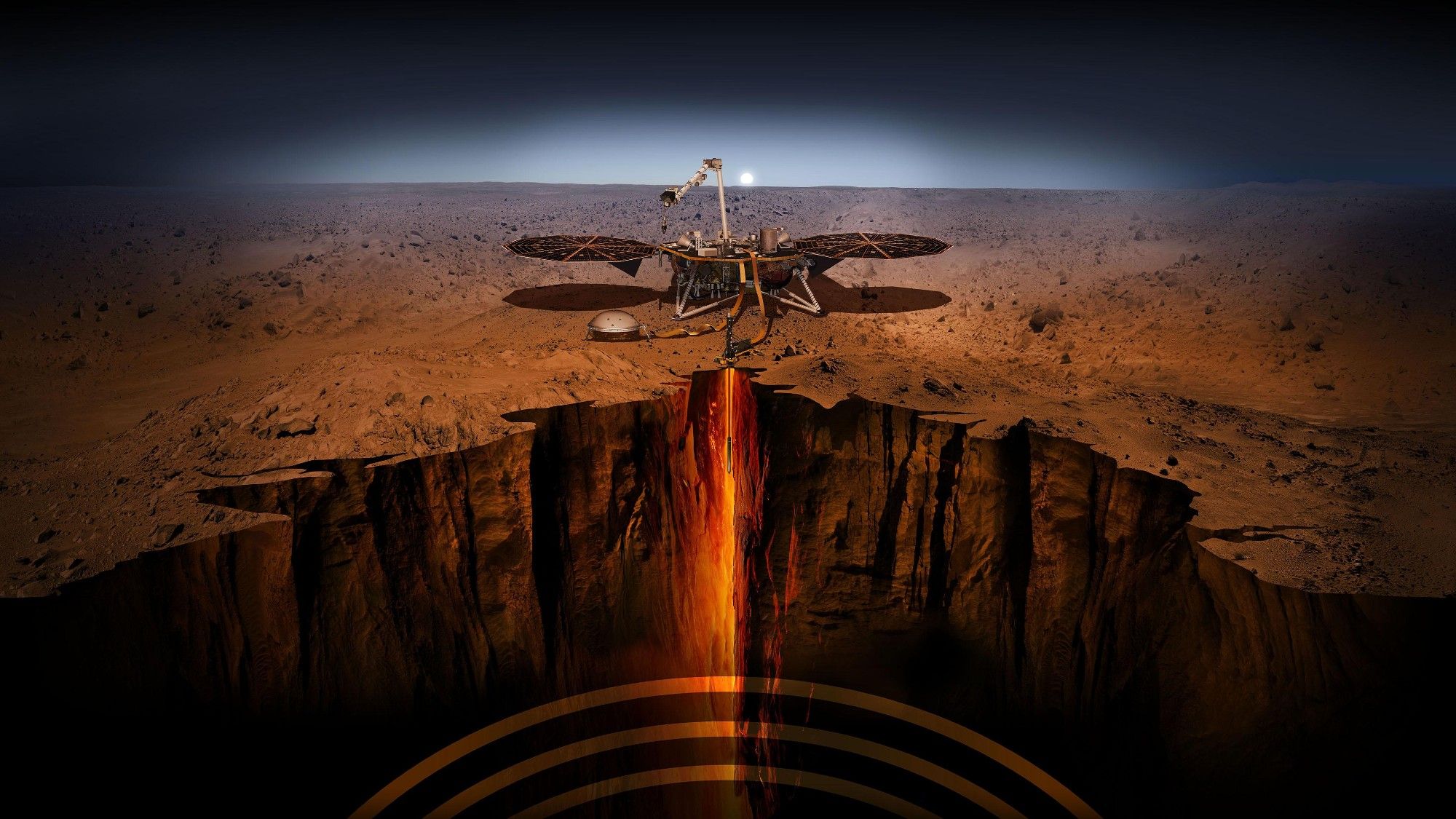
NASA's InSight mission has detected seismic waves revealing a boundary 15 miles deep inside Mars, indicating that deep oceans of magma once existed beneath the planet's crust. These magma pools formed two distinct types of rock layers, suggesting Mars developed a complex crust without plate tectonics. This discovery challenges previous assumptions about Mars's early development and has implications for planetary habitability — if such complexity can emerge without plate tectonics, habitable conditions might arise on more planets than previously thought.
Source
 Twitter / XNASA InSight data reveals ancient magma oceans beneath Mars's crust, reshaping theories of planetary habitabilityspace.com
Key quotes
· 3 pulledIf Mars could develop this kind of complex crust without plate tectonics, then maybe the conditions needed for habitability can emerge on more planets than we realized.
The marsquakes detected by InSight show a boundary 15 miles (24 kilometers) deep between two different types of rock that were formed by enormous pools of magma.
The presence of these magma pools could completely change what we thought we knew about the early development of Mars.
You might also wanna read

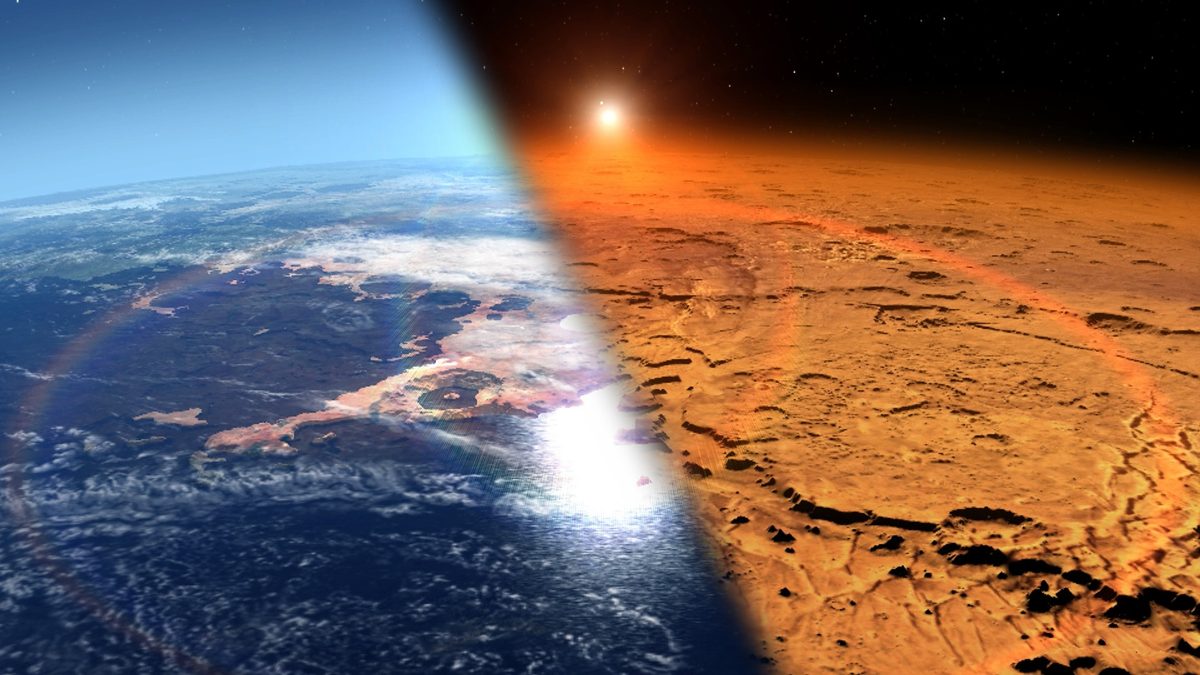
Scientists discover Mars's missing atmosphere and water may be trapped in the planet's crust
Scientists may have discovered the fate of Mars's missing atmosphere and water. New research suggests that Mars's ancient thick atmosphere a
 skyatnightmagazine.com·17d ago
Study Quantifies Impact-Generated Crustal Permeability on the Early Earth
This scientific study uses shock physics modeling to quantify the volume of impact-generated permeable (fractured) regions in the upper crus
 agupubs.onlinelibrary.wiley.com·22d ago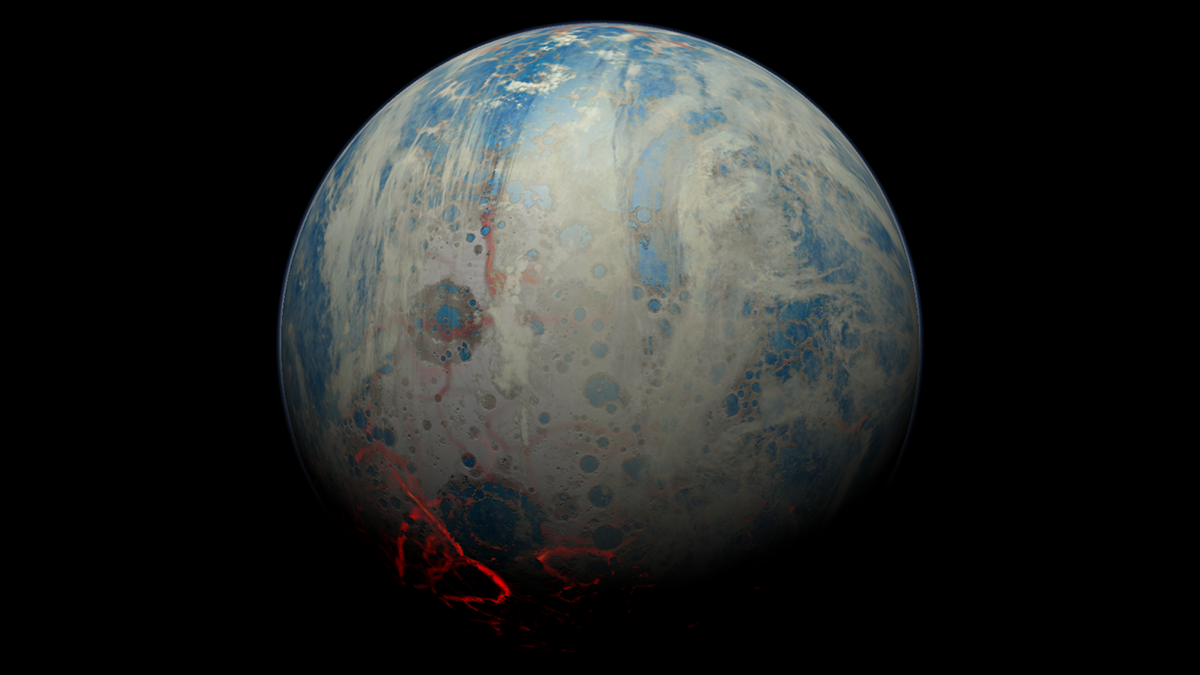
Study: Early Earth's Asteroid Impacts May Have Enabled Prebiotic Chemistry
A new study published in AGU Advances examines how asteroid and planetesimal impacts during Earth's Hadean and Archean eons (4.6 to 3.5 bill
 eos.org·28d ago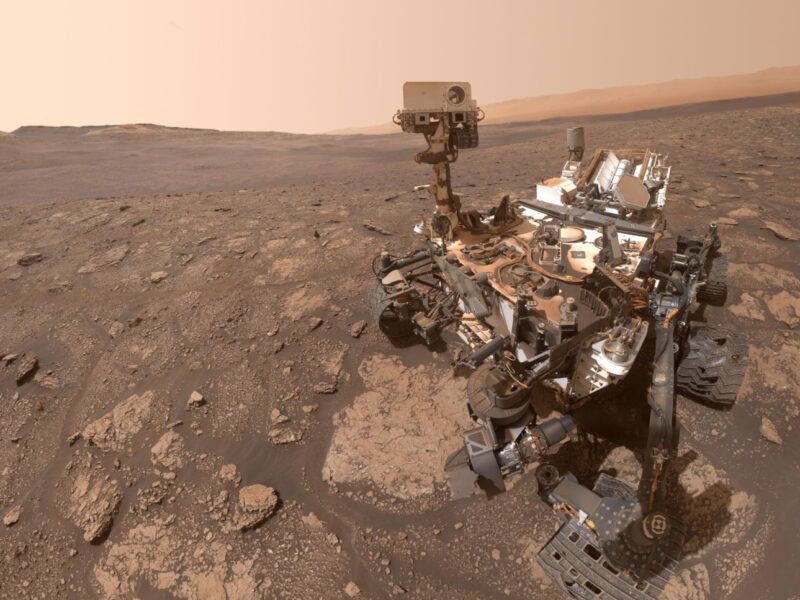
NASA's Curiosity Rover Discovers Organic Compounds on Mars, Including DNA-Related Molecules
NASA's Curiosity rover has discovered more than 20 organic compounds in Martian rock samples from Gale Crater, including nitrogen-bearing mo
 courthousenews.com·2mo ago
Scientists Debate Whether Earth's Oceans Came from Comets, Asteroids, or Were Homegrown
The article explores the evolving scientific debate about the origin of Earth's oceans. Initially, scientists believed Earth's water arrived
 quantamagazine.org·20d ago
Scientists Debate Whether Earth's Oceans Came from Comets, Asteroids, or Were Homegrown
The article explores the evolving scientific debate about the origin of Earth's oceans. Initially, scientists believed Earth's water arrived
quantamagazine.org·20d ago
Comments
Sign in to join the conversation.
No comments yet. Be the first.