





















Study Quantifies Impact-Generated Crustal Permeability on the Early Earth
By
A. M. Alexander

Crackling crust, pillowy middle. The kind of bagel that earns a second cup of coffee.
Summary
This scientific study uses shock physics modeling to quantify the volume of impact-generated permeable (fractured) regions in the upper crust of the early Earth during the Hadean and Archean eons (2.5–4.5 billion years ago). The research demonstrates that frequent cosmic bombardment created vast fractured, permeable zones in the crust, which could have stimulated hydrothermal systems lasting millions of years post-impact. The study is the first comprehensive analysis of how impacts generated crustal permeability on the early Earth, with implications for understanding early planetary geology, water-rock interactions, and potential habitats for early life.
Key quotes
· 3 pulledThe early Earth (i.e., Archean and Hadean Eons, 2.5–4.0 and 4.0–4.5 Ga, respectively) experienced frequent cosmic bombardment.
Impacts have been shown to stimulate crustal alteration, for instance via hydrothermal systems active for up to millions of years post-impact.
Using a shock physics code that includes the effects of tensile fragmentation and porosity generation, we conduct the first comprehensive study to quantify impact-generated permeable volumes into the upper crust of the early Earth.
You might also wanna read


Volcanic Eruptions Triggered Hydrogen Sulfide Buildup and Permian Mass Extinction
Research suggests that volcanic eruptions in Siberia 251 million years ago triggered a cascade of events that led to the Permian mass extinc
 psu.edu·6mo ago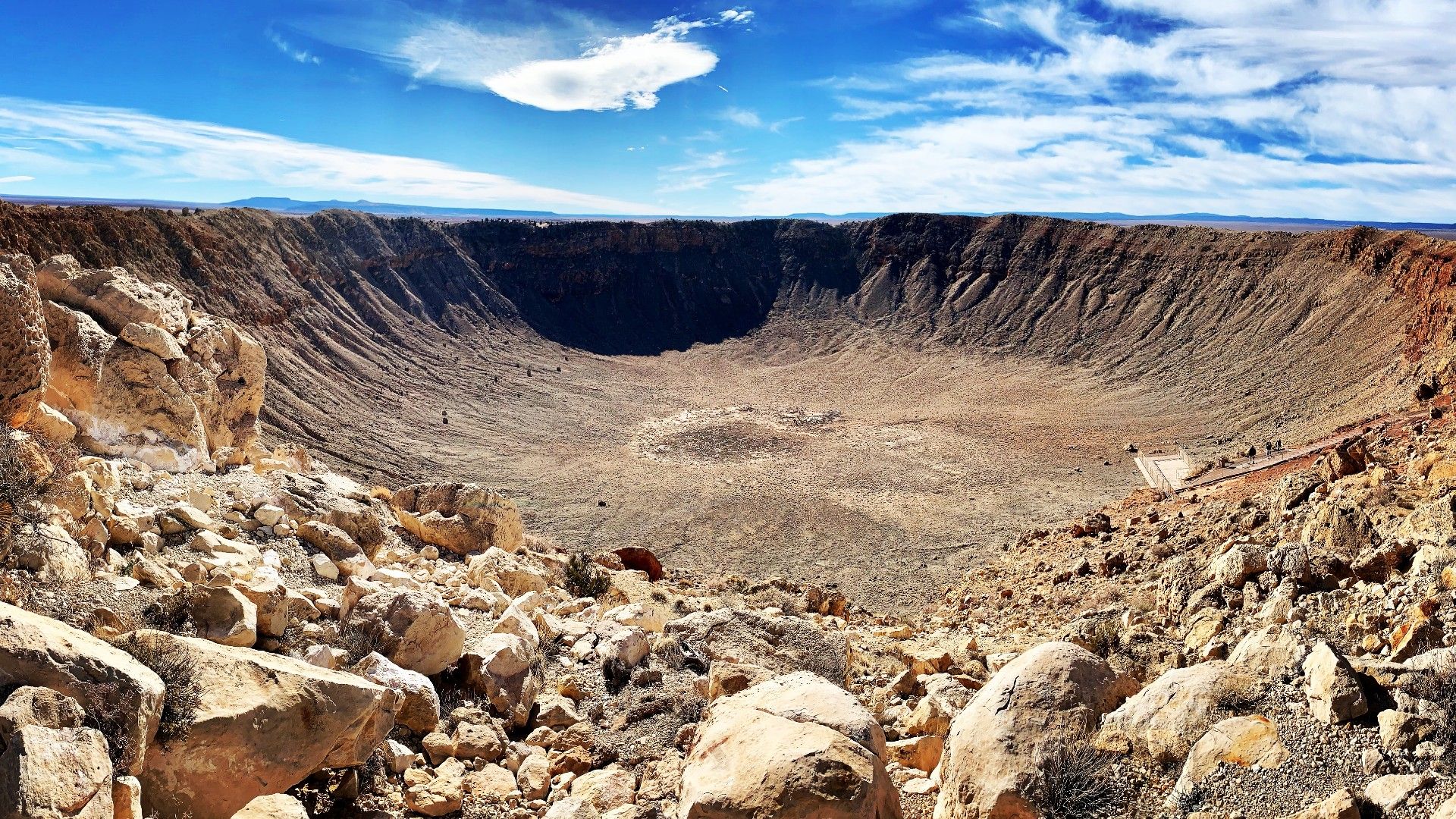
Arizona's Meteor Crater Continues to Reveal Scientific Insights 50,000 Years After Impact
Arizona's Meteor Crater, formed 50,000 years ago, continues to yield new scientific insights as researchers study this well-preserved impact
 space.com·3mo ago
5,500-Year-Old Sumerian Star Map Records Massive Asteroid Impact
A 5,500-year-old Sumerian star map, discovered in King Ashurbanipal's library in Nineveh, Iraq, has been identified as recording a massive a
 archaeologyworlds.com·4mo ago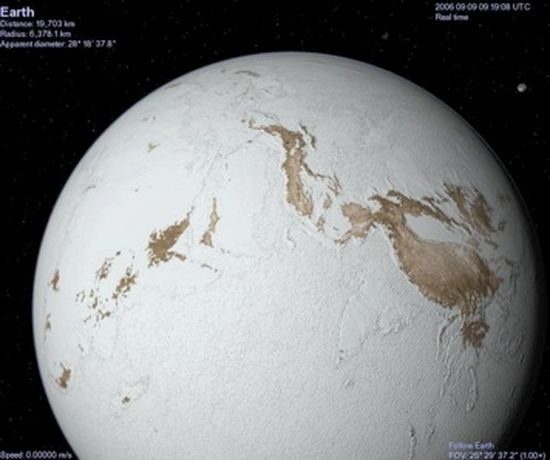
New analysis suggests Snowball Earth climate cycles may be more complex than current models predict
This article examines the Snowball Earth and Slushball Earth hypotheses during the Sturtian glacial period of the Neoproterozoic Era. It dis
 Science X·1mo ago
Cosmic-ray bath in a past supernova gives birth to Earth-like planets

Evidence of a 12,800-year-old Shallow Airburst Depression in Louisiana with Large Deposits of Shocked Quartz and Melted Materials
scienceopen.com·11mo ago