
























Arizona's Meteor Crater Continues to Reveal Scientific Insights 50,000 Years After Impact
"The crater is still providing new insights every year, so continued studies there are really important."
Read the full articleYou might also wanna read


'This was one of the most arduous expeditions I've ever done': Scientists confirm that 15-mile-wide pit found on Google Maps is ancient meteor crater
Joël Lapointe was using Google Maps to plan a camping trail through Quebec's Côte-Nord region when he stumbled across a large indentation. N

Google Maps user discovers 390-million-year-old meteor crater in Quebec
Joël Lapointe, stumbled upon what he thought looked like a suspicious pit in Quebec's Côte-Nord region while he was wandering with his Googl
 cbc.ca·1d ago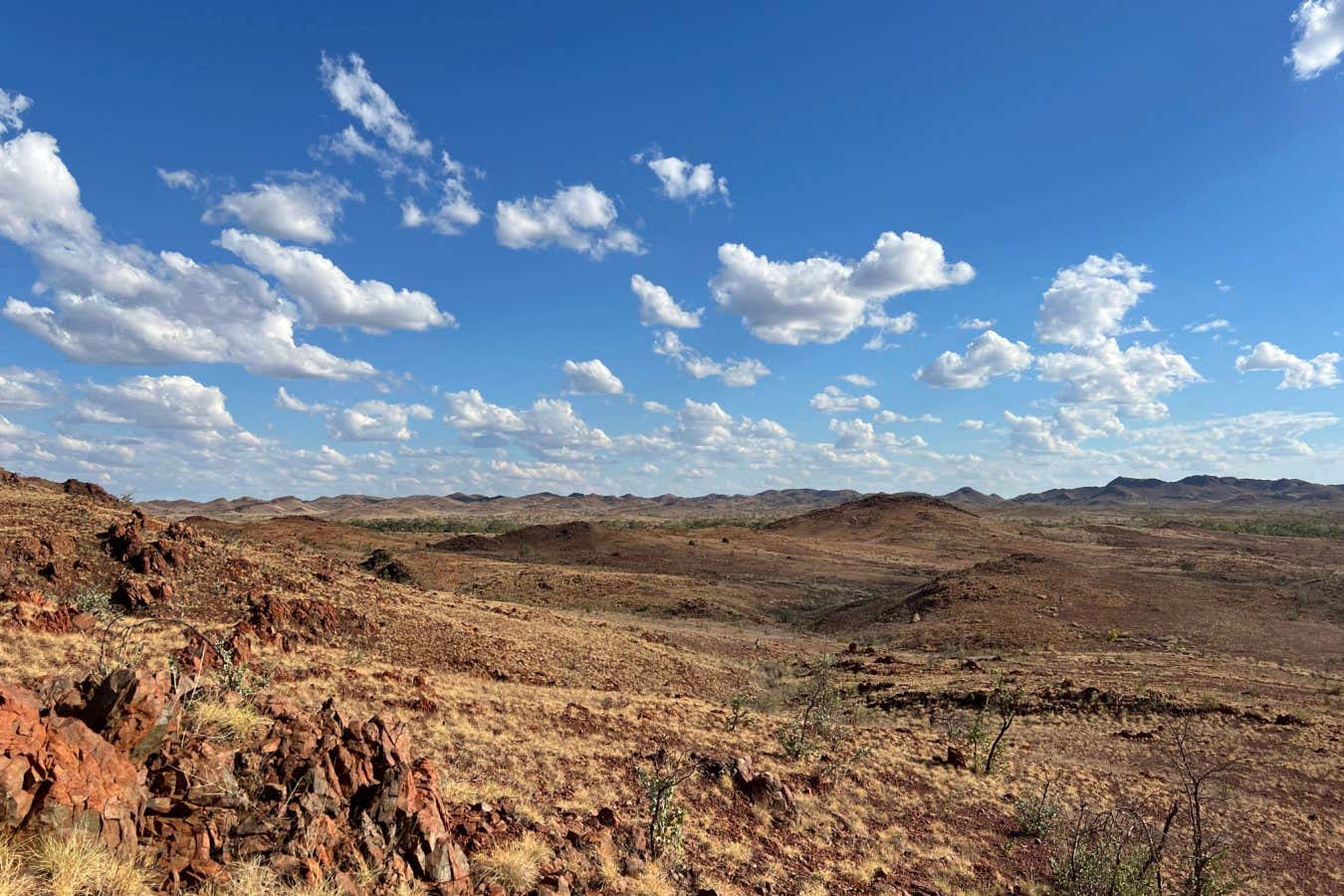
Study claims 3-billion-year-old Australian crater is Earth's oldest impact structure, but age disputed
A study claims that the North Pole Dome crater in Western Australia was caused by an asteroid strike 3 billion years ago, but other research
 newscientist.com·20d ago
Ancient Meteorite Older Than Earth Crashes Into Georgia Home
The cherry tomato-sized meteorite that pierced the roof of a home near Atlanta has been confirmed to be about 4.56 billion years old, making
 The Onion·11mo ago
Amateur astronomer saw a pit in Quebec on Google Maps. It turned out to be a 390-million-year-old meteor crater
Joël Lapointe, stumbled upon what he thought looked like a suspicious pit in Quebec's Côte-Nord region while he was wandering with his Goog.
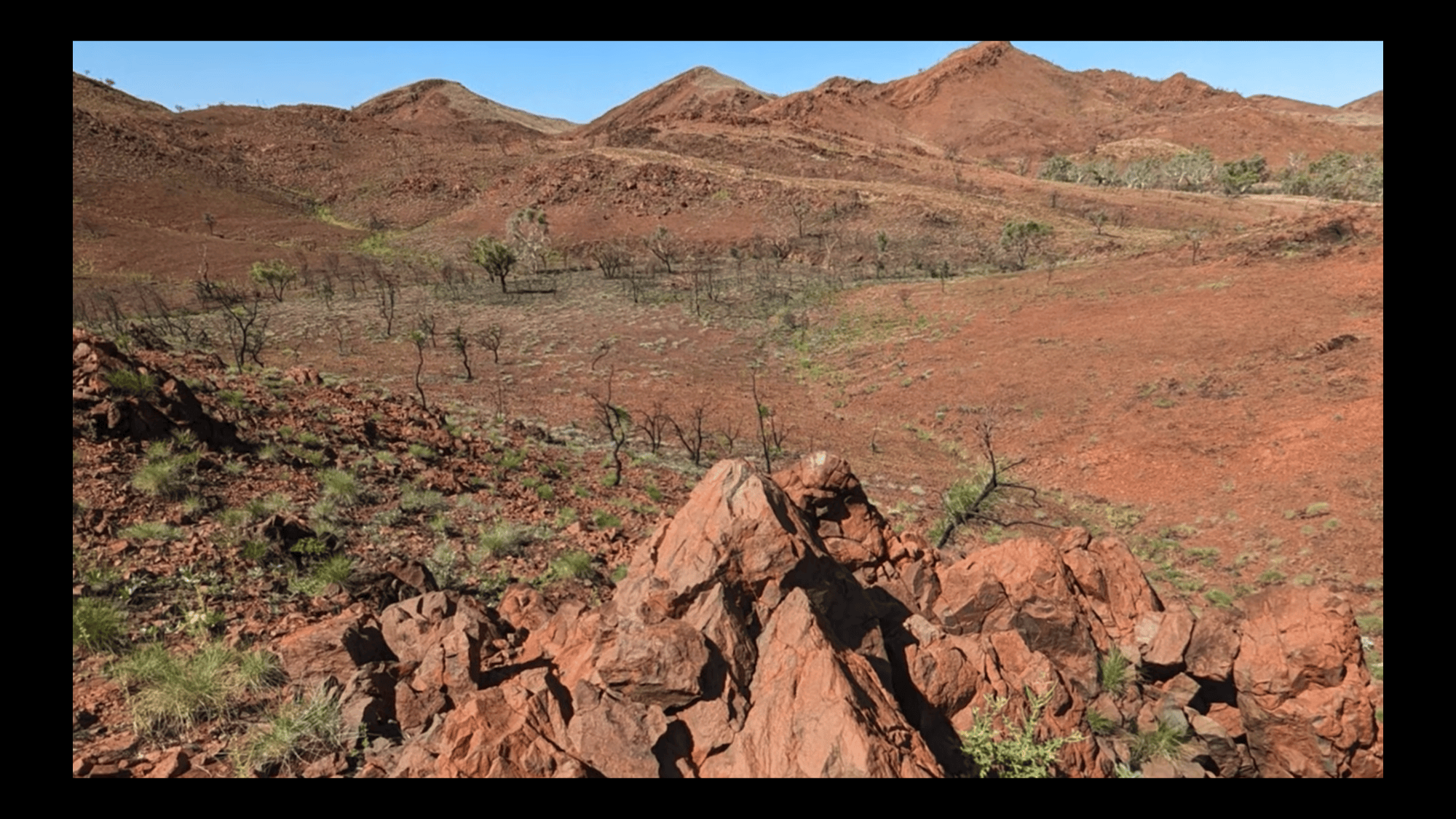
North Pole Dome in Western Australia confirmed as oldest known asteroid impact site at 3.02 billion years old
"While the site had previously been identified as an ancient impact crater, its exact age remained uncertain."
 space.com·21d ago
Comments
Sign in to join the conversation.
No comments yet. Be the first.