





















Volcanic Eruptions Triggered Hydrogen Sulfide Buildup and Permian Mass Extinction
By
DrierCycle

Crusty in the right places. Worth the chew.
Summary
Research suggests that volcanic eruptions in Siberia 251 million years ago triggered a cascade of events that led to the Permian mass extinction. The volcanoes released carbon dioxide, causing atmospheric warming that reduced ocean oxygen levels. This created conditions for bacteria to produce toxic hydrogen sulfide, which spread through oceans and atmosphere, killing 95% of Earth's species. The hydrogen sulfide also damaged the ozone layer, allowing harmful UV radiation to reach Earth's surface.
Key quotes
· 4 pulledThe recent dating of the Siberian trap volcanoes to be contemporaneous with the end-Permian extinction suggests that they were the trigger for the environmental events that caused the extinctions.
Warmer water slows the conveyer belt and brings less oxygen to the deep oceans.
A hydrogen sulfide atmosphere fits the extinction better than one enriched in carbon dioxide. Carbon dioxide would have a profound effect on marine life, but terrestrial plants thrive on carbon dioxide, yet they are included in the extinction.
These deformities fit the idea that the ozone layer was damaged, letting in more ultra violet.
You might also wanna read

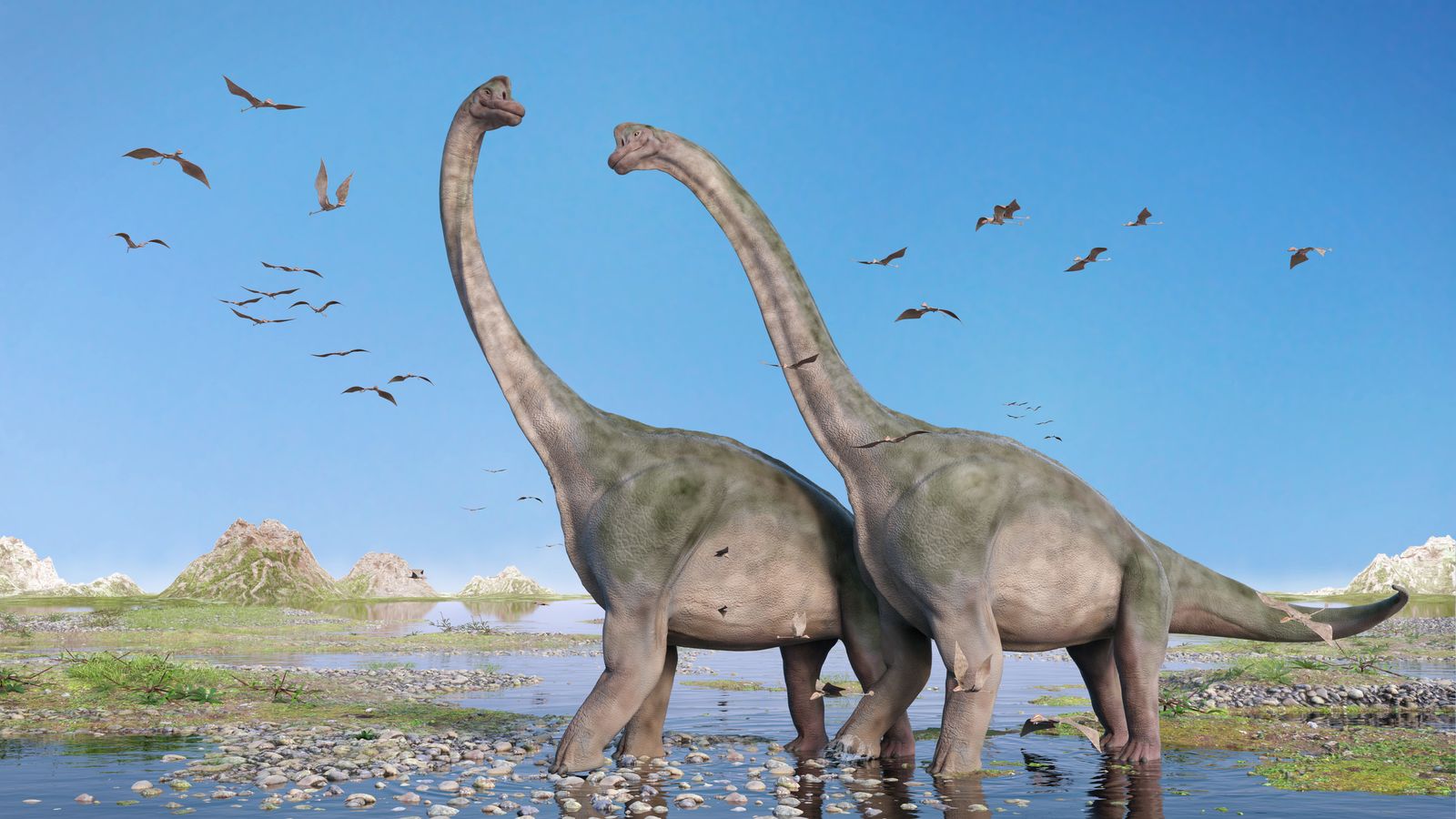
Why Identifying the Largest Dinosaur Is So Difficult Due to Fragmentary Fossils
This article explores the scientific challenge of determining which dinosaur species was truly the largest. It explains that fragmentary fos
 smithsonianmag.com·2d ago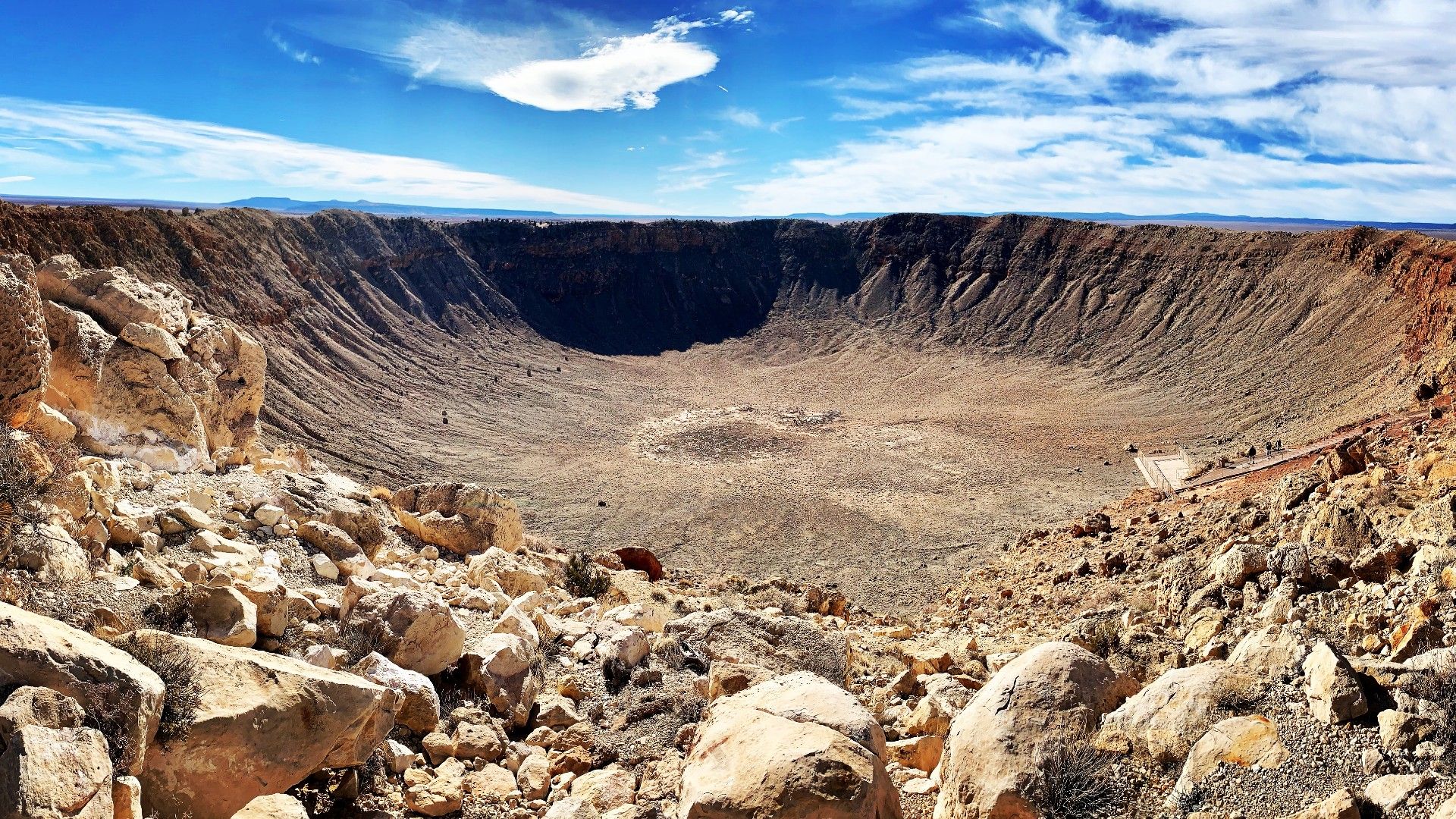
Arizona's Meteor Crater Continues to Reveal Scientific Insights 50,000 Years After Impact
Arizona's Meteor Crater, formed 50,000 years ago, continues to yield new scientific insights as researchers study this well-preserved impact
 space.com·2mo ago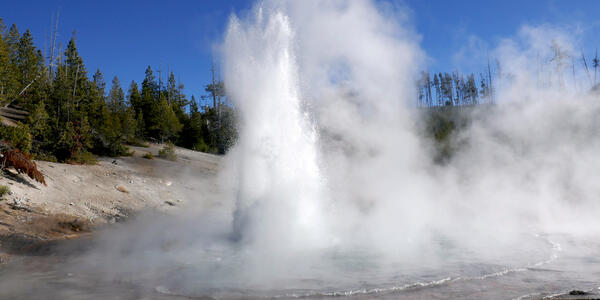
Echinus Geyser Reactivates in Yellowstone's Norris Geyser Basin
The article discusses the recent reactivation of Echinus Geyser in Yellowstone's Norris Geyser Basin, which is the world's largest acidic ge
 usgs.gov·2mo ago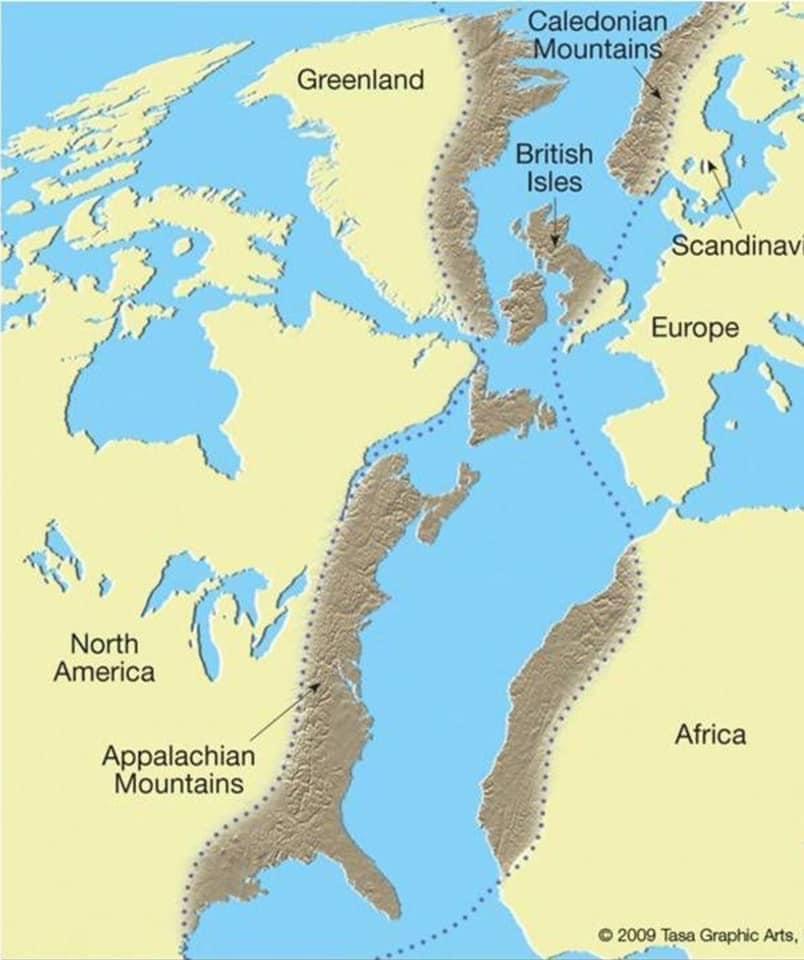
Scottish Highlands, Appalachians, and Atlas Mountains Share Common Origin as Central Pangean Mountains
The article explains that the Scottish Highlands, Appalachians, and Atlas Mountains were once part of the same massive mountain range called
 vividmaps.com·5mo ago
Pedro Duque, Spain's first astronaut, reflects on his journey from childhood dreams to space and analyzes the Artemis II mission
Profile and interview with Pedro Duque, Spain's first astronaut, who recounts his journey from watching the 1969 Moon landing as a child in
 20minutos.es·4h ago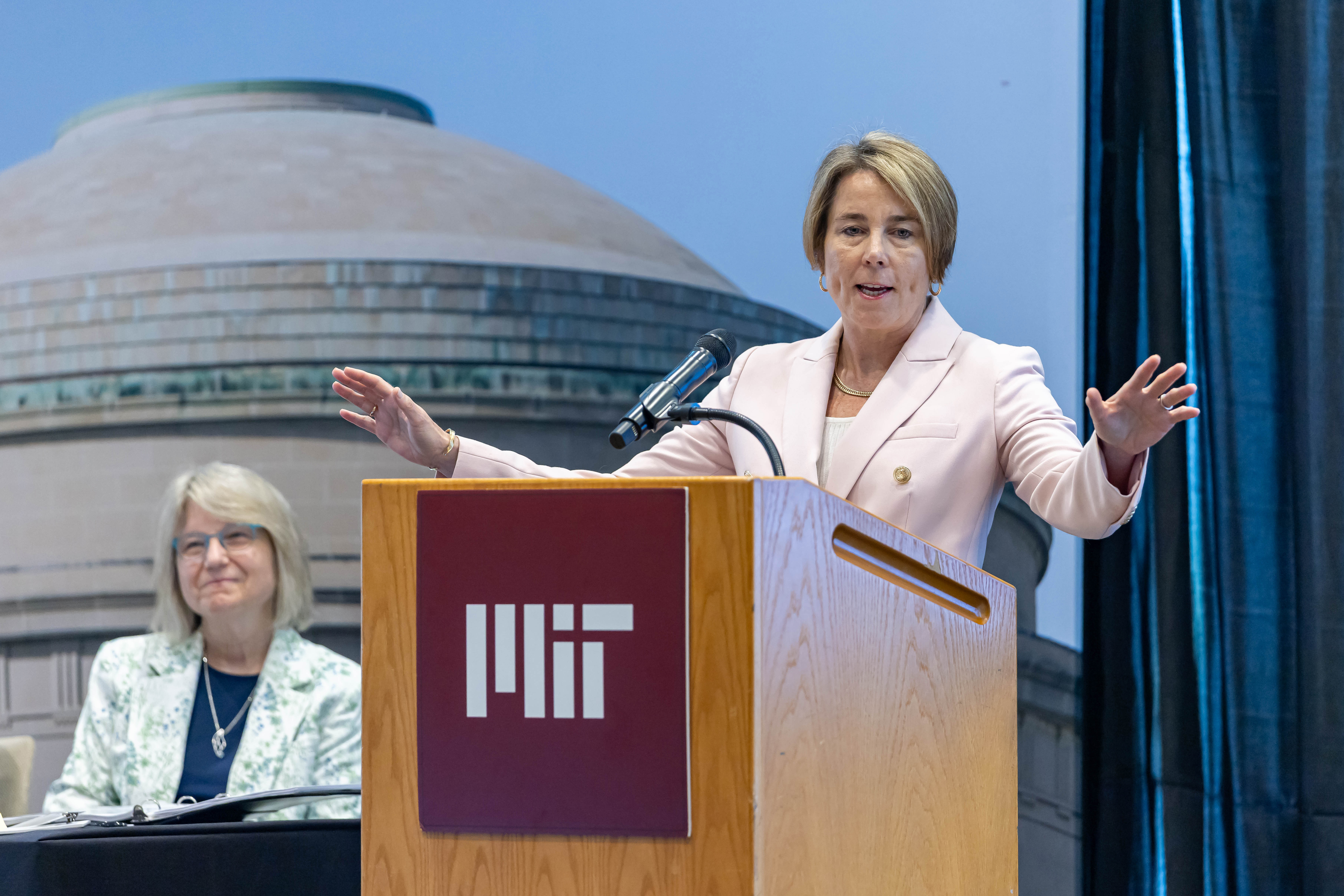
MIT and Massachusetts announce Quantum Systems Laboratory to advance quantum technology
MIT President Sally Kornbluth and Massachusetts Governor Maura Healey announced plans for the Quantum Systems Laboratory (QSL) at MIT, a sha
 news.mit.edu·6h ago