





















Scottish Highlands, Appalachians, and Atlas Mountains Share Common Origin as Central Pangean Mountains
By
lifeisstillgood

Crispy enough to crunch, soft enough to enjoy. A good bake.
Summary
The article explains that the Scottish Highlands, Appalachians, and Atlas Mountains were once part of the same massive mountain range called the Central Pangean Mountains. This ancient mountain chain formed during the collision of supercontinents Laurussia and Gondwana as Pangaea was assembling, reaching heights comparable to the modern Himalayas during the Permian period. The content describes how these now-separated mountain ranges share a common geological origin from when Earth's continents were joined together.
Key quotes
· 4 pulledThe Central Pangean Mountains were a great mountain chain in the middle part of the supercontinent Pangaea that stretches across the continent from northeast to southwest during the Carboniferous, Permian Triassic periods.
The ridge was formed as a consequence of a collision between the supercontinents Laurussia and Gondwana during the formation of Pangaea.
It was similar to the present Himalayas at its highest elevation during the beginning of the Permian period.
It's hard to imagine now that once upon a time that the Scottish Highlands, the Appalachians, the Ouachita Mountains...
You might also wanna read

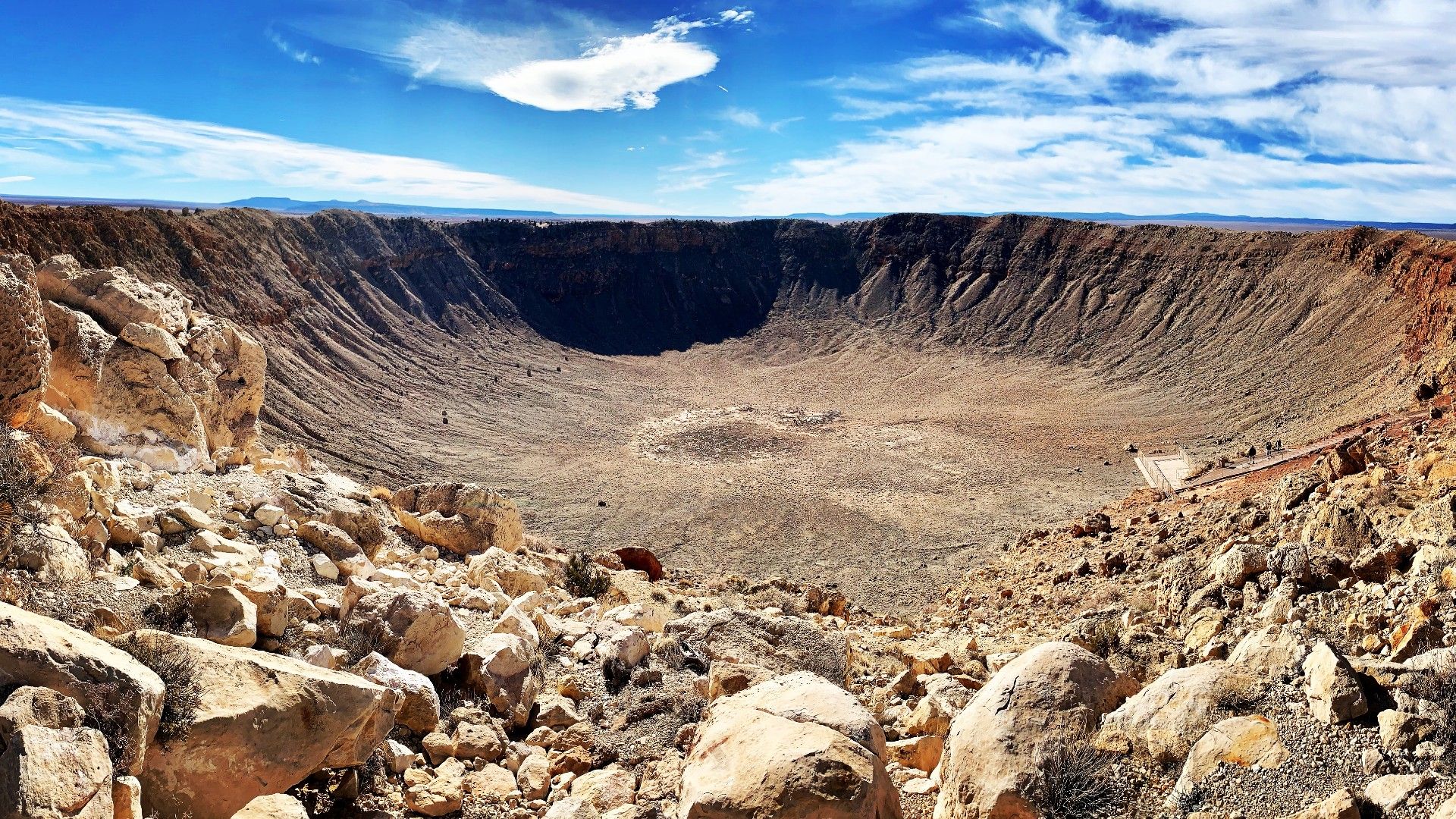
Arizona's Meteor Crater Continues to Reveal Scientific Insights 50,000 Years After Impact
Arizona's Meteor Crater, formed 50,000 years ago, continues to yield new scientific insights as researchers study this well-preserved impact
 space.com·2mo ago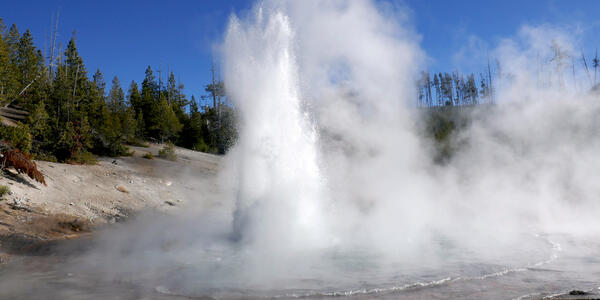
Echinus Geyser Reactivates in Yellowstone's Norris Geyser Basin
The article discusses the recent reactivation of Echinus Geyser in Yellowstone's Norris Geyser Basin, which is the world's largest acidic ge
 usgs.gov·2mo ago
Volcanic Eruptions Triggered Hydrogen Sulfide Buildup and Permian Mass Extinction
Research suggests that volcanic eruptions in Siberia 251 million years ago triggered a cascade of events that led to the Permian mass extinc
 psu.edu·6mo ago
Mathematicians challenge dark energy model, suggesting cosmic acceleration may arise naturally from Einstein's equations
A team of mathematicians challenges the long-standing dark energy model, arguing that the model it was designed to rescue was never mathemat
 earth.com·2h ago
Massachusetts invests $25M in MIT's new Quantum Systems Laboratory for quantum computing research
MIT is launching a Quantum Systems Laboratory in Cambridge, backed by a $25 million state investment from Massachusetts. The facility aims t
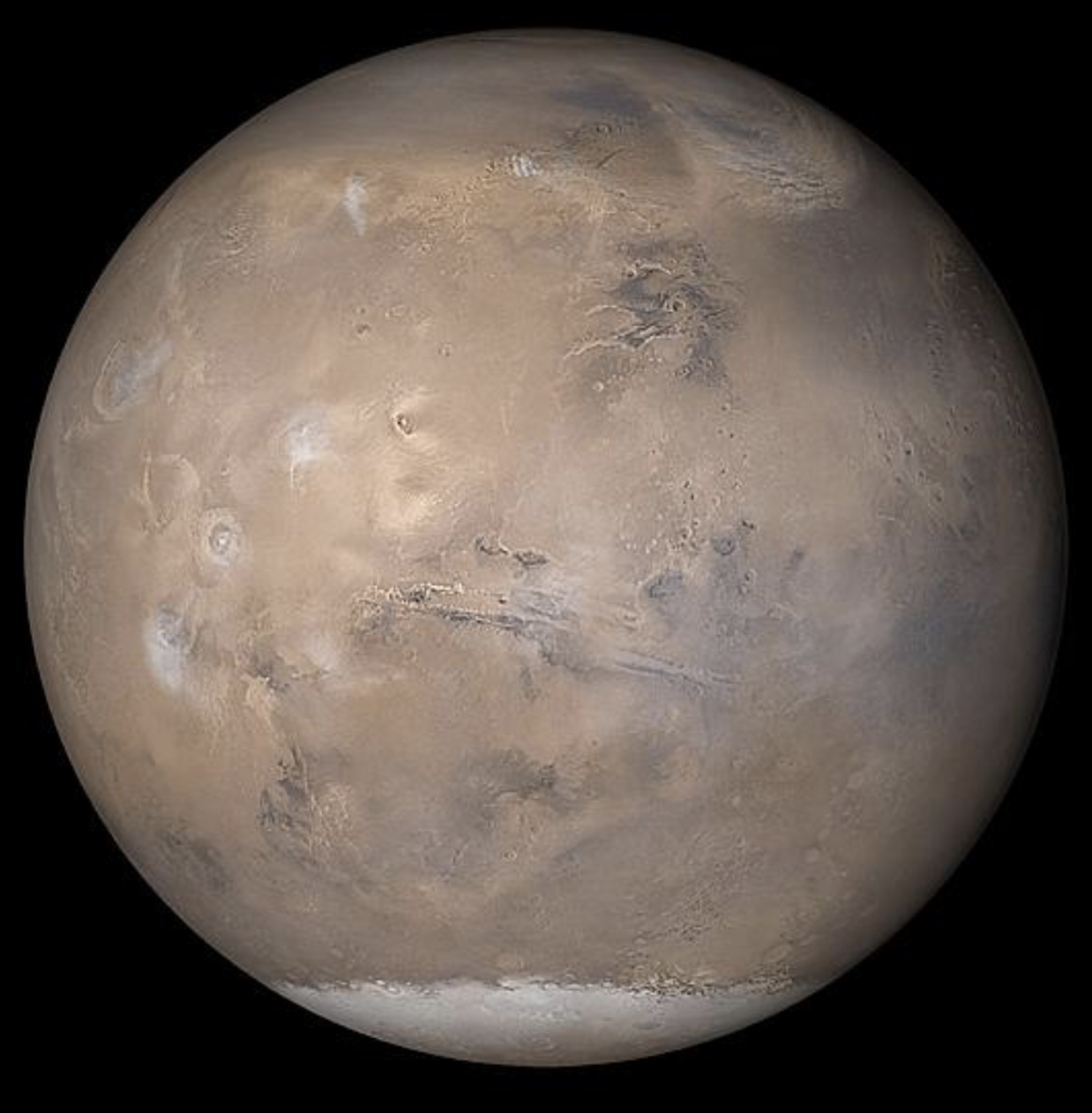
Viewing Mars as an Exoplanet: Lessons for Detecting Habitability from Afar
This scientific article explores what we could learn about Mars if we viewed it as an exoplanet—a distant world orbiting another star. The a
 astrobites.org·4h ago