





















5,500-Year-Old Sumerian Star Map Records Massive Asteroid Impact
By
griffzhowl

A bagel you'd recommend to a friend without hedging.
Summary
A 5,500-year-old Sumerian star map, discovered in King Ashurbanipal's library in Nineveh, Iraq, has been identified as recording a massive asteroid impact known as the Köfels Impact. The circular clay tablet, originally thought to be Assyrian from 650 BC, has been determined through data processing to be of Sumerian origin from 3300 BC. The tablet represents the first astronomical instrument, an "Astrolabe," and reveals ancient astronomical knowledge that documented a significant cosmic event.
Key quotes
· 4 pulledFor more than 150 years scientists have tried to solve the mystery of a notorious cuneiform clay tablet that reveals that in the past the impact case of so-called Köfel was detected.
The circular stone-cast tablet was discovered in the late 1800s from the 650 BC King Ashurbanipal 's underground library in Nineveh, Iraq.
Data processing, which was long believed to be an Assyrian tablet, mirrored the sky over Mesopotamia in 3300 BC and proved to be much more ancient Sumerian origin.
The tablet is the first astronomical instrument, the 'Astrolabe.'
You might also wanna read

/https://tf-cmsv2-smithsonianmag-media.s3.amazonaws.com/filer_public/e6/be/e6beedb1-b1b9-4a2f-960c-c61283e543b4/schlacht_bei_zama_gemalde_h_)
Archaeologists Discover 2,200-Year-Old Elephant Bone That May Be First Physical Evidence of Hannibal's War Elephants
Archaeologists have discovered a 2,200-year-old elephant bone in Spain that may provide the first direct physical evidence of Hannibal's war
 smithsonianmag.com·3mo ago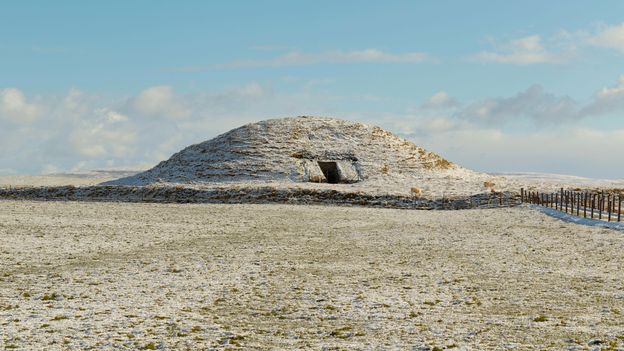
Ancient Monuments Aligned with Winter Solstice Sunrise and Sunset
The article explores ancient monuments across the Northern Hemisphere that align precisely with the winter solstice sunrise and sunset. Thes
 bbc.com·5mo ago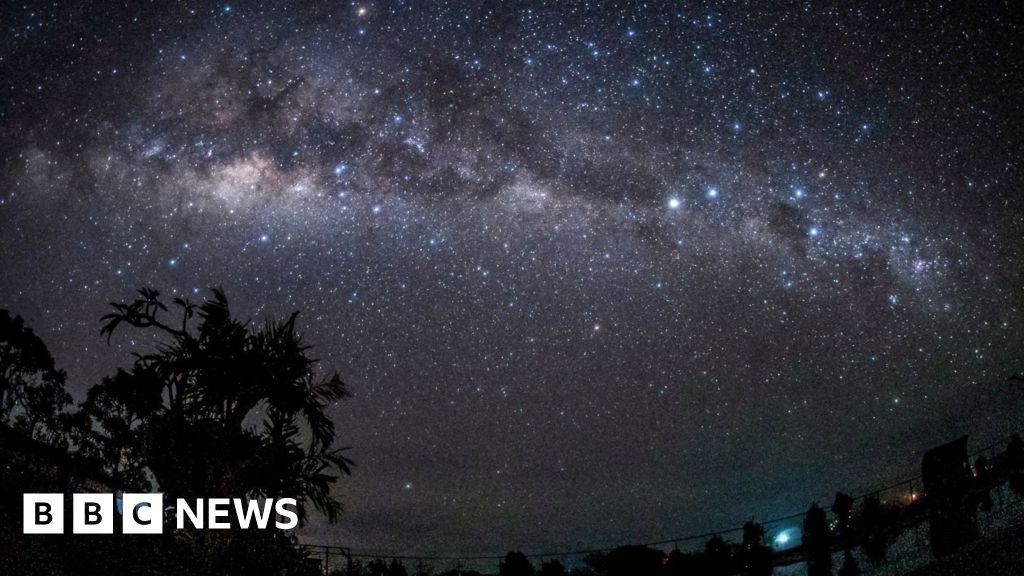
Summer night sky guide: Milky Way, eclipses, and meteor showers to watch
A brief guide to astronomical events visible during the summer months, including the Milky Way, the Summer Triangle, eclipses, and a meteor
 bbc.co.uk·4h ago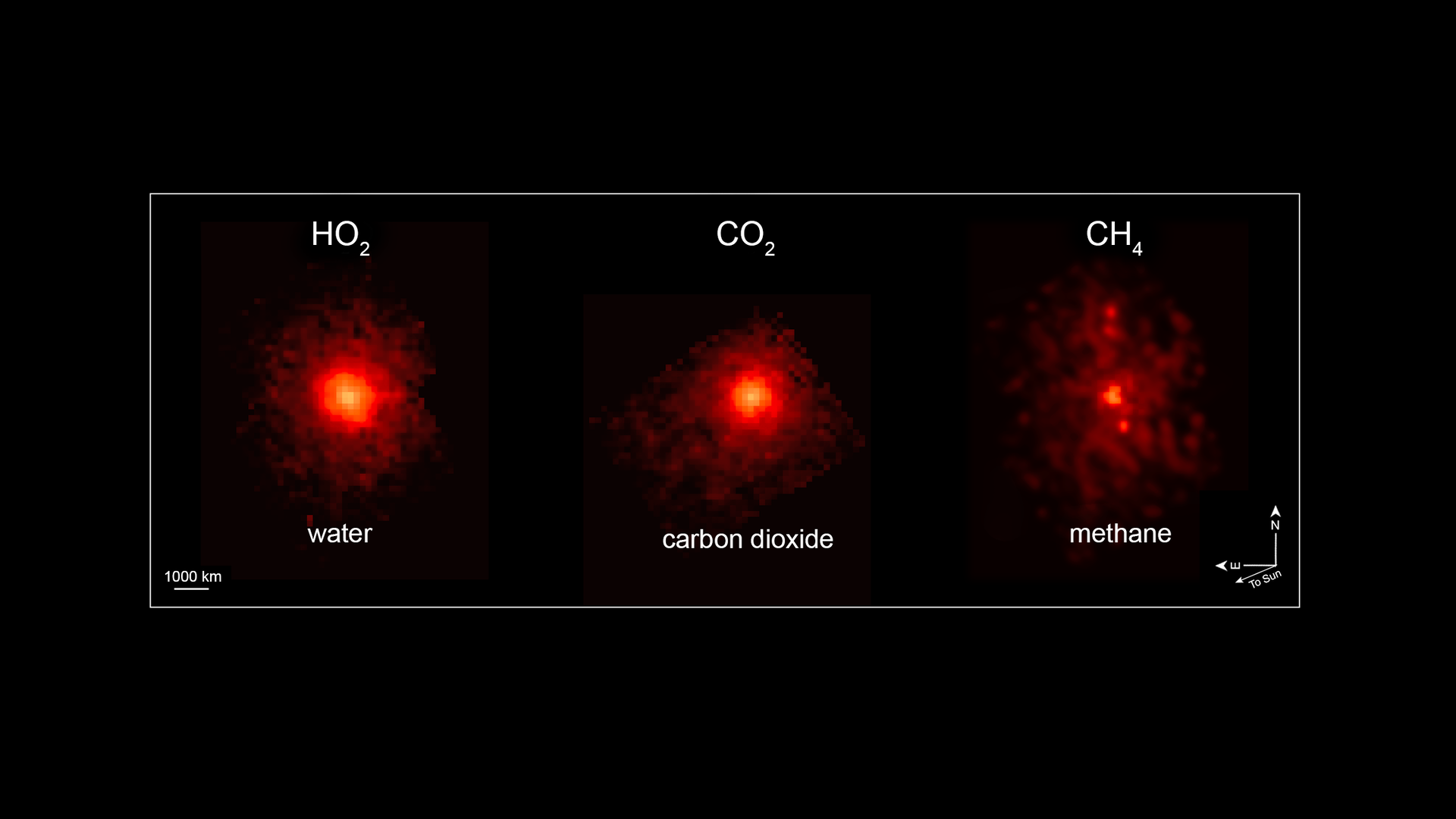
James Webb Space Telescope detects methane and other gases on interstellar Comet 3I/ATLAS
The James Webb Space Telescope has obtained its first chemical fingerprint of an interstellar object, Comet 3I/ATLAS, using its Mid-Infrared
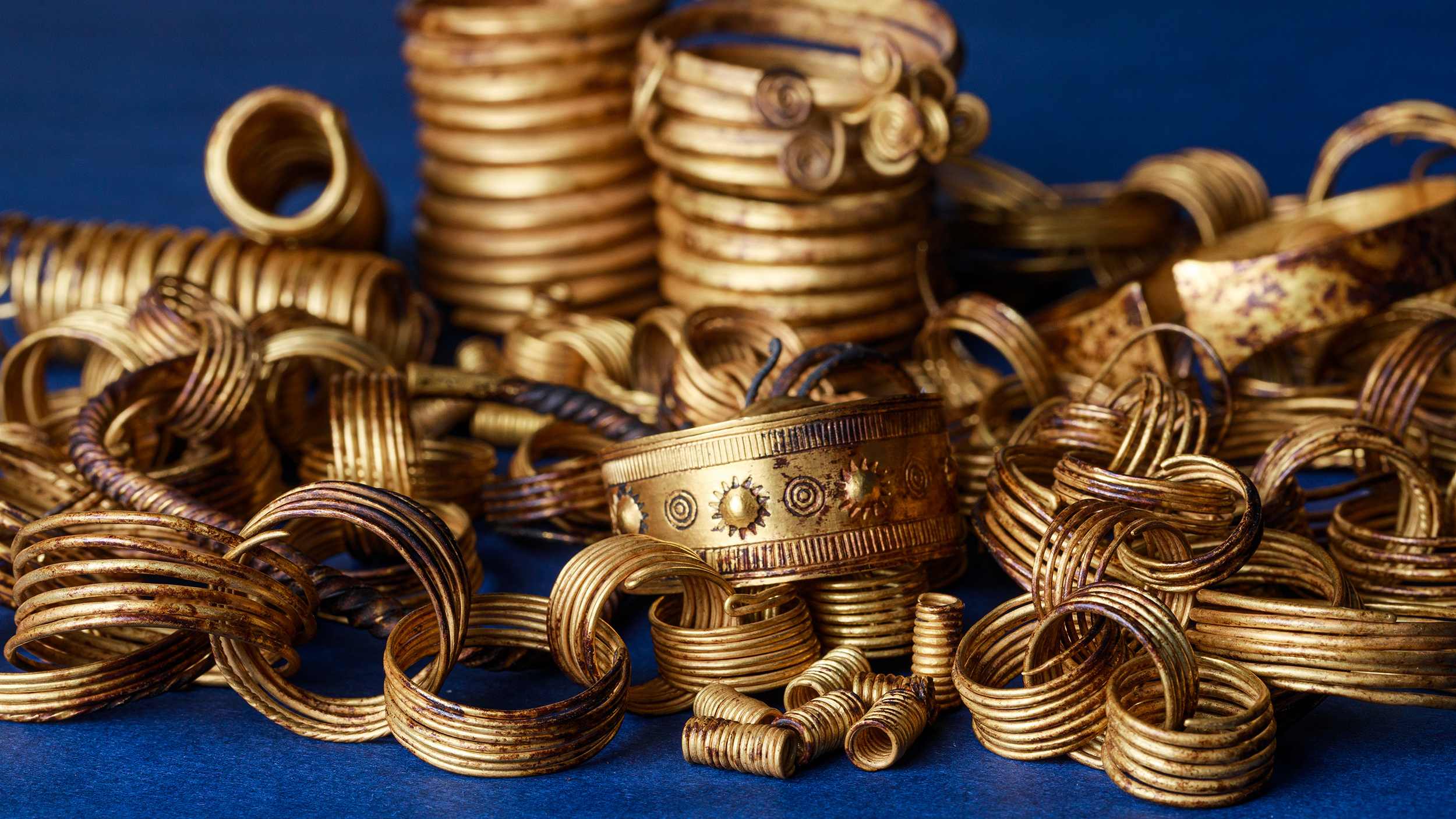
Gessel gold hoard: 3,300-year-old Bronze Age treasure among largest in prehistoric Europe
The Gessel gold hoard is a 3,300-year-old Bronze Age treasure discovered in Germany, consisting of only three pieces of jewelry yet ranking
 livescience.com·7h ago
ESA to host public and online events for 12 August 2026 total solar eclipse
ESA is organizing public engagement and educational activities around the total solar eclipse on 12 August 2026, which will be visible acros