





















Ancient Monuments Aligned with Winter Solstice Sunrise and Sunset
By
1659447091

Fresh out the oven, still warm. Top of the tray.
Summary
The article explores ancient monuments across the Northern Hemisphere that align precisely with the winter solstice sunrise and sunset. These structures, some nearly 5,000 years old, were built by various ancient cultures to mark the shortest day of the year, symbolizing death and rebirth. The article examines the motivations behind these solar-calibrated constructions, their cultural significance, and how they demonstrate humanity's ancient understanding of astronomy and seasonal cycles.
Key quotes
· 3 pulledThe winter solstice, which usually falls on 21 or 22 December in the Northern Hemisphere each year, marks the moment that one yearly cycle comes to an end and another is born.
Dozens of mysterious structures across the Northern Hemisphere – some nearly 5,000 years old – align precisely to frame the rising and setting Sun during midwinter's shortest day.
It is the day with the smallest number of sunlight hours in the calendar, and once it's over, the days lengthen again incrementally until the summer solstice in June.
You might also wanna read


Second Anglo-Saxon oven unearthed at Felton dig site in Northumberland
Archaeologists have uncovered a second oven during their fourth dig at an Anglo-Saxon site near Felton, Northumberland. The site, popular wi
 bbc.co.uk·1d ago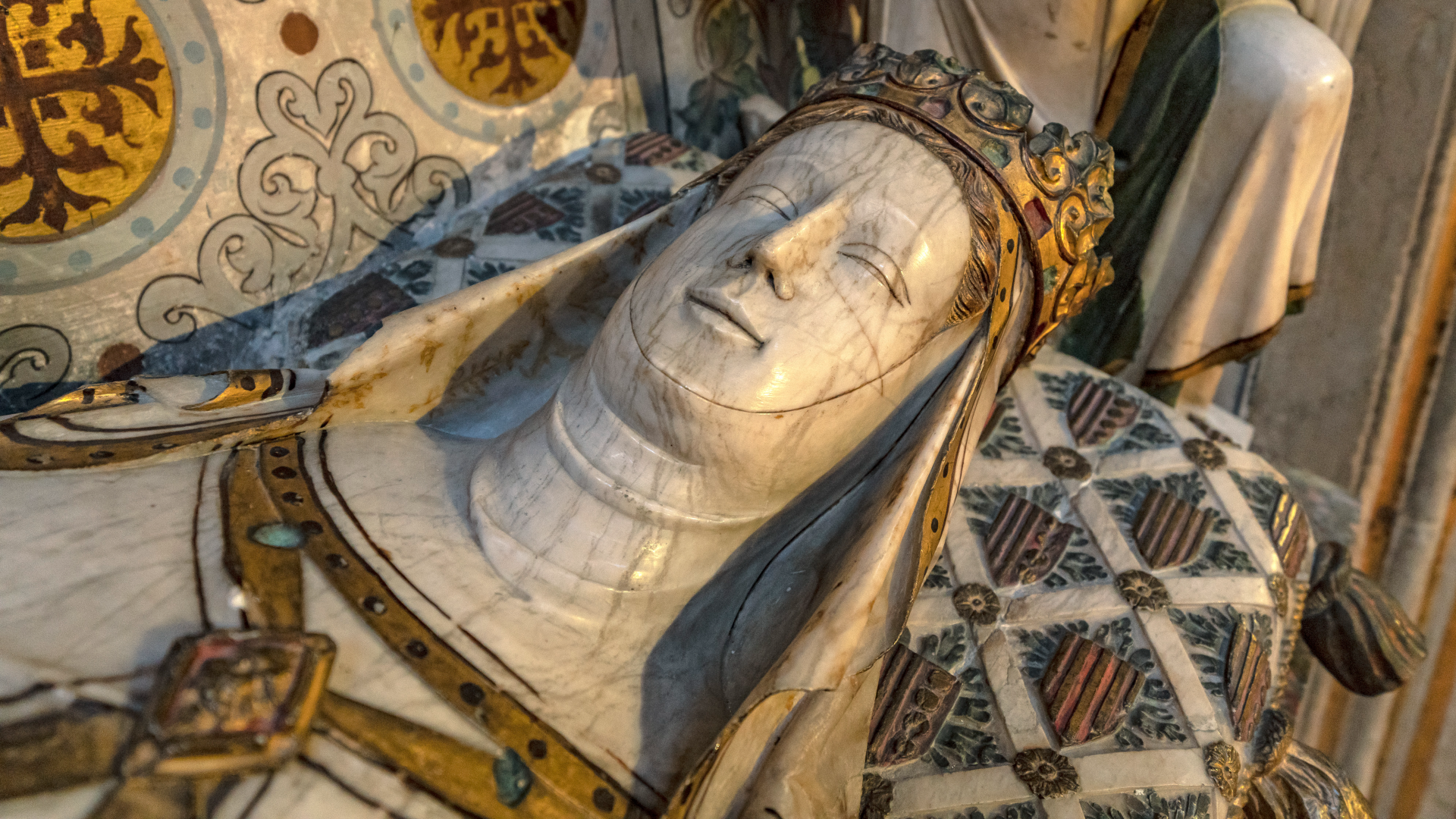
Skeletal remains of Queen Elisenda of Montcada and 24 others discovered in Barcelona monastery excavation
Archaeologists in Barcelona opened eight 14th-century graves at the Royal Monastery of Santa Maria Pedralbes and discovered 25 skeletons, in
 livescience.com·2d ago
Cráneos de Paracas en Perú: el debate científico entre la deformación cultural y las teorías extraterrestres
Un artículo que analiza los cráneos alargados descubiertos en Paracas, Perú, por el arqueólogo Julio C. Tello en 1928. Se discuten las teorí
 20minutos.es·2d ago
1,200-year-old gold and silver hoard discovered along medieval Hajj route in Saudi Arabia
Archaeologists in Saudi Arabia have discovered a 1,200-year-old clay pot containing over 100 gold, silver, and gemstone-encrusted artifacts
livescience.com·4d ago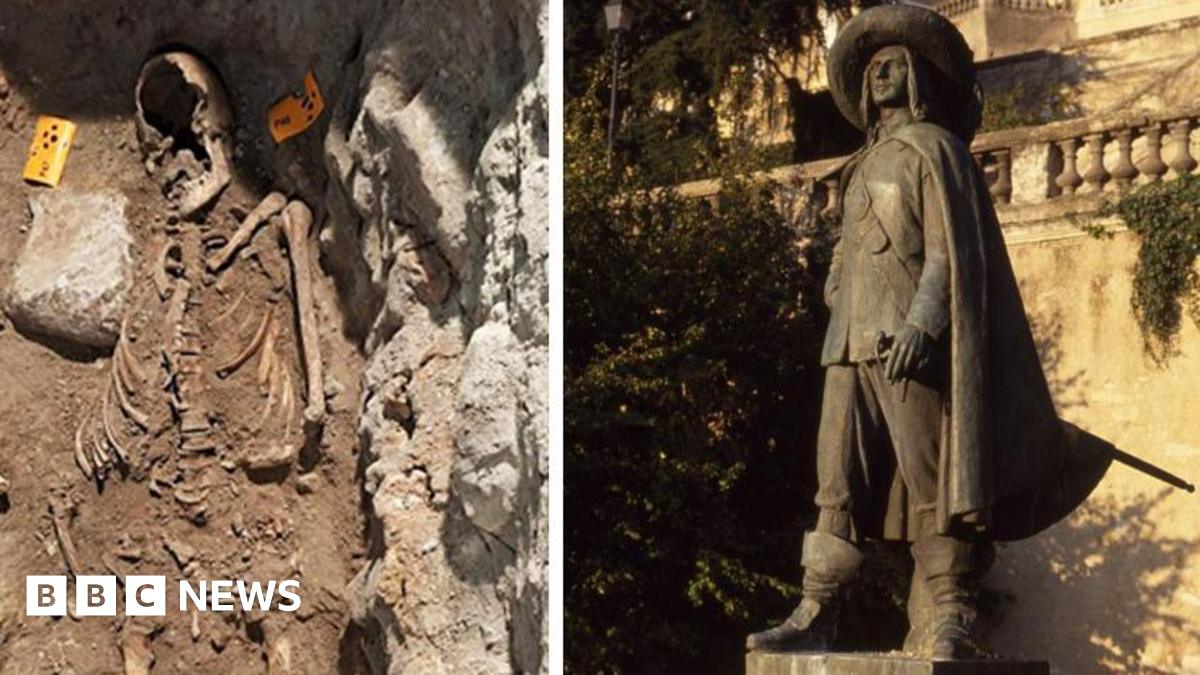
Archaeologists Discover Possible Remains of Historical Musketeer d'Artagnan Under Dutch Church
Archaeologists in the Netherlands have discovered skeletal remains under a church that they believe may belong to the historical musketeer d
bbc.co.uk·2mo ago
Archaeologists Reconstruct Face of 75,000-Year-Old Female Neanderthal from Iraqi Cave Burial Site
Archaeologists have reconstructed the face of a 75,000-year-old female Neanderthal named Shanidar Z, whose skull was discovered in a cave in
 cam.ac.uk·2mo ago