





















Cráneos de Paracas en Perú: el debate científico entre la deformación cultural y las teorías extraterrestres
By
Chema Lizarralde

The kind of bagel that ruins lesser bagels for you.
Summary
Un artículo que analiza los cráneos alargados descubiertos en Paracas, Perú, por el arqueólogo Julio C. Tello en 1928. Se discuten las teorías sobre su posible origen extraterrestre debido a que análisis de ADN muestran características que no encajan en linajes humanos conocidos, aunque también se presentan las limitaciones científicas de dichos análisis y explicaciones alternativas como prácticas de deformación craneal intencional.
Key quotes
· 4 pulledEn las tumbas encontró una serie de restos humanos cuyas cabezas eran algo distintas.
Tello descubrió más de 300 cráneos no ordinarios que se cree tienen al menos 3.000 años de antigüedad.
Eran cónicos, un 25% más grandes y hasta un 60% más pesados que la media de los cráneos de los seres humanos.
En los cráneos del yacimiento de Paracas podría haber ADN que no encaja en ningún linaje humano conocido.
You might also wanna read

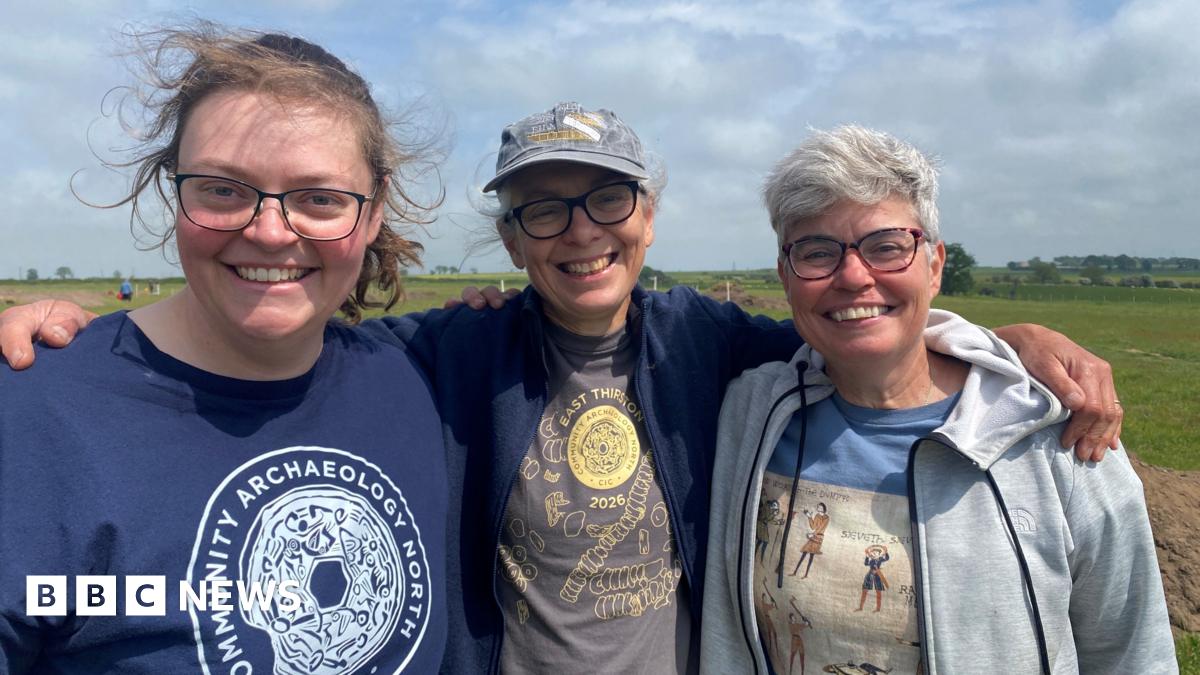
Second Anglo-Saxon oven unearthed at Felton dig site in Northumberland
Archaeologists have uncovered a second oven during their fourth dig at an Anglo-Saxon site near Felton, Northumberland. The site, popular wi
 bbc.co.uk·1d ago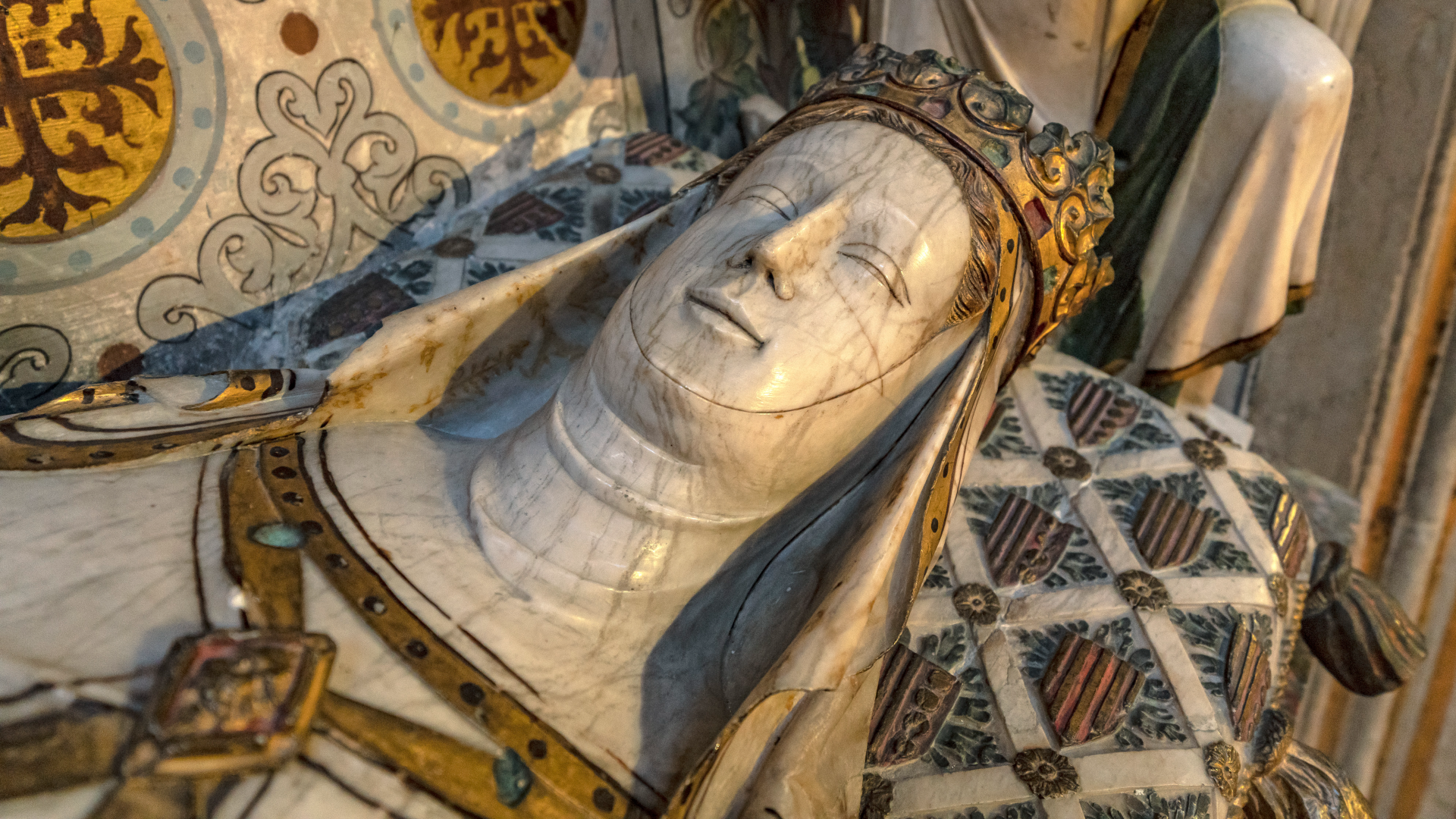
Skeletal remains of Queen Elisenda of Montcada and 24 others discovered in Barcelona monastery excavation
Archaeologists in Barcelona opened eight 14th-century graves at the Royal Monastery of Santa Maria Pedralbes and discovered 25 skeletons, in
 livescience.com·2d ago
1,200-year-old gold and silver hoard discovered along medieval Hajj route in Saudi Arabia
Archaeologists in Saudi Arabia have discovered a 1,200-year-old clay pot containing over 100 gold, silver, and gemstone-encrusted artifacts
livescience.com·4d ago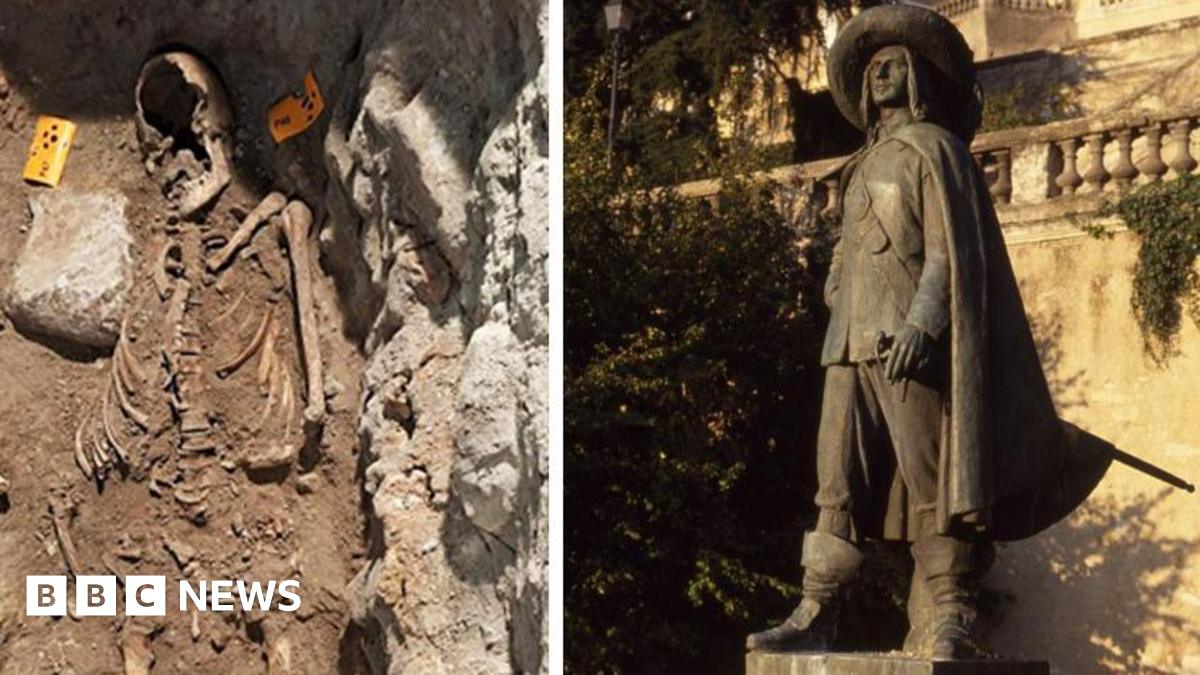
Archaeologists Discover Possible Remains of Historical Musketeer d'Artagnan Under Dutch Church
Archaeologists in the Netherlands have discovered skeletal remains under a church that they believe may belong to the historical musketeer d
bbc.co.uk·2mo ago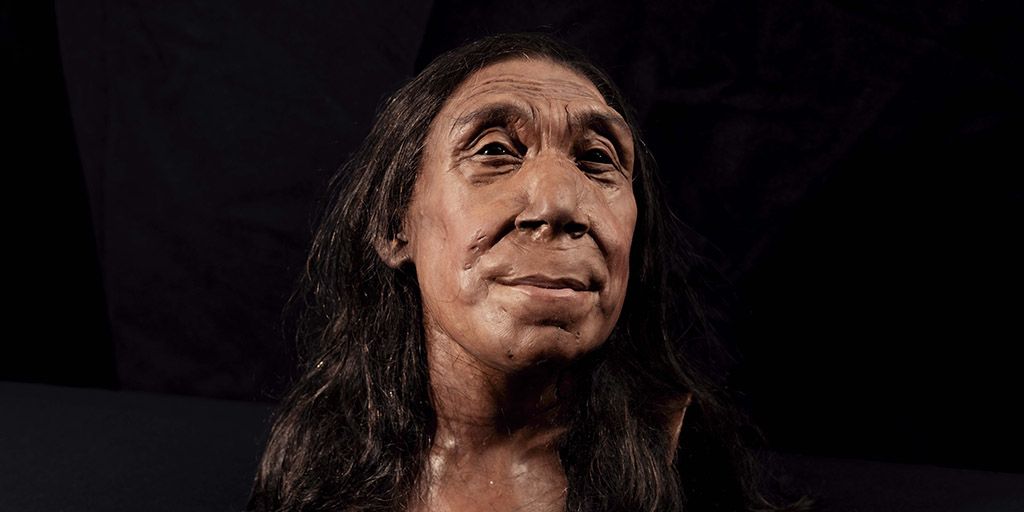
Archaeologists Reconstruct Face of 75,000-Year-Old Female Neanderthal from Iraqi Cave Burial Site
Archaeologists have reconstructed the face of a 75,000-year-old female Neanderthal named Shanidar Z, whose skull was discovered in a cave in
 cam.ac.uk·2mo ago
/https://tf-cmsv2-smithsonianmag-media.s3.amazonaws.com/filer_public/e6/be/e6beedb1-b1b9-4a2f-960c-c61283e543b4/schlacht_bei_zama_gemalde_h_)
Archaeologists Discover 2,200-Year-Old Elephant Bone That May Be First Physical Evidence of Hannibal's War Elephants
Archaeologists have discovered a 2,200-year-old elephant bone in Spain that may provide the first direct physical evidence of Hannibal's war
 smithsonianmag.com·3mo ago