





















Scientists Debate Whether Earth's Oceans Came from Comets, Asteroids, or Were Homegrown
By
By Robin George Andrews June 12, 2026

Crisp on the outside, thoughtful on the inside. A keeper.
Summary
The article explores the evolving scientific debate about the origin of Earth's oceans. Initially, scientists believed Earth's water arrived via comets or asteroids after the planet formed. However, new research suggests that Earth may have retained water from its formation, stored deep within the mantle in minerals like ringwoodite, and gradually released it through volcanic activity. This "homegrown" hypothesis challenges the long-held extraterrestrial delivery theories and has implications for understanding planetary formation and the potential for water on exoplanets.
Key quotes
· 3 pulledAnd it is not darkness that unites us, not the cold distance of space, but the offering of water, each drop of rain, each rivulet, each pulse, each vein.
For decades, NASA's exploration of the solar system has been dominated by the search for water.
At first, scientists thought Earth's water came from comets. Then, asteroids. Now, they wonder if Earth's water is homegrown.
You might also wanna read

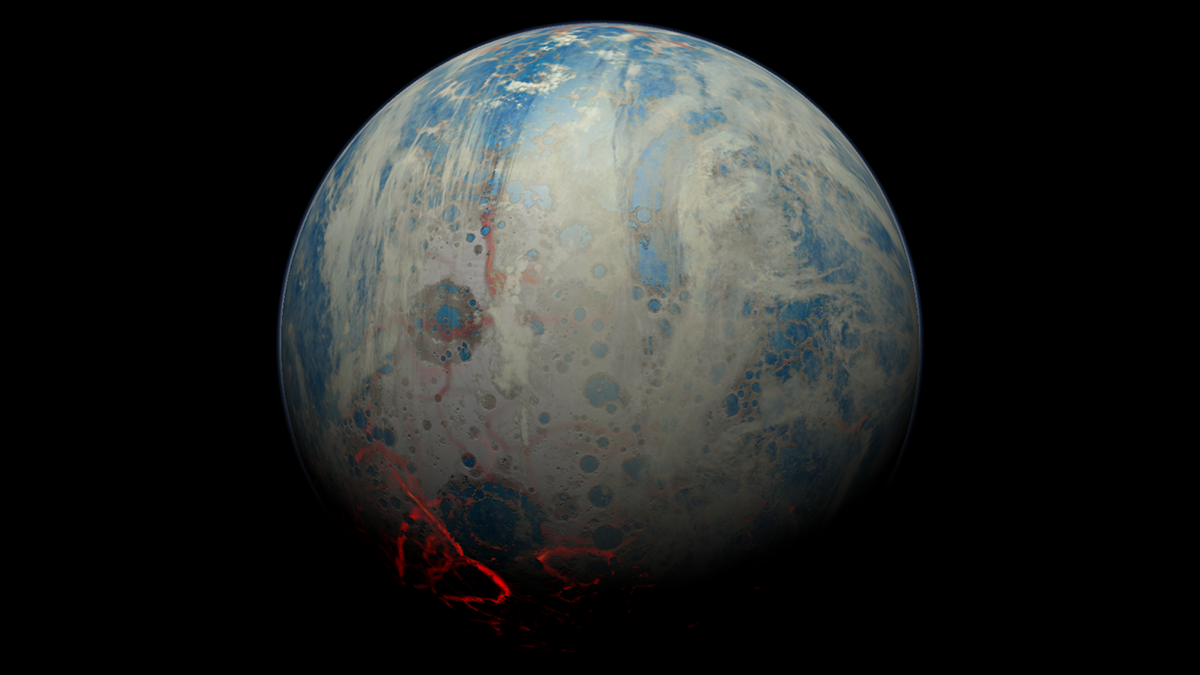
Study: Early Earth's Asteroid Impacts May Have Enabled Prebiotic Chemistry
A new study published in AGU Advances examines how asteroid and planetesimal impacts during Earth's Hadean and Archean eons (4.6 to 3.5 bill
 eos.org·7d ago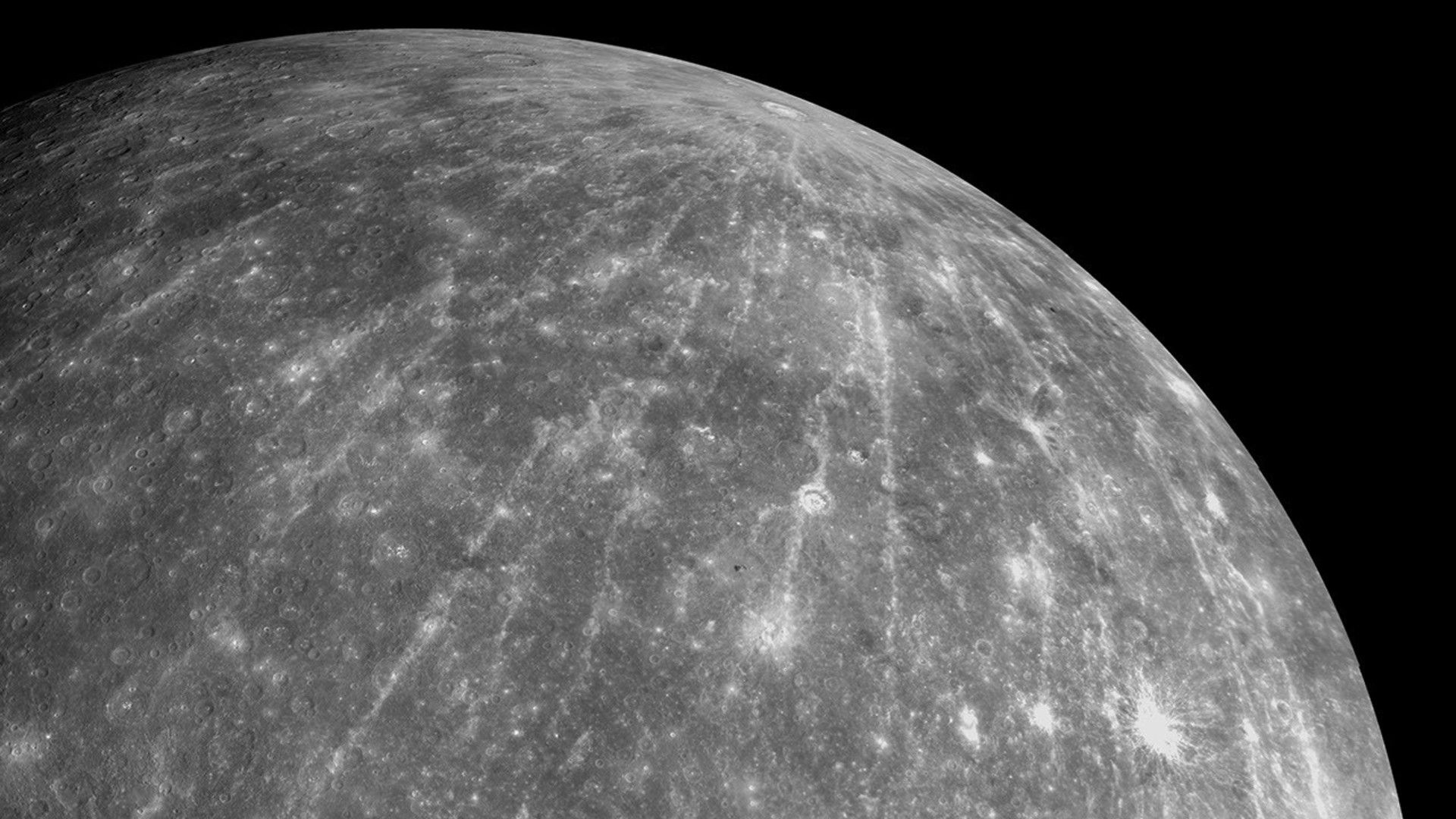
Study suggests single asteroid impact delivered Mercury's water ice in one Mercurian day
New simulations suggest that a single massive asteroid impact on Mercury, similar to the one that created the Hokusai crater, may have rapid
 space.com·15d ago
Study Quantifies Impact-Generated Crustal Permeability on the Early Earth
This scientific study uses shock physics modeling to quantify the volume of impact-generated permeable (fractured) regions in the upper crus
 agupubs.onlinelibrary.wiley.com·23h ago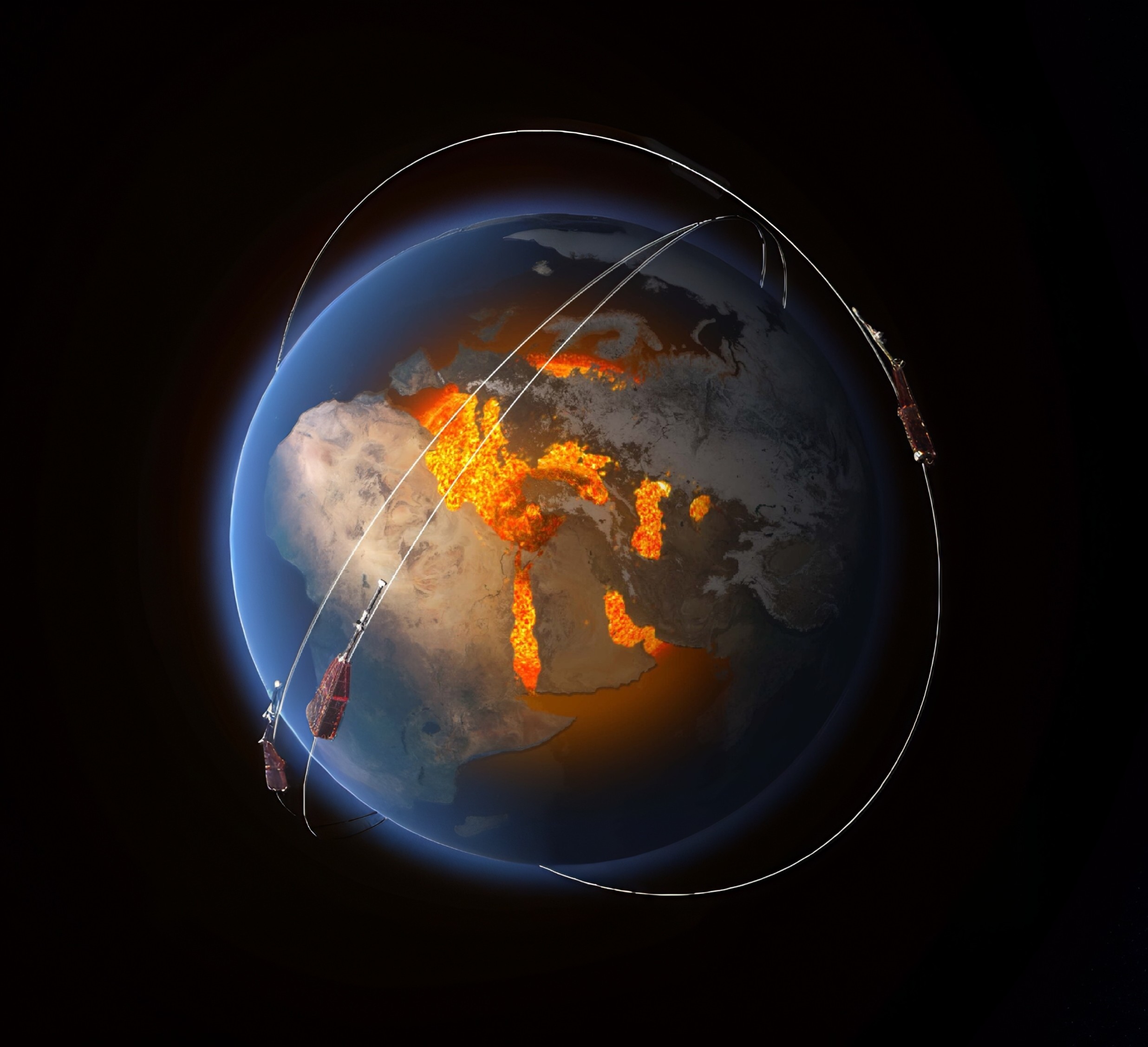
Earth's molten core flow beneath Pacific reversed direction in 2010, satellite data reveals
Scientists discovered that a massive flow of liquid iron in Earth's outer core beneath the Pacific Ocean suddenly reversed direction in 2010
 earth.com·12d ago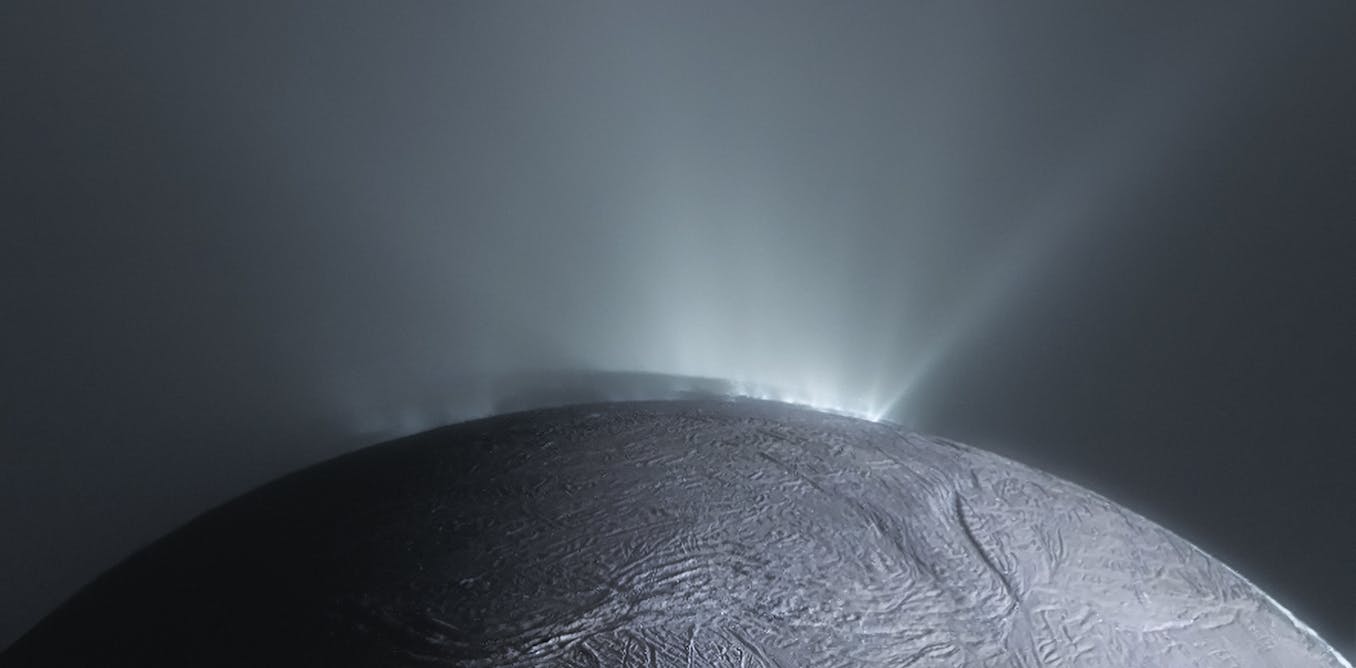
Scientists adapt ecological analysis methods to detect potential life on icy moons like Enceladus and Europa
Scientists are using ecological methods to study icy moons like Saturn's Enceladus and Jupiter's Europa, which likely have subsurface oceans
 theconversation.com·12d ago
Alaskan Rock Study Shows Oceans Lost Oxygen 8 Million Years Before End-Triassic Mass Extinction
New research published in Nature Communications Earth & Environment reveals that Earth's oceans began losing oxygen nearly 8 million years b
 discovermagazine.com·1d ago