





















Study suggests single asteroid impact delivered Mercury's water ice in one Mercurian day
By
Sharmila Kuthunur

Crackling crust, pillowy middle. The kind of bagel that earns a second cup of coffee.
Summary
New simulations suggest that a single massive asteroid impact on Mercury, similar to the one that created the Hokusai crater, may have rapidly transported water ice across the planet and trapped it in permanently shadowed polar craters within just one Mercurian day (176 Earth days). This challenges previous theories that Mercury's water ice was deposited gradually over long periods. The study provides a new explanation for the origin of water ice on the innermost planet, which has surprisingly large ice deposits despite its proximity to the Sun.
Key quotes
· 3 pulledA single colossal impact may have rapidly spread water across Mercury and locked much of it into permanently shadowed polar craters — all within the span of a single Mercurian day, or 176 Earth days, according to a new study.
The findings challenge the long-held assumption that Mercury's ice accumulated slowly over millions of years from micrometeorite impacts or comet deliveries.
This research provides a compelling new narrative for how one of the solar system's most extreme worlds came to harbor frozen water in its darkest corners.
You might also wanna read

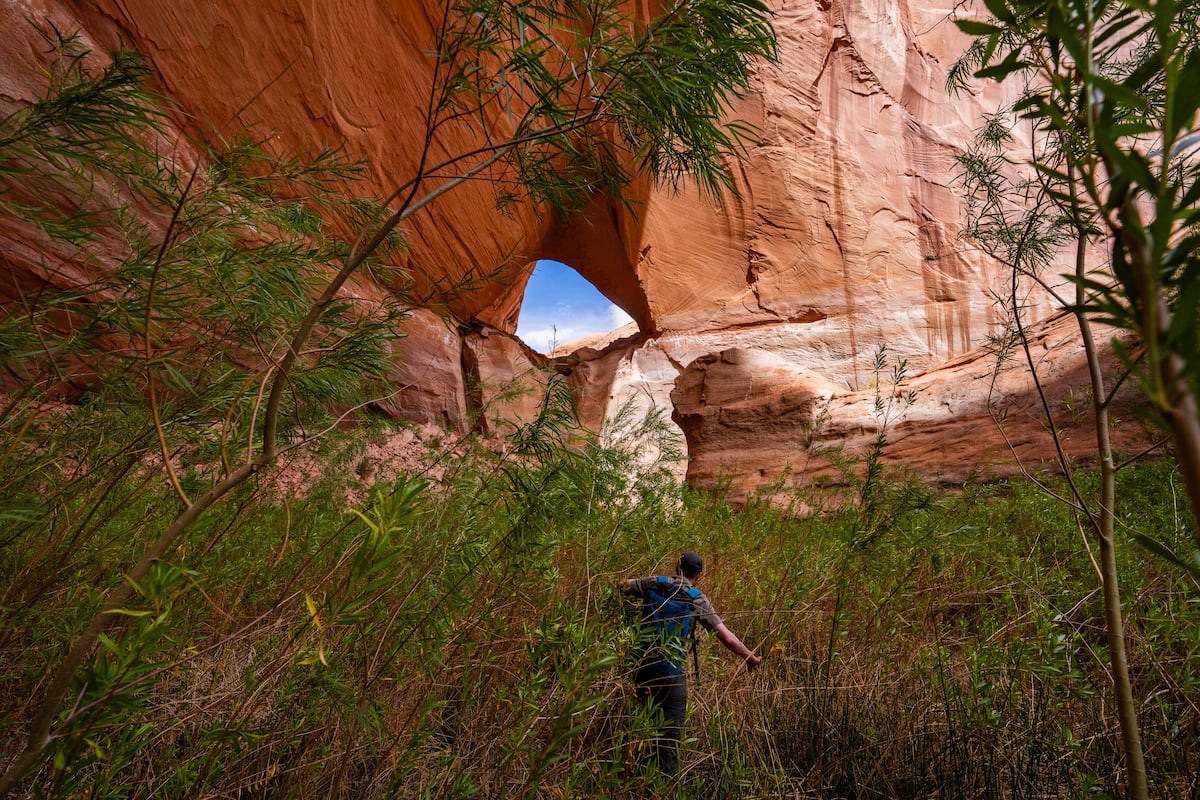
Lake Powell's retreat reveals thriving ecosystem in Glen Canyon
As Lake Powell's water levels drop due to drought, the once-submerged Glen Canyon is re-emerging, revealing a thriving ecosystem with toads,
 sltrib.com·44m ago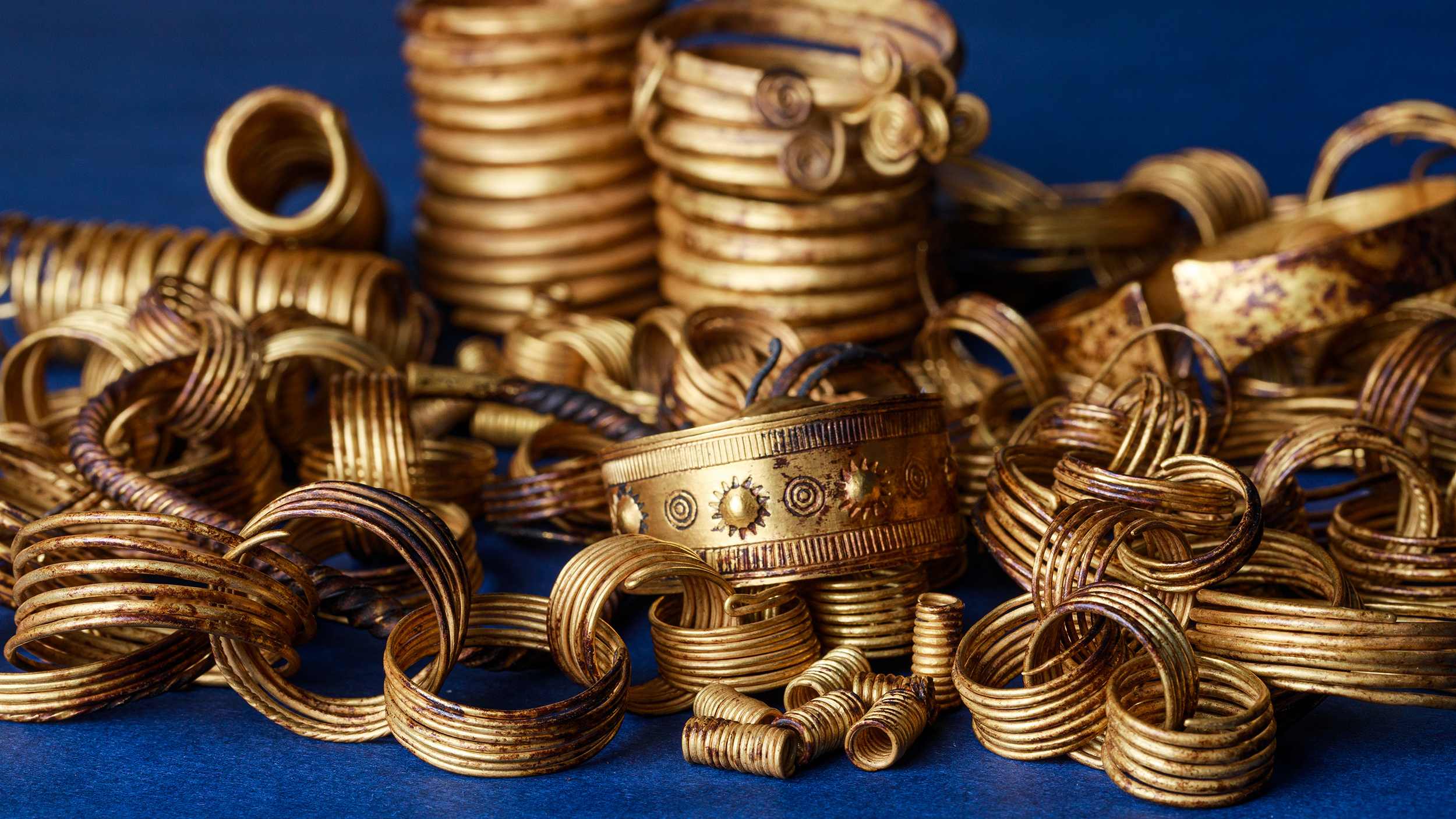
Gessel gold hoard: 3,300-year-old Bronze Age treasure among largest in prehistoric Europe
The Gessel gold hoard is a 3,300-year-old Bronze Age treasure discovered in Germany, consisting of only three pieces of jewelry yet ranking
 livescience.com·1h ago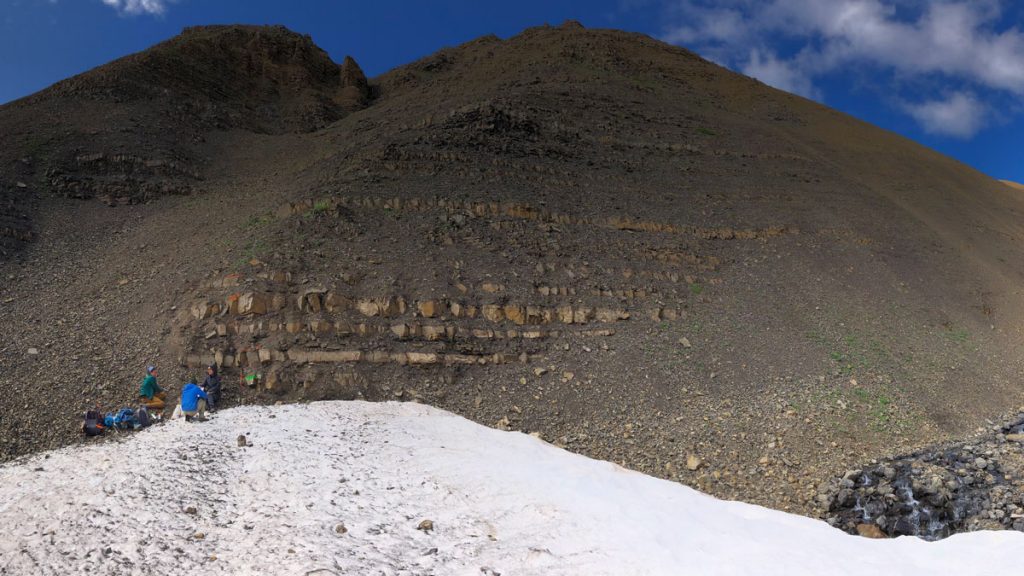
Oceans lost oxygen 8 million years before end-Triassic mass extinction, study finds
New research reveals that oceans began losing oxygen nearly 8 million years before the end-Triassic mass extinction, not just during the ext
 news.vt.edu·1h ago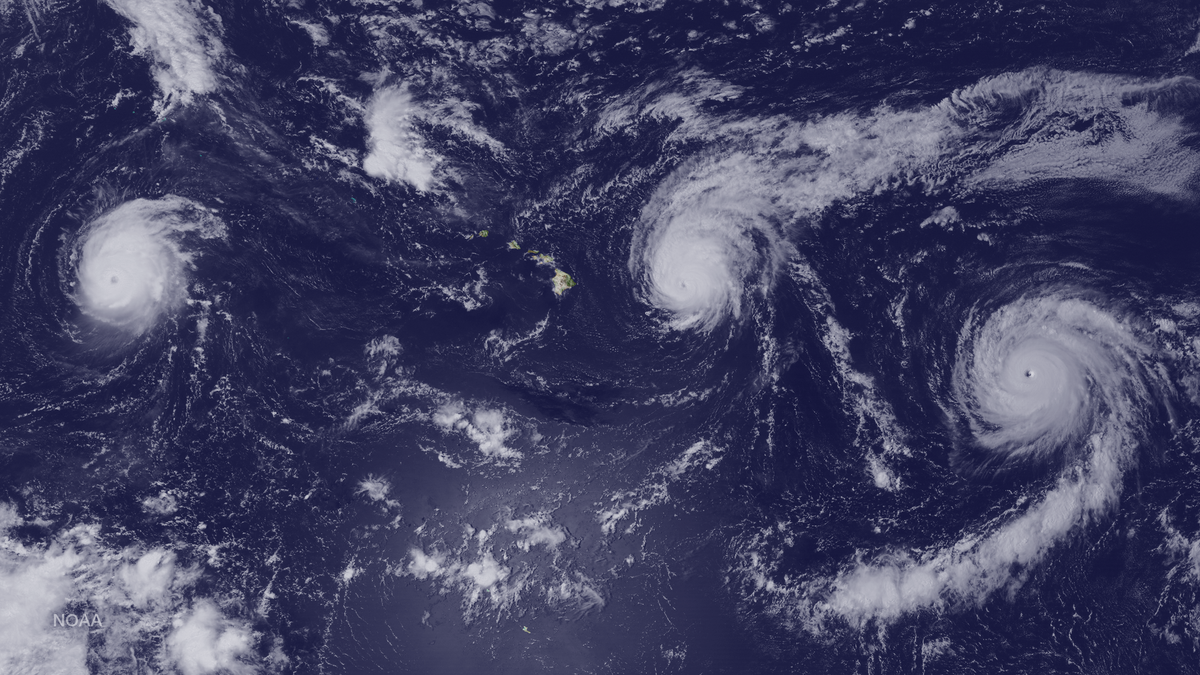
The science of hurricane season and the 2026 Atlantic outlook
This article explains the science behind hurricane seasons, focusing on the environmental conditions required for tropical cyclone formation
 scientificamerican.com·2h ago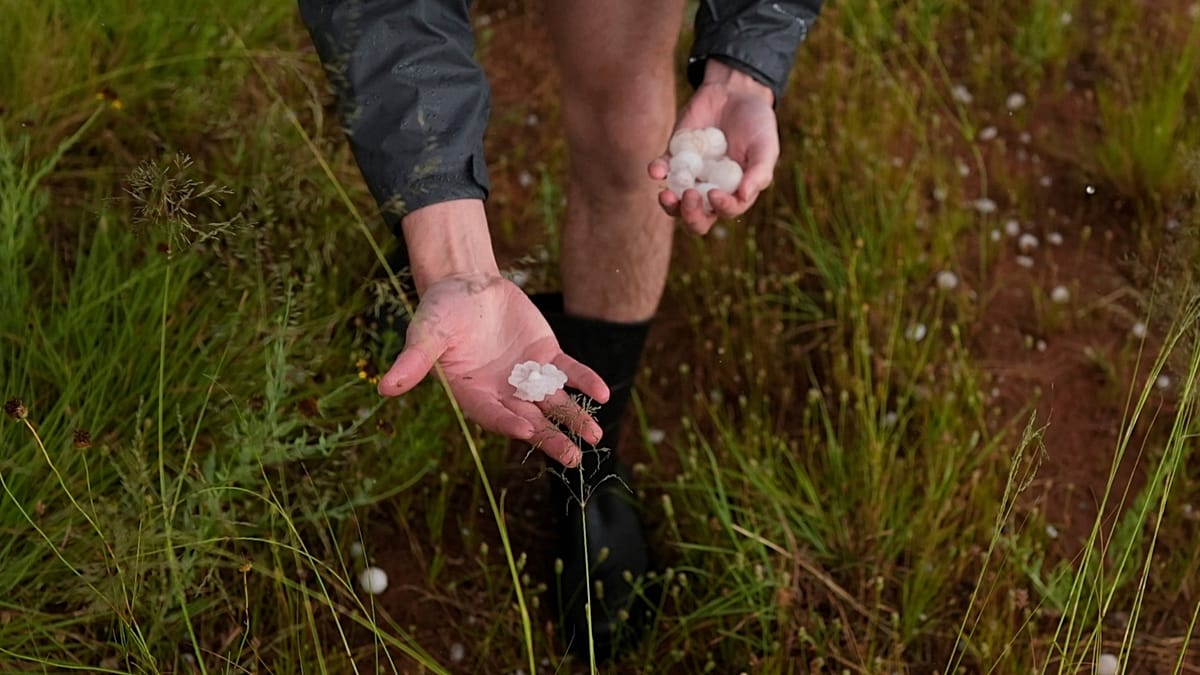
Study: Climate change could increase large hailstones by nearly 50% by 2100
A new study published in Nature warns that climate change will significantly increase the frequency of large hailstones (bigger than a marbl
 euronews.com·7h ago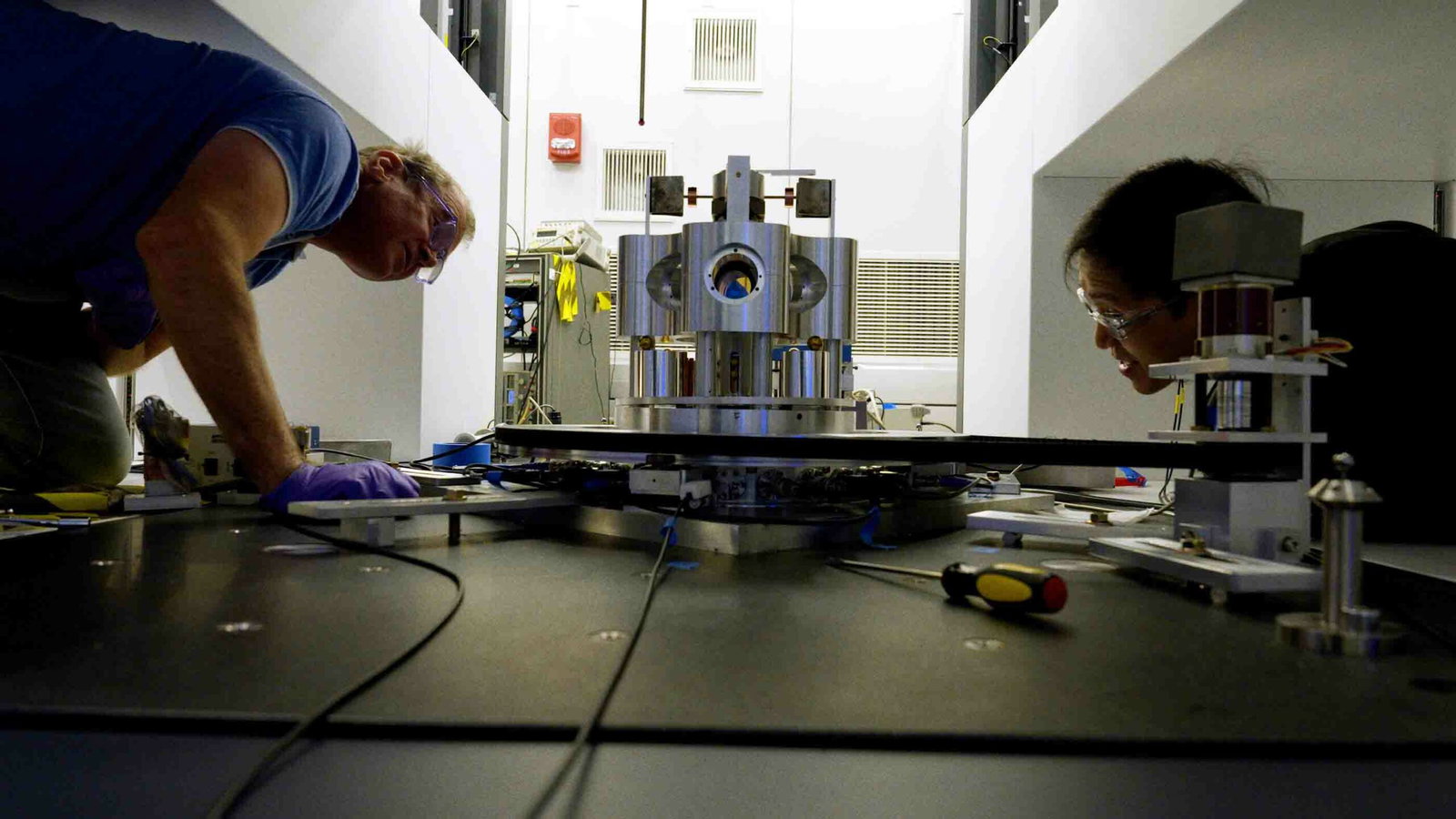
NIST physicist's decade-old sealed envelope experiment reveals new questions about gravity measurement
Physicist Stephan Schlamminger from NIST led an experiment to verify a 2007 French measurement of the universal gravitational constant (G),
 thedebrief.org·7h ago