
























Exploring Jupiter's Galilean moons: Why Io, Europa, Ganymede, and Callisto fascinate scientists
By
Norway to restrict primary school pupils’ use of AI due to declining school results
Summary
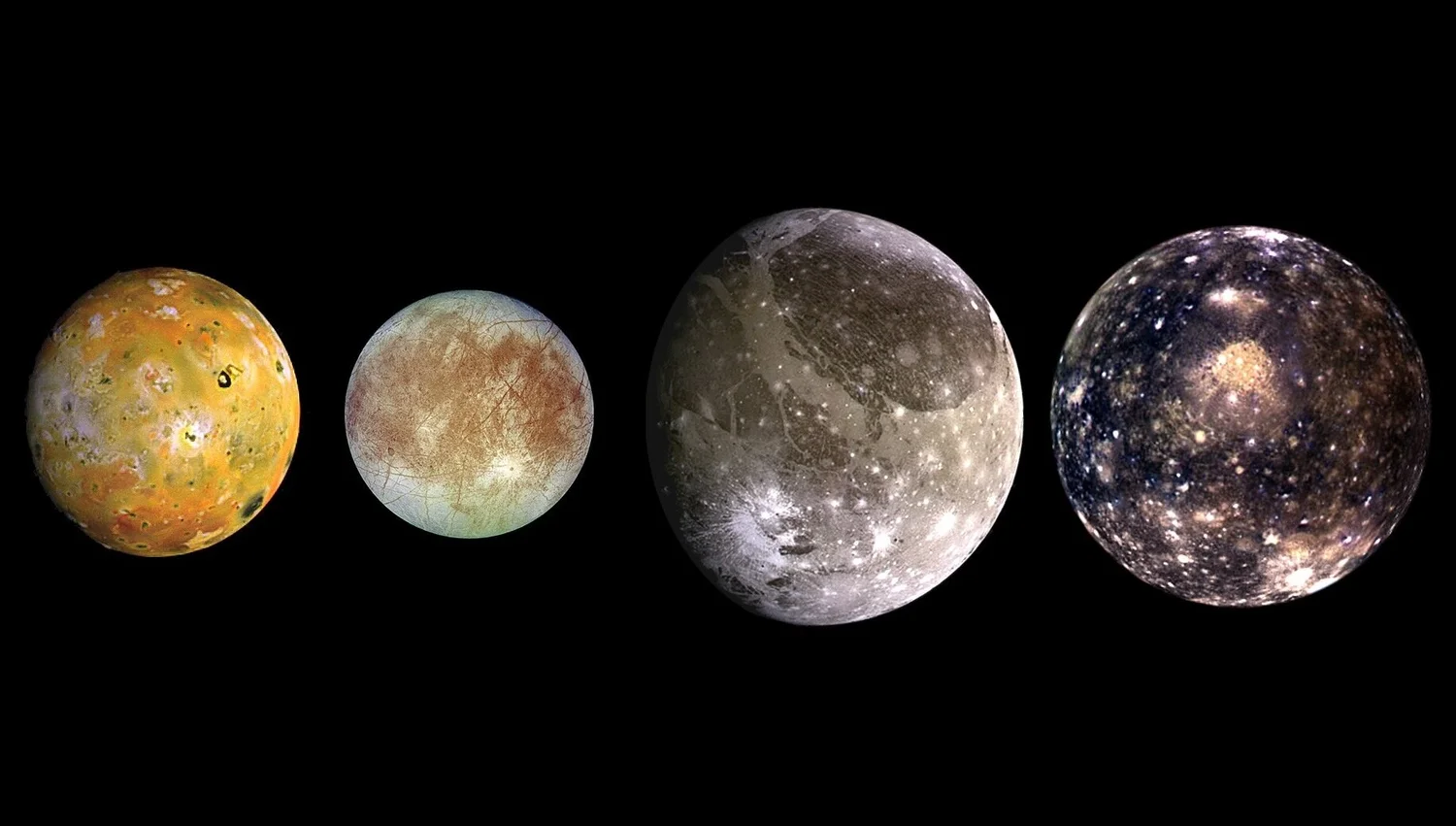
This article explores Jupiter's four largest moons — the Galilean moons (Io, Europa, Ganymede, and Callisto) — highlighting why they are among the most fascinating worlds in our solar system. It begins with Ganymede, the largest moon in the solar system (larger than Mercury), and discusses its unique characteristics including its size, composition, and potential subsurface ocean. The article presents these moons as diverse worlds with distinct geological features, from volcanic activity to icy surfaces, making them prime targets for scientific study.
Source
 Twitter / XExploring Jupiter's Galilean moons: Why Io, Europa, Ganymede, and Callisto fascinate scientistsuniversal-sci.com
Key quotes
· 3 pulledGanymede deserves our attention, not only because of its size but also because of its ma
From left to right: Io, Europa, Ganymede and Callisto
Jupiter has 79 known moons, the four largest of which are known as the 'Galilean moons'
You might also wanna read

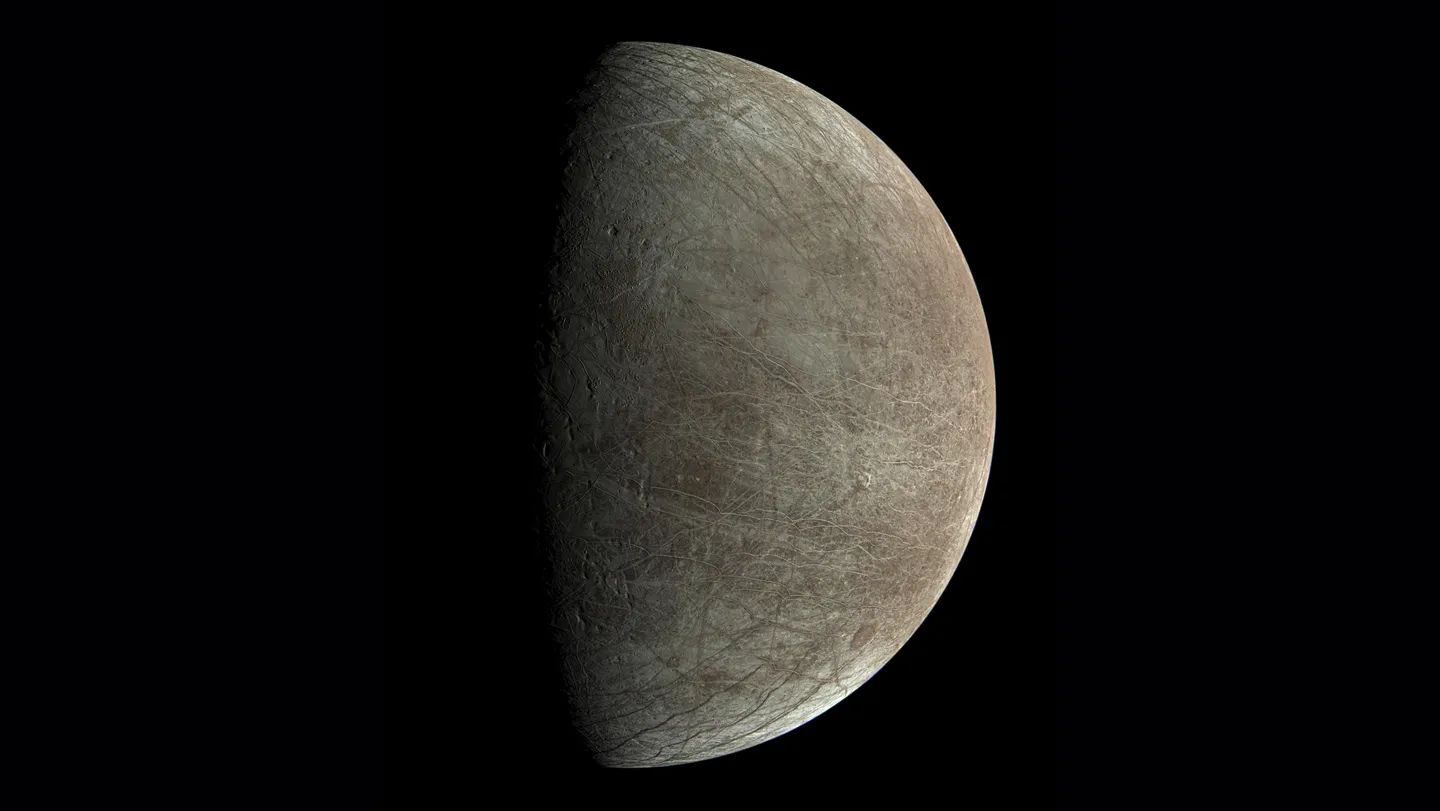
Study finds no evidence of water plumes on Jupiter's moon Europa
New analysis of nearly a decade of Hubble Space Telescope observations of Jupiter's moon Europa shows no strong evidence for water plumes th
 sciencenews.org·1mo ago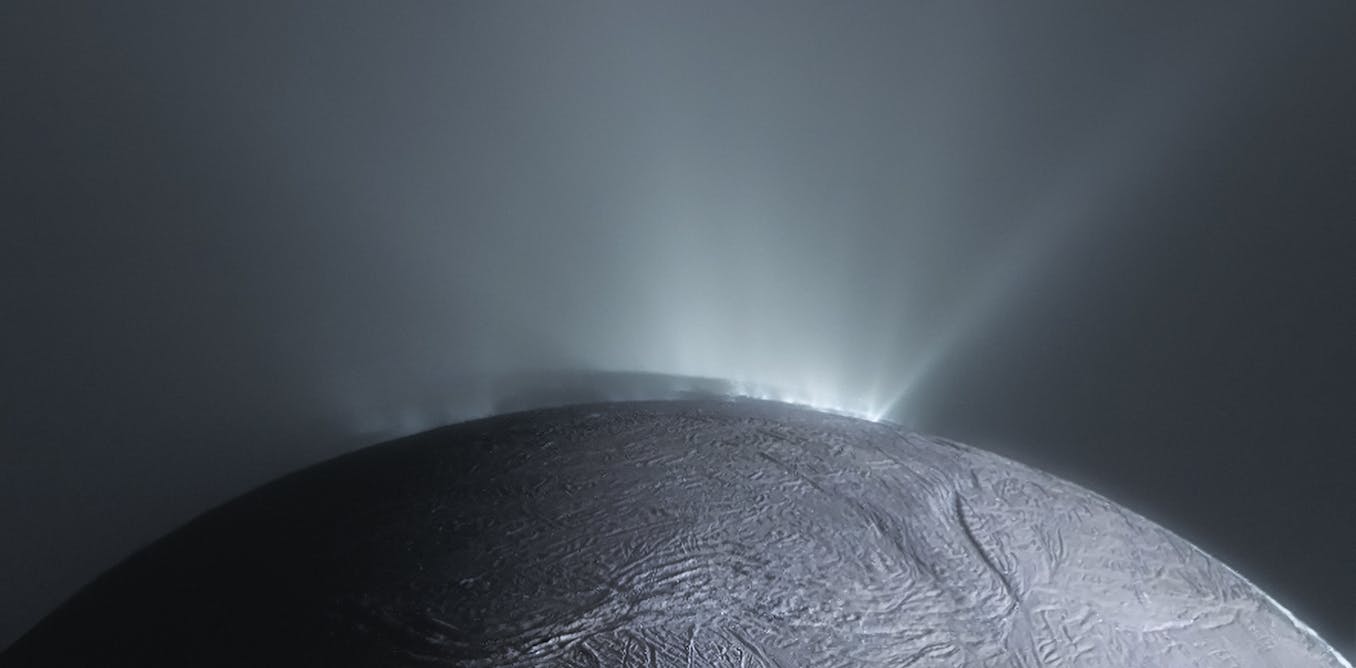
Scientists adapt ecological analysis methods to detect potential life on icy moons like Enceladus and Europa
Scientists are using ecological methods to study icy moons like Saturn's Enceladus and Jupiter's Europa, which likely have subsurface oceans
 theconversation.com·1mo ago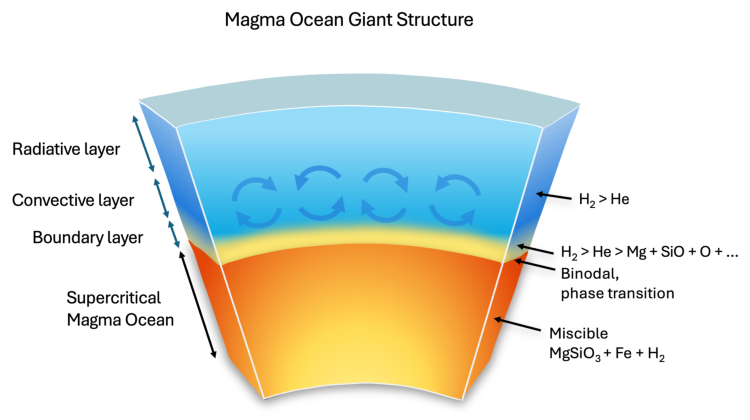
New Research Challenges 'Ice Giant' Classification of Uranus and Neptune
New research challenges the long-held "ice giant" classification of Uranus and Neptune, suggesting their interiors may not be composed of ic
 universetoday.com·6d ago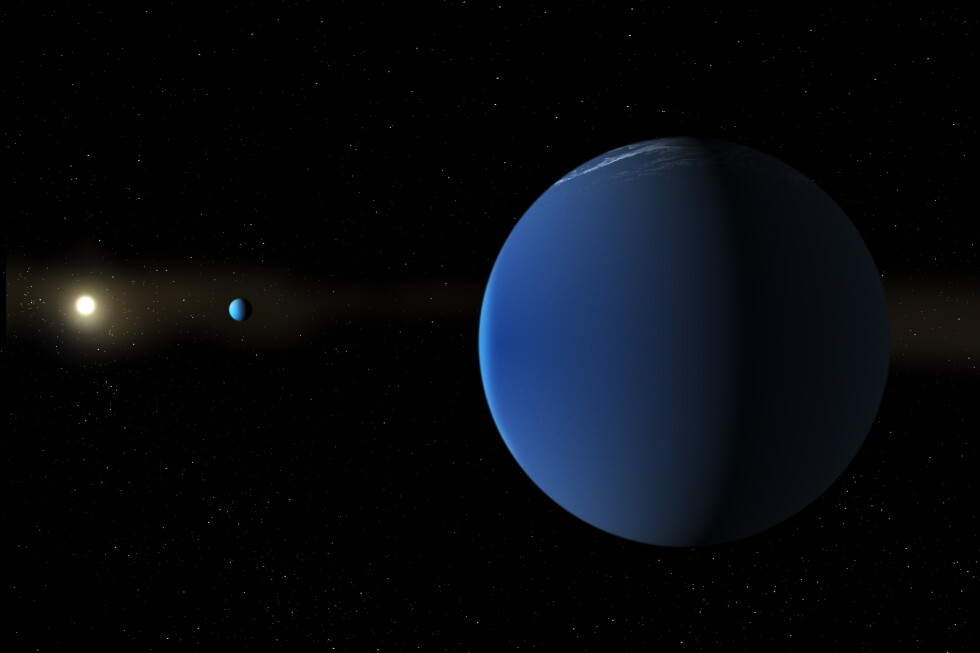
Astronomers discover Jupiter-sized exoplanets with density lower than cotton candy
Astronomers have discovered two giant exoplanets, each the size of Jupiter but with densities lower than cotton candy. These "super-puffs" o
 apnews.com·8d ago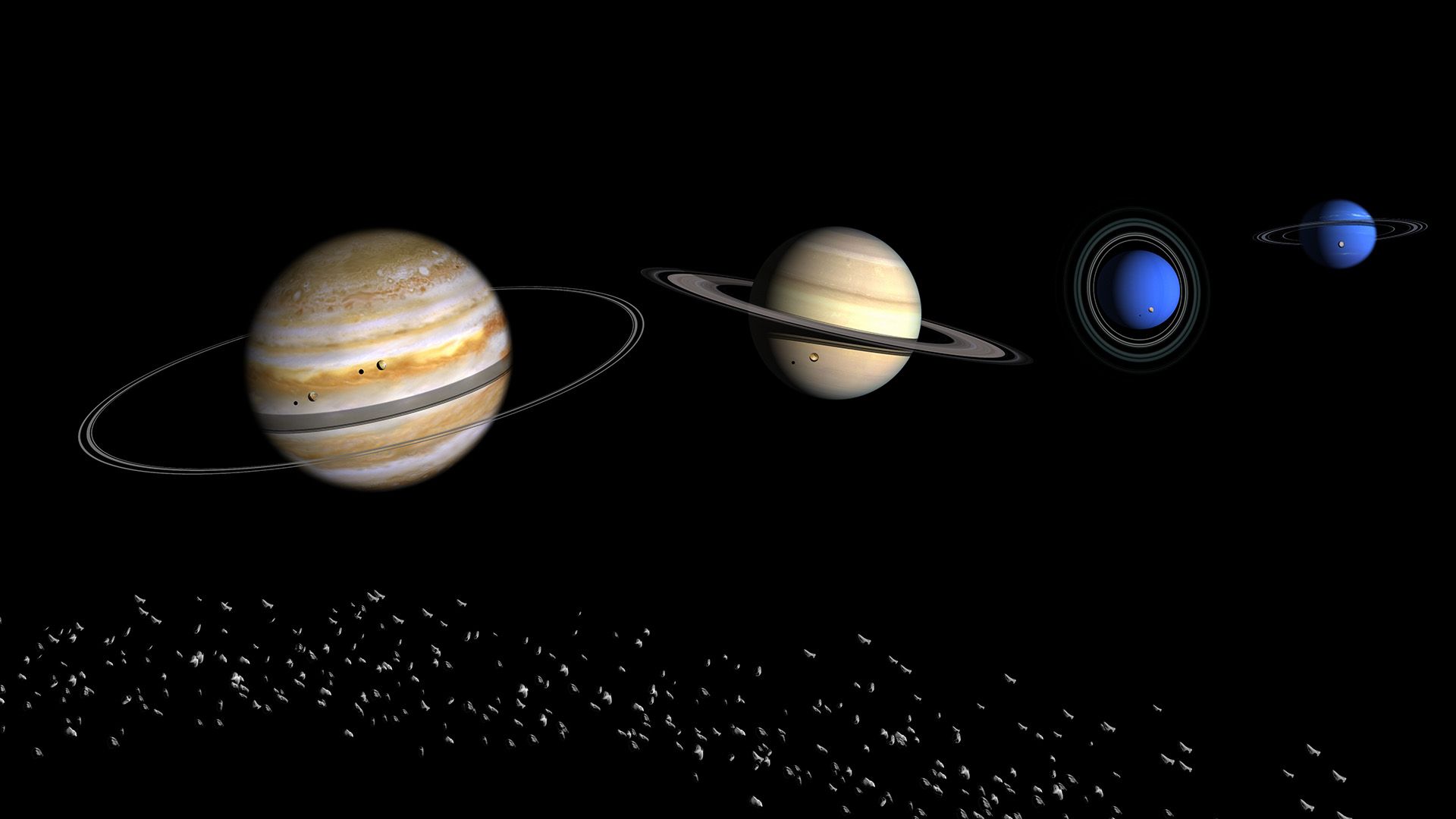
Study suggests two giant 'super Earths' may have existed in early solar system before being ejected
A new study based on over 100 simulations suggests that the early solar system may have contained up to six giant planets, including two ext
 livescience.com·23d ago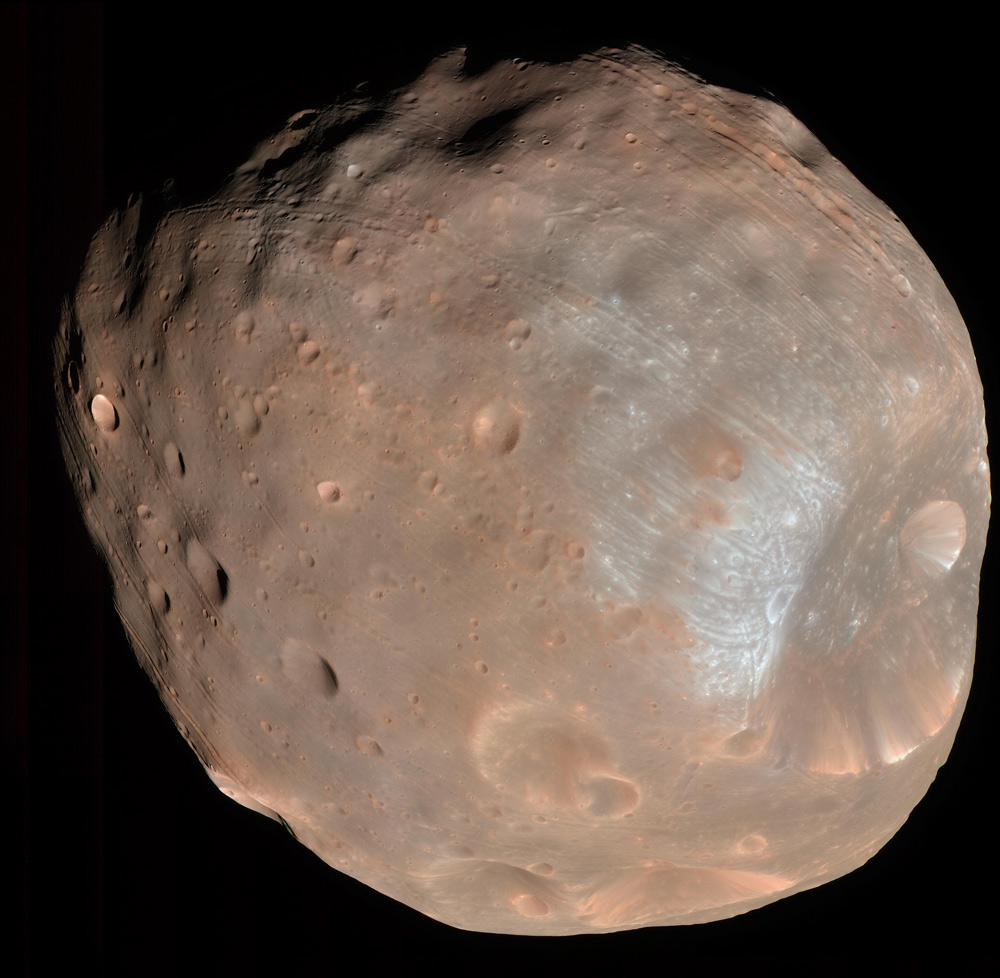
See Venus and Jupiter tonight! Plus: Phobos isn’t hollow. Shocker.
 badastronomy.beehiiv.com·24d ago
Comments
Sign in to join the conversation.
No comments yet. Be the first.