
























Astronomers discover two ultra-low-density 'super-puff' exoplanets orbiting dwarf star TOI-791
By
Robert Lea
Summary
Astronomers have discovered two "super-puff" exoplanets, TOI-791 b and TOI-791 c, orbiting the dwarf star TOI-791. These are the lightest gas giants ever found, with densities lower than cotton candy. The discovery is rare as it features two such ultra-low-density planets in the same system, offering valuable insights into planetary formation and evolution.
Source
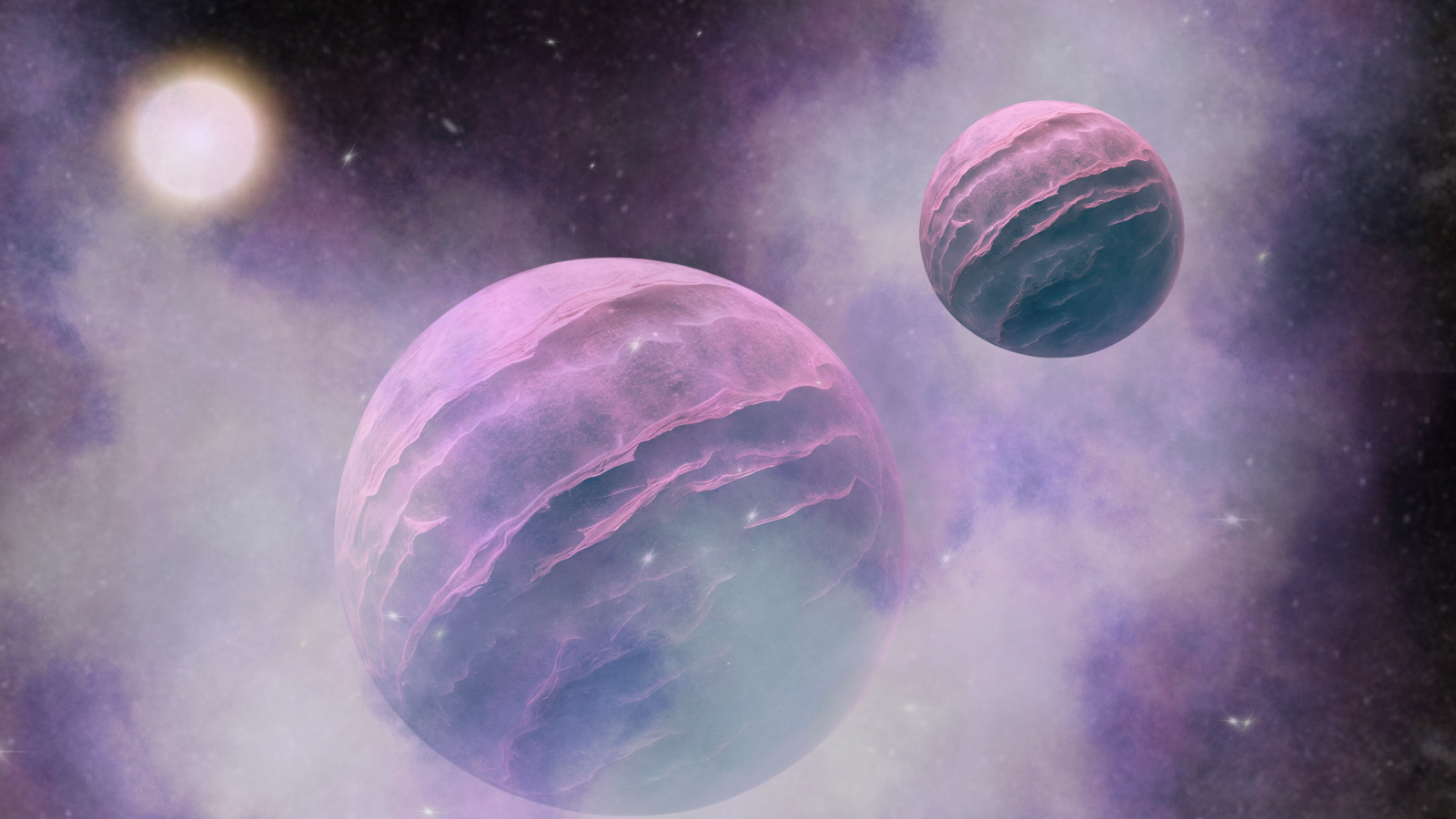
 Twitter / XAstronomers discover two ultra-low-density 'super-puff' exoplanets orbiting dwarf star TOI-791space.com
Key quotes
· 2 pulledOnly a handful of these super-puffy planets are known, and it is even rarer to find two in the same system.
Their extremely low densities make them fascinating targets for understanding how planetary systems form and evolve.
You might also wanna read

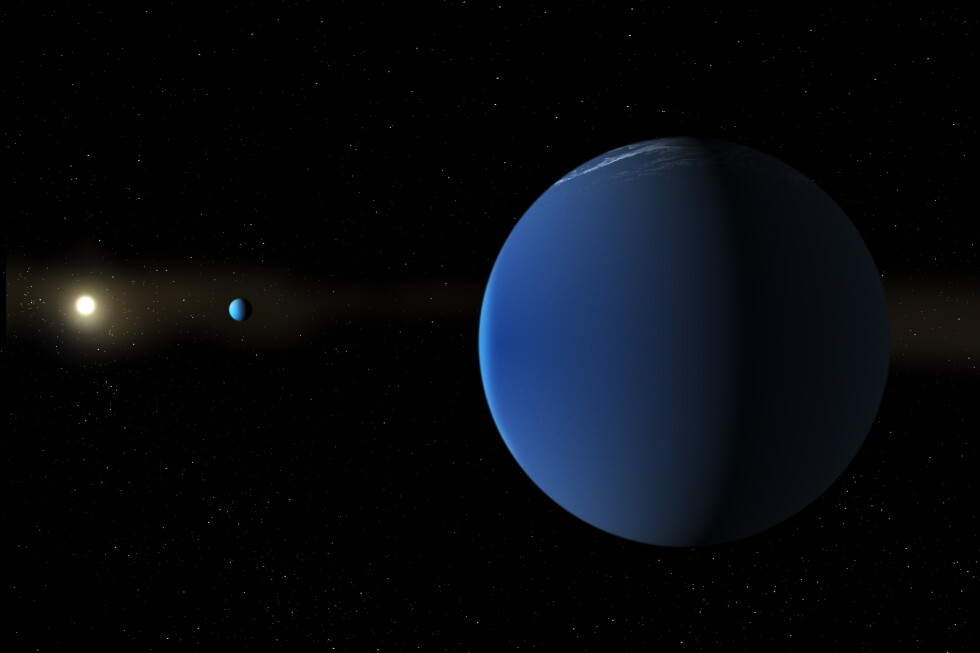
Astronomers discover Jupiter-sized exoplanets with density lower than cotton candy
Astronomers have discovered two giant exoplanets, each the size of Jupiter but with densities lower than cotton candy. These "super-puffs" o
 apnews.com·21h ago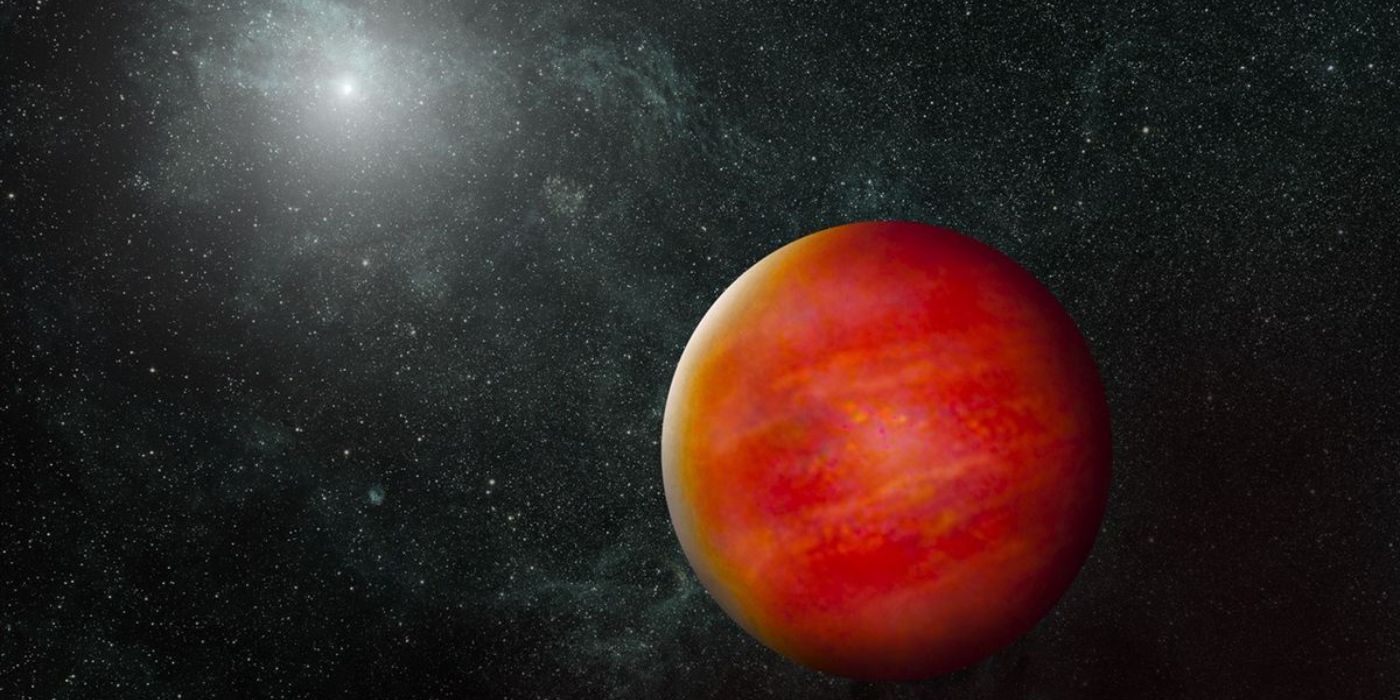
Brown Dwarfs: The Celestial Objects That Are Neither Stars Nor Planets
This article discusses brown dwarfs — celestial objects that blur the line between the lowest-mass stars and the largest gas giant planets.
 seti.org·6d ago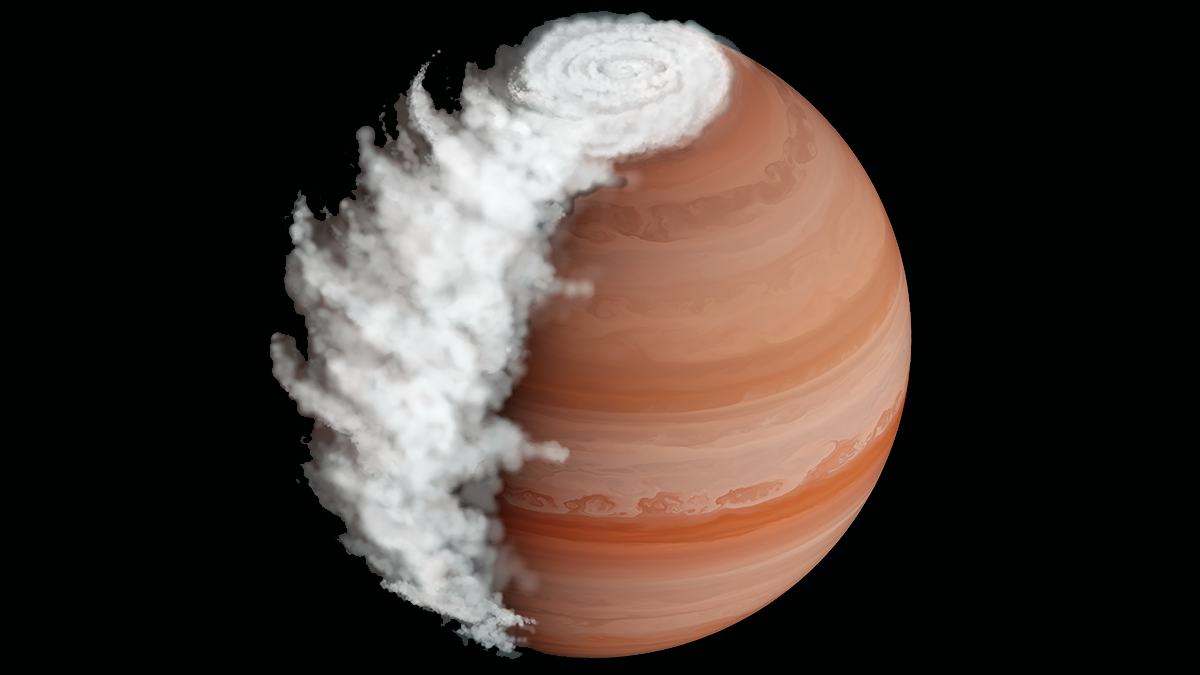
JWST Reveals WASP-39b Has Cloudy Mornings and Clear Evenings, Solving Longstanding Exoplanet Mystery
Astronomers using the James Webb Space Telescope (JWST) have developed a novel observation technique to study the exoplanet WASP-39b, a hot
 eos.org·9d ago
Study finds five Andromeda dwarf galaxies have unexpectedly low dark matter densities, challenging cosmological models
This scientific paper analyzes the central dark matter densities of seven Andromeda (M31) dwarf spheroidal galaxies using dynamical Jeans mo
 arxiv.org·23d ago
NASA Discovers Exoplanet HD 101581 b With Conditions That Could Support Rocks
NASA researchers announced the discovery of exoplanet HD 101581 b, which has conditions that could potentially support rocks. The planet's w
 The Onion·5mo ago
Candidate Giant Planet Detected in Habitable Zone of α Cen A via JWST Observations
The article reports on coronagraphic observations of the star α Cen A using the James Webb Space Telescope's MIRI instrument. A candidate gi
arxiv.org·10mo ago
Comments
Sign in to join the conversation.
No comments yet. Be the first.