
























Two Planets Lighter Than Cotton Candy
2d ago· 1 min readNews
Source
Twitter / XTwo Planets Lighter Than Cotton Candylottery.meetTwo Planets Lighter Than Cotton Candy We usually picture planets as rugged, heavyweight worlds—rocky behemoths or gas giants you’d never want to drop on your foot. But nature has a sense of humor. Astronomers have found two Jupiter-sized planets so absurdly lightweight that they make cotton candy look dense. These cosmic marshmallows are the ultimate “super-puffs,” and discovering even one is rare. Finding a matched pair orbiting the same star? That’s basically winning the planetary TOI-791 b and TOI-791 c. Their host star, a Sun-like sun about 1,110 light-years away in the southern constellation Volans (the Flying Fish), quietly hosts this bizarre duo.Their densities are mind-blowing: Jupiter clocks in at 1.33 grams per cubic centimeter. These two? Just 0.04 g/cm³—more than thirty times lighter. If you could somehow scoop up a chunk, it would feel like grabbing a fistful of extremely fluffy clouds. They’re not so much planets as giant, planet-shaped atmospheres.Born together from the same swirling disk of gas and dust, the siblings now move in a graceful gravitational dance. For every five laps the inner planet makes around the star, the outer one completes almost exactly three. This 5:3 resonance means they constantly tug at each other with gentle gravitational nudges. The result? Their transits across the star’s face fall out of perfect schedule—sometimes early, sometimes late—like two siblings who can’t resist poking each other.Those tiny timing variations were the key. By carefully tracking how the planets “misbehaved,” astronomers calculated their masses. The lighter they turned out to be, the more they revealed themselves.Exactly how such fluffy worlds form is still a delicious mystery. The leading idea is that they started with tiny rocky cores in the cold, distant parts of the young planetary system, then ballooned outward by grabbing enormous envelopes of hydrogen and helium before they could be stripped away. Soon, the James Webb Space Telescope will get a front-row seat. By peering into the atmospheres of both planets, scientists hope to decode their chemical secrets and test whether these super-puffs really are what they appear to be: bloated relics from the earliest days of their star a universe full of extremes, TOI-791 b and c remind us that planets can still surprise us—sometimes by being almost nothing at all.
You might also wanna read

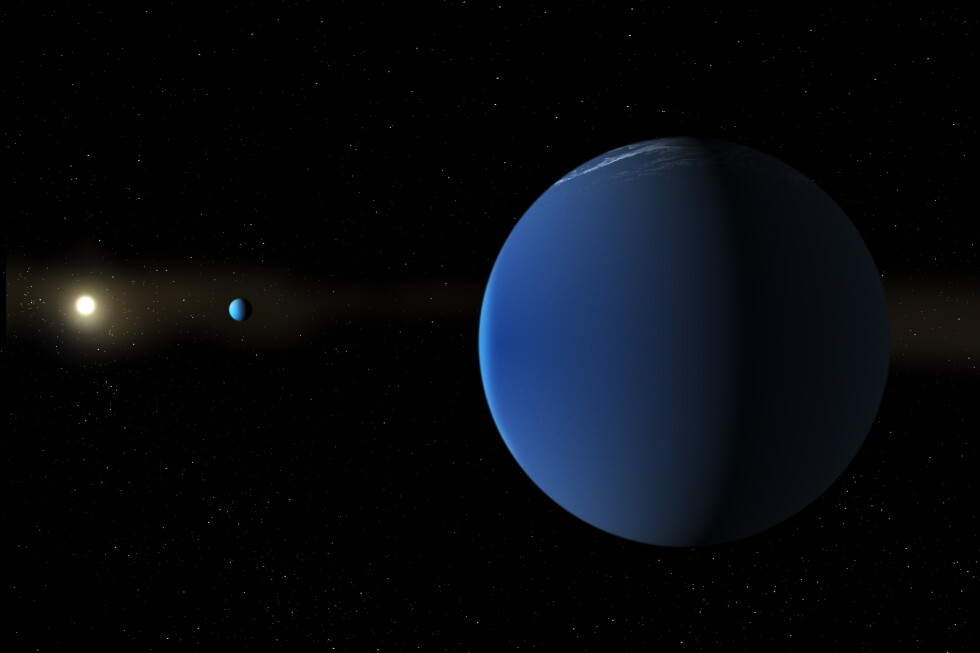
Astronomers discover Jupiter-sized exoplanets with density lower than cotton candy
Astronomers have discovered two giant exoplanets, each the size of Jupiter but with densities lower than cotton candy. These "super-puffs" o
 apnews.com·9d ago
Cosmic-ray bath in a past supernova gives birth to Earth-like planets
science.org·6mo ago
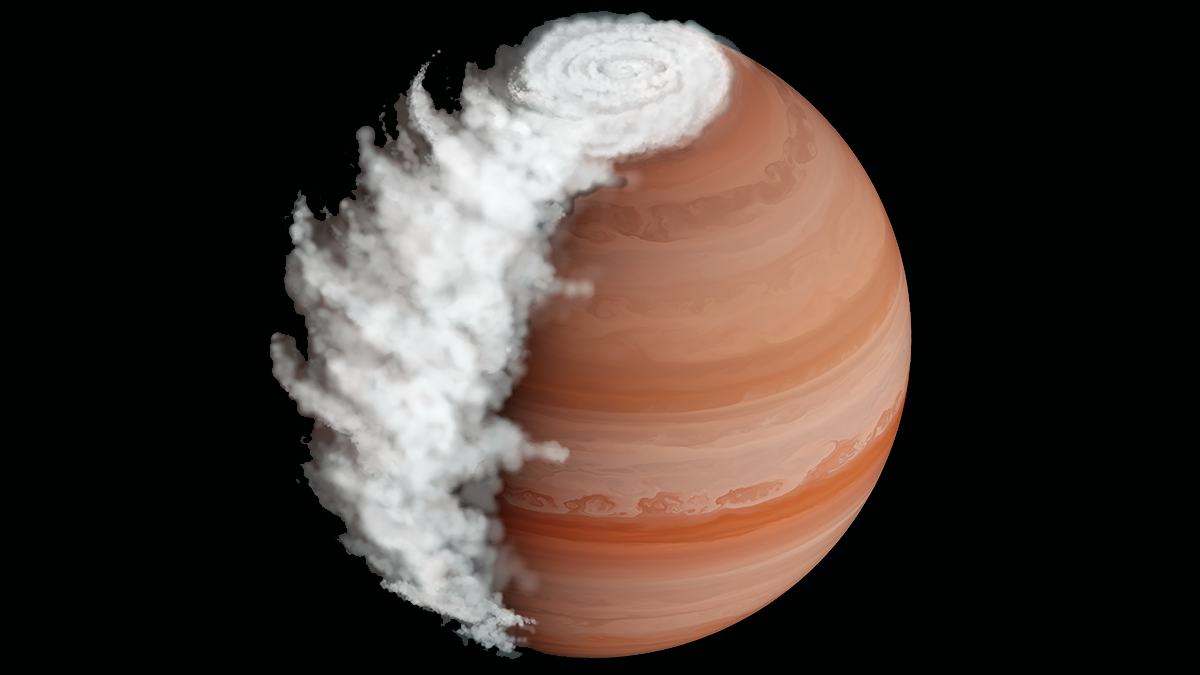
JWST Reveals WASP-39b Has Cloudy Mornings and Clear Evenings, Solving Longstanding Exoplanet Mystery
Astronomers using the James Webb Space Telescope (JWST) have developed a novel observation technique to study the exoplanet WASP-39b, a hot
 eos.org·17d ago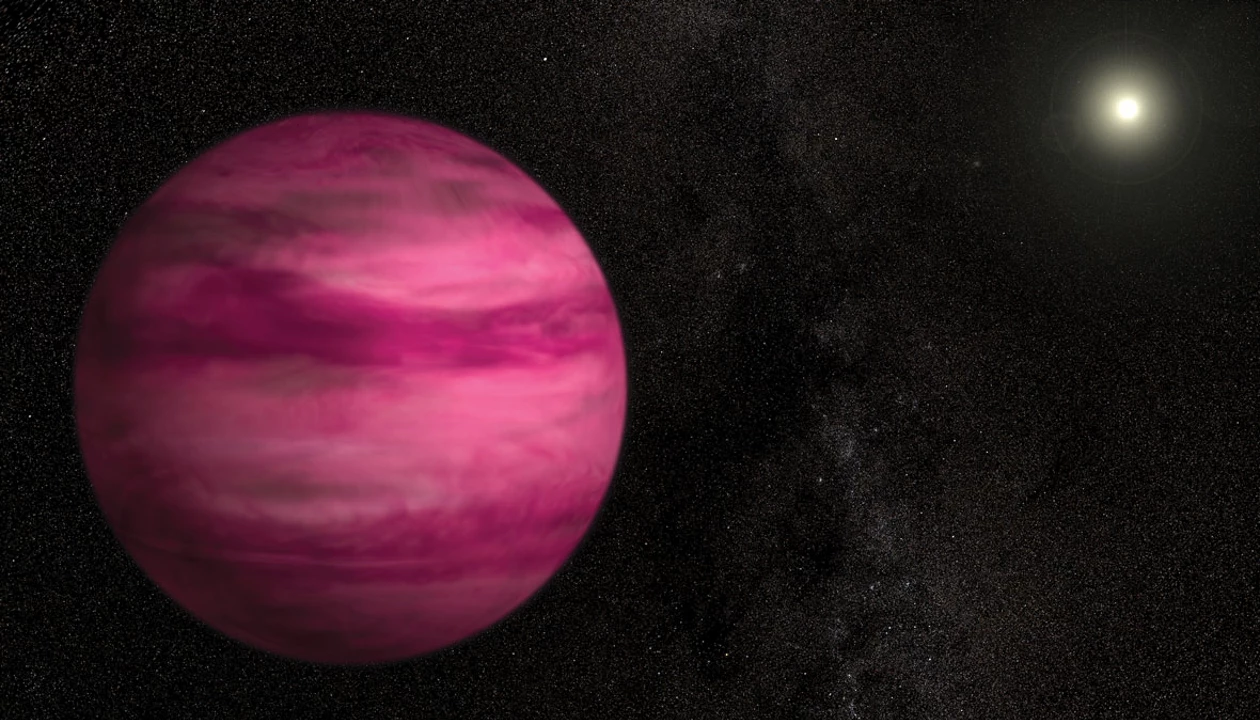
Astronomers analyze the atmospheric composition of exoplanet GJ 504 b, the Pink Planet
Researchers have analyzed the atmosphere of GJ 504 b, known as the Pink Planet, over a decade after its discovery. They found evidence of sa
 cen.acs.org·7d ago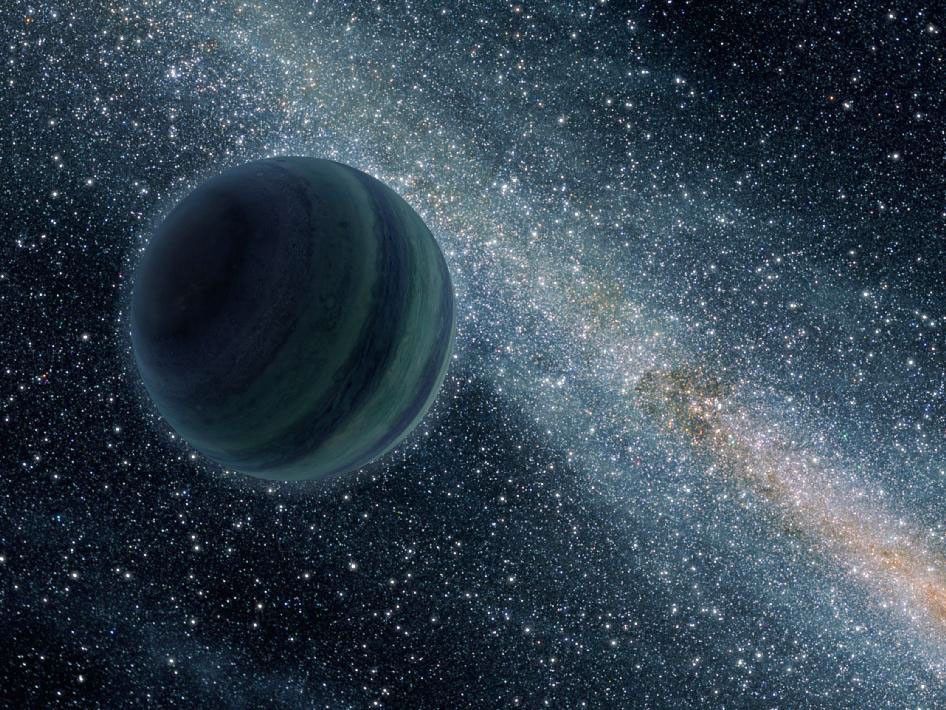
Free-Floating Neptunes May Not Be So Alone: Study Reveals Complex Planetary Family Histories
Gravitational microlensing surveys have revealed an unexpectedly high number of Neptune-sized exoplanets that appear to be free-floating, wi
 aasnova.org·7d ago
See Venus and Jupiter tonight! Plus: Phobos isn’t hollow. Shocker.
 badastronomy.beehiiv.com·24d ago
Comments
Sign in to join the conversation.
No comments yet. Be the first.