
























The Football-Shaped Inferno: Hubble Reveals a Planet Literally Evaporating into SpaceMeet WASP-121b — one of the most extreme and bizarre worlds ever found.Located roughly 900 light-years from Earth
Source
Twitter / XThe Football-Shaped Inferno: Hubble Reveals a Planet Literally Evaporating into SpaceMeet WASP-121b — one of the most extreme and bizarre worlds ever found.Located roughly 900 light-years from Earthfire.asYou might also wanna read

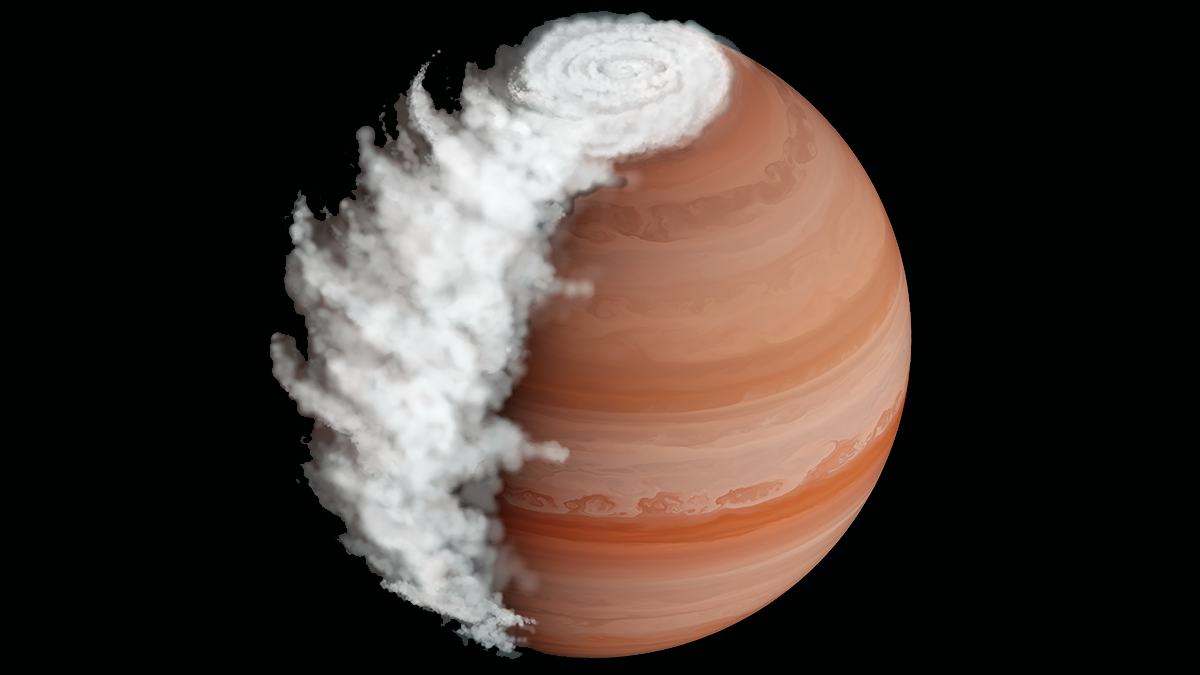
JWST Reveals WASP-39b Has Cloudy Mornings and Clear Evenings, Solving Longstanding Exoplanet Mystery
Astronomers using the James Webb Space Telescope (JWST) have developed a novel observation technique to study the exoplanet WASP-39b, a hot
 eos.org·8d ago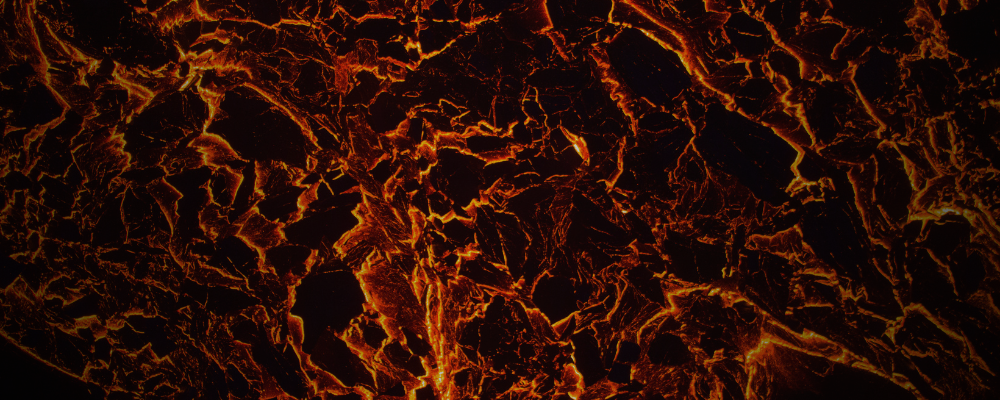
Exploring K2-141 b: The Extreme Lava World Exoplanet with 2,000°C Surface Temperatures
SETI Institute host Dr. Moiya McTier interviews ETH Zurich geoscientist Dr. Claire Marie Guimond about K2-141 b, an extreme exoplanet locate
 seti.org·16d ago
Exploring K2-141 b: The Extreme Lava World Exoplanet with 2,000°C Surface Temperatures
SETI Institute host Dr. Moiya McTier interviews ETH Zurich geoscientist Dr. Claire Marie Guimond about K2-141 b, an extreme exoplanet locate
seti.org·16d ago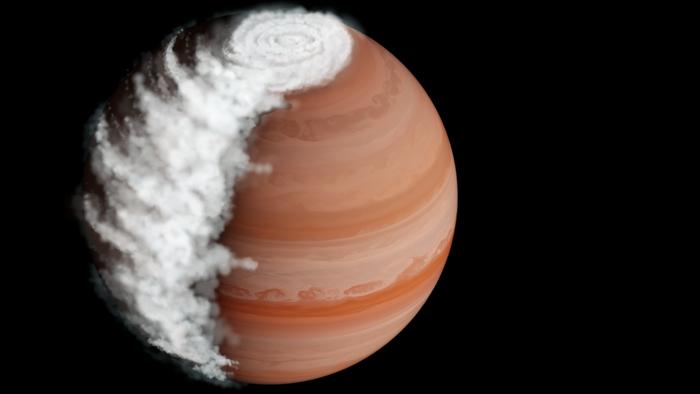
JWST reveals asymmetric cloud cycle on hot Jupiter exoplanet WASP-94A b
New observations from the James Webb Space Telescope (JWST) of the hot Jupiter exoplanet WASP-94A b reveal an asymmetric weather pattern tha
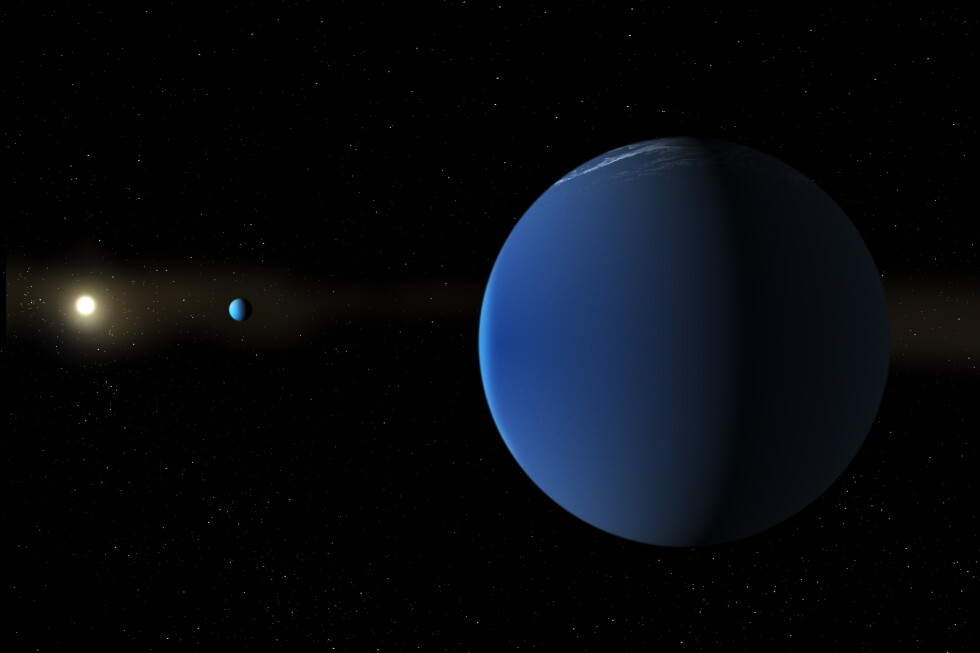
Astronomers discover Jupiter-sized exoplanets with density lower than cotton candy
Astronomers have discovered two giant exoplanets, each the size of Jupiter but with densities lower than cotton candy. These "super-puffs" o
 apnews.com·2h ago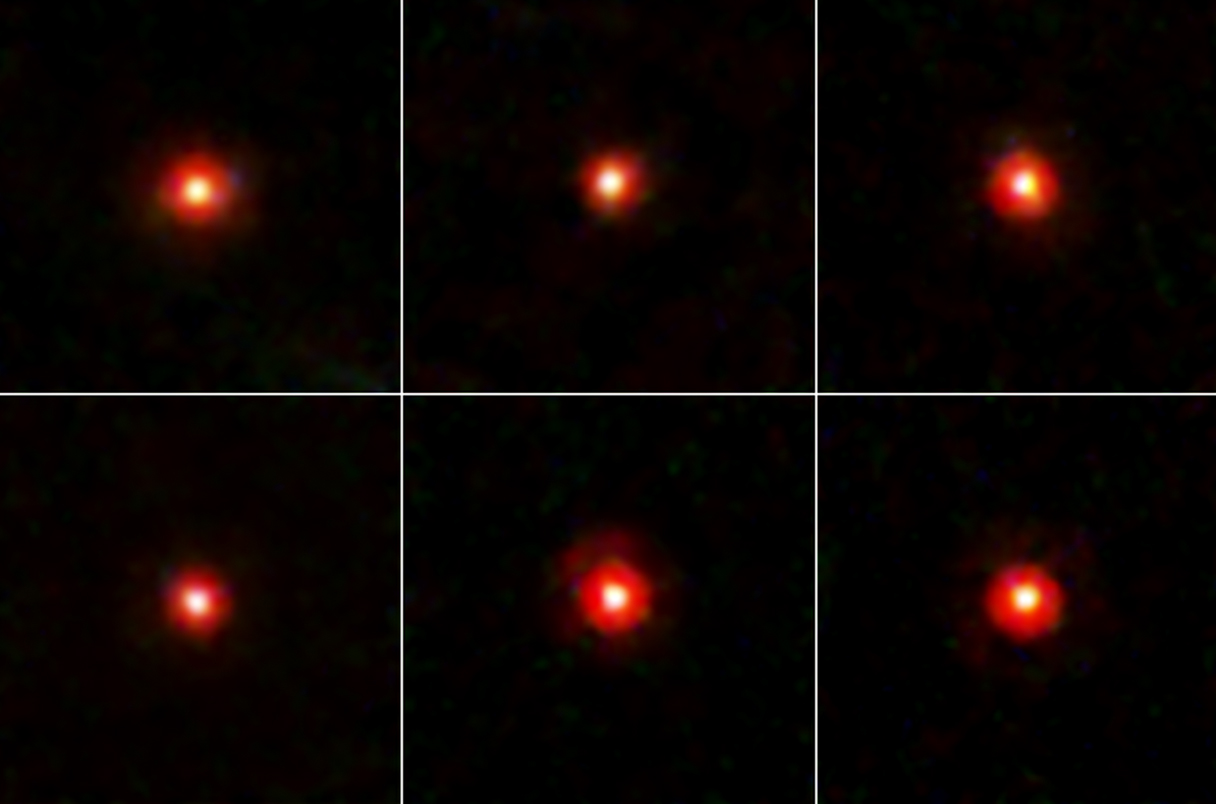
JWST Discovers Mysterious 'Little Red Dots' in Early Universe, Possibly New Celestial Objects
NASA's JWST telescope has discovered hundreds of 'little red dots' in the early universe, which may represent a new type of celestial object
 science.org·10mo ago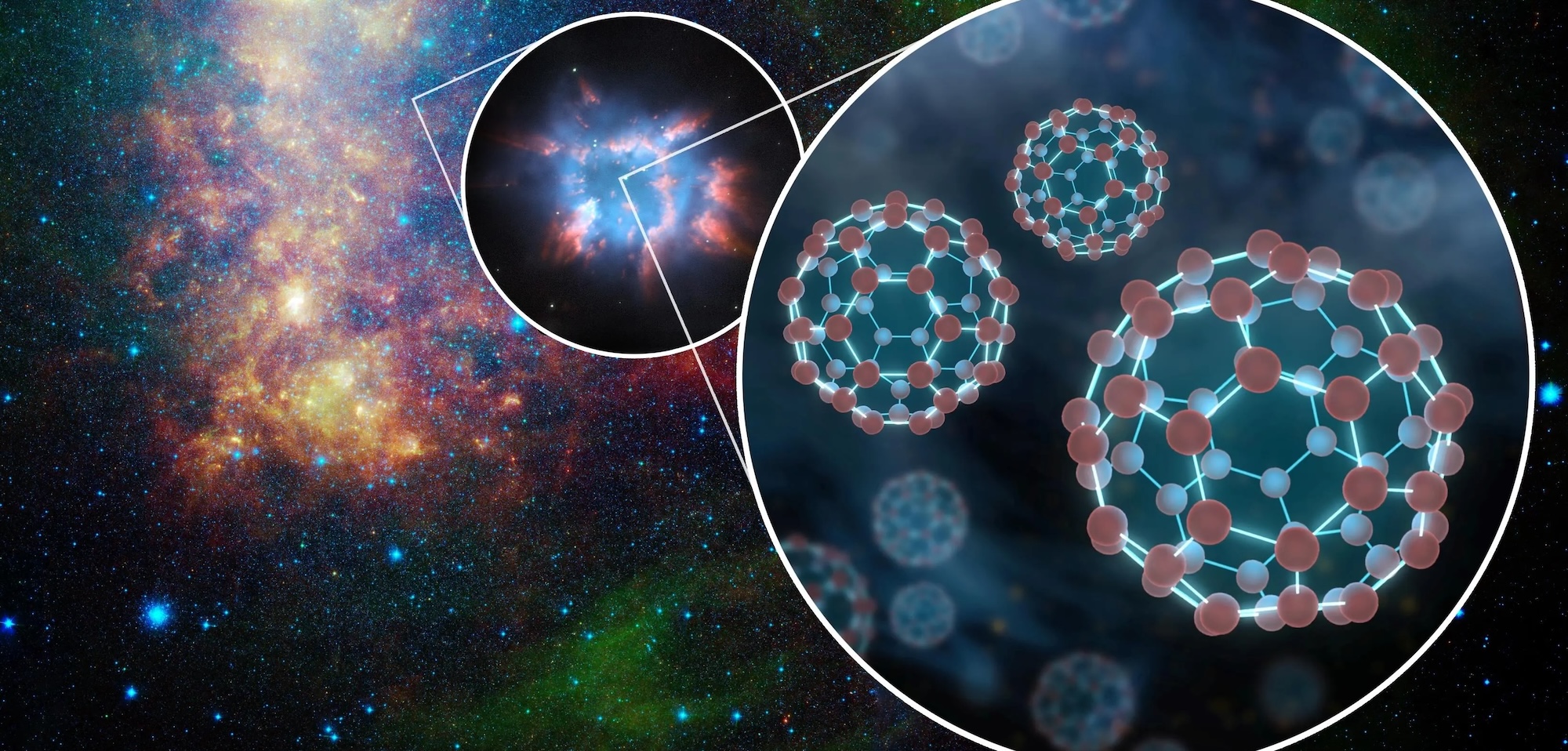
JWST Detects New Spectral Signatures of Buckyballs in Planetary Nebula Tc 1
Researchers using the James Webb Space Telescope (JWST) to study the planetary nebula Tc 1 have discovered new spectral features from fuller
 aasnova.org·18h ago
Comments
Sign in to join the conversation.
No comments yet. Be the first.