
























Taphonomic study suggests Komodo dragons, not Homo floresiensis, had primary access to large prey at Liang Bua
By
Matthew W. Tocheri
Summary
A systematic taphonomic study of the proboscidean bone assemblage at Liang Bua (Flores, Indonesia) challenges the notion that Homo floresiensis engaged in advanced behaviors like hunting large game and using fire. The analysis of predatory marks, their frequency and locations, along with skeletal part profiles, indicates that Komodo dragons had primary access to these remains, leaving only low-utility elements for H. floresiensis to scavenge. This suggests the species' behavioral and technological capabilities were more limited than previously assumed.
Source

 Hacker NewsTaphonomic study suggests Komodo dragons, not Homo floresiensis, had primary access to large prey at Liang Buascience.org
Key quotes
· 3 pulledKomodo dragons likely had primary access to these remains leaving behind only low-utility elements for H. floresiensis to scavenge.
Homo floresiensis—an extinct, short-statured, and small-brained hominin species from Flores, Indonesia—has often been ascribed unexpectedly advanced behaviors, such as hunting large game and using fire.
The frequency and locations of predatory marks, along with skeletal part profiles, show that Komodo dragons likely had primary access to these remains.
You might also wanna read

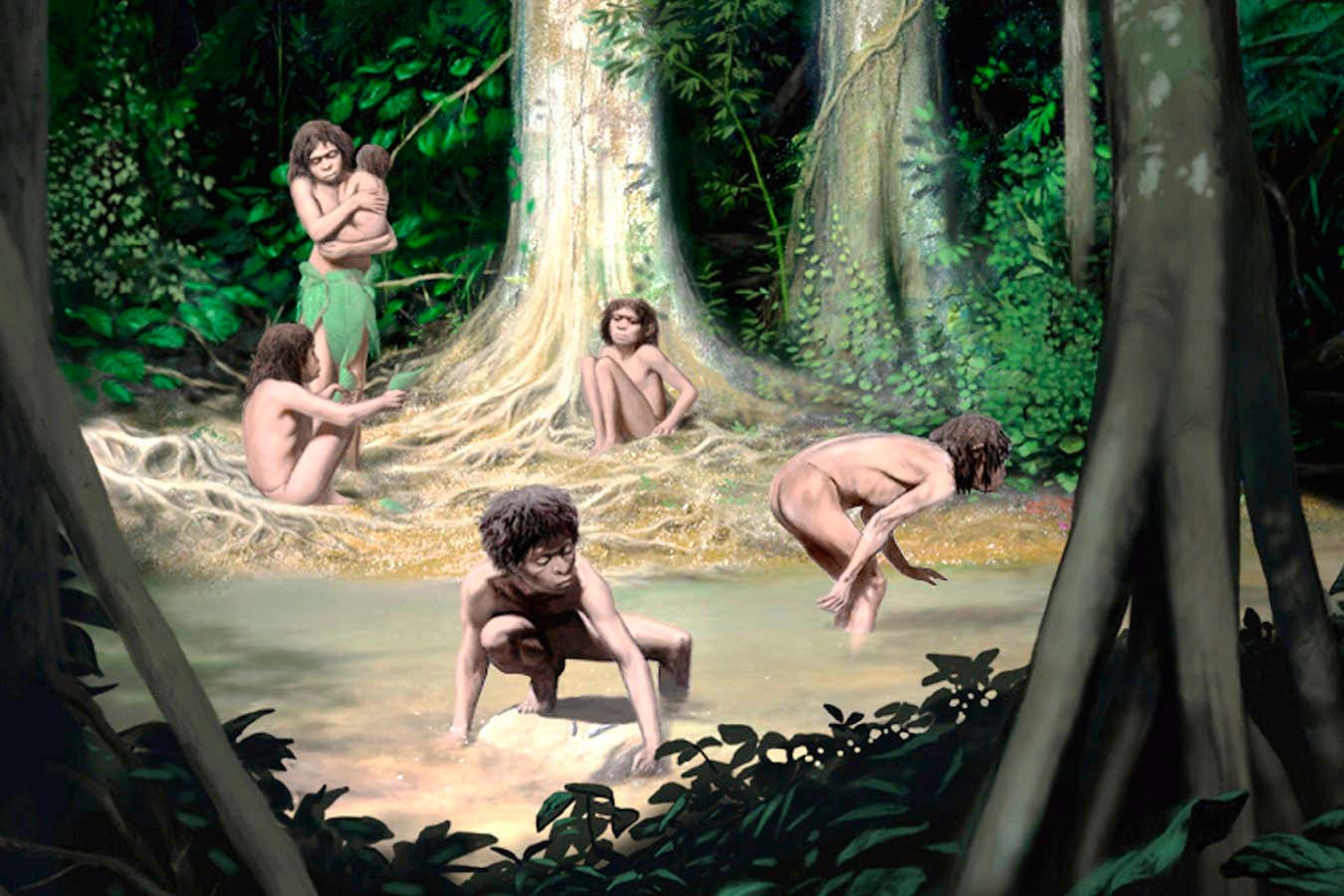
Study suggests Homo floresiensis scavenged meat left by Komodo dragons rather than hunting big game
A study of animal bones found in caves on Flores, Indonesia, suggests that Homo floresiensis (the 'hobbit' hominins) had limited hunting ski
 newscientist.com·1d ago
Hobbit-like Humans May Have Scavenged Komodo Dragons' Leftovers to Survive

Fossil evidence reveals vertebrate predation on Mississippian blastoid Pentremites spicatus
This scientific paper presents evidence of vertebrate predation on the Mississippian blastoid Pentremites spicatus, a type of extinct echino
 scup.com·13d ago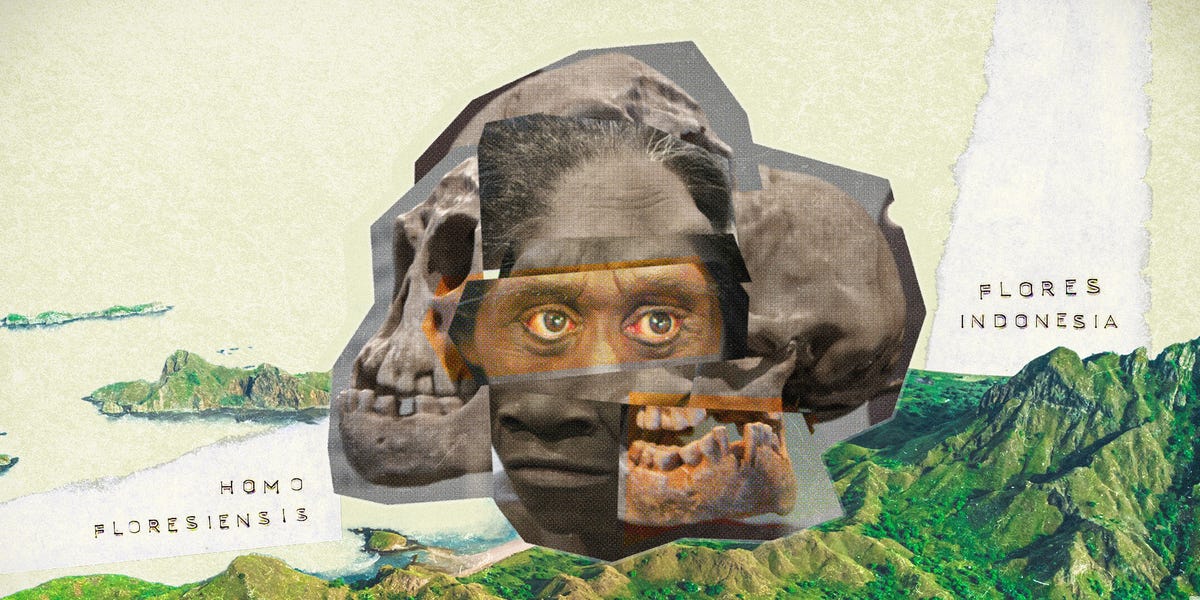
Anthropologist Suggests Homo floresiensis May Have Survived Until Modern Times on Flores Island
Anthropologist Gregory Forth explores the possibility that Homo floresiensis (the "hobbit" hominid discovered on Flores Island, Indonesia) m
 popularmechanics.com·2d ago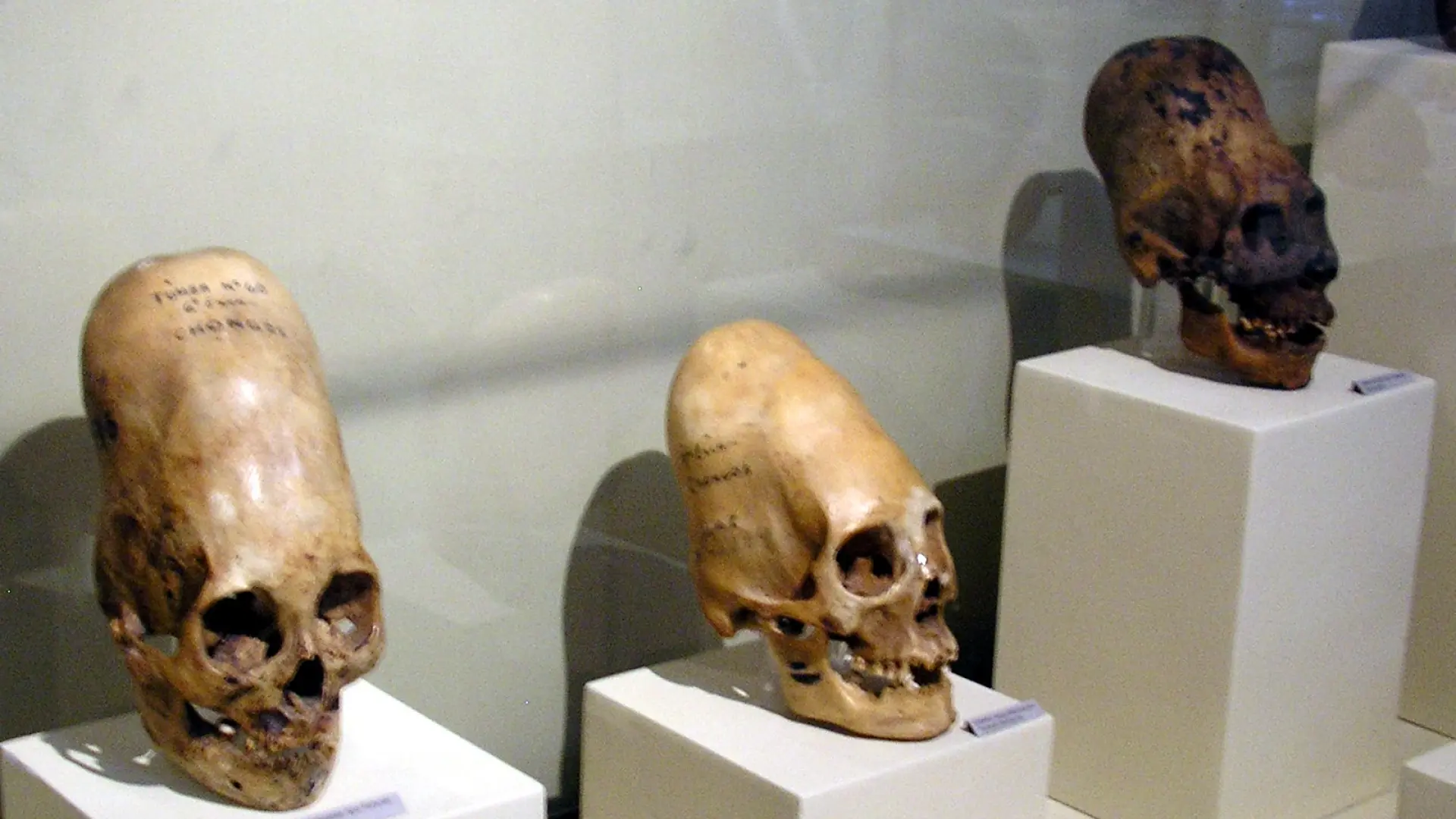
Cráneos de Paracas en Perú: el debate científico entre la deformación cultural y las teorías extraterrestres
Un artículo que analiza los cráneos alargados descubiertos en Paracas, Perú, por el arqueólogo Julio C. Tello en 1928. Se discuten las teorí
 20minutos.es·1mo ago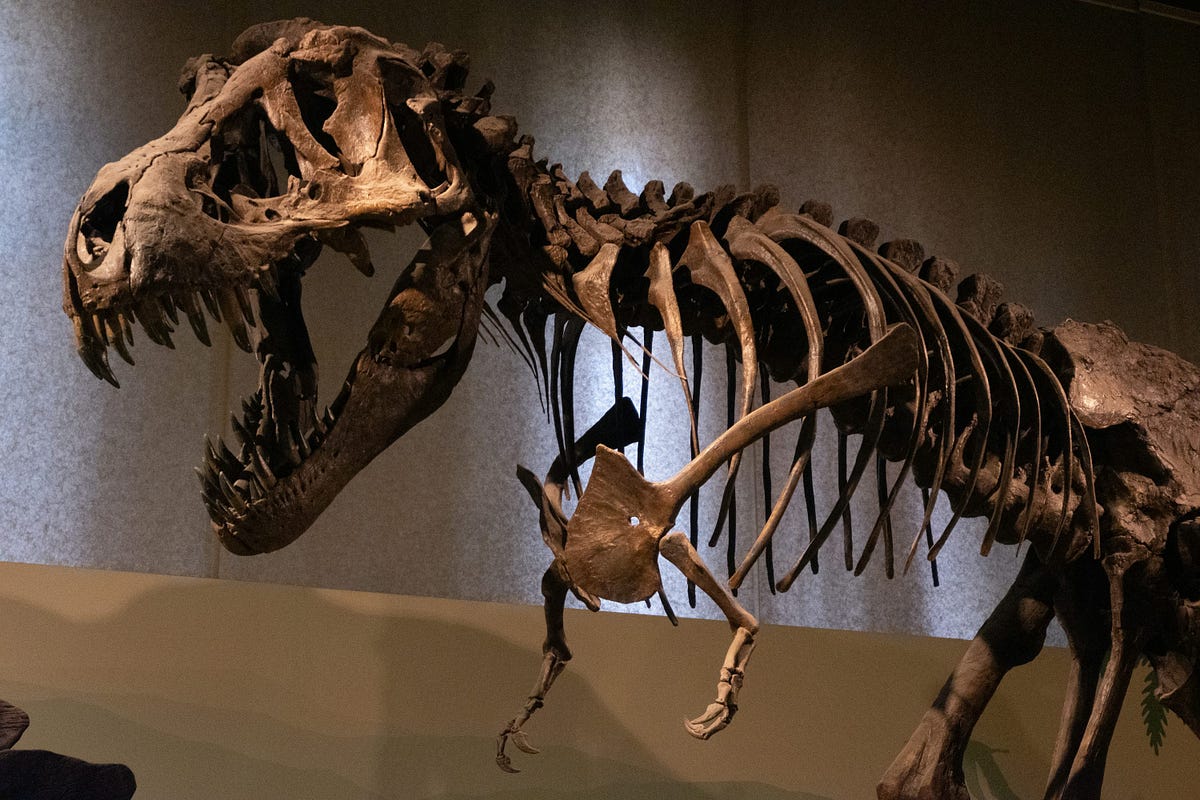
Study investigates why carnivorous dinosaurs repeatedly evolved tiny forelimbs
A recent paleontological study by Dr. Charlie Roger Scherer and colleagues investigates why many carnivorous theropod dinosaurs evolved such
 medium.com·1mo ago
Study investigates why carnivorous dinosaurs repeatedly evolved tiny forelimbs
A recent paleontological study by Dr. Charlie Roger Scherer and colleagues investigates why many carnivorous theropod dinosaurs evolved such
medium.com·1mo ago
Comments
Sign in to join the conversation.
No comments yet. Be the first.