
























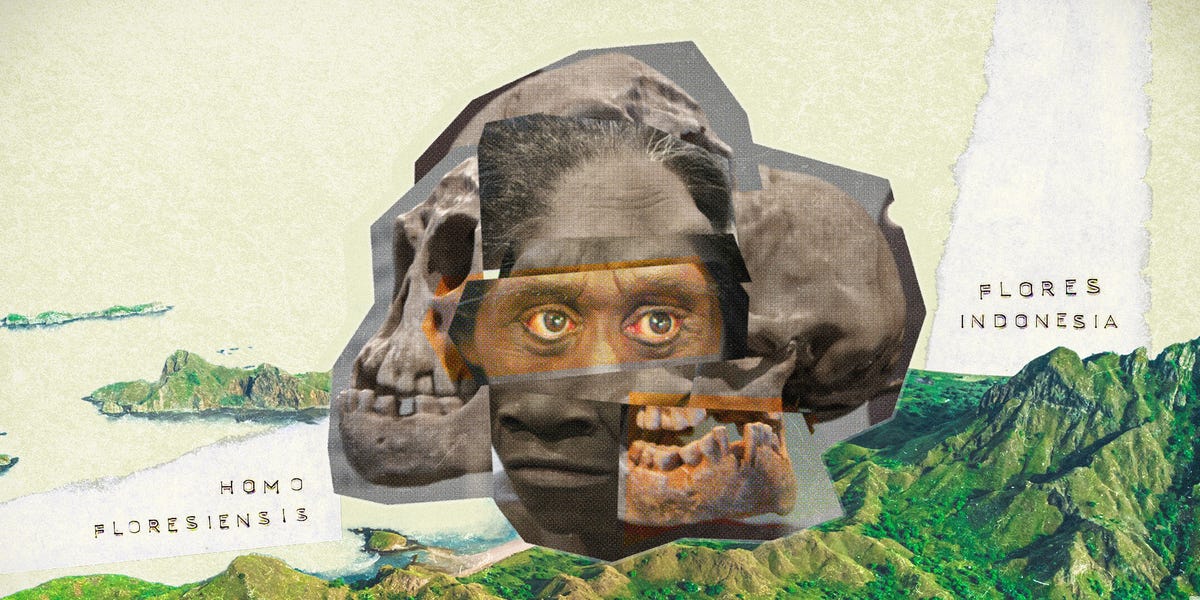
Anthropologist Suggests Homo floresiensis May Have Survived Until Modern Times on Flores Island
By
Manasee Wagh
Summary
Anthropologist Gregory Forth explores the possibility that Homo floresiensis (the "hobbit" hominid discovered on Flores Island, Indonesia) may not be extinct. Based on local eyewitness accounts of small, hairy, ape-like humanoids in the remote mountains of Flores, Forth suggests that this early human relative could have survived for tens of thousands of years beyond what scientists believe. His 2022 book, "Between Ape and Human," documents these encounters and challenges mainstream paleoanthropological timelines.
Source
 Twitter / XAnthropologist Suggests Homo floresiensis May Have Survived Until Modern Times on Flores Islandpopularmechanics.com
Key quotes
· 3 pulledThey told him that they sometimes caught glimpses of a small humanoid animal, a kind of 'ape-man,' short in stature and hairy.
Forth believes it's possible that an early type of human—whose bones paleoanthropologists discovered in a mountain cave on Flores—could have survived the past 50,000 years in the isolated region.
Three-foot-tall 'ape-men' defied survival expectations. One researcher isn't convinced they're entirely gone.
You might also wanna read


Million-Year-Old Skull Discovery May Rewrite Timeline of Modern Human Origins
A million-year-old human skull discovered in China, previously classified as Homo erectus, has been reanalyzed using sophisticated reconstru
 theguardian.com·8mo ago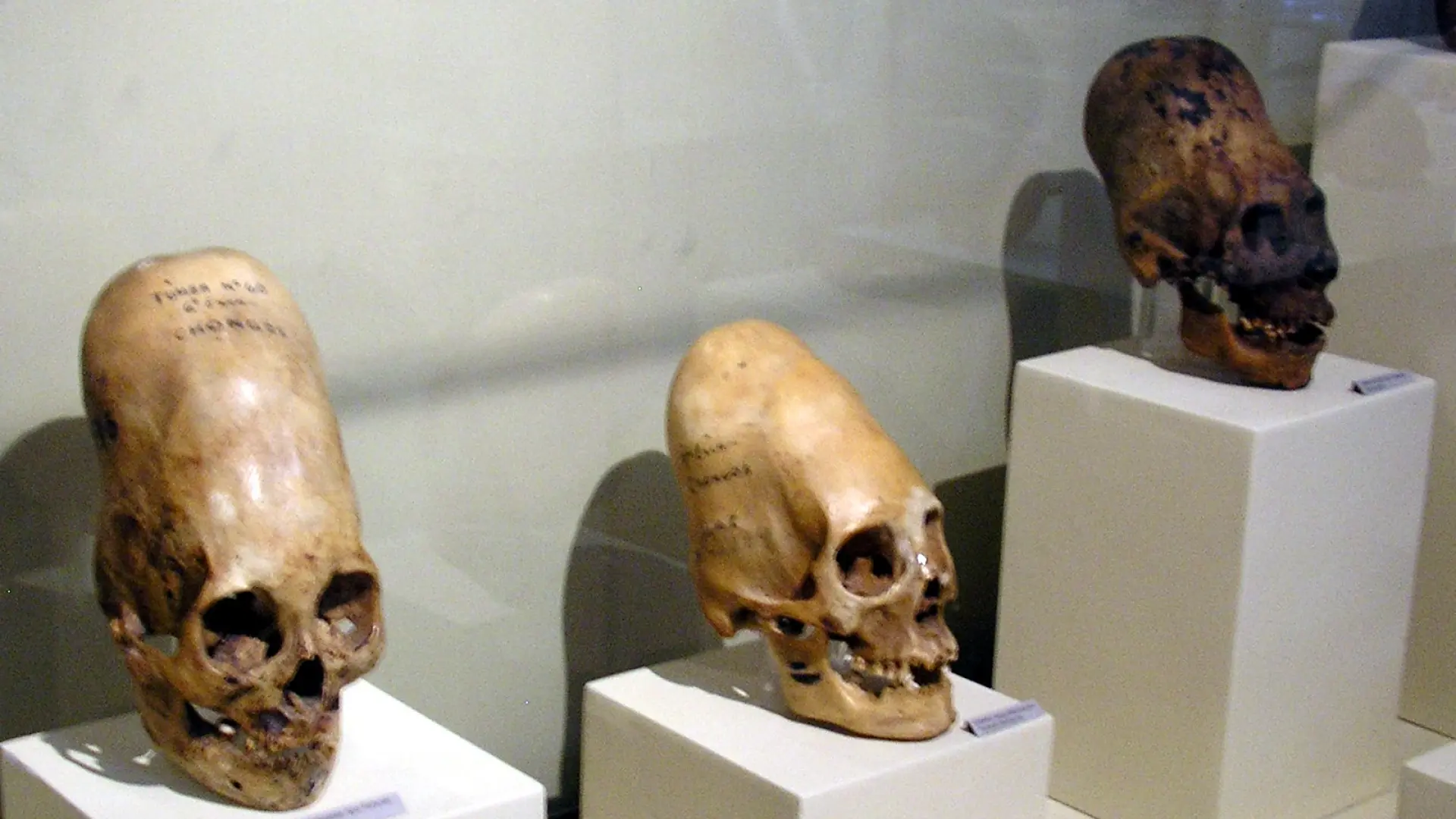
Cráneos de Paracas en Perú: el debate científico entre la deformación cultural y las teorías extraterrestres
Un artículo que analiza los cráneos alargados descubiertos en Paracas, Perú, por el arqueólogo Julio C. Tello en 1928. Se discuten las teorí
 20minutos.es·1mo ago
Long-read sequencing reveals archaic structural variants in Papua New Guinean genomes
This study by Hsieh et al. uses long-read sequencing to analyze archaic introgression (Neanderthal and Denisovan DNA) in two Papua New Guine
 science.org·22d ago
Proteins from 400,000-year-old Homo erectus teeth reveal genetic links to Denisovans and modern humans
A new study published in Nature reveals that researchers have successfully extracted and analyzed proteins from the enamel of six Homo erect
 doi.org·15d ago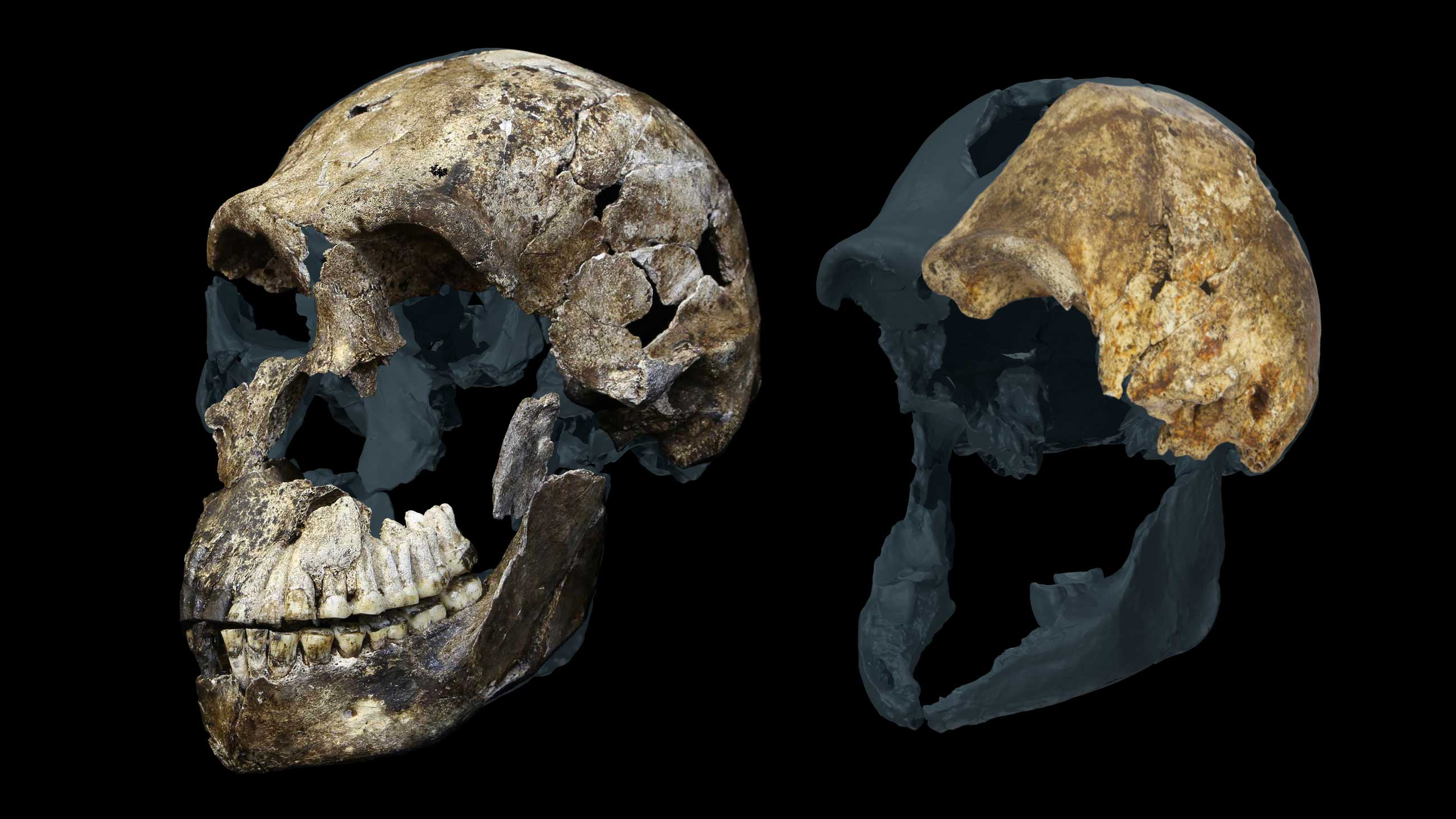
Genetic analysis of Homo naledi skeletons reveals all known specimens are female, puzzling researchers
Archaeologists have conducted the first genetic analysis of Homo naledi, a 300,000-year-old hominin species discovered in South Africa's Ris
 livescience.com·9d ago
Comments
Sign in to join the conversation.
No comments yet. Be the first.