

























Fossil evidence reveals vertebrate predation on Mississippian blastoid Pentremites spicatus
Summary
This scientific paper presents evidence of vertebrate predation on the Mississippian blastoid Pentremites spicatus, a type of extinct echinoderm. The study analyzes trace fossils showing predation and recovery patterns, describing how these blastoids were preyed upon by vertebrates (likely fish) during the Mississippian period. The research provides insights into ancient trophic interactions and predator-prey dynamics in the fossil record, using partially healed injuries and modified prey remains to identify both predator and prey taxa.
Source

 bskyFossil evidence reveals vertebrate predation on Mississippian blastoid Pentremites spicatusscup.com
Key quotes
· 3 pulledPredation acts as a major evolutionary selective pressure, but this process must often be approached indirectly in the fossil record.
Predation and consumption are often destructive processes for the targeted prey, and trace fossils preserving examples of these trophic interactions often are found on modified, discarded, unconsumed portions of prey or partially healed injuries on survivors of failed predation attempts.
Positive identification of both predator and prey taxa can be challenging in these cases, but when possible, these rare traces can provide insights into the palaeobiology
You might also wanna read

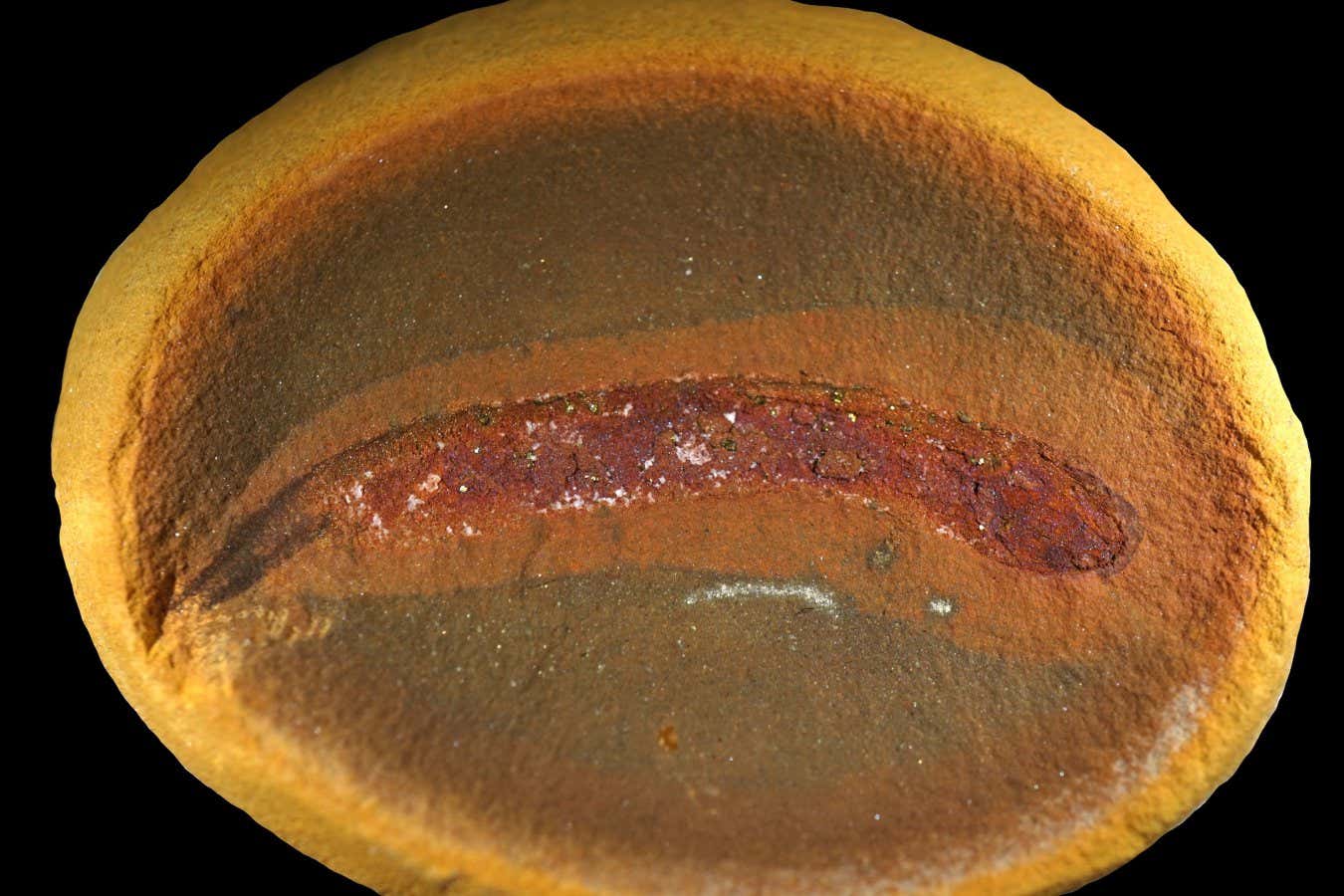
300-million-year-old fossils challenge theory that early land animals had amphibian-like life cycles
A set of exquisitely preserved 300-million-year-old fossils suggests that early four-limbed vertebrates (tetrapods) did not undergo metamorp
 newscientist.com·7h ago
Study finds stem tetrapods developed directly without larval stage across fin-to-limb transition
A study by Pardo et al. examining stem tetrapod fossils from the Mazon Creek Lagerstatte challenges the long-held assumption that early tetr
 scim.ag·3d ago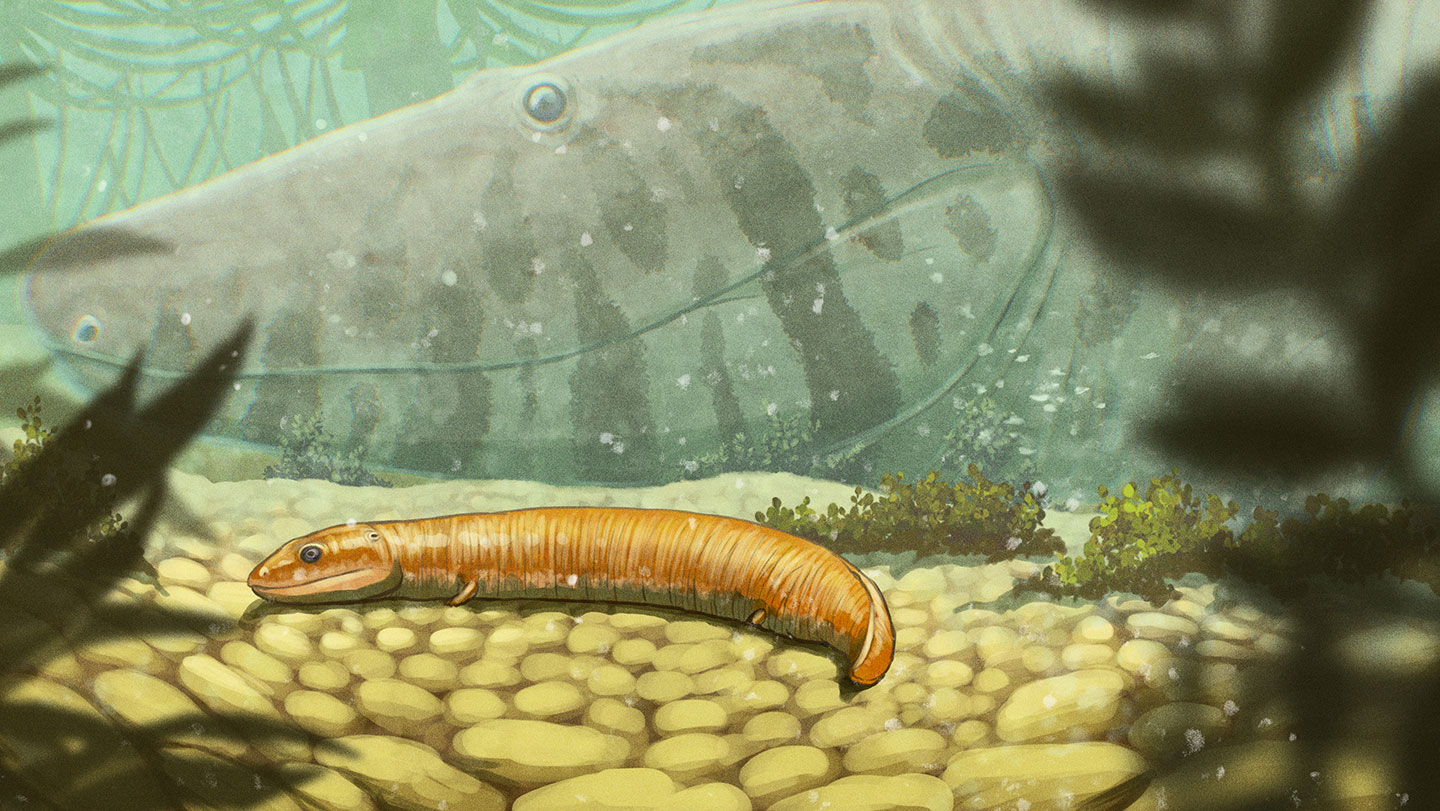
Fossil study challenges assumption that early land vertebrates underwent amphibian-like metamorphosis
New fossil evidence challenges the long-held assumption that early land vertebrates underwent amphibian-like metamorphosis. Researchers stud
 sciencenews.org·2d ago
Fossil study challenges assumption that early land vertebrates underwent amphibian-like metamorphosis
New fossil evidence challenges the long-held assumption that early land vertebrates underwent amphibian-like metamorphosis. Researchers stud
sciencenews.org·2d agoThe emergence and diversification of dog morphology
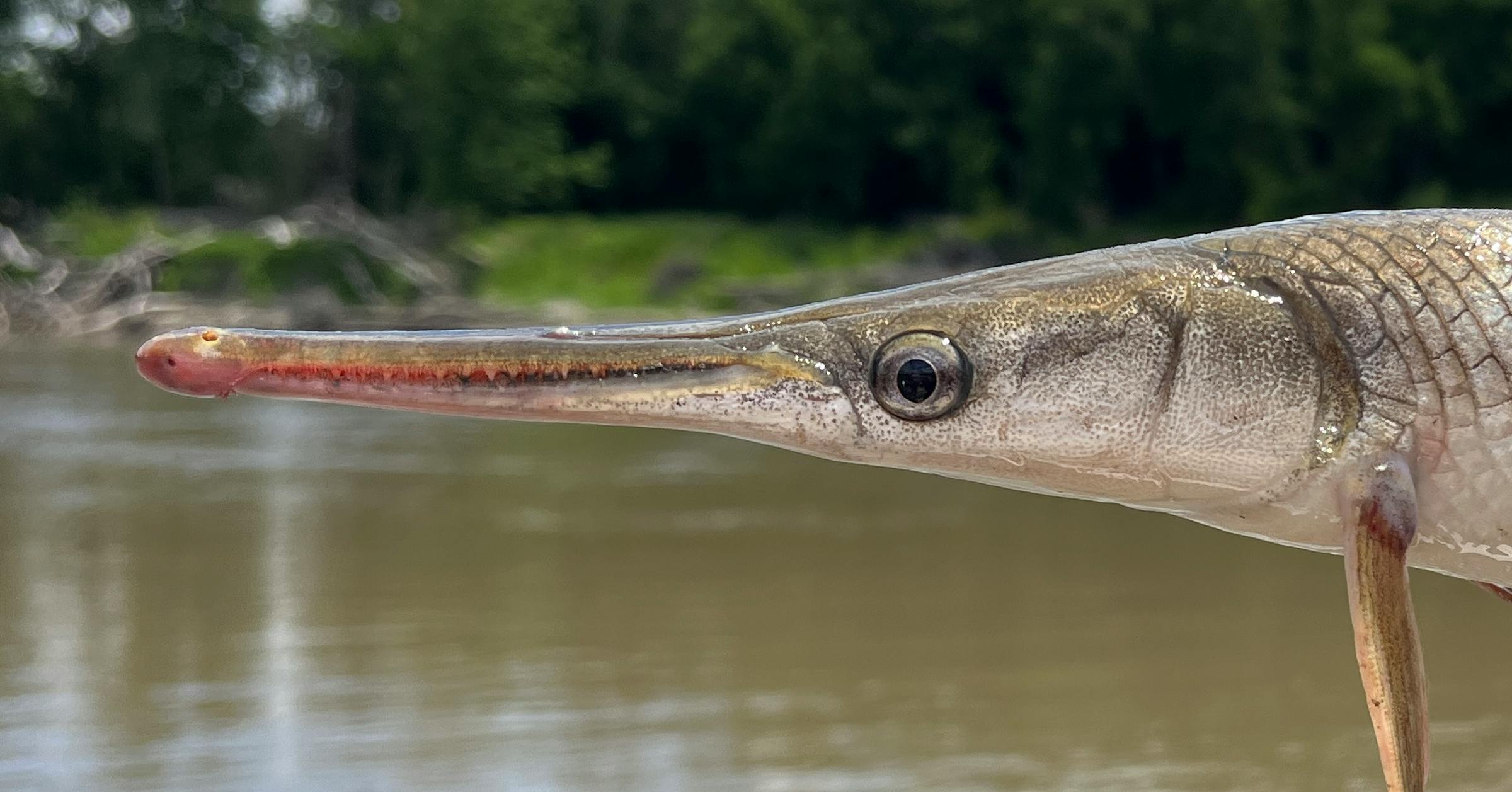
Minnesota's ancient rough fish are vital to the ecosystem, but much remains unknown
Contributing columnist David M. Perry writes about Minnesota's native population of "rough fish" (such as gar, bowfin, and sturgeon) and the
 startribune.com·23h ago
Mollusk shell assemblages as a tool for identifying unaltered seagrass beds
Comments
Sign in to join the conversation.
No comments yet. Be the first.