

























300-million-year-old fossils challenge theory that early land animals had amphibian-like life cycles
By
James Woodford
Summary
A set of exquisitely preserved 300-million-year-old fossils suggests that early four-limbed vertebrates (tetrapods) did not undergo metamorphosis between juvenile and adult stages, challenging the long-held assumption that these early land animals had an amphibian-like life cycle with a larval stage and external gills. The fossils indicate that even juvenile specimens lacked features associated with aquatic larvae, suggesting these ancient creatures were fully terrestrial from a young age. This discovery reshapes our understanding of how vertebrates transitioned from water to land, implying that the amphibian life cycle with metamorphosis evolved later than previously thought.
Source
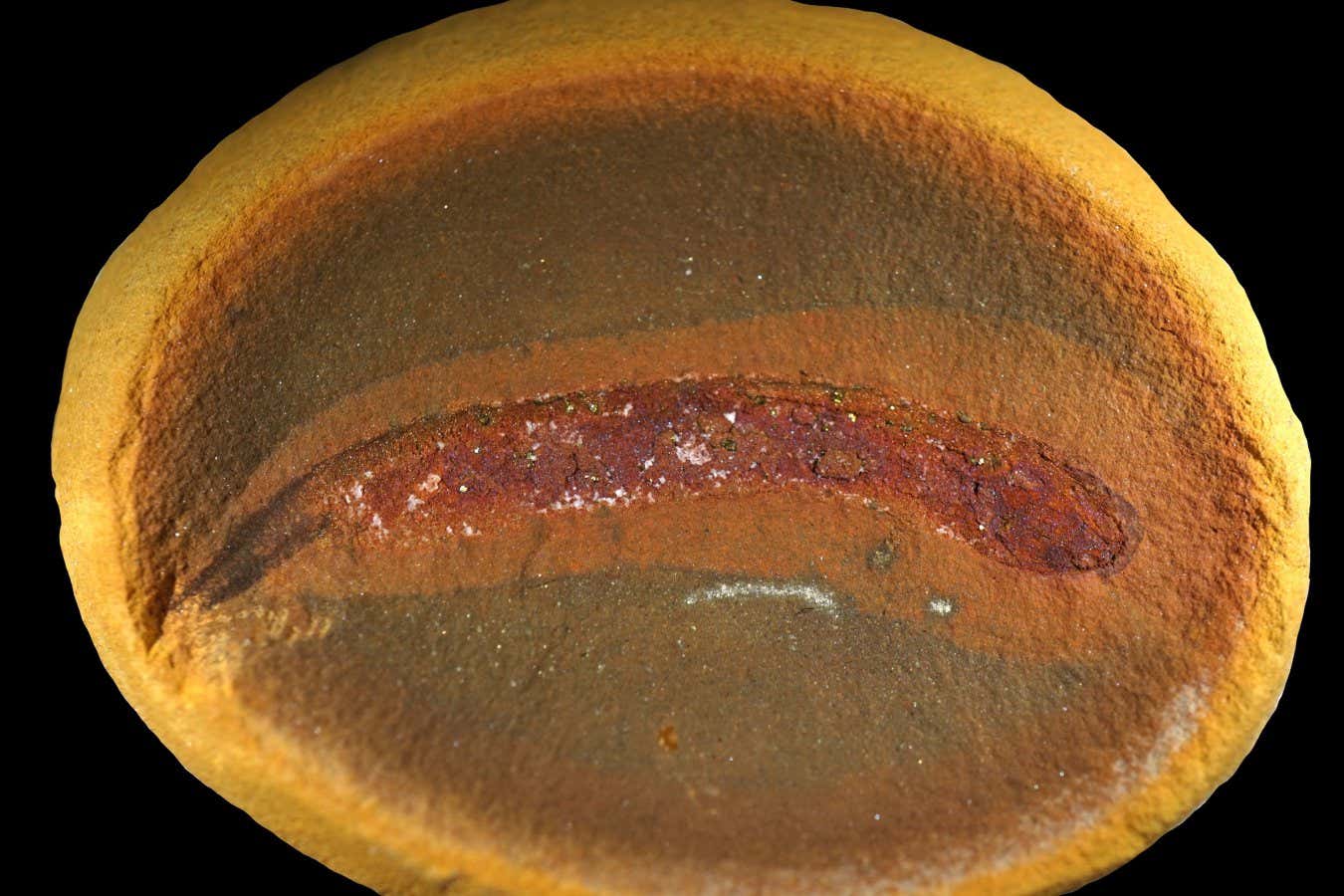
 Twitter / X300-million-year-old fossils challenge theory that early land animals had amphibian-like life cyclesnewscientist.com
Key quotes
· 2 pulledWe have for a very long time assumed that these animals were broadly amphibian-like, and that this life cycle would have bridged the gap between life in the water and life on land
These fossils are remarkably preserved and give us an unprecedented window into the early evolution of terrestrial vertebrates
You might also wanna read


Fossil evidence reveals vertebrate predation on Mississippian blastoid Pentremites spicatus
This scientific paper presents evidence of vertebrate predation on the Mississippian blastoid Pentremites spicatus, a type of extinct echino
 scup.com·3h ago
Oldest preserved soft tissues in crinoids reveal tube feet anatomy and ecological insights
This article reports a significant paleontological discovery: the oldest evidence of soft-tissue preservation in crinoids (sea lilies), spec
 royalsocietypublishing.org·19d ago
The emergence and diversification of dog morphology
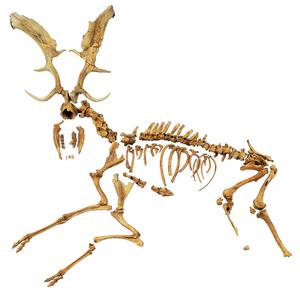
120,000-year-old fossils reveal dramatic genetic diversity loss in European fallow deer
Researchers analyzed 120,000-year-old fallow deer fossils from the Neumark-Nord site in central Germany, revealing that modern fallow deer p
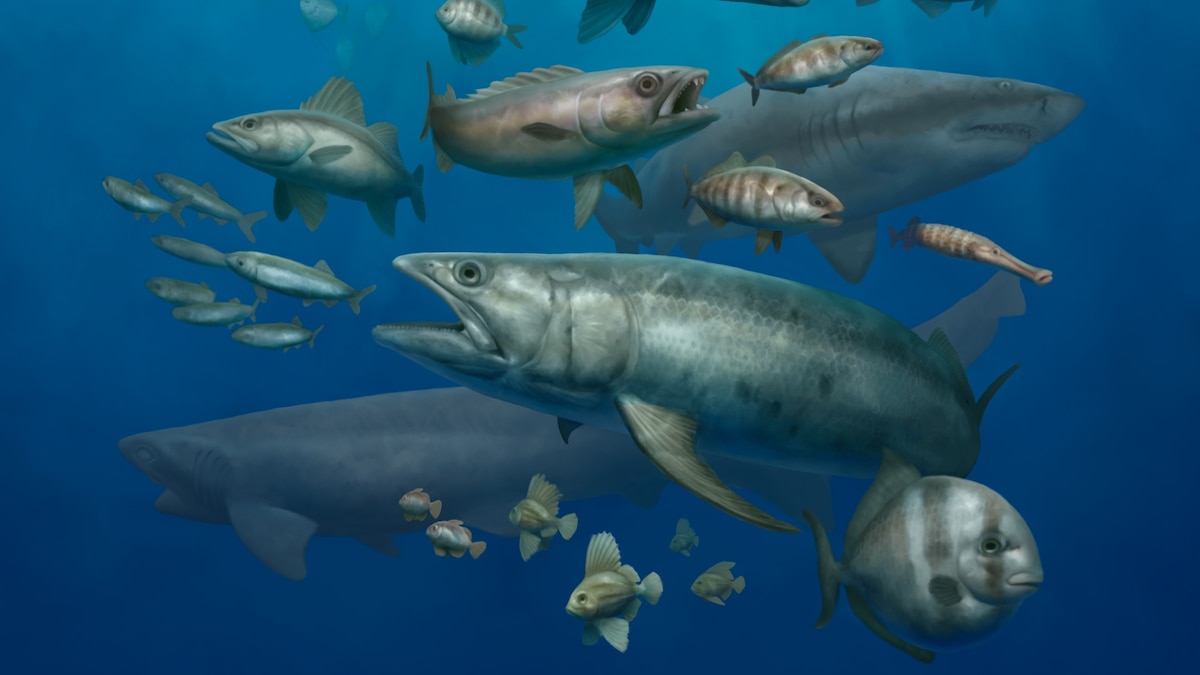
Egyptian fossil discovery reveals how fish rebounded after dinosaur-killing asteroid
Paleontologists in Egypt have discovered a remarkable cache of nearly 500 fossilized fish specimens from over 20 species, dating back 62.2 m
 nationalgeographic.com·18d ago
Oxford study reveals ancient genome duplications enabled evolution of complex vertebrate brains
A new Oxford-led study reveals that whole-genome duplication events in early vertebrate evolution provided the genetic raw material for the
 ox.ac.uk·8d ago
Comments
Sign in to join the conversation.
No comments yet. Be the first.