





















Oxford study reveals ancient genome duplications enabled evolution of complex vertebrate brains
By
— Professor Sebastian Shimeld,

Crackles when you bite it. Shows the baker did the work.
Summary
A new Oxford-led study reveals that whole-genome duplication events in early vertebrate evolution provided the genetic raw material for the development of complex brains. The research suggests that ancient duplications of the entire genome, rather than gradual gene-by-gene changes, allowed for the emergence of specialized brain regions and sophisticated neural circuitry that distinguish vertebrates from other animals.
Key quotes
· 2 pulledWhole-genome duplication occurs when an organism's entire genetic material is duplicated.
A new Oxford-led study has shed light on how vertebrates evolved complex brains.
You might also wanna read

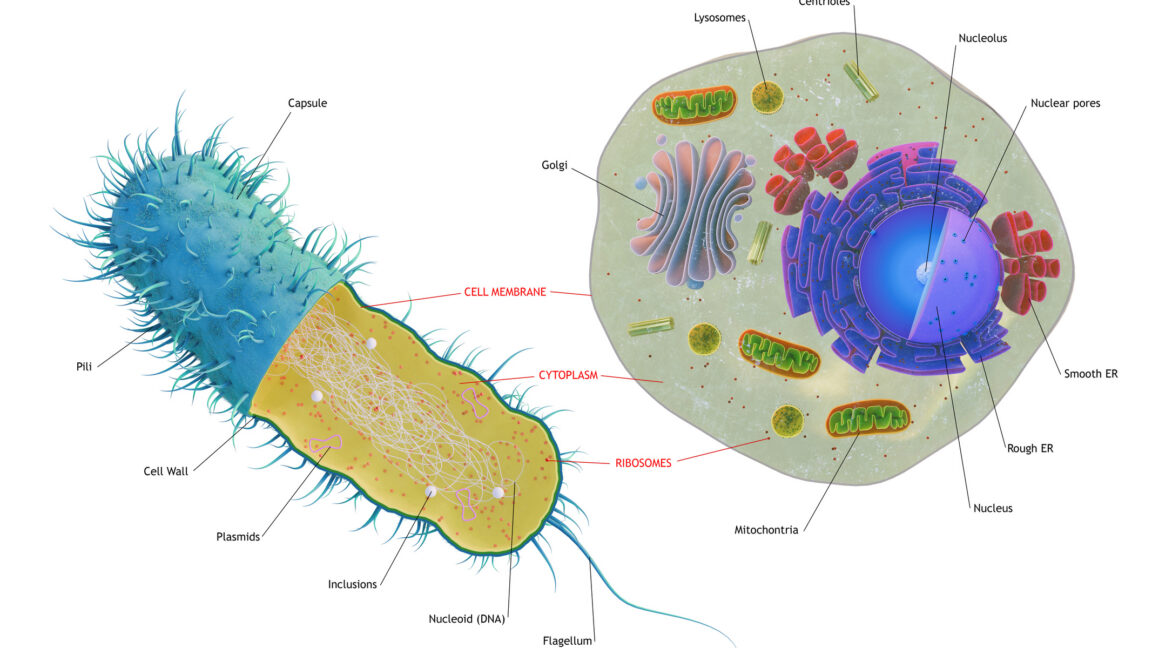
How the first complex cells evolved from a fusion of archaea and bacteria
The article explains that the first complex (eukaryotic) cells originated from a fusion between archaeal and bacterial cells, with their gen
 arstechnica.com·3d ago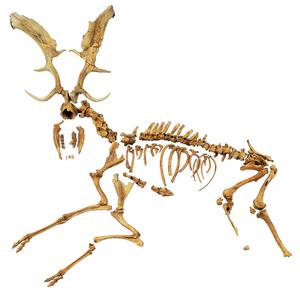
120,000-year-old fossils reveal dramatic genetic diversity loss in European fallow deer
Researchers analyzed 120,000-year-old fallow deer fossils from the Neumark-Nord site in central Germany, revealing that modern fallow deer p

Study traces evolutionary origins of blood cells to unicellular ancestors
This scientific research article investigates the evolutionary origins of blood cells in animals. The study reveals that blood cells, which
 pnas.org·4d ago
Sensorimotor Complexity and Cognition as Predictors of Primate Brain Size
This article investigates the relationship between brain size and various brain functions across primate species. It examines whether cognit
 onlinelibrary.wiley.com·15d ago
Genomic study reveals evolutionary origin of inducible defensive helmets in Daphnia sinensis
This study investigates the evolutionary and genomic basis of an inducible defensive trait (helmet formation) in the freshwater microcrustac
 doi.org·9d ago
Study explains why both loss-of-function and duplication variants affect complex traits in the same direction
Milind et al. investigate a paradox in human genetics: why loss-of-function variants (which decrease gene expression) and duplications (whic