

























Egyptian fossil discovery reveals how fish rebounded after dinosaur-killing asteroid
By
@NatGeo
Summary
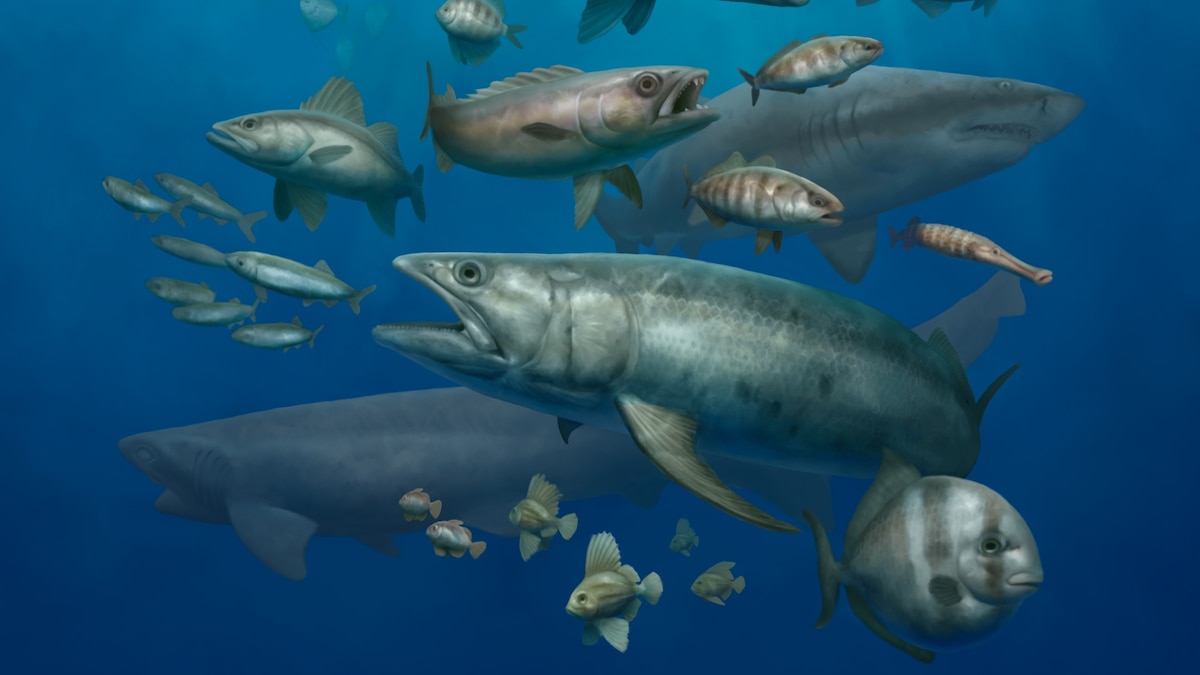
Paleontologists in Egypt have discovered a remarkable cache of nearly 500 fossilized fish specimens from over 20 species, dating back 62.2 million years. The find, located in a rock layer just after the Cretaceous-Paleogene extinction event, provides unprecedented insight into how marine life recovered and rebounded after the asteroid impact that killed the dinosaurs. The well-preserved fossils offer a rare snapshot of early Paleocene ocean ecosystems.
Source
 bskyEgyptian fossil discovery reveals how fish rebounded after dinosaur-killing asteroidnationalgeographic.com
Key quotes
· 2 pulledWhen we arrived at the site and began finding well-preserved fish specimens in the sediment, we knew we were dealing with something exceptional.
This is like opening a petrified aquarium — a time capsule of life just after one of Earth's most devastating mass extinctions.
You might also wanna read

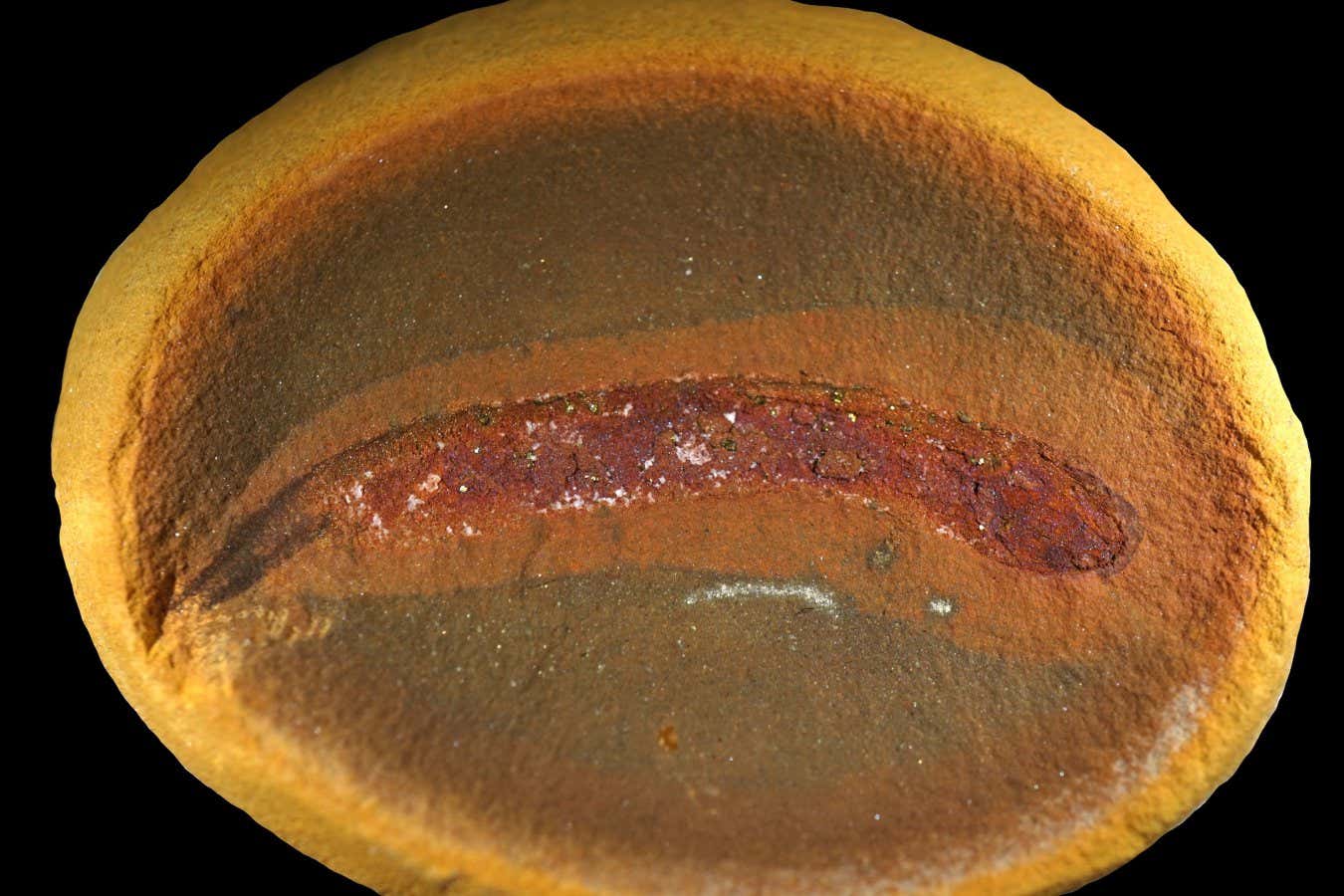
300-million-year-old fossils challenge theory that early land animals had amphibian-like life cycles
A set of exquisitely preserved 300-million-year-old fossils suggests that early four-limbed vertebrates (tetrapods) did not undergo metamorp
 newscientist.com·7h ago
Evolutionary Research Reveals Species Diversify Through Sudden Bursts Rather Than Gradual Change
New evolutionary research reveals that species evolution occurs through sudden bursts of rapid change immediately after lineage splits, rath
 quantamagazine.org·9mo ago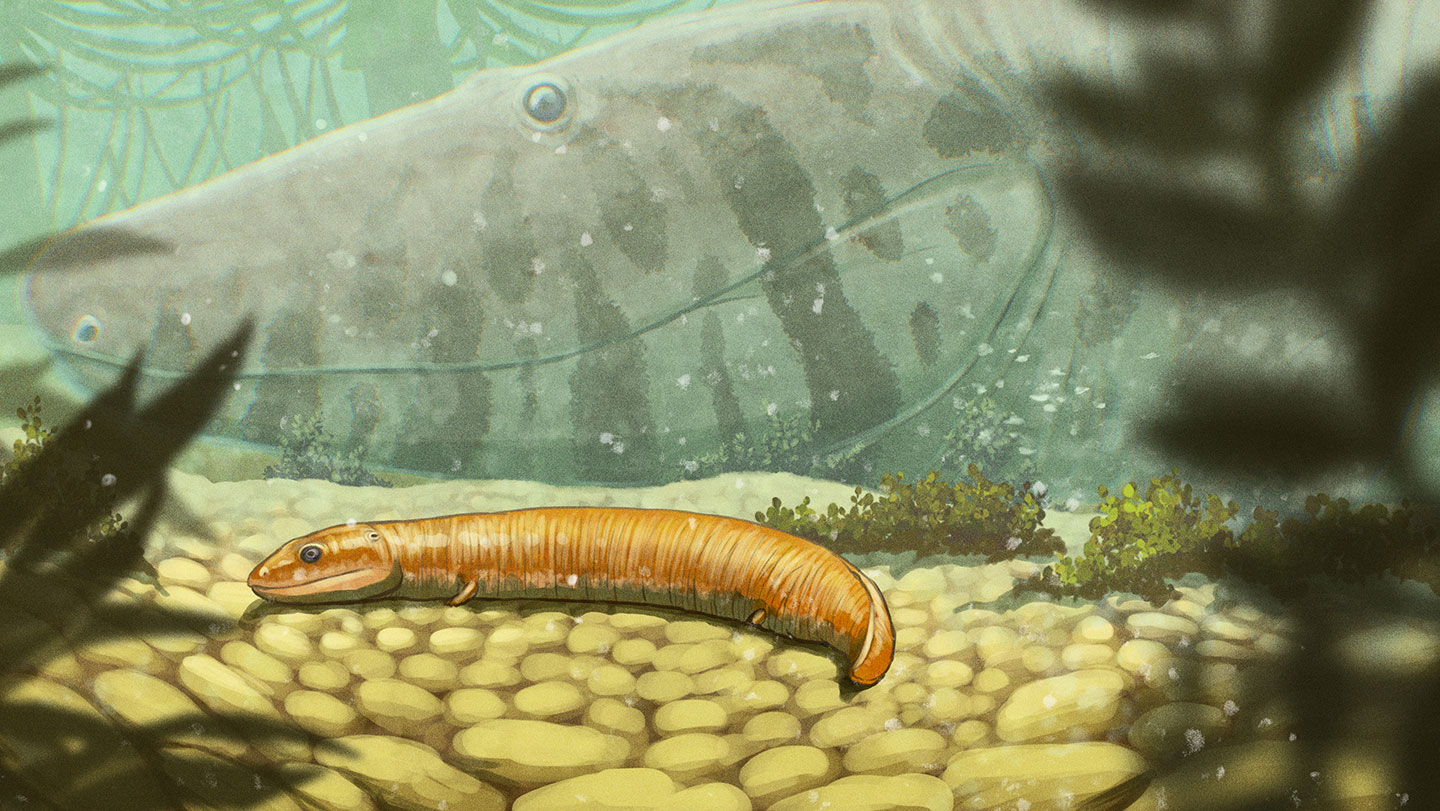
Fossil study challenges assumption that early land vertebrates underwent amphibian-like metamorphosis
New fossil evidence challenges the long-held assumption that early land vertebrates underwent amphibian-like metamorphosis. Researchers stud
 sciencenews.org·2d ago
Fossil study challenges assumption that early land vertebrates underwent amphibian-like metamorphosis
New fossil evidence challenges the long-held assumption that early land vertebrates underwent amphibian-like metamorphosis. Researchers stud
sciencenews.org·2d ago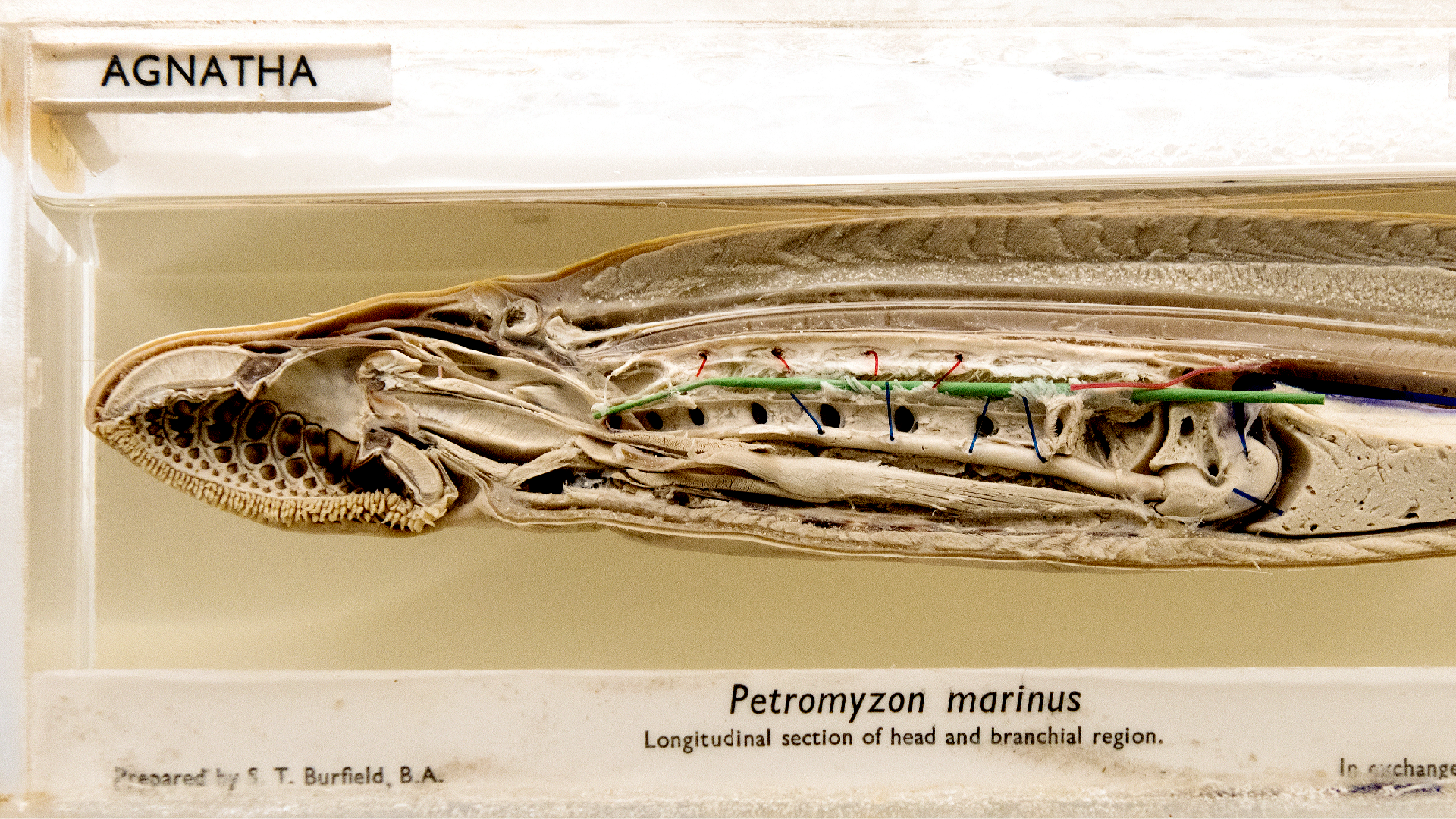
Study suggests vertebrate ancestors had complex brains 500 million years ago, lamprey research shows
A Chinese-led study featured on the cover of Science suggests that the common ancestor of all vertebrates, including humans, may have posses
 news.cgtn.com·2d ago
Ancient Foods Still Eaten Today: Exploring 100-Million-Year-Old Edibles
The article explores ancient foods that have survived for millions of years and are still consumed today, inspired by the Ginkgo biloba tree

Study Shows Mammals Independently Evolved to Eat Ants and Termites Multiple Times Since Dinosaur Age
A study reveals that mammals evolved into ant- and termite-eaters independently at least a dozen times over the past 100 million years, adap
news.njit.edu·11mo agoComments
Sign in to join the conversation.
No comments yet. Be the first.