

























Fossil study challenges assumption that early land vertebrates underwent amphibian-like metamorphosis
By
Jay Bennett
Summary
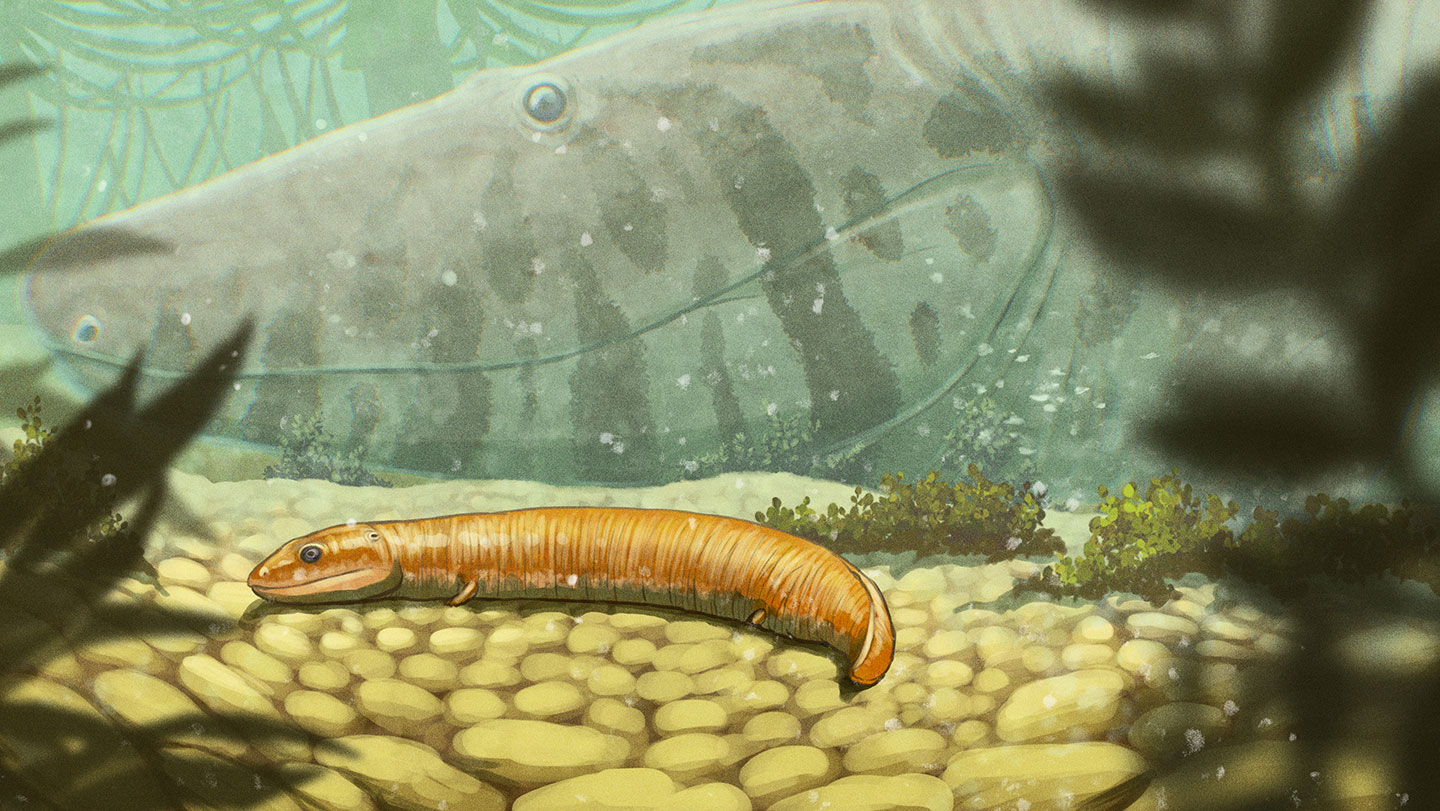
New fossil evidence challenges the long-held assumption that early land vertebrates underwent amphibian-like metamorphosis. Researchers studying hatchlings of three species from about 308 million years ago found that these early tetrapods emerged from eggs looking like miniature adults, without a distinct larval stage. This discovery, published in Science, overturns a textbook assumption about how vertebrates first transitioned from water to land.
Source
 Twitter / XFossil study challenges assumption that early land vertebrates underwent amphibian-like metamorphosissciencenews.org
Key quotes
· 2 pulledThey came out of the egg looking like the adult.
New fossil evidence is overturning a long-held assumption about how vertebrates first transitioned from water to land.
You might also wanna read


Fossil evidence reveals vertebrate predation on Mississippian blastoid Pentremites spicatus
This scientific paper presents evidence of vertebrate predation on the Mississippian blastoid Pentremites spicatus, a type of extinct echino
 scup.com·6h ago
The emergence and diversification of dog morphology
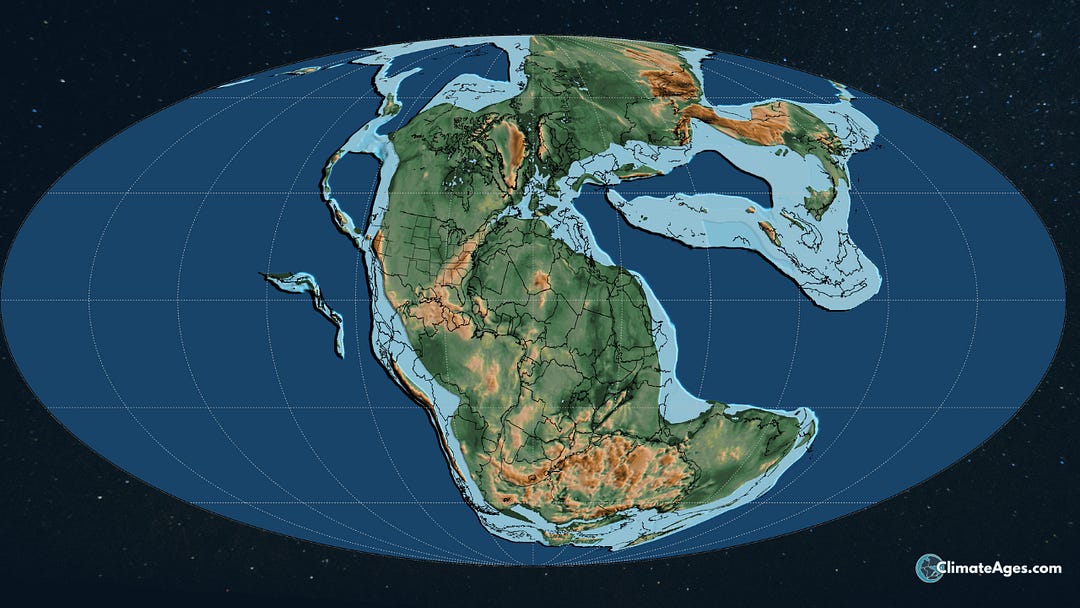
New evidence suggests ocean changes preceded the end-Triassic mass extinction by millions of years
New evidence suggests that the end-Triassic mass extinction (201 million years ago), which paved the way for dinosaurs to become dominant, m
 climateages.substack.com·21d ago
Oxford study reveals ancient genome duplications enabled evolution of complex vertebrate brains
A new Oxford-led study reveals that whole-genome duplication events in early vertebrate evolution provided the genetic raw material for the
 ox.ac.uk·8d ago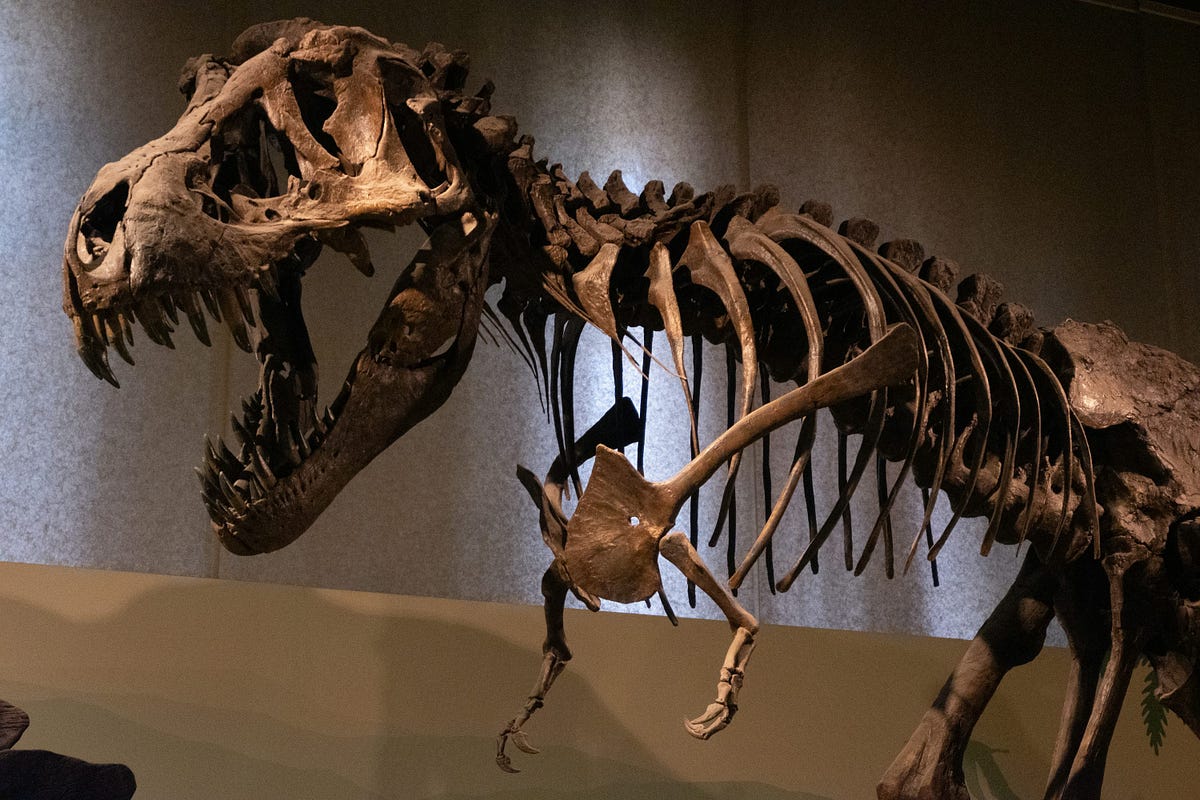
Study investigates why carnivorous dinosaurs repeatedly evolved tiny forelimbs
A recent paleontological study by Dr. Charlie Roger Scherer and colleagues investigates why many carnivorous theropod dinosaurs evolved such
 medium.com·19d ago
Study investigates why carnivorous dinosaurs repeatedly evolved tiny forelimbs
A recent paleontological study by Dr. Charlie Roger Scherer and colleagues investigates why many carnivorous theropod dinosaurs evolved such
medium.com·19d ago
Evolutionary Research Reveals Species Diversify Through Sudden Bursts Rather Than Gradual Change
New evolutionary research reveals that species evolution occurs through sudden bursts of rapid change immediately after lineage splits, rath
 quantamagazine.org·9mo ago
Comments
Sign in to join the conversation.
No comments yet. Be the first.