

























New evidence suggests ocean changes preceded the end-Triassic mass extinction by millions of years
By
Silvia Pineda-Munoz PhD
Summary
New evidence suggests that the end-Triassic mass extinction (201 million years ago), which paved the way for dinosaurs to become dominant, may have been preceded by significant environmental changes millions of years earlier. While massive volcanic eruptions and CO2 release were already known causes, recent findings indicate ocean chemistry and ecosystems were destabilizing long before the main extinction event, challenging the traditional timeline of this pivotal moment in Earth's history.
Source
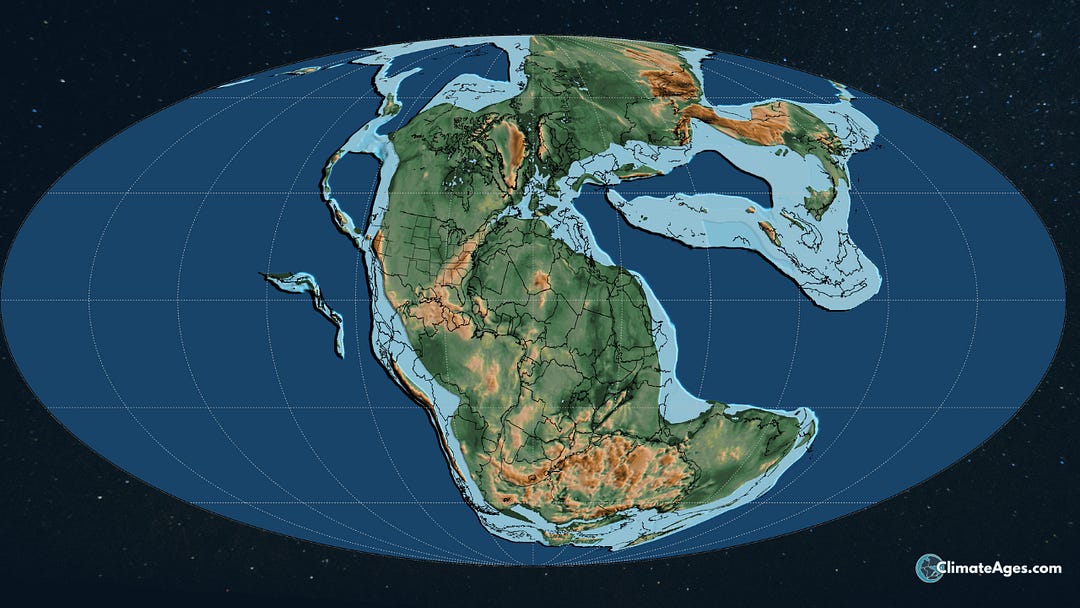
 bskyNew evidence suggests ocean changes preceded the end-Triassic mass extinction by millions of yearsclimateages.substack.com
Key quotes
· 3 pulledAround 201 million years ago, enormous volcanic eruptions associated with the formation of the Atlantic Ocean released vast amounts of carbon dioxide into the atmosphere.
The climate changed rapidly, oceans warmed, many species disappeared, and ecosystems were reorganized.
By the end of the crisis, roughly half of Earth's species were gone, and dinosaurs emerged from one group among many to become the dominant large animals on the planet.
You might also wanna read


Volcanic Eruptions Triggered Hydrogen Sulfide Buildup and Permian Mass Extinction
Research suggests that volcanic eruptions in Siberia 251 million years ago triggered a cascade of events that led to the Permian mass extinc
 psu.edu·7mo ago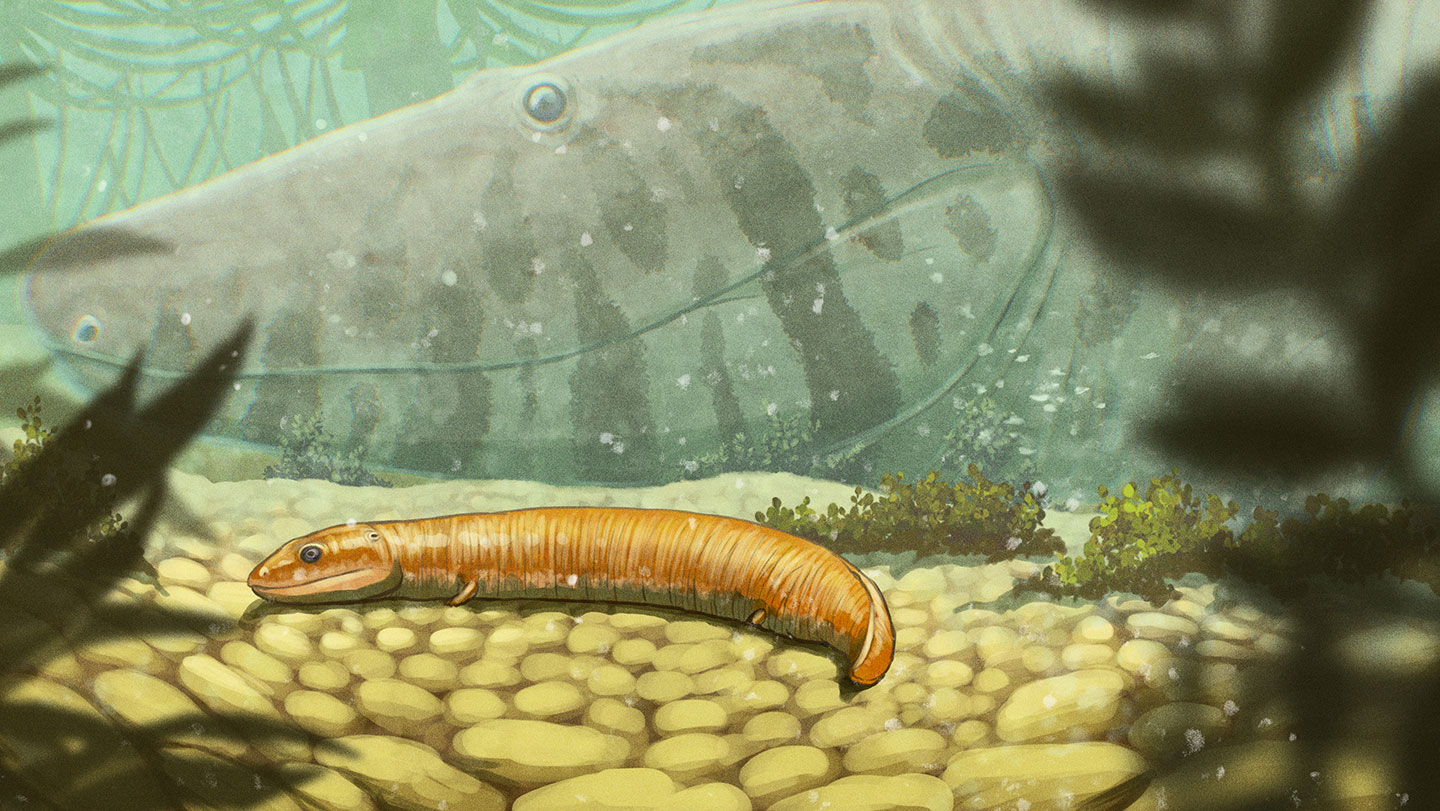
Fossil study challenges assumption that early land vertebrates underwent amphibian-like metamorphosis
New fossil evidence challenges the long-held assumption that early land vertebrates underwent amphibian-like metamorphosis. Researchers stud
 sciencenews.org·2d ago
Fossil study challenges assumption that early land vertebrates underwent amphibian-like metamorphosis
New fossil evidence challenges the long-held assumption that early land vertebrates underwent amphibian-like metamorphosis. Researchers stud
sciencenews.org·2d ago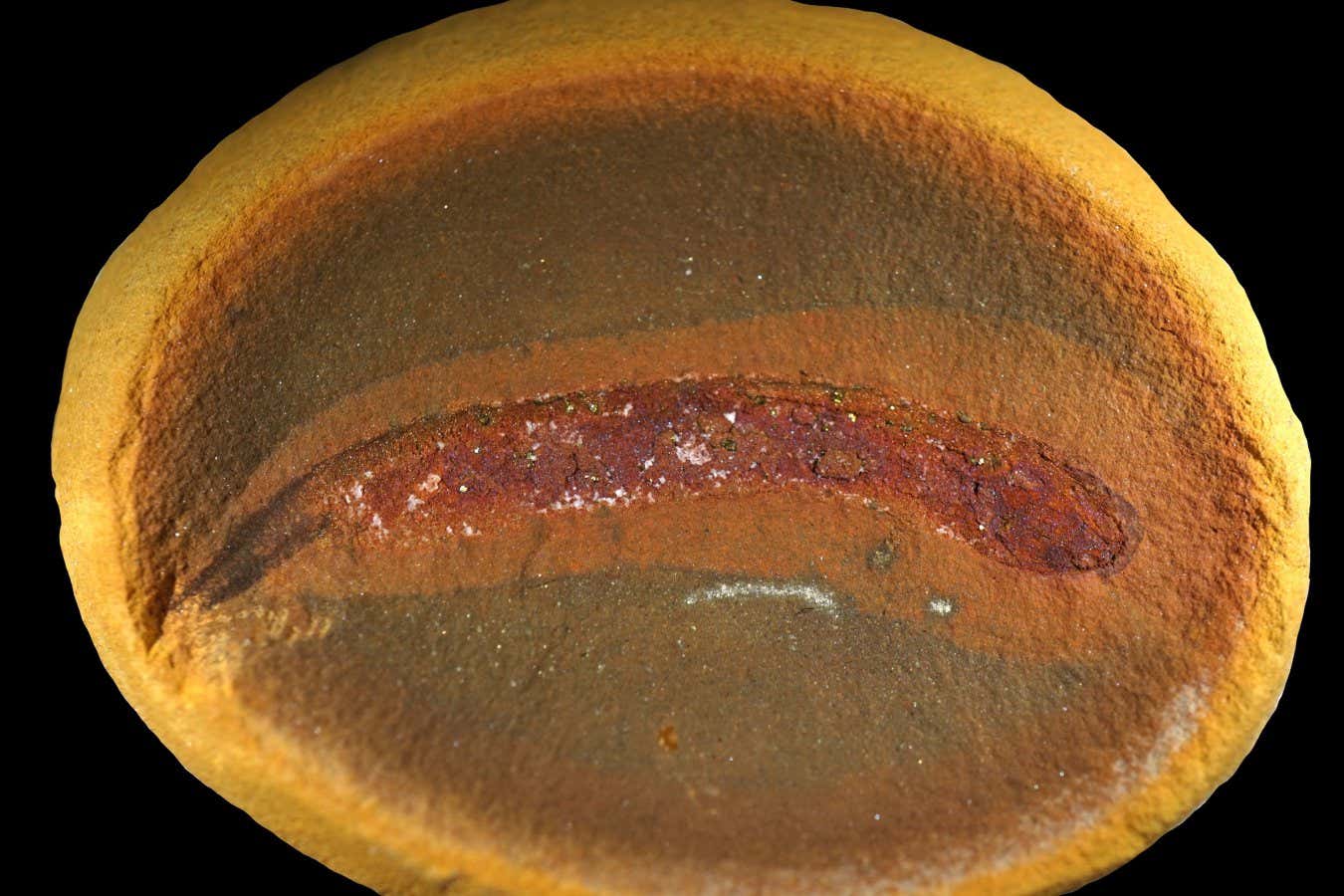
300-million-year-old fossils challenge theory that early land animals had amphibian-like life cycles
A set of exquisitely preserved 300-million-year-old fossils suggests that early four-limbed vertebrates (tetrapods) did not undergo metamorp
 newscientist.com·10h ago
Genomic Study Reveals Koala Population Collapsed 100,000 Years Ago Due to Climate Change, Predating Human Arrival
A new genomic study reveals that koalas experienced a dramatic population collapse about 100,000 years ago due to climate change, long befor
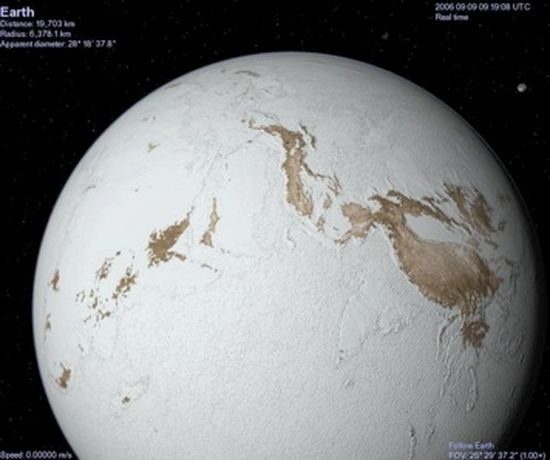
New analysis suggests Snowball Earth climate cycles may be more complex than current models predict
This article examines the Snowball Earth and Slushball Earth hypotheses during the Sturtian glacial period of the Neoproterozoic Era. It dis
 Science X·1mo ago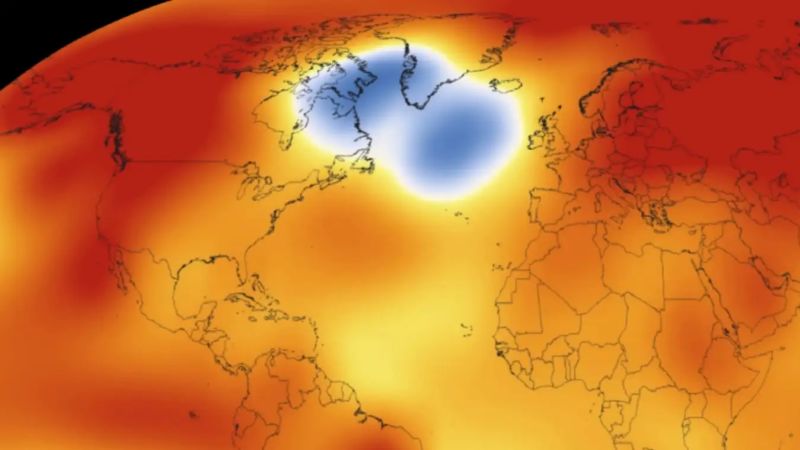
Study links North Atlantic 'cold blob' to potential AMOC collapse and climate tipping point
A large patch of water in the North Atlantic Ocean, south of Greenland and Iceland, has been cooling by nearly 1°C since 1900 while the rest
 cnn.com·8d ago
Comments
Sign in to join the conversation.
No comments yet. Be the first.