

























Genomic Study Reveals Koala Population Collapsed 100,000 Years Ago Due to Climate Change, Predating Human Arrival
Summary
A new genomic study reveals that koalas experienced a dramatic population collapse about 100,000 years ago due to climate change, long before humans arrived in Australia. This challenges previous assumptions about koala evolutionary history and provides critical insights for modern conservation efforts. The research helps scientists better understand koala genetic diversity and resilience, informing strategies to protect the species from current and future climate threats.
Source
 Twitter / XGenomic Study Reveals Koala Population Collapsed 100,000 Years Ago Due to Climate Change, Predating Human Arrivalscitechdaily.com
Key quotes
· 3 pulledKoalas survived a climate-driven population crash 100,000 years ago, and new genomic research is helping scientists better protect the species today.
A major genomic study has transformed scientists' understanding of koala (Phascolarctos cinereus) evolution, showing that the species underwent a dramatic population decline about 100,000 years ago, long before humans
The findings challenge long-held assumptions about their evolutionary history.
You might also wanna read

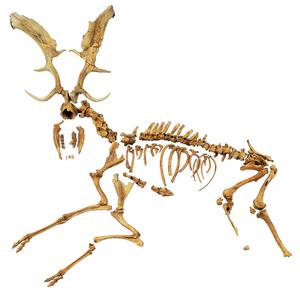
120,000-year-old fossils reveal dramatic genetic diversity loss in European fallow deer
Researchers analyzed 120,000-year-old fallow deer fossils from the Neumark-Nord site in central Germany, revealing that modern fallow deer p
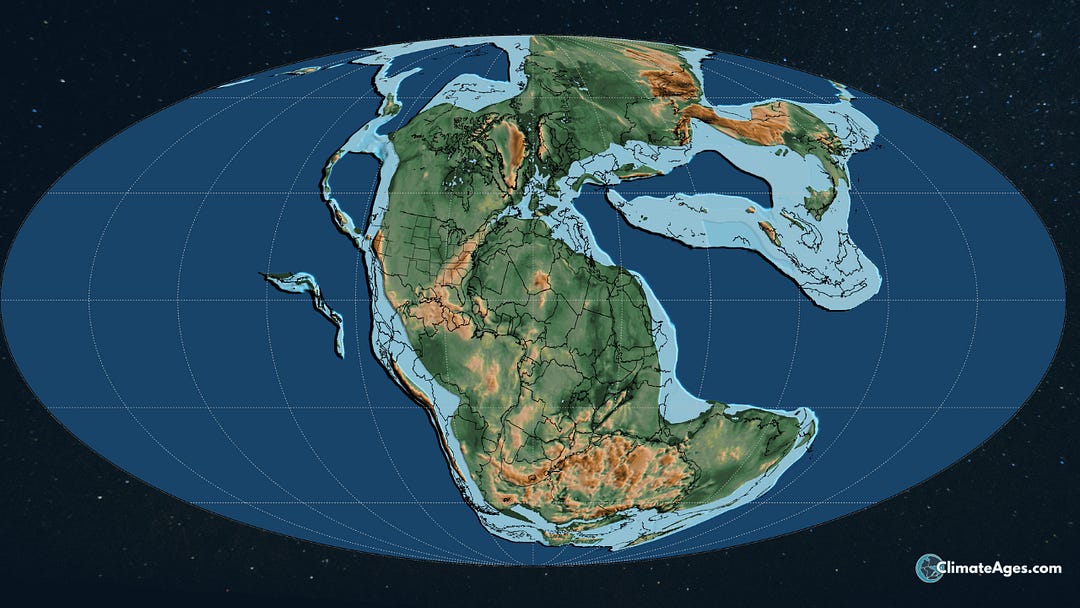
New evidence suggests ocean changes preceded the end-Triassic mass extinction by millions of years
New evidence suggests that the end-Triassic mass extinction (201 million years ago), which paved the way for dinosaurs to become dominant, m
 climateages.substack.com·21d ago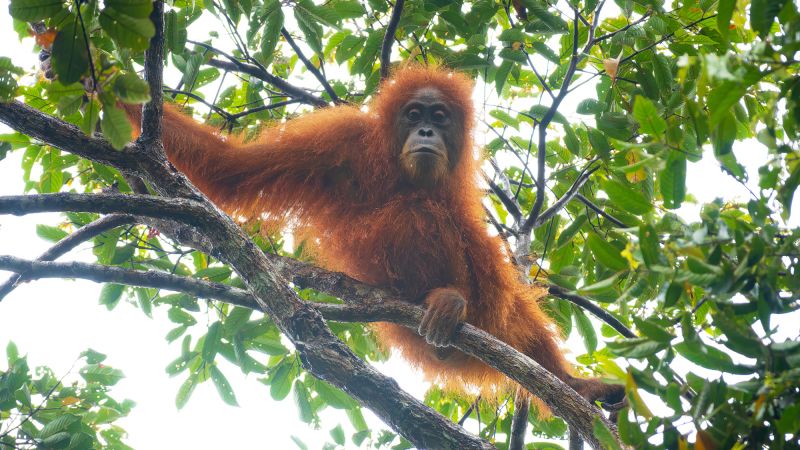
Cyclone Senyar kills nearly 60 Tapanuli orangutans, wiping out over 7% of the world's rarest great ape population
A study published in Current Biology reveals that Cyclone Senyar, which struck Sumatra, Indonesia in November, killed nearly 60 Tapanuli ora
 cnn.it·6d ago
Study Reveals 37,000 Years of Human Disease History Through DNA Mapping
A new study led by Professor Eske Willerslev reveals the impact of human-animal interactions on the spread of infectious diseases over 37,00
cam.ac.uk·11mo ago
Climate change threatens one-third of parasite species with extinction, study finds
Colin Carlson's research explores how climate change threatens parasite biodiversity. Inspired by a conversation with a parasitologist frien
 scientificamerican.com·6d ago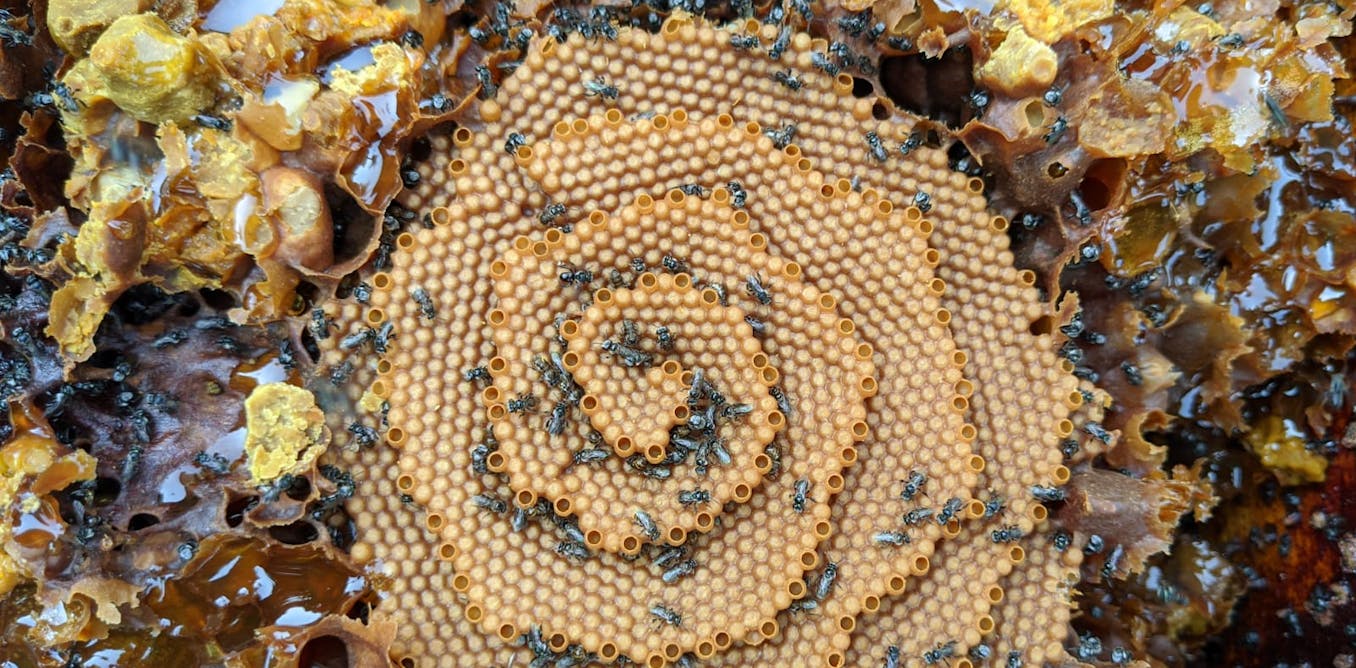
Study: Native Australian bees' climate change resilience depends on nest type
A new study published in Nature Communications examines how Australia's ~2,000 species of native bees cope with climate change. The research
 theconversation.com·7d ago
Comments
Sign in to join the conversation.
No comments yet. Be the first.