

























Climate change threatens one-third of parasite species with extinction, study finds
By
K. R. Callaway
Summary
Colin Carlson's research explores how climate change threatens parasite biodiversity. Inspired by a conversation with a parasitologist friend, Carlson co-led the largest study of parasite biodiversity to date, finding that up to one-third of parasite species face extinction due to climate change. Since parasites play crucial ecological roles, their mass extinction could have catastrophic consequences for ecosystems worldwide.
Source

 bskyClimate change threatens one-third of parasite species with extinction, study findsscientificamerican.com
Key quotes
· 3 pulledA hangover inspired Colin Carlson to meld climate change, public health and ecology.
The two went on to conduct the largest study to date of parasite biodiversity, finding that up to one third of parasite species are at risk of extinction caused by climate change.
Parasites fill important niches in ecosystems around the world, so the consequences of such a die-off could be catastrophic.
You might also wanna read

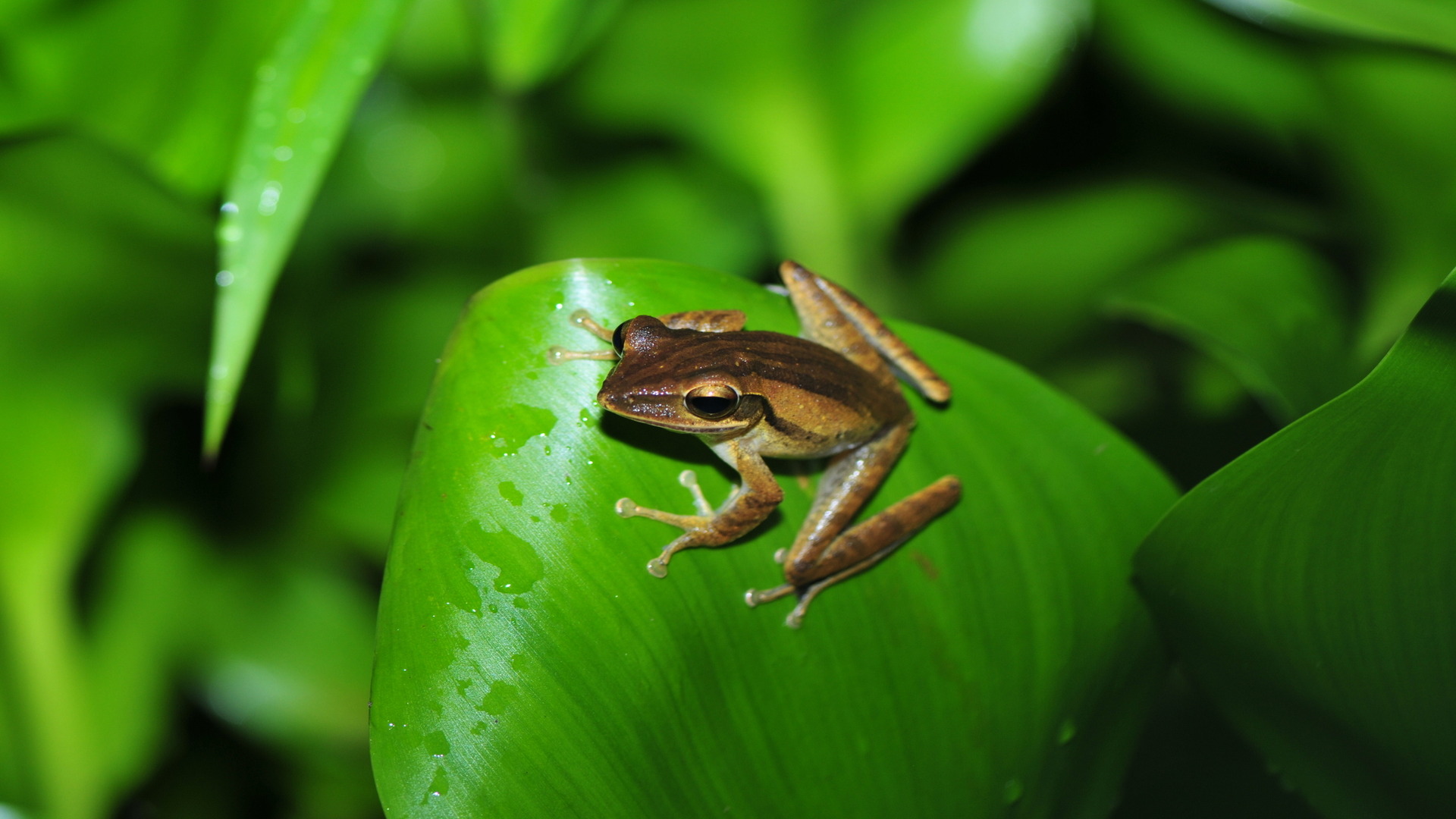
Study of 5,100 species finds 45% local extinction rate due to climate change across 40,000 sites
A large-scale study reviewing 5,100 species across 40,000 sites found that 45% of species have experienced local extinction in the warmest p
 interestingengineering.com·18h ago
How Climate Change Is Spreading Dangerous Microbes and Pathogens
This article examines how climate change is accelerating the spread of dangerous pathogens, including "flesh-eating" bacteria and emerging i
 newyorker.com·27d ago
Parasite Identified as Primary Cause of Alaska's Declining Chinook Salmon Populations
Scientists have identified a parasite called Ichthyophonus as a major factor in the dramatic decline of Chinook salmon in Alaska's Yukon Riv
 science.org·10mo ago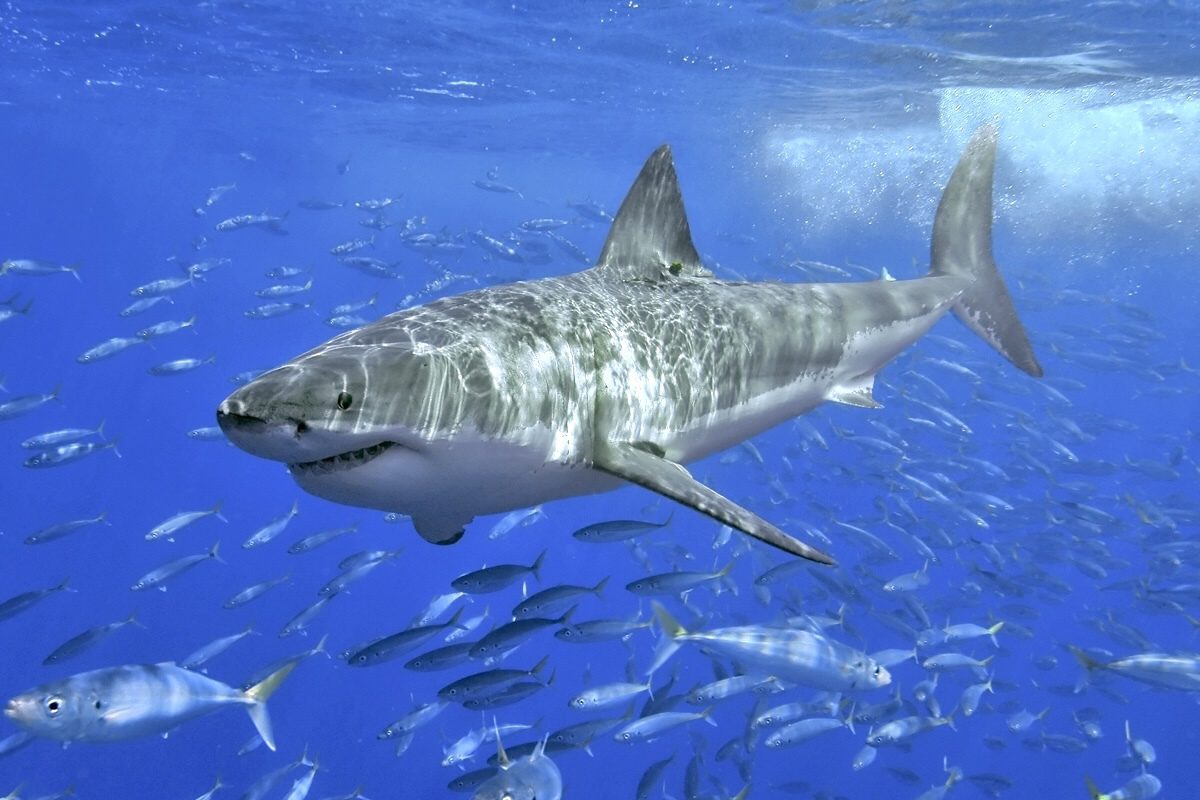
Climate Change Threatens Great White Sharks with Overheating Due to Ocean Warming
The article discusses how climate change and ocean warming are threatening great white sharks by causing them to overheat. These apex predat
 e360.yale.edu·2mo ago
Global Insect Population Decline Threatens Food Security and Ecosystems
The article discusses the alarming global decline in insect populations, often referred to as an 'insect apocalypse,' and its potential cata
 livescience.com·7mo ago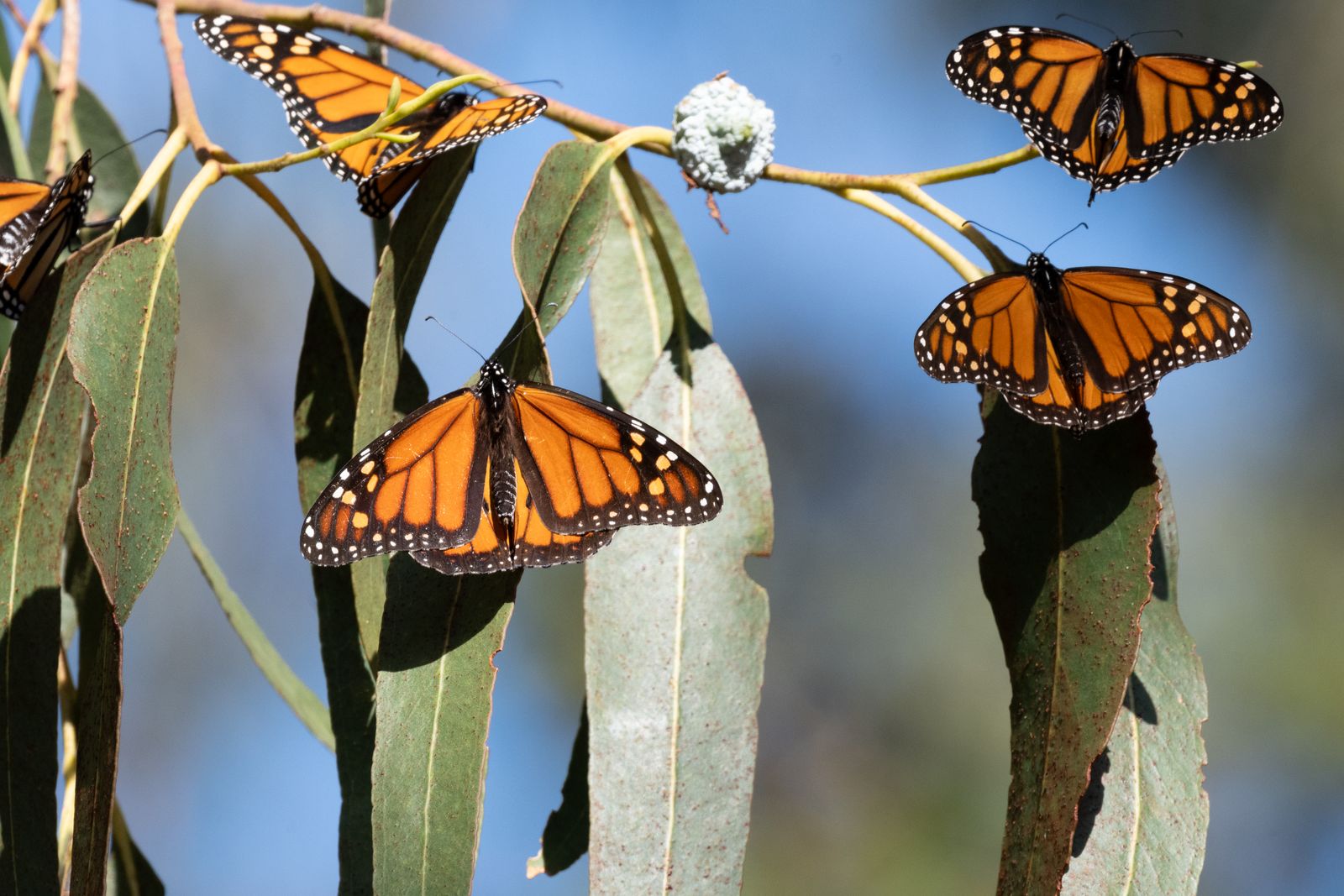
Western Monarch Butterfly Decline Reflects Broader North American Insect Crisis Driven by Pesticides, Habitat Loss, and Climate Change
The article examines the dramatic decline of butterfly populations across North America, using the Western Monarch butterfly as a case study
 smithsonianmag.com·1mo ago
Comments
Sign in to join the conversation.
No comments yet. Be the first.