

























Study of 5,100 species finds 45% local extinction rate due to climate change across 40,000 sites
By
Maria Mocerino
Summary
A large-scale study reviewing 5,100 species across 40,000 sites found that 45% of species have experienced local extinction in the warmest parts of their ranges due to climate change. The impact exceeds 50% in many groups including insects, terrestrial vertebrates, and marine species. Contrary to previous assumptions, temperate regions are affected as severely as tropical zones. The study is based on observed data, not future projections.
Source

 Twitter / XStudy of 5,100 species finds 45% local extinction rate due to climate change across 40,000 sitesinterestingengineering.com
Key quotes
· 4 pulledSpecies in temperate regions are affected by local extinction to an even greater degree.
Across the 5,100 species of plants and animals reviewed, researchers found 45% had gone locally extinct at the warmest part of the region where they were previously found.
Even more frightening, the percentage exceeded 50% in many groups, including insects, terrestrial vertebrates, and marine species.
Researchers emphasized, most likely anticipating backlash from critics, that this study is not based on future projections but
You might also wanna read


Climate change threatens one-third of parasite species with extinction, study finds
Colin Carlson's research explores how climate change threatens parasite biodiversity. Inspired by a conversation with a parasitologist frien
 scientificamerican.com·6d ago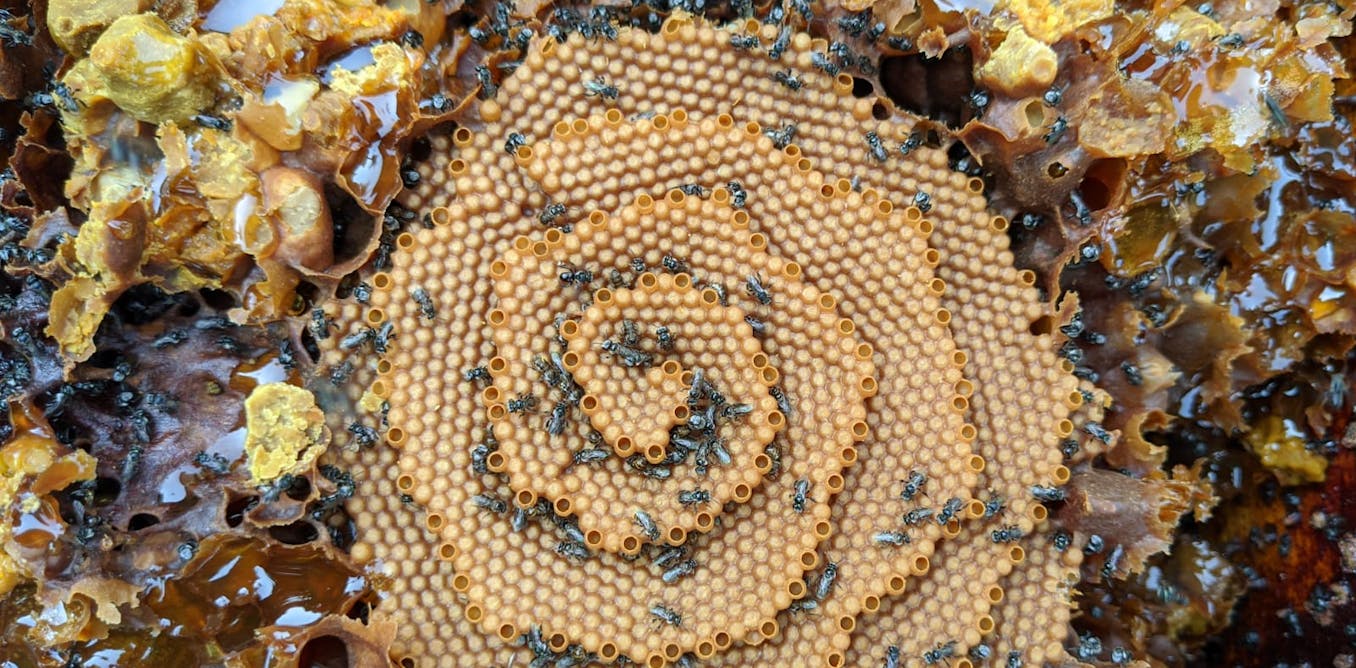
Study: Native Australian bees' climate change resilience depends on nest type
A new study published in Nature Communications examines how Australia's ~2,000 species of native bees cope with climate change. The research
 theconversation.com·6d ago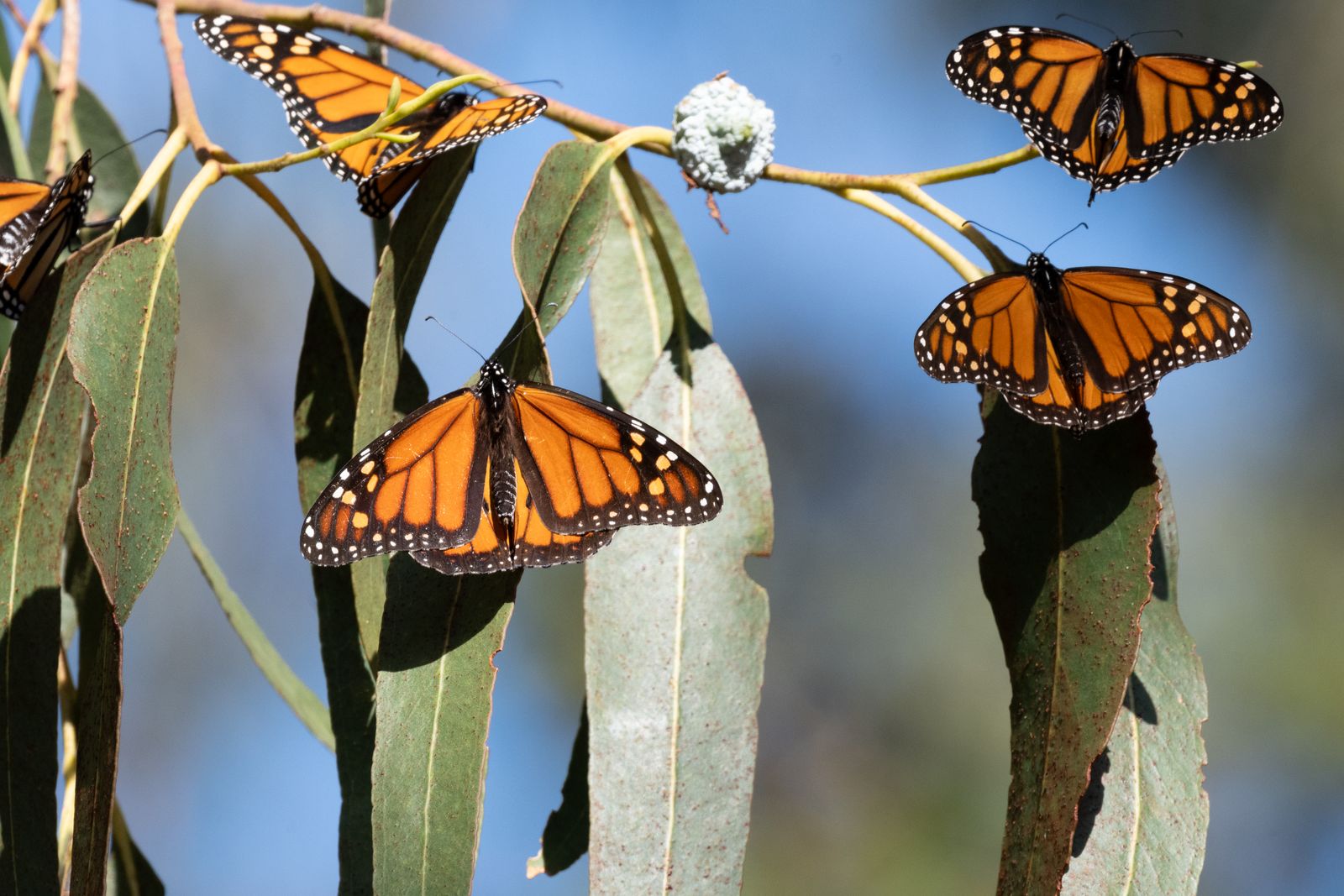
Western Monarch Butterfly Decline Reflects Broader North American Insect Crisis Driven by Pesticides, Habitat Loss, and Climate Change
The article examines the dramatic decline of butterfly populations across North America, using the Western Monarch butterfly as a case study
 smithsonianmag.com·1mo ago
Continental-scale study reveals how dead foundation species shape ecosystem memory and living conspecifics
This article presents the first continental-scale study of how dead foundation species (trees, grasses, corals, oysters) continue to influen
 science.org·8d ago
Kelp forest collapse and turf algae expansion documented along Maine's coast over five-year study
This study investigates the decline of kelp forests and their transition to turf algae-dominated reefs in the Gulf of Maine, driven by ocean
 esajournals.onlinelibrary.wiley.com·26d ago
Climate change drives Norwegian mountain plants to higher elevations
This article discusses how climate change is forcing mountain plant species in Norway to migrate to higher elevations as temperatures rise.
 sciencenorway.no·11d ago
Comments
Sign in to join the conversation.
No comments yet. Be the first.