

























Minnesota's ancient rough fish are vital to the ecosystem, but much remains unknown
By
David M. Perry
Summary
Contributing columnist David M. Perry writes about Minnesota's native population of "rough fish" (such as gar, bowfin, and sturgeon) and their vital role in the state's ecosystem. The article highlights the work of Professor Solomon David and the University of Minnesota's "GarLab," which studies these ancient fish species. Despite their ecological importance, there remains much unknown about these fish, and the piece explores the science behind them and why they deserve greater attention and conservation efforts.
Source
 Twitter / XMinnesota's ancient rough fish are vital to the ecosystem, but much remains unknownstartribune.com
Key quotes
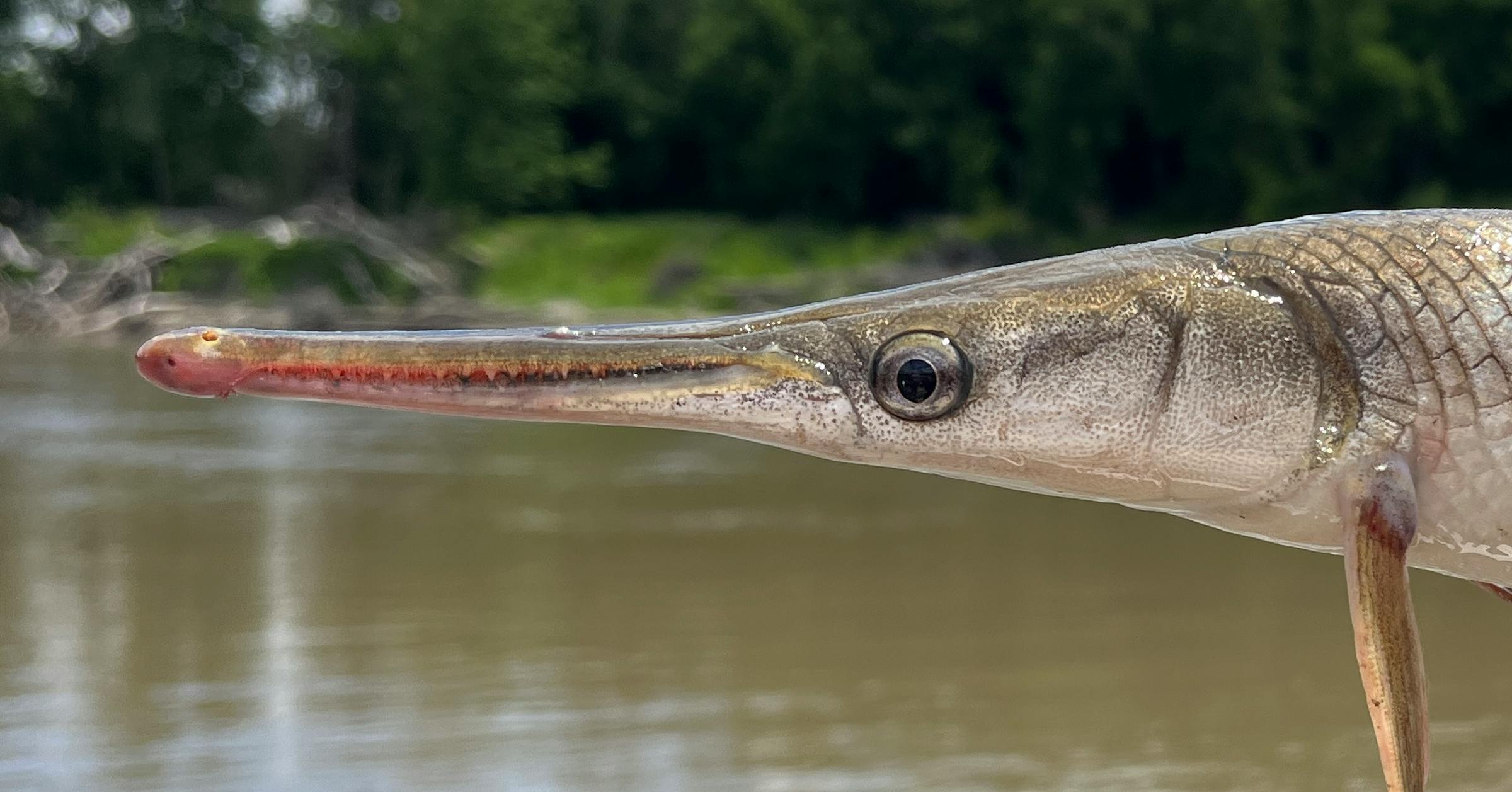
· 3 pulledThe state's native population of rough fish is a vital part of our ecosystem. But there's a lot we still don't know about them.
Professor Solomon David of the University of Minnesota's 'GarLab' holds a shortnose gar on a boat on the Minnesota River.
Strib Voices publishes a mix of material from eight contributing columnists, along with other commentary online and in print each day.
You might also wanna read


Fossil evidence reveals vertebrate predation on Mississippian blastoid Pentremites spicatus
This scientific paper presents evidence of vertebrate predation on the Mississippian blastoid Pentremites spicatus, a type of extinct echino
 scup.com·6h ago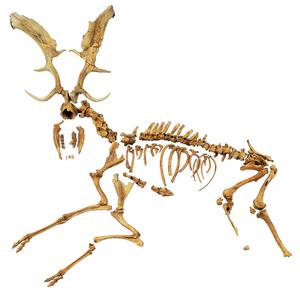
120,000-year-old fossils reveal dramatic genetic diversity loss in European fallow deer
Researchers analyzed 120,000-year-old fallow deer fossils from the Neumark-Nord site in central Germany, revealing that modern fallow deer p
Shark eye lens isotope records reveal lifetime diet and habitat use patterns
This article presents a scientific study using eye lens layers (laminae) in sharks as a biochemical archive to reconstruct lifetime diet pre
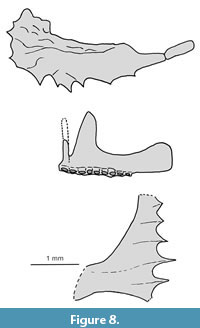
New genus and species of glassfish (Neodapalis haraldahnelti) discovered as last European Ambassidae from the Cenozoic
This scientific article reports on the discovery of the last known species of Ambassidae (glassfish) from the European Cenozoic era. The aut
 palaeo-electronica.org·5d ago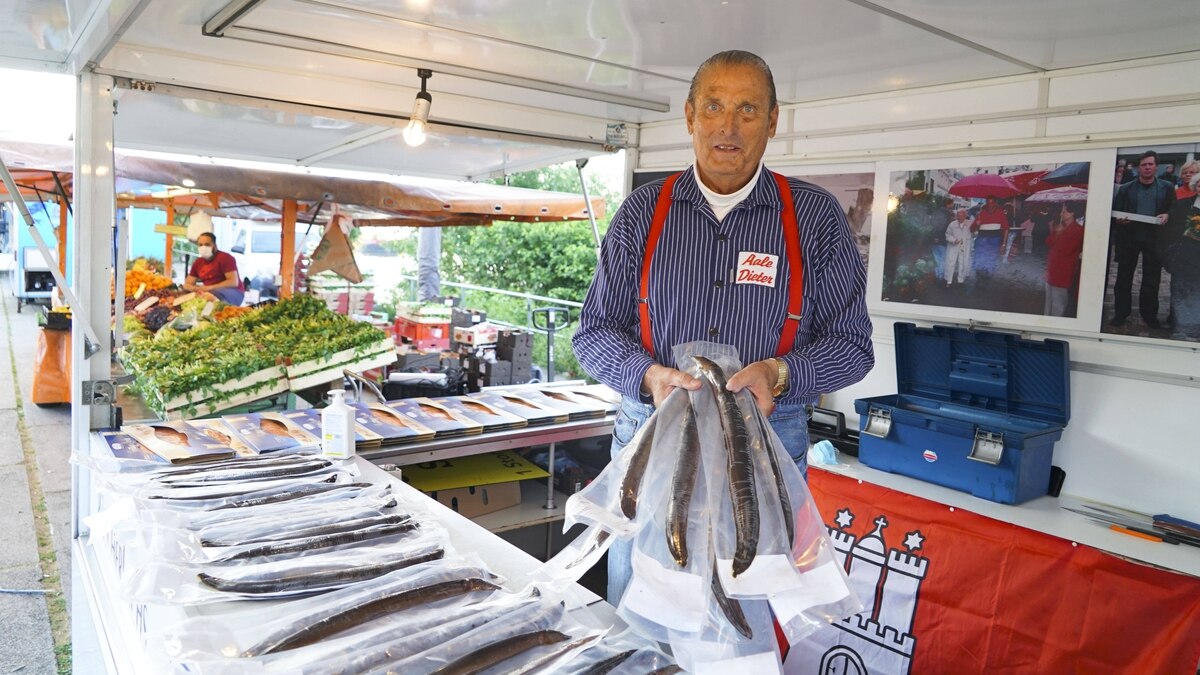
The European Eel Crisis: Tradition vs. Conservation as a Species Nears Extinction
The article explores the paradox of the European eel (Aal) being critically endangered yet still widely consumed across Europe. It profiles
 taz.de·20d ago
Assessment of Natura 2000 Network's Effectiveness for Freshwater Fish Conservation in Spain
This article examines the effectiveness of the Natura 2000 network in Spain for protecting freshwater fish biodiversity. It highlights that
 onlinelibrary.wiley.com·21d ago
Comments
Sign in to join the conversation.
No comments yet. Be the first.