
























Solar Wind Ion Sputtering from Airless Planetary Bodies: New Insights into the Surface Binding Energies for Elements in Plagioclase Feldspars
From the article
Liam S. Morrissey et al 2024 Planet. Sci. J. 5 272 Molecular dynamics computations explore how tightly bound certain minerals are to the surfaces of planetary bodies; crystal orientation and other factors affect this value, complicating the investigation. The post Solar Wind Ion Sputtering from Airless Planetary Bodies: New Insights into the Surface Binding Energies for Elements in Plagioclase Feldspars appeared first on AAS Nova .
Continue reading on doi.orgYou might also wanna read


VLT Study Reveals Dramatic Nickel Emission and CN Outgassing in Interstellar Comet 3I/ATLAS
Astronomers using the Very Large Telescope (VLT) have conducted spectroscopic observations of interstellar comet 3I/ATLAS (C/2025 N1) as it
 arxiv.org·10mo ago
Primordial mini-moons may explain meteorite composition
Phys·20h ago
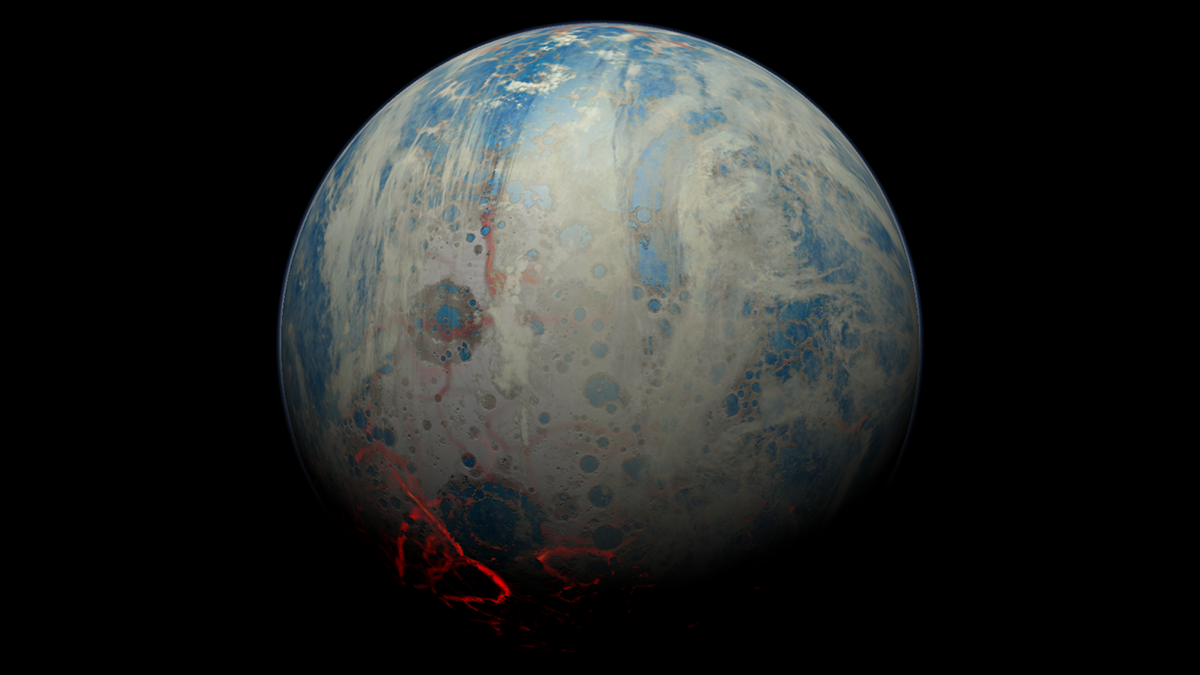
Study: Early Earth's Asteroid Impacts May Have Enabled Prebiotic Chemistry
A new study published in AGU Advances examines how asteroid and planetesimal impacts during Earth's Hadean and Archean eons (4.6 to 3.5 bill
 eos.org·1mo ago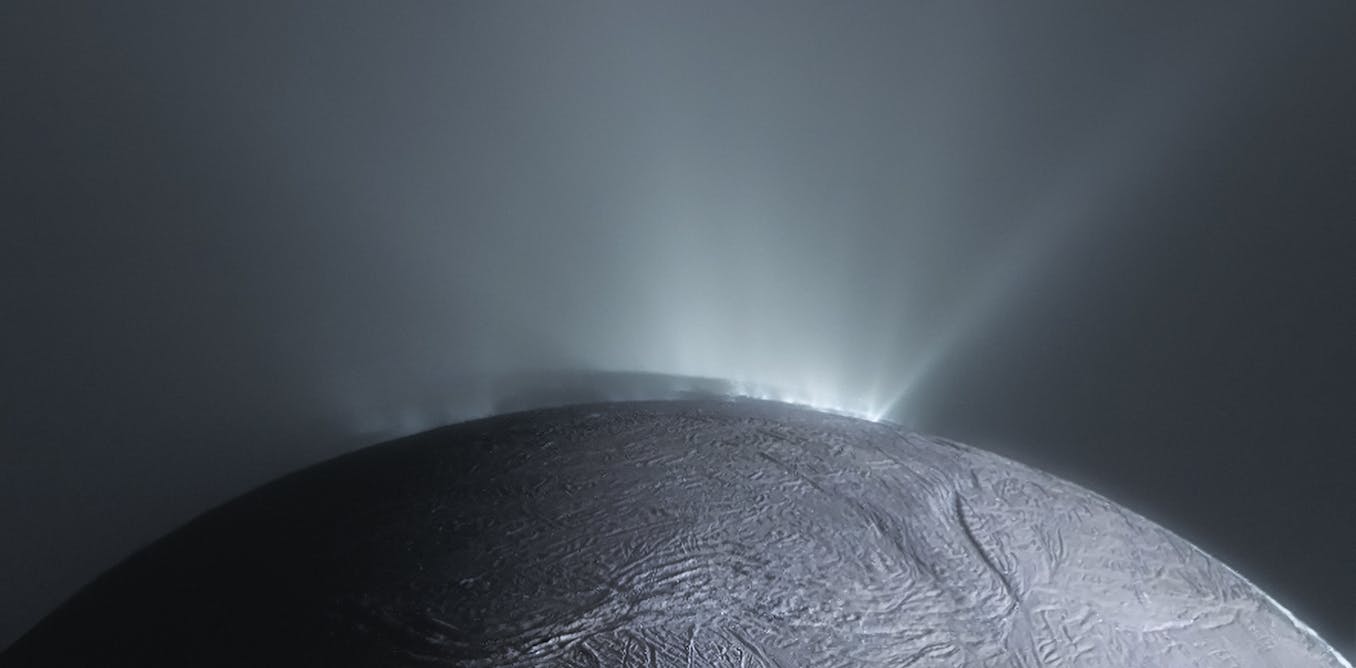
Scientists adapt ecological analysis methods to detect potential life on icy moons like Enceladus and Europa
Scientists are using ecological methods to study icy moons like Saturn's Enceladus and Jupiter's Europa, which likely have subsurface oceans
 theconversation.com·1mo ago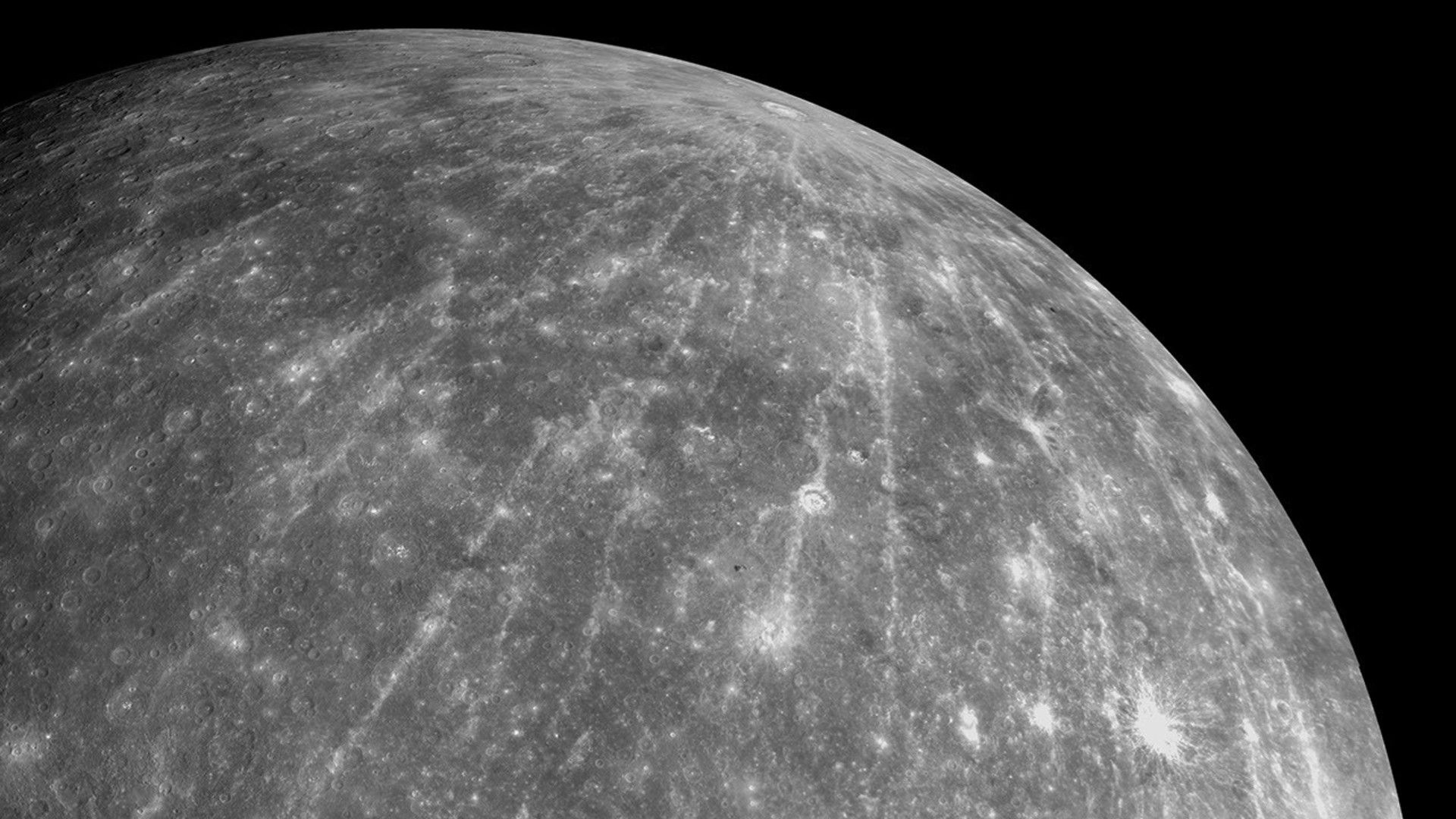
Study suggests single asteroid impact delivered Mercury's water ice in one Mercurian day
New simulations suggest that a single massive asteroid impact on Mercury, similar to the one that created the Hokusai crater, may have rapid
 space.com·1mo ago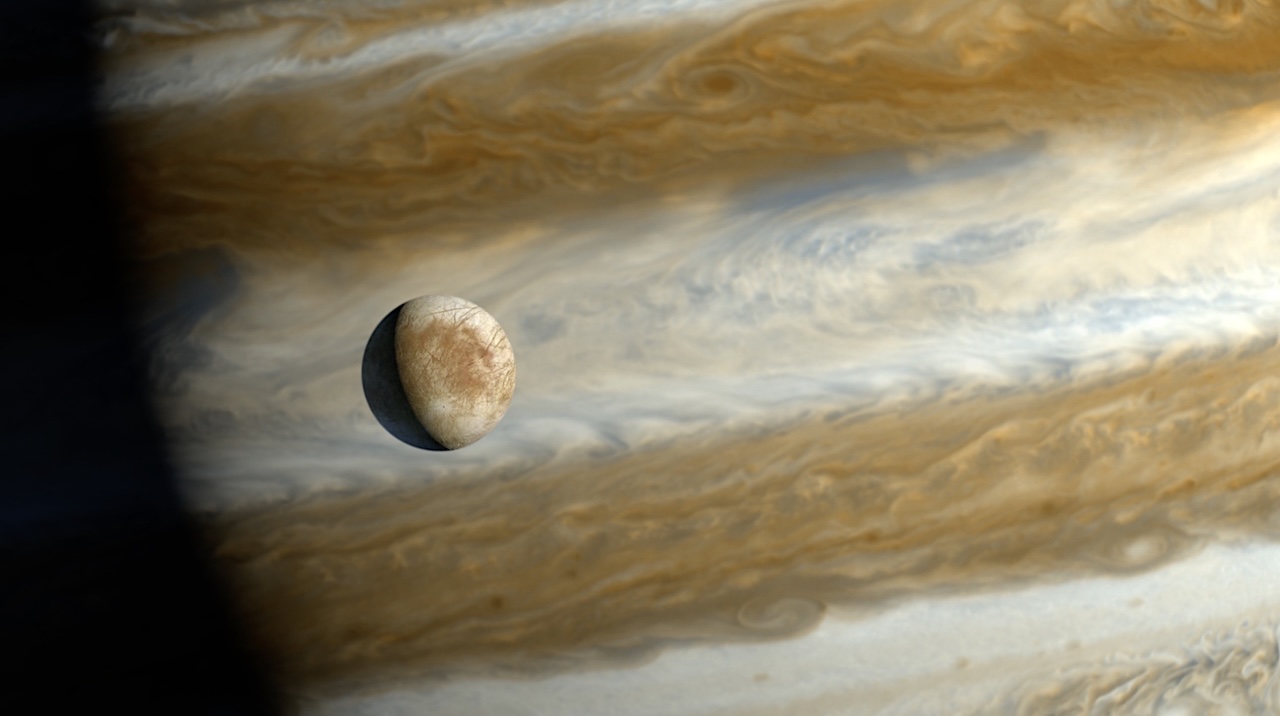
Study examines possibility of Earth bacteria reaching Europa's subsurface ocean via dust particles
This paper explores the hypothesis that dust particles containing living bacteria could be ejected from Earth and travel through space to re
 astrobiology.com·16d ago
Comments
Sign in to join the conversation.
No comments yet. Be the first.