
























Study examines possibility of Earth bacteria reaching Europa's subsurface ocean via dust particles
By
Keith Cowing
Summary
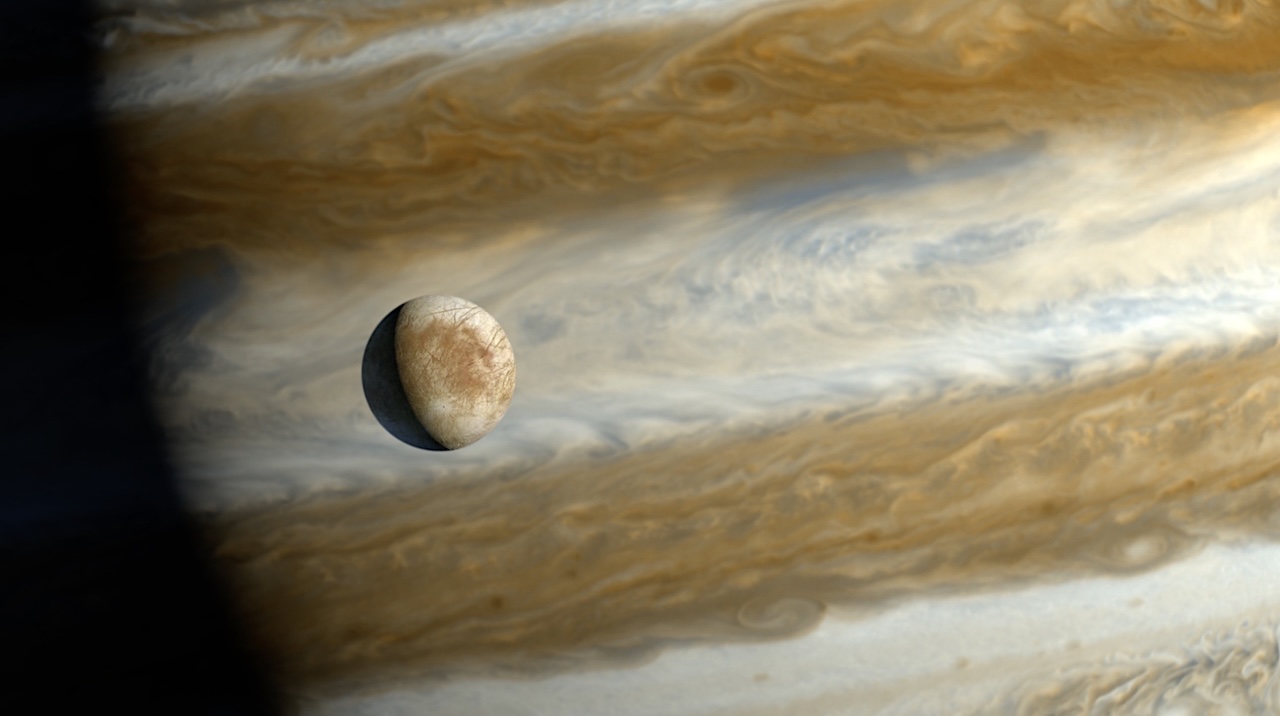
This paper explores the hypothesis that dust particles containing living bacteria could be ejected from Earth and travel through space to reach Europa, potentially seeding its subsurface ocean with life. The analysis considers various factors that would influence the viability of such interplanetary transfer of life from Earth to Jupiter's moon.
Source
 Twitter / XStudy examines possibility of Earth bacteria reaching Europa's subsurface ocean via dust particlesastrobiology.com
Key quotes
· 2 pulledThe paper discusses the possibility of dust particles containing living bacteria ejected from Earth reaching Europa and landing on its surface.
It is shown that, taking certain factors into account, over a per
You might also wanna read

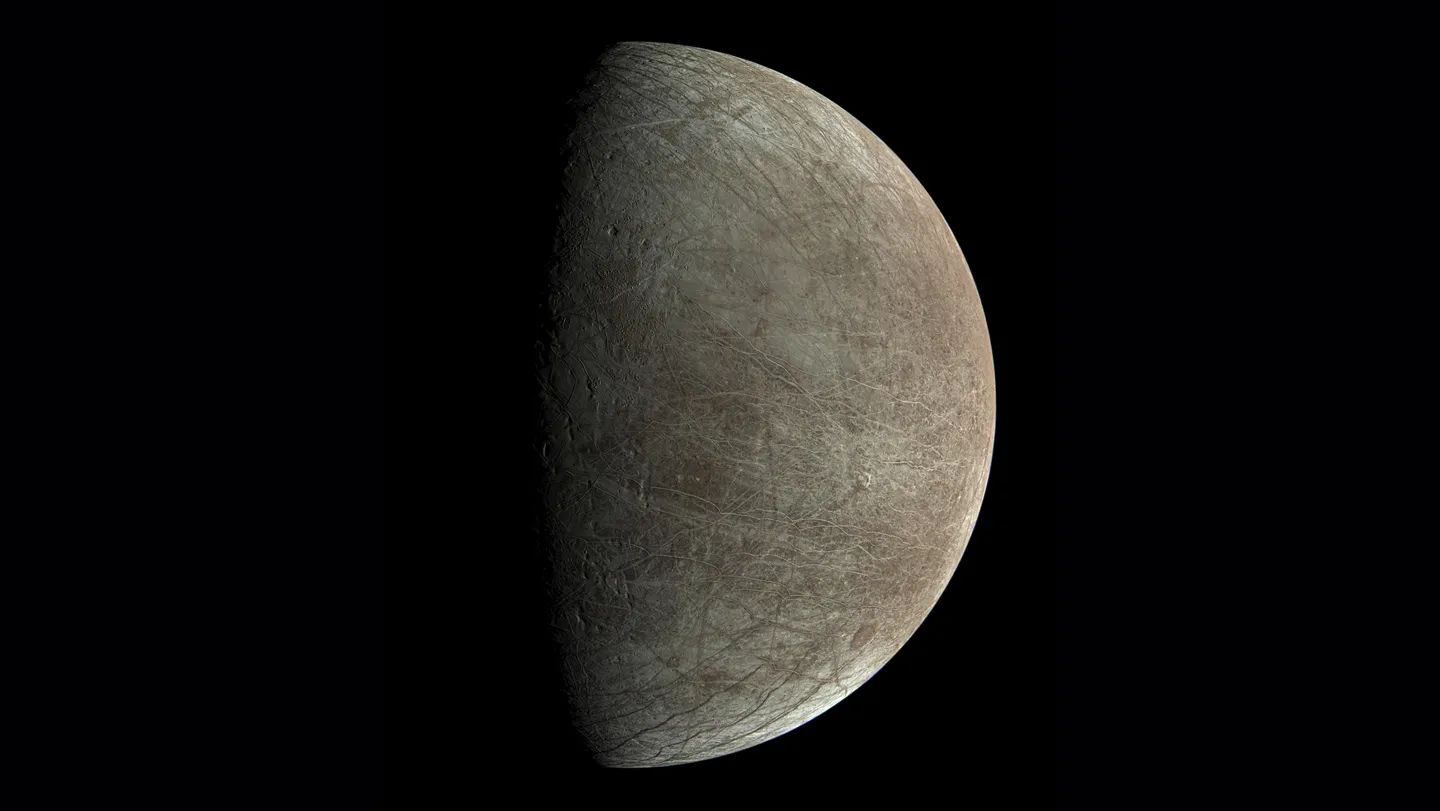
Study finds no evidence of water plumes on Jupiter's moon Europa
New analysis of nearly a decade of Hubble Space Telescope observations of Jupiter's moon Europa shows no strong evidence for water plumes th
 sciencenews.org·26d ago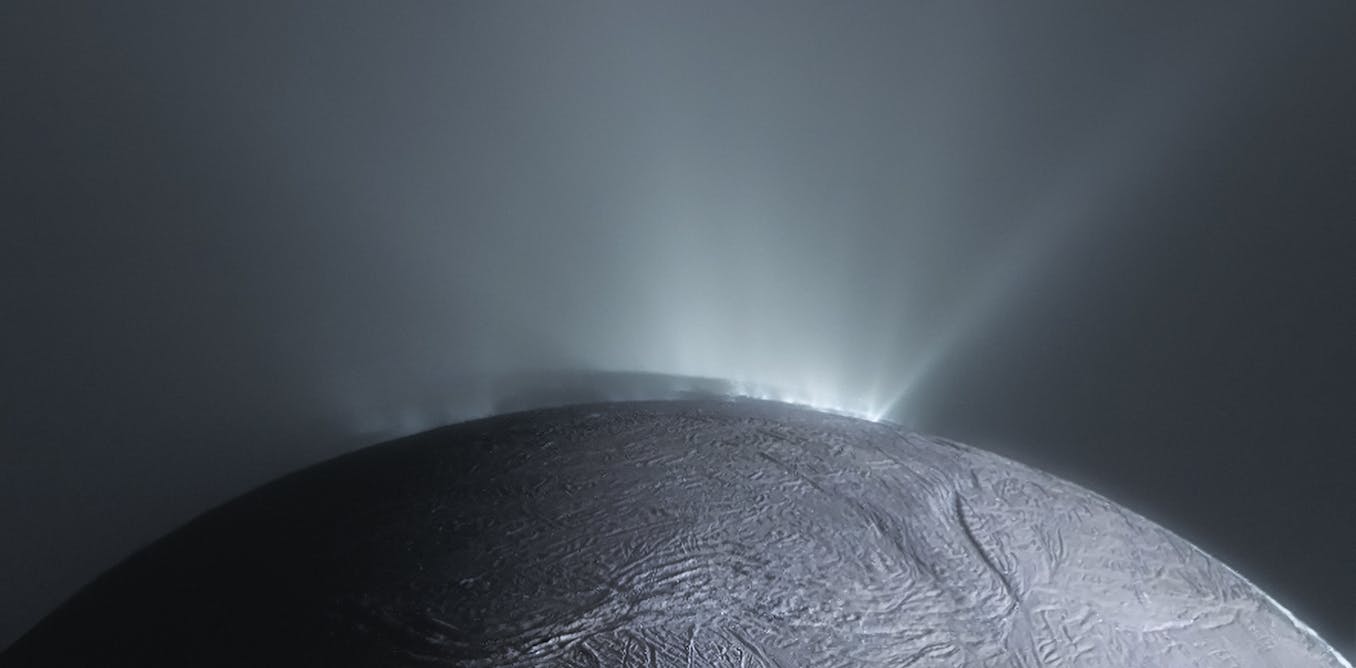
Scientists adapt ecological analysis methods to detect potential life on icy moons like Enceladus and Europa
Scientists are using ecological methods to study icy moons like Saturn's Enceladus and Jupiter's Europa, which likely have subsurface oceans
 theconversation.com·24d ago
Nonliving respiration: Another breath in the soil?

UK Mission to Search for Alien Life in Venus's Clouds
A UK-based mission is planning to send a probe to Venus's clouds to search for microbial life after detecting potential signs of biological
gizmodo.com·11mo ago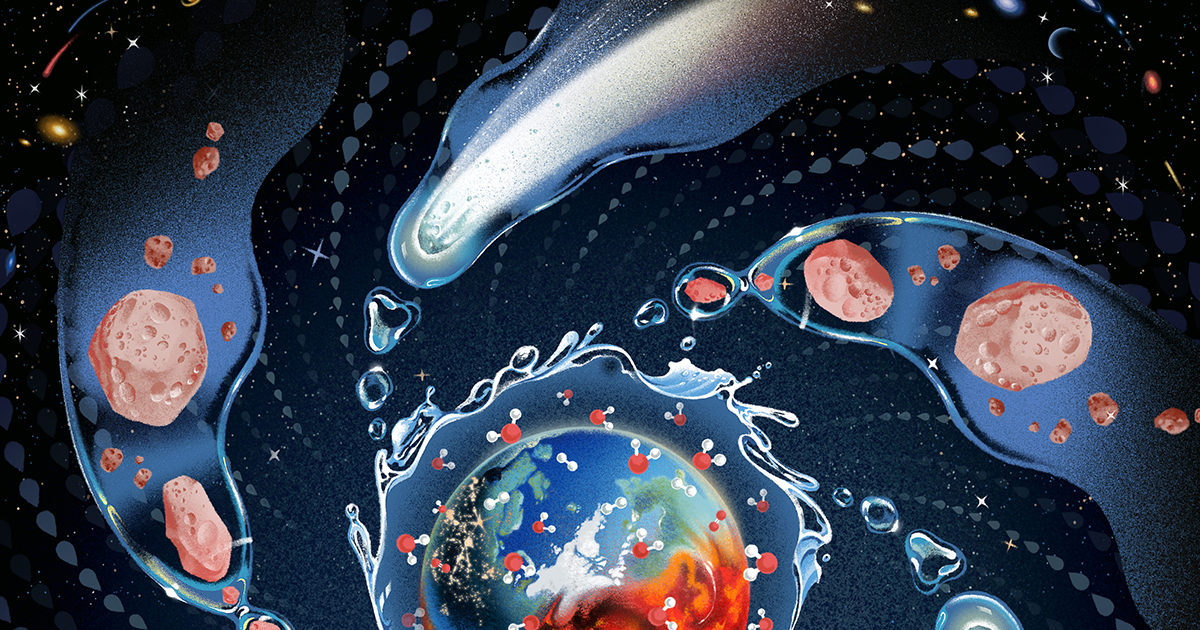
Scientists Debate Whether Earth's Oceans Came from Comets, Asteroids, or Were Homegrown
The article explores the evolving scientific debate about the origin of Earth's oceans. Initially, scientists believed Earth's water arrived
 quantamagazine.org·10d ago
Scientists Debate Whether Earth's Oceans Came from Comets, Asteroids, or Were Homegrown
The article explores the evolving scientific debate about the origin of Earth's oceans. Initially, scientists believed Earth's water arrived
quantamagazine.org·10d ago
Global Study Reveals Widespread Distribution of Plastic-Degrading Bacteria in World's Oceans
This scientific research article investigates the global distribution of bacteria containing PET-degrading enzymes (PETases) in ocean enviro
 academic.oup.com·7mo ago
Comments
Sign in to join the conversation.
No comments yet. Be the first.